Fans of mid-century American literature and collectors of iconic cultural artifacts will soon have the unprecedented opportunity to acquire personal items once belonging to Truman Capote. Nearly 400 lots, ranging from the author’s daily necessities to his curated collection of curiosities, are scheduled to be auctioned by Cornell Auction in Bellport, New York. This sale represents a significant dispersal of the estate managed for decades by Gerald Clarke, the journalist and author who penned the definitive 1988 biography, Capote.
The upcoming auction, which features an online preview and bidding window opening on October 26, followed by the official sale on November 21, serves as a capstone to a long-standing preservation effort. Clarke, now 89, has stated that the decision to auction these items is driven by a need to downsize. The collection offers a rare, intimate look into the life of a man whose literary contributions—most notably In Cold Blood and Breakfast at Tiffany’s—forever altered the landscape of American letters.

A Legacy Curated: From Sagaponack to the Auction Block
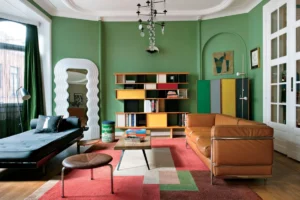
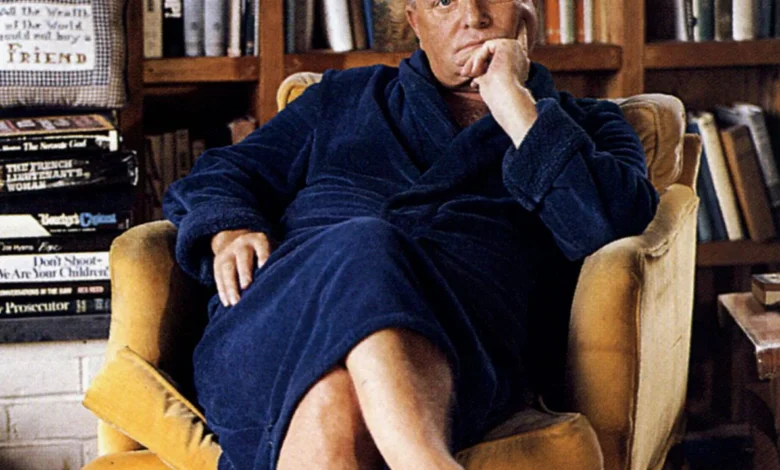
Much of the material slated for the auction block is documented in a seminal 1976 Architectural Digest feature, which provided a rare glimpse into the author’s secluded Hamptons residence in Sagaponack. For those familiar with the visual history of the writer’s life, the auction functions as a physical manifestation of that archival imagery.
The collection is particularly notable for its depth, reflecting Capote’s idiosyncratic collecting habits. Among the items are his extensive array of paperweights—an obsession he pursued with fervor throughout his life. Some of these objects were created by the author himself, utilizing materials that held personal significance, such as rocks gathered from the Kansas farm that served as the setting for his true-crime masterpiece, In Cold Blood.
Beyond these curios, the inventory includes a signed copy of Harper Lee’s To Kill a Mockingbird, a poignant reminder of the enduring and complex friendship between the two literary giants. Other items include a bronze frog inkwell and the very house keys that granted him access to his private sanctuary in the Hamptons.

Historical Context: The Sagaponack Sanctuary
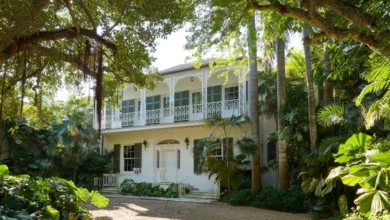
To understand the provenance of these items, one must look back to 1962, the year Capote commissioned the construction of his Sagaponack home. The author described the structure as "Kansas with a sea breeze," a paradoxical descriptor that reflected his deep-seated attachment to the rural landscape.
For Capote, the house was more than a mere property; it was a "raincoat"—a structure designed to protect his creative process from the intrusion of the outside world. The home was intentionally built with an "unfinished" aesthetic, featuring exposed vertical studs and horizontal bracing. Despite his public persona as a socialite, Capote was fiercely protective of his solitude in the Hamptons, often spending the autumn and winter months in near-total isolation to focus on his work.
The interior of the house was a reflection of his eclectic and highly personal taste. It served as a repository for his collections, which he famously refused to delegate to professional decorators. "I know exactly what I want," he once remarked. "I just don’t care to have someone come in and tell me what I need to live with."

Chronology of a Literary Life
The transition of these items from private ownership to the public sphere marks the final chapter of a timeline that spans over six decades:
- 1962: Capote commissions the construction of his custom beach house in Sagaponack, Long Island, on six acres of land.
- 1976: The home and its interior, filled with the very items now up for auction, are featured in Architectural Digest.
- 1984: Truman Capote passes away at the age of 59, leaving his personal effects to his friend and biographer, Gerald Clarke.
- 1988: Clarke publishes Capote, the comprehensive biography that solidified the author’s historical standing.
- 2005/2024: Renewed public interest in the author’s life is sparked by the biopic Capote and the miniseries Feud: Capote vs. the Swans.
- 2026: Gerald Clarke, at age 89, announces the auction of nearly 400 lots, effectively dispersing the collection he has stewarded for 42 years.
Implications and Market Impact
The decision to auction these items has sent a ripple through the literary and collectibles markets. In the world of high-end memorabilia, the provenance provided by Gerald Clarke is considered the gold standard. Because the items were part of Capote’s personal domestic life—his inkwells, his house keys, his books—they carry a biographical weight that exceeds their material value.
Auction experts suggest that the "Capote" provenance will likely drive significant interest among both institutional archives and private collectors. The inclusion of items like the signed Harper Lee volume highlights the intersection of mid-century literary circles, further inflating the potential value of the lots.

However, the auction also signals the end of an era. With the dispersal of these items, the tangible links to the author’s daily existence are being untethered from their original context. While the physical objects will find new homes, the auction serves as a final, public accounting of the material world that the author surrounded himself with.
Official Statements and Observations
In recent communications, representatives from the Cornell Auction house have emphasized the historical integrity of the collection. "Most of the items we have in the Truman Capote auction were photographed almost exactly 50 years ago in 1976," a spokesperson noted in a promotional video, underscoring the continuity of the items’ history.
Gerald Clarke’s choice to downsize at 89 years old is widely viewed as a pragmatic move by those close to the author’s legacy. By placing these items into the hands of collectors, the estate ensures that the physical remnants of Capote’s life are preserved by individuals who, in all likelihood, value the cultural significance of the pieces as much as the previous steward did.

Broader Cultural Significance
The enduring fascination with Truman Capote is a testament to his unique position in American history. He was simultaneously a master of the written word, a figure of intense public scrutiny, and a deeply private collector of the mundane and the extraordinary.
Whether it is his Windex-blue prescription glasses or the simple bronze inkwell he used to draft his prose, the items going under the hammer at Cornell Auction provide a rare window into the interiority of a genius. As the auction date approaches, the event is positioned not merely as a sale of goods, but as a cultural event that allows the public to briefly hold the artifacts of a life that defined the American literary consciousness for much of the 20th century.
For those interested in the auction, the catalog will be available through the official Cornell Auction website. The process of registration for online bidding is expected to begin in late October, with expectations that demand will be high among collectors of rare literary artifacts and those fascinated by the complex life of the In Cold Blood author. The dispersal of this collection is a reminder that while authors may pass, the physical worlds they create—and the objects they collect—remain as enduring markers of their presence in history.