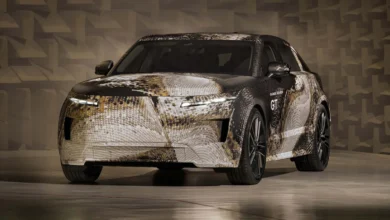
The automotive world is bracing for a potential revival of one of the most significant performance vehicles in history, as German engineering firm HWA AG has begun teasing a modern interpretation of the legendary Mercedes-Benz AMG Hammer. While Mercedes-AMG currently operates as a fully integrated performance subsidiary of Mercedes-Benz Group AG, the "Hammer" represents a pivotal era in the 1980s when AMG functioned as an independent tuning house, forever altering the perception of the executive sedan. HWA, founded by Hans Werner Aufrecht—the original co-founder of AMG—is now positioning itself to bridge the gap between historic prestige and contemporary engineering capabilities with this highly anticipated project.
The Genesis of the Hammer: A Turning Point in 1986
To understand the magnitude of the HWA tease, one must contextualize the original Hammer’s arrival in the mid-1980s. Before the Hammer, AMG was a boutique operation specializing in racing-derived modifications for Mercedes-Benz road cars. The 1986 AMG Hammer, based on the W124-generation Mercedes-Benz 300E, was the vehicle that effectively put AMG on the global map as a legitimate rival to high-end sports car manufacturers.
The engineering philosophy behind the original Hammer was characterized by an uncompromising approach to power. AMG engineers removed the standard 3.0-liter inline-six engine and replaced it with a bored-out, 5.5-liter V8 unit. This engine featured four-valve cylinder heads—a significant technological achievement for a sedan at the time—which allowed the vehicle to produce 355 horsepower and 388 pound-feet of torque. In 1986, these figures were extraordinary, enabling the sedan to achieve a top speed of 186 mph. This performance allowed the Hammer to outpace many dedicated supercars of the era, such as the Ferrari Testarossa and the Lamborghini Countach, while maintaining the discreet, understated aesthetic of a professional’s commuter vehicle.
HWA: The Custodians of the AMG Legacy
The connection between the original Hammer and the proposed HWA restomod is rooted in the identity of the firm itself. HWA AG (Hans Werner Aufrecht) was established in 1998, following the acquisition of the racing division of AMG by Daimler-Benz. Aufrecht, seeking to maintain his commitment to high-performance motorsport and engineering, spun off the remaining racing assets into HWA.
Based in Affalterbach, Germany, HWA has spent the last quarter-century deep in the world of DTM (Deutsche Tourenwagen Masters) racing, where it has secured numerous championships for Mercedes-Benz. This pedigree is critical to the current restomod project. Unlike a standard aftermarket shop, HWA possesses the original technical documentation, the engineering culture, and the institutional knowledge required to modify Mercedes platforms while maintaining structural and mechanical integrity. Their recent work, most notably the "HWA Evo"—a radical, modernized interpretation of the Mercedes-Benz 190E 2.5-16 Evolution II—demonstrated the firm’s ability to blend period-correct aesthetics with modern carbon-fiber construction and bespoke mechanical components.
Analyzing the Teaser: The W124 Silhouette
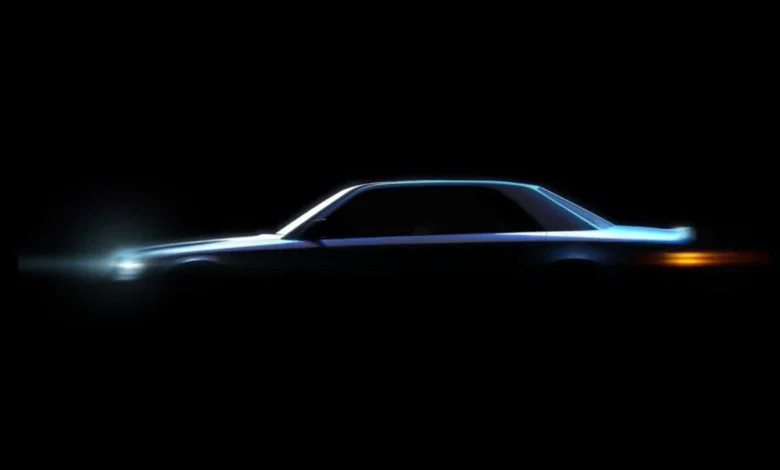
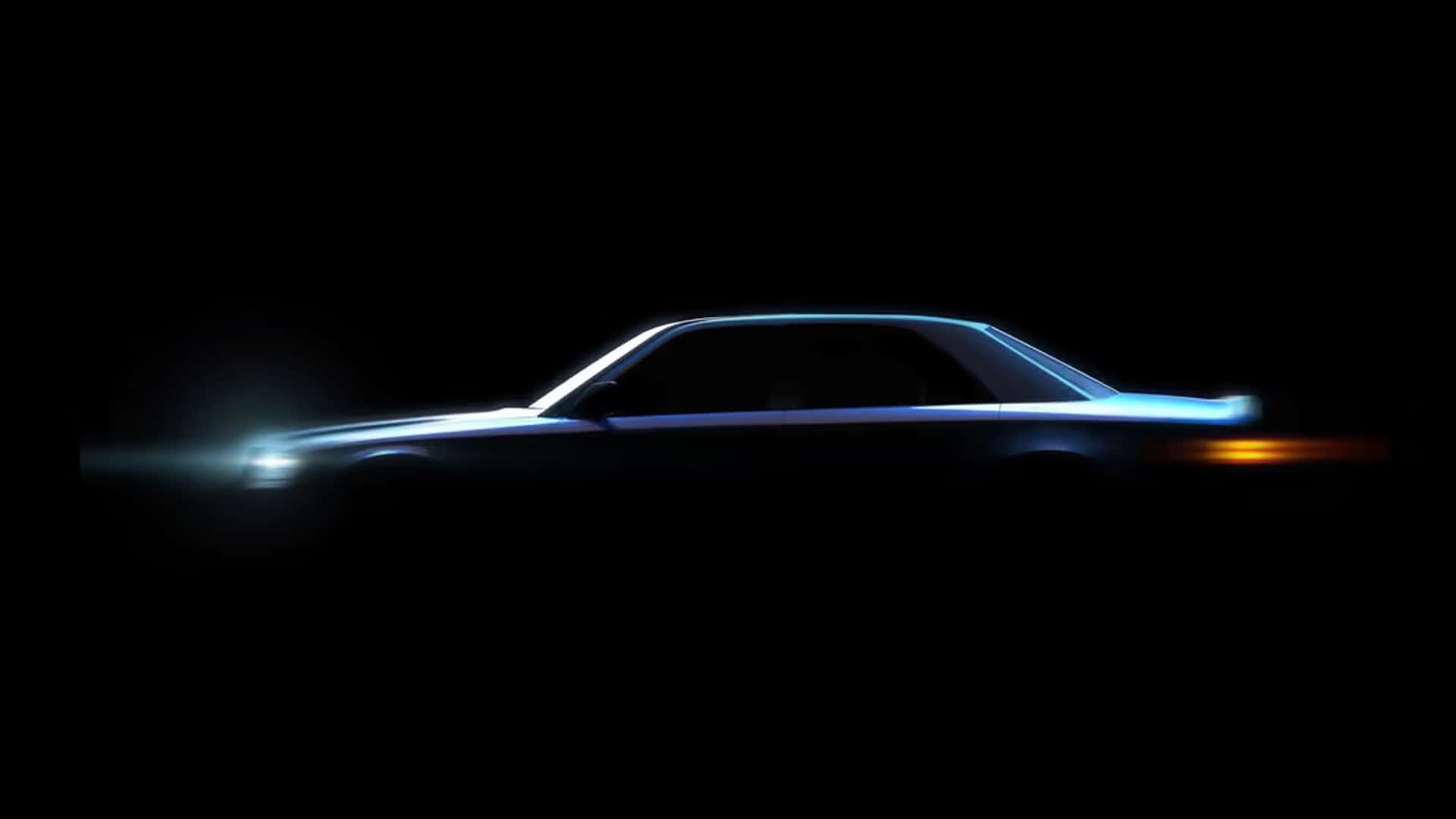
The teaser imagery released by HWA confirms that the project is based on the W124 chassis. For enthusiasts, the choice of the W124 is symbolic. It remains one of the most robust platforms ever produced by Mercedes-Benz, known for its over-engineered build quality and balanced handling characteristics.
Industry analysts suggest that an HWA-engineered Hammer will likely follow a similar blueprint to the HWA Evo. This implies a comprehensive teardown and rebuild process. While specific technical specifications remain under wraps, expectations include a significant upgrade to the chassis stiffness, the integration of a modern, high-output drivetrain, and a refined suspension geometry that meets 21st-century performance standards. By utilizing contemporary materials, HWA can likely reduce the curb weight of the original 300E while drastically increasing torsional rigidity, effectively creating a "Hammer" that can handle the increased power output of a modern powertrain.
The Rise of the Luxury Restomod Market
The move toward high-end restomods like the proposed Hammer reflects a broader trend in the automotive sector. As modern vehicles become increasingly digitized, autonomous, and electrified, there is a growing market for "analog" driver-focused machines that offer the tactile engagement of the 1980s and 90s, updated with the reliability and performance of modern engineering.
Companies like Singer Vehicle Design (for Porsche) and Gunther Werks have paved the way for this sector, demonstrating that there is a significant appetite among high-net-worth collectors for vehicles that honor brand heritage. HWA is uniquely positioned to capitalize on this trend because of its direct lineage to the Mercedes-AMG brand. Unlike third-party tuners, HWA’s history is inextricably linked to the vehicles they are now modifying, which adds a layer of authenticity that is highly valued in the collector market.
Technical and Economic Implications
The transition from a standard 1980s sedan to an HWA-commissioned restomod involves more than just a drivetrain swap. It requires a complete re-engineering of the electrical systems, safety structures, and interior ergonomics to comply with modern standards while preserving the classic look. The financial commitment for such a project is expected to be substantial. Given that the HWA Evo carries a multi-hundred-thousand-dollar price tag, a production-ready Hammer would likely sit in the same tier, targeting a limited-run production strategy.
From a corporate perspective, the existence of such a project serves as a "halo" for the HWA brand. It highlights their engineering prowess to global audiences, including the potential for future partnerships with major automakers who may want to leverage HWA’s specialized expertise for niche, low-volume projects.
Chronology of the Project’s Development
- 1986: Mercedes-AMG introduces the 300E "Hammer," defining the modern performance sedan segment.
- 1998: Hans Werner Aufrecht establishes HWA AG to manage racing operations and high-performance engineering after the Mercedes-Benz acquisition of AMG.
- 2023-2024: HWA reveals and begins production of the "HWA Evo," a modernized 190E 2.5-16, receiving widespread critical acclaim.
- Mid-2024: HWA releases initial teaser imagery of a project based on the W124 chassis, confirming the intent to revisit the Hammer legacy.
- Future Outlook: Industry observers anticipate further technical disclosures and a potential debut at a major automotive event, such as the Goodwood Festival of Speed or a specialized classic car concours.
Official Stance and Market Reception
While HWA has maintained a degree of secrecy regarding the final specifications, the company has indicated that the project is driven by the same passion for engineering excellence that led to the original Hammer. By focusing on the "spirit" of the original—a wolf in sheep’s clothing—HWA aims to capture the essence of what made the 1986 model an icon: the ability to provide supercar-level performance in a chassis that is ostensibly subtle.
The reception from the automotive press and the Mercedes-Benz community has been overwhelmingly positive. The consensus among analysts is that HWA is the only firm capable of delivering a "Hammer" that would satisfy the stringent expectations of Mercedes-Benz purists. By utilizing original-era chassis shells and upgrading them with proprietary HWA technology, the firm is creating a product that is part museum-grade restoration and part cutting-edge track machine.
The Broader Impact on Performance Engineering
The significance of this development extends beyond the garage. It signals a shift in how historical performance vehicles are perceived in the era of electrification. As the automotive industry pivots away from internal combustion engines, the demand for high-quality, gasoline-powered, manual-transmission-style experiences is likely to increase among enthusiasts.
HWA’s decision to modernize the Hammer serves as a bridge between two eras of automotive history. It ensures that the engineering philosophy of the 1980s—focused on raw, mechanical capability—is preserved and elevated using modern computational design and materials science. For HWA, the Hammer is more than just a car; it is a manifestation of the firm’s history and a testament to the enduring appeal of the performance sedan.
As the development of the HWA Hammer progresses, the industry will be watching closely to see how the firm balances the nostalgic appeal of the original W124 with the performance requirements of a modern high-speed vehicle. If the HWA Evo is any indication, the resulting machine will likely set a new benchmark for the restomod industry, cementing HWA’s reputation as the premier engineer of "new-classic" Mercedes-Benz performance vehicles. Whether it achieves the same 186 mph top speed as its predecessor or pushes the boundaries even further remains to be seen, but the intent is clear: the Hammer is returning, and it is being built by the very hands that helped define it four decades ago.