It has been a quarter of a century since the Plymouth brand was officially retired by the Chrysler Corporation, marking the end of a storied chapter in American automotive history. The final years of the marque were undeniably grim, characterized by badge-engineered imports, declining market share, and a corporate restructuring that left Plymouth with little identity of its own. By the late 1990s, the once-mighty sales titan was moving barely half the volume of its sibling brand, Dodge, with the retro-styled Prowler serving as its final proprietary design. When corporate executives pulled the plug in 1999, Plymouth was deemed incompatible with future product roadmaps, fading out quietly at the turn of the century.
Yet, automotive historians and enthusiasts agree that a brand’s twilight should not overshadow its decades of cultural and engineering contributions. Long before its final days of corporate obscurity, Plymouth was a foundational pillar of Detroit’s "Big Three," responsible for some of the most iconic, powerful, and enduring muscle cars of the 20th century. Examining the collector car market today reveals that these legacy vehicles command significant attention, bridging the gap between mid-century Americana and modern investment portfolios. Drawing from up-to-date valuation data provided by Hagerty, a comprehensive look at nine defining Plymouth models illustrates how their market standings have evolved decades after the brand’s demise.
The Mid-Century Rise: 1959 Plymouth Sport Fury
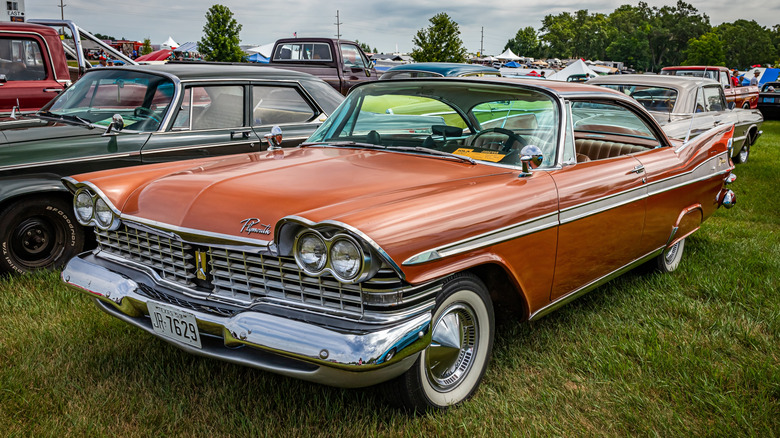
Long before the horsepower wars of the late 1960s, Plymouth was locked in a fierce battle for industry dominance, frequently claiming a top-three spot in U.S. sales during the mid-1950s. As market pressures began to mount, the company sought to recapture consumer enthusiasm through performance and styling innovation. The Fury nameplate originally debuted in 1956 as a high-performance trim of the full-size Belvedere before spinning off into a standalone model line by 1959.
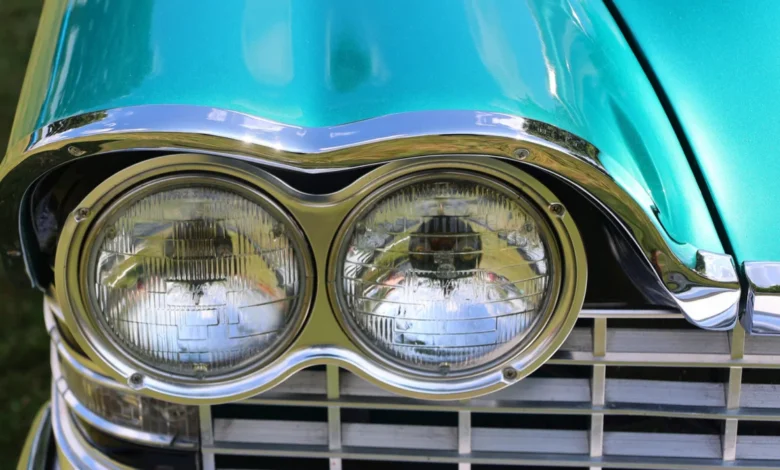
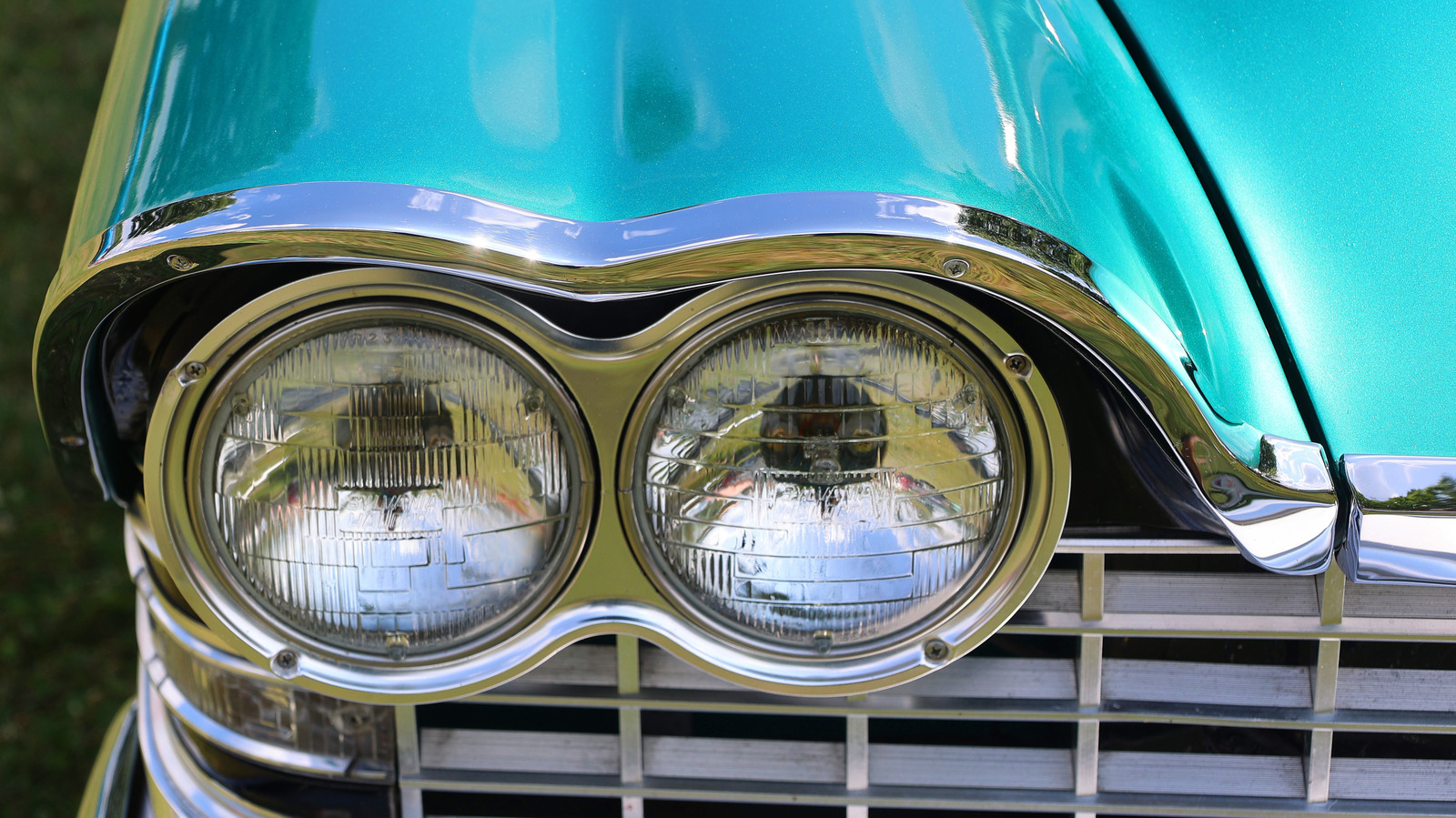
To capture the top tier of the market, Plymouth introduced the Sport Fury, available exclusively in two-door hardtop and convertible body styles. Moving past the standard 230-horsepower, two-barrel 318-cubic-inch V8, the Sport Fury adopted a four-barrel iteration generating 260 horsepower, with the optional 361-cubic-inch "Golden Commando" V8 pushing output to 305 horsepower. Beyond powertrain options, the 1959 model showcased pioneering automotive technology, including an air-powered rear suspension leveling system, swiveling front seats for enhanced ergonomics, and an automatically dimming rearview mirror. Originally retailing for just under $3,000—roughly equivalent to $30,000 today—a well-maintained 1959 Plymouth Sport Fury equipped with its standard V8 now commands an estimated market value of approximately $30,000.
The Gentleman’s Muscle Car: 1967 Plymouth GTX (440)
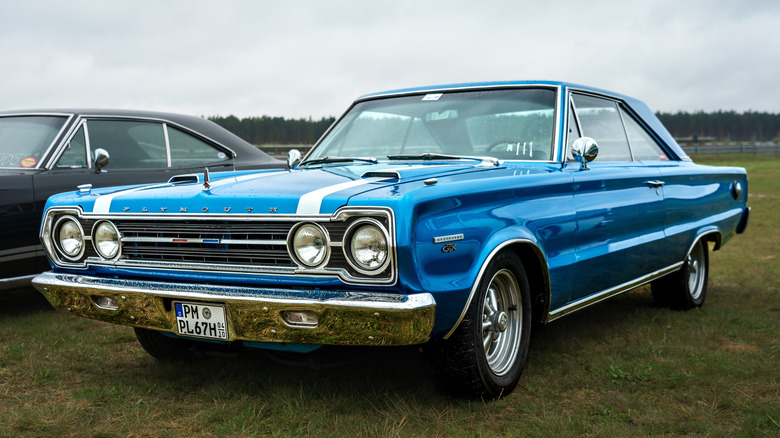
As the 1960s progressed, Chrysler’s Mopar division became synonymous with straight-line speed, spawning legendary nameplates like the Satellite, Barracuda, Charger, Road Runner, and Challenger. Positioned distinctively within this lineup was the Plymouth GTX, frequently dubbed "the gentleman’s muscle car." As Plymouth’s initial foray into a dedicated high-performance intermediate, the GTX was designed to combine luxury appointments with uncompromising acceleration.
Unlike competitors that offered modest base engines, the GTX dove headfirst into the era’s horsepower race. Its standard powerplant was the formidable 375-horsepower "Super Commando" 440-cubic-inch V8, with the legendary 426 Hemi serving as the sole engine upgrade. The vehicle delivered supercar-shattering performance for its era, achieving a zero-to-sixty-mph time of roughly six seconds—a feat that outpaced many European exotic cars costing six times as much. Today, solid examples of the 1967 Plymouth GTX 440 represent an accessible entry point into serious muscle car collecting, with average market valuations hovering around $44,000.
The People’s Cruiser: 1968 Plymouth Valiant
While high-output V8s dominated enthusiast magazines, the financial backbone of domestic manufacturers relied on practical, economical transportation. The redesigned Plymouth Valiant, introduced for the 1967 model year, served as a quintessential American family car. With a base price hovering just over $2,000 (roughly $20,000 adjusted for inflation), the Valiant offered five-passenger seating, durable construction, and reliable engineering.
For the 1968 model year, Plymouth expanded the Valiant’s appeal by offering the robust 318-cubic-inch small-block V8 as an option, delivering 230 horsepower and providing drivers with spirited acceleration comparable to contemporary pony cars. While traditional collectors historically overlooked economy sedans in favor of high-spec muscle variants, rising interest in affordable classics has elevated the Valiant’s status. Today, a well-preserved 318-powered Valiant in good condition is valued at approximately $11,500, offering a budget-friendly alternative for enthusiasts seeking vintage motoring without a five-figure investment.
The Versatile Alternative: 1968 Plymouth Sport Satellite
Sharing its lineage with the Belvedere B-body platform, the Plymouth Satellite debuted in 1965 as an upscale, sporty two-door hardtop and convertible. However, the introduction of the dedicated, stripped-down Road Runner in 1968 allowed Plymouth to pivot the Satellite toward a broader market segment. The model range was expanded to include four-door sedans and station wagons capable of seating up to nine passengers, alongside the performance-oriented Sport Satellite trim.
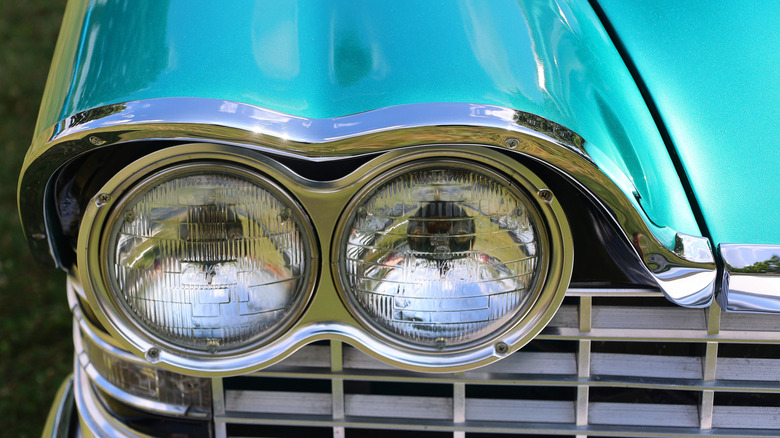
Despite its mass-market orientation, the Sport Satellite retained serious performance credentials. Buyers could specify either the standard 318 V8 or one of two iterations of the big-block 383: a two-barrel version producing 290 horsepower or a high-performance four-barrel variant rated at 330 horsepower. Sharing nearly identical body panels with the legendary Road Runner but carrying a lower collector premium, the Sport Satellite represents a strategic choice for collectors. Well-equipped coupes powered by the four-barrel 383 engine maintain an average market value of approximately $38,000.
The Apex Predator: 1969 Plymouth Hemi Road Runner
Few automotive nameplates are as intrinsically tied to a brand’s identity as the Plymouth Road Runner. Conceived as an affordable, bare-bones muscle car utilizing the B-body platform, the project gained cultural resonance when Plymouth paid Warner Bros. $50,000—equivalent to roughly $500,000 today—for the rights to use the iconic cartoon character and "Beep, Beep" horn sound.
Launched for the 1968 model year with a standard 383-cubic-inch V8, the model catalog reached its pinnacle with the integration of the 426 Hemi. Advertised at 425 horsepower and 490 pound-feet of torque, the Hemi Road Runner paired explosive straight-line performance with heavy-duty mechanical components. Despite outselling the upscale GTX by a wide margin in its inaugural year, factory Hemi-equipped models remain exceedingly rare. With fewer than 800 units produced with the top-tier motor for the 1969 model year, a well-preserved Hemi Road Runner coupe commands an estimated market valuation of $92,000, with rare color combinations and documented provenance pushing prices significantly higher.
The Holy Grail: 1971 Plymouth Hemi ‘Cuda
The third-generation Plymouth Barracuda, particularly in its high-performance ‘Cuda trim, is widely regarded as the ultimate realization of the American muscle car era. Debuting originally in 1964 as an A-body competitor to the Ford Mustang, the Barracuda evolved into a broader platform by 1970, shifting its corporate mission entirely toward raw performance.
While base models offered economical slant-six engines and modest V8s, the ‘Cuda designation was reserved for formidable performance configurations, culminating in the 426-cubic-inch Hemi V8. Following the 1971 model year, increasingly stringent emissions regulations and rising insurance rates forced the discontinuation of the Hemi option, marking the end of an era before the Barracuda line concluded entirely in 1974. Today, the 1971 Plymouth Hemi ‘Cuda stands as the most valuable vehicle in the brand’s history, with good-condition hardtop examples commanding an average valuation of approximately $278,000.
The Junkyard Styling Icon: 1971 Plymouth Duster 340
Embodying the philosophy of the budget-friendly performance car, the Plymouth Duster debuted in 1970 utilizing the compact A-body platform. Conceived by designers Milt Antonick and Gene Weiss under an informal philosophy known internally as "junkyard styling," the Duster combined components from existing Chrysler architectures to create a sleek, fastback profile at an accessible price point.
The performance apex of the lineup was the Duster 340, powered by a high-output 340-cubic-inch small-block V8 featuring upgraded cylinder heads, a forged crankshaft, and a four-barrel carburetor, yielding 275 horsepower and 340 pound-feet of torque. Accompanied by suspension upgrades and wider tires, the Duster 340 offered balanced handling alongside straight-line prowess. Produced for only two model years before regulatory changes choked performance outputs, fewer than 13,000 units were built for 1971. Today, these vehicles offer attainable vintage performance, with average valuations sitting near $34,000 for well-kept examples.
The Transnational Turbo: 1992 Plymouth Laser RS Turbo
Facing severe financial instability in the late 1970s and early 1980s, Chrysler formed strategic international alliances to ensure its survival. A pivotal partnership with Mitsubishi Motors led to the establishment of Diamond-Star Motors (DSM), a joint venture that constructed a shared manufacturing facility in Normal, Illinois. This collaboration yielded a trio of captive imports: the Plymouth Laser, the Eagle Talon, and the Mitsubishi Eclipse.
The 1992 Plymouth Laser RS Turbo represented a distinct departure from traditional V8-powered muscle, targeting a new demographic of import-leaning enthusiasts. Powered by a turbocharged 2.0-liter Mitsubishi four-cylinder engine generating 195 horsepower, the RS Turbo offered optional all-wheel-drive configurations paired with a five-speed manual transmission. While historical quality control issues and polarizing exterior styling elements initially limited broad mainstream appeal, these DSM hatchbacks have experienced a strong resurgence in enthusiast interest. Solid-condition 1992 units currently command modest valuations of around $9,000.
The Retro Experiment: 1997 Plymouth Prowler
Introduced for the 1997 model year, the Plymouth Prowler served as a bold styling exercise that foreshadowed the retro-design trend of the late 1990s and early 2000s. Developed to showcase Chrysler’s advanced aluminum manufacturing techniques and bolster brand visibility following the success of the Dodge Viper, the Prowler adopted the distinct visual aesthetic of a 1930s hot rod.
Despite its aggressive visual presentation and innovative aluminum-intensive chassis construction, the vehicle faced widespread criticism for its powertrain limitations. Lacking a V8 option, the Prowler was equipped exclusively with a 3.5-liter V6 engine producing between 214 and 253 horsepower, routed through a rear-mounted automatic transaxle. Fewer than 12,000 total units were produced across its production run, which extended briefly under the Chrysler banner after Plymouth’s dissolution. Decades after its discontinuation, the Prowler has achieved cult classic status as an automotive design anomaly, with well-maintained 1997 models averaging around $24,000 on the collector market.