California Highway Patrol officially deploys its final Chevrolet Camaro patrol car marking the end of an iconic era

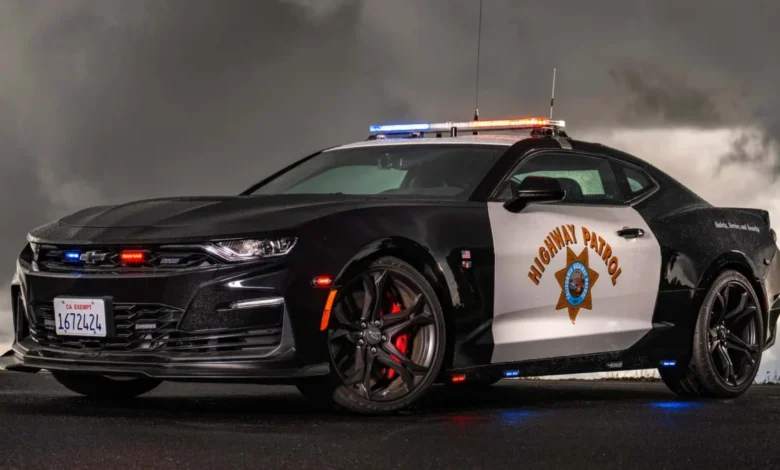
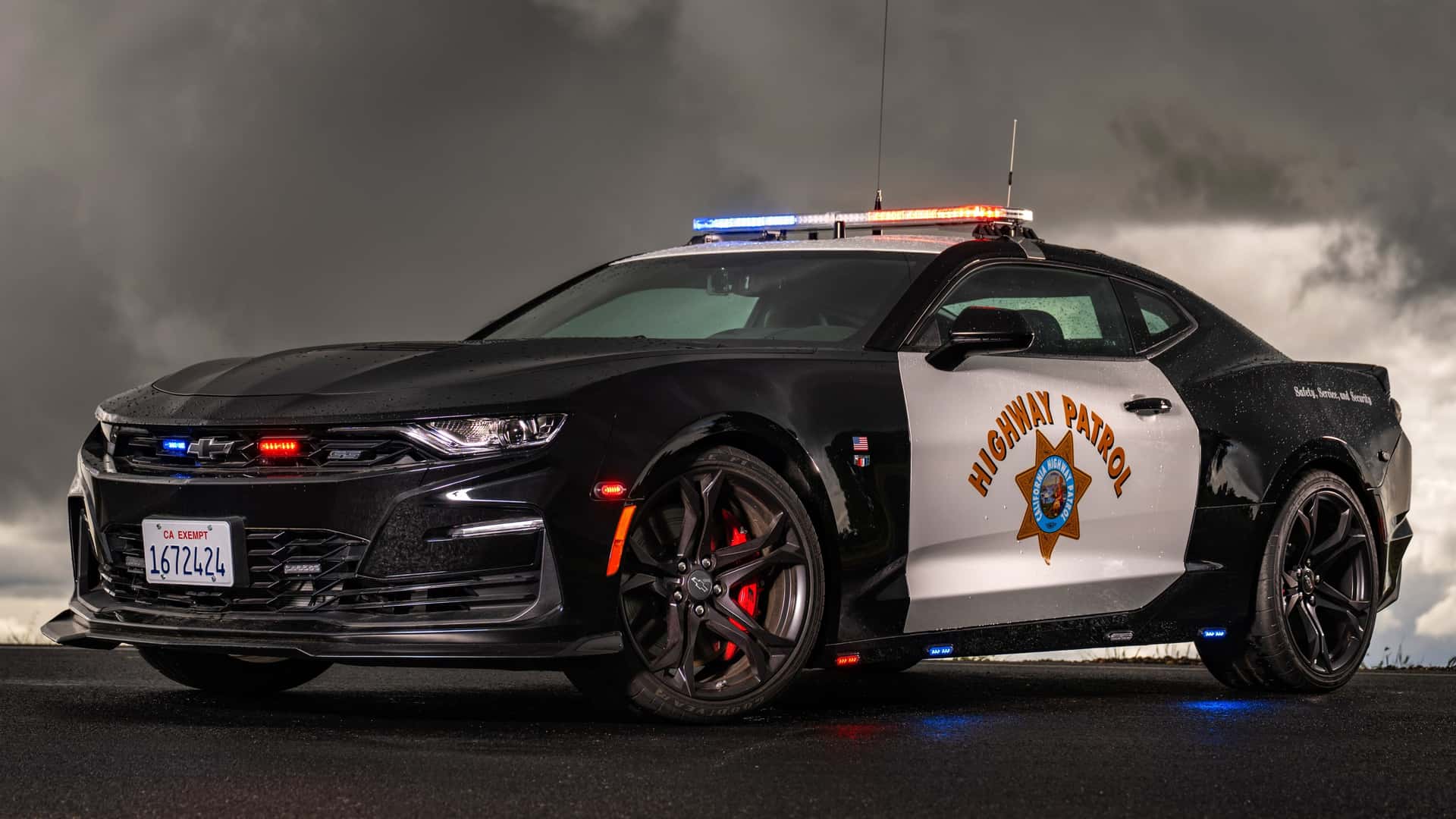
The California Highway Patrol (CHP) has officially commissioned its final Chevrolet Camaro into active duty, a move that signals the definitive conclusion of a multi-generational partnership between the state’s premier law enforcement agency and one of America’s most recognizable muscle car nameplates. The vehicle, a black-and-white SS 1LE model, was showcased this week via the CHP Fleet Operations official social media channels, outfitted with the full suite of law enforcement equipment, including high-visibility decals, an integrated push bar, and a sophisticated emergency lighting array. This deployment comes nearly three years after General Motors ceased production of the sixth-generation Camaro on December 13, 2023, effectively signaling that the agency’s long-standing tradition of utilizing the high-performance coupe for specialized patrol and pursuit operations has reached its sunset.
A Legacy Spanning Over Four Decades
The relationship between the California Highway Patrol and the Chevrolet Camaro traces its roots back to 1979. During that period, the agency sought to diversify its fleet beyond the standard-issue full-size sedans of the era, looking for vehicles that could offer superior high-speed stability and rapid acceleration for the vast and varied terrain of California’s 105,000-mile highway network. The introduction of the Camaro Z28 served as a pilot program that ultimately proved successful enough to cement the model’s role as a specialty pursuit vehicle for years to come.
Throughout the 1980s, 1990s, and into the early 2000s, the Camaro served as a recognizable staple of the CHP fleet. Notable iterations, such as the 1991 and 2002 models, were frequently deployed in areas where high-speed enforcement was a priority. While the agency has also integrated various other performance platforms—including the Ford Mustang—into its specialized fleets over the years, the Camaro remained a consistent, if evolving, presence. The transition from the original Z28 to the current SS 1LE reflects the technological and performance advancements that have occurred within the automotive industry over the last 45 years.
Engineering for Enforcement: The SS 1LE Specification
The choice of the SS 1LE as the final entry in this long line of patrol vehicles is significant. Unlike standard retail models, the 1LE package is specifically engineered with a track-tuned suspension, upgraded braking components, and aerodynamic enhancements that provide the high-speed stability required for freeway pursuit environments. Under the hood, the vehicle houses a 6.2-liter naturally aspirated V8 engine, which produces 455 horsepower and 455 pound-feet of torque.
Independent performance testing and manufacturer specifications indicate that the vehicle is capable of reaching top speeds of approximately 175 mph. While raw top speed is rarely the sole factor in modern police work, the 1LE’s ability to maintain high-speed stability through sweeping curves and under hard braking maneuvers made it an ideal candidate for the agency’s final specialty muscle car acquisition.
In addition to its powertrain, the vehicle features a unique aesthetic nod to the agency’s history. Despite the inclusion of modern digital instrumentation and advanced communication systems, the CHP has incorporated a traditional whip antenna, mirroring the design language of the 1970s-era cruisers. This blend of heritage styling and modern performance hardware serves as a symbolic bridge between the agency’s history and its current operational reality.
The Changing Landscape of Fleet Management
The retirement of the Camaro from the active procurement cycle does not happen in a vacuum. The automotive industry is currently undergoing a massive shift toward electrification and crossover-based platforms, leaving little room for two-door coupes in the rigid world of municipal fleet operations. The Ford Explorer, for example, has become the de facto standard for law enforcement agencies across the United States due to its interior volume, modularity, and all-wheel-drive capability, which the rear-wheel-drive Camaro cannot match in terms of versatility.
From a procurement perspective, the maintenance and support of a niche vehicle like the Camaro present logistical challenges. As Chevrolet moves away from the platform, parts availability and long-term serviceability become critical factors for any government agency. By commissioning this final unit, the CHP has effectively secured the last piece of a logistical puzzle that began decades ago, ensuring that the fleet remains functional while the agency transitions to more sustainable, modern alternatives.
Official Stance and Future Outlook
While the California Highway Patrol has not publicly disclosed which specific division or region will host this final Camaro, the vehicle is expected to enter active patrol service within the coming week. The deployment is being viewed as a "last of its kind" milestone. Given the size of the CHP’s jurisdiction—which encompasses urban centers, mountainous passes, and rural desert stretches—the deployment of a specialized vehicle like the 1LE is often left to the discretion of field commanders who can best utilize its specific performance profile.
Regarding the future of the nameplate, General Motors has remained tight-lipped. While there has been persistent industry speculation regarding a potential seventh-generation Camaro or a shift toward a new electrified performance platform under the same banner, no official confirmation has been provided. For now, the Camaro name lives on primarily in the world of professional racing, including the NASCAR Cup Series, where the platform continues to serve as a high-performance testbed for Chevrolet’s engineering team.
Broader Implications for Law Enforcement Vehicles
The end of the Camaro’s tenure in the CHP fleet highlights a broader trend in law enforcement: the decline of the "interceptor" muscle car. For decades, the image of a marked, high-performance coupe was a psychological deterrent on American highways. However, the rise of the SUV as the primary police vehicle has been driven by data-backed requirements for utility, officer ergonomics, and all-weather safety.
Modern police work requires the carriage of extensive equipment—ranging from emergency medical kits and specialized tactical gear to complex computer-aided dispatch systems. The limited interior space of a sports car often complicates the integration of this equipment, making the SUV a more pragmatic, if less "iconic," choice for daily patrol. The departure of the Camaro marks the end of an era where performance-focused platforms were the primary tool for highway enforcement.
A Final Tribute to a Motorized Icon
As this final Camaro prepares to hit the road, it carries with it the history of the California Highway Patrol’s efforts to maintain order on one of the most challenging road networks in the world. The agency’s history of rotating performance vehicles into its fleet has always been about balancing the need for speed and precision with the practical demands of policing.
While the "final CHP Camaro" signifies the closing of a long chapter, it also reflects the agency’s commitment to adapting its fleet to the realities of the 21st century. The legacy of the Camaro—characterized by its V8 power, distinctive exhaust note, and ability to command attention—will likely remain a point of interest for both law enforcement enthusiasts and automotive historians. As the vehicle hits the pavement next week, it will serve not only as a functional tool for the California Highway Patrol but as a rolling tribute to a bygone era of automotive law enforcement.
The transition toward the future will undoubtedly involve newer, more efficient, and perhaps more technologically advanced vehicles. However, the void left by the departure of the Chevrolet Camaro will be felt by those who grew up seeing these powerful machines on the highways of California. With the last of the sixth-generation models now officially integrated into the fleet, the California Highway Patrol has effectively archived a piece of American automotive culture, ensuring that while the platform may no longer be in production, its influence on the agency’s history remains permanent.