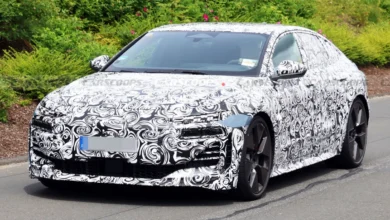
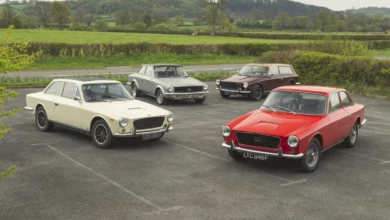
Alpine’s Future Four-Seat Electric Sports Car Will Forge Its Own Identity Away From Retro Design Roots

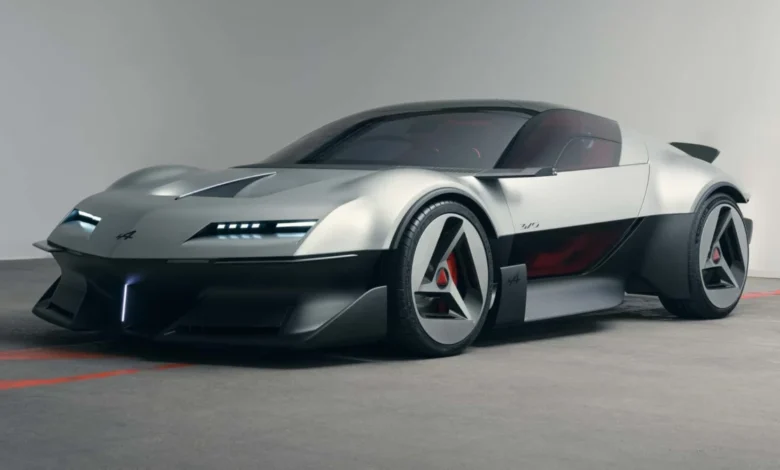
The strategic direction for the next chapter of Alpine’s automotive evolution has been firmly established by CEO Philippe Krief, marking a departure from the nostalgic design cues that have defined the brand’s recent resurgence. While internal debates within the design studios of the Dieppe-based manufacturer previously weighed the merits of a neo-retro approach—specifically regarding a potential revival of the iconic wedge-shaped A310—the company has officially opted for a clean-sheet design philosophy. The forthcoming 2+2 electric sports car, a critical pillar in Alpine’s plan to expand its portfolio beyond the compact A110, will prioritize a contemporary aesthetic over the heritage-focused visuals seen in recent concept studies.
A Strategic Pivot Toward Modernism
For months, Alpine designers and product planners engaged in a high-stakes internal tug-of-war. One camp advocated for leveraging the historical equity of the A310, a vehicle produced between 1971 and 1984 that is revered by French automotive enthusiasts for its sharp, avant-garde geometry. This group pointed to the success of the A310 Vision concept, which drew significant attention at the Paris Motor Show as a testament to the versatility of Alpine’s modular architecture.
However, the opposing faction argued that the brand’s long-term viability requires a forward-looking stance rather than a reliance on historical crutches. Krief, having evaluated the global market appetite for the brand, ultimately sided with the modernists. He noted that while the A110 possesses a universally recognized, timeless silhouette that serves as a cornerstone of the brand’s identity, the A310 carries a more localized appeal. By avoiding a direct visual link to the A310, Alpine aims to position its new 2+2 as a competitor in the international performance EV market, appealing to a broader demographic that prioritizes technical sophistication over historical continuity.
The Foundation: The Alpine Performance Platform (APP)
The backbone of this upcoming model, and indeed the entire next generation of the brand’s sports car lineup, is the Alpine Performance Platform (APP). This modular architecture is engineered to provide the necessary flexibility to support diverse vehicle silhouettes, varying wheelbase lengths, and advanced electric powertrains.
The APP is designed to address the unique challenges of electric sports car development, specifically the need to balance battery density with the low-slung, agile driving dynamics that have made the A110 a benchmark in the segment. By utilizing a single, highly scalable platform, Alpine expects to achieve economies of scale that are crucial for a low-volume manufacturer. The next-generation A110 is slated to be the first production vehicle to utilize this hardware, with an anticipated launch window around 2027. The 2+2 model is expected to follow shortly thereafter, though a specific production timeline remains subject to the refinement of Alpine’s broader market expansion strategy.
Chronology of the Development Cycle
The path toward the 2+2 has been marked by a series of experimental design studies and public teasers.
- Mid-2023: Alpine announces its commitment to an all-electric future, setting the stage for the diversification of its product line.
- Late 2023: Early internal design proposals for a 2+2 model begin to surface, featuring heavy aesthetic references to the classic 1970s wedge-shaped sports cars.
- October 2024: The A310 Vision concept makes its debut at the Paris Motor Show. While it receives critical acclaim, it is officially classified as an independent design study to showcase the capability of the APP.
- Early 2025: Philippe Krief confirms that the production 2+2 will not adopt the retro-styling of the A310, effectively ending the debate over the brand’s visual direction.
- 2027 (Projected): Expected arrival of the first APP-based vehicles in showrooms, marking the start of Alpine’s full-electric era.
The Economics of Niche Design
One of the most revealing aspects of Krief’s recent commentary concerns the financial realities of niche automotive production. During discussions regarding the potential for a low-volume, A310-inspired production run, Krief was candid about the business case for such projects. He noted that, with the notable exception of Ferrari, the pursuit of limited-edition, retro-themed vehicles is rarely a path to significant profitability for boutique manufacturers.
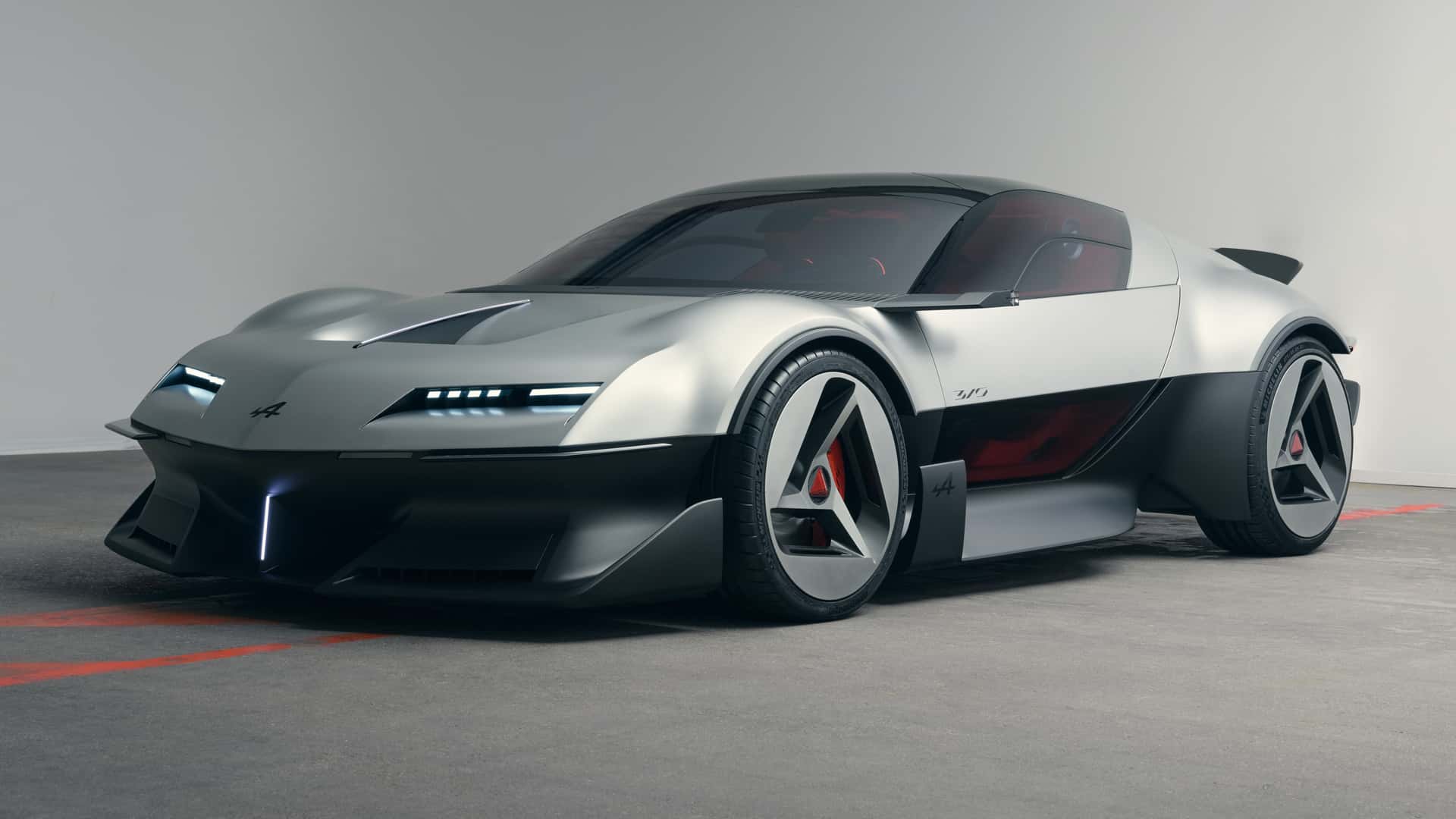
Instead, these projects function primarily as brand-building exercises. Krief compared a potential small-batch A310 to the A110 R Ultime, which serves as a swan song for the current generation. These vehicles are intended to satisfy the demands of the most ardent collectors and to maintain the brand’s prestige, but they are not the engines of corporate growth. By focusing the main production 2+2 on a new, "very modern" design language, Alpine is effectively prioritizing volume-driven growth and global brand awareness over the safe, albeit limited, appeal of heritage-driven aesthetics.
Market Implications and Future Outlook
The decision to move away from the A310’s legacy in favor of a "clean-sheet" approach signals a broader shift in how legacy manufacturers manage their identity in the transition to electrification. For a brand like Alpine, which has long relied on the "timeless beauty" of its heritage to maintain its status, this is a calculated risk.
By choosing to look ahead, Alpine is attempting to define what a modern, electric sports car looks like without the baggage of internal combustion history. The implications are clear: the company is preparing for a market where consumers value the technological capability of the APP—such as range, charging speed, and software integration—more than they value a design that mimics the past.
However, the absence of a retro-inspired production car does not mean the A310 Vision has been entirely discarded. Krief has not ruled out the possibility of a very small, exclusive series production in the future, provided that market demand and the health of the dealer network allow for such a luxury. The timing of such a project is intrinsically linked to the successful launch of the core lineup. If the new, modern 2+2 and the next-generation A110 achieve the desired penetration in international markets, the fiscal breathing room created could allow Alpine the freedom to explore the "niche" retro designs that were previously sidelined.
Summary of Strategic Directives
As Alpine transitions into its next phase, the focus remains on the synthesis of performance and efficiency. The APP architecture represents the most significant investment in the company’s history, and its success is paramount to the brand’s survival as an independent entity within the Renault Group.
The abandonment of the A310-style aesthetic for the main 2+2 lineup demonstrates a pragmatic, bottom-line-oriented leadership style. Krief’s objective is to ensure that Alpine is not seen as a museum piece, but as a modern performance brand capable of competing with the best electric sports cars the world has to offer. By eschewing the "French guys and connoisseurs" focus in favor of a global, modern identity, Alpine is betting that its future, rather than its past, will be the catalyst for long-term success.
The final design of the 2+2 remains shrouded in secrecy, but the mandate is clear: the car will be a testament to what is possible with modern engineering, unencumbered by the stylistic limitations of the 1970s. As the automotive industry continues to pivot toward electrification, Alpine’s move to establish a distinct, modern visual language may prove to be the deciding factor in its ability to navigate the shifting currents of the global performance car market.