The Evolution of Airport Style: How Viral Trompe L’œil Denim Is Redefining Long-Haul Travel Comfort

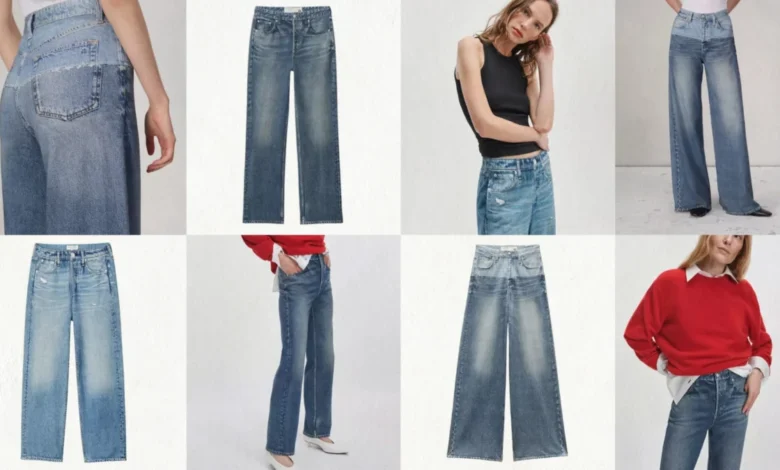
The eternal compromise between fashion and comfort has long plagued frequent flyers. For decades, navigating international airports and enduring transcontinental flights meant choosing between the restrictive structure of traditional denim and the unpolished appearance of athletic loungewear. However, a significant shift in travel apparel has emerged, driven by consumer demand for garments that seamlessly transition from the confines of an economy cabin to high-end hospitality environments. At the forefront of this sartorial evolution is a category of apparel known as trompe l’œil denim—specifically, engineered sweatpant jeans that mimic the visual aesthetic of woven denim while retaining the tactile softness of knit loungewear.
Market reception and viral digital trends have catapulted luxury iterations of these hybrid garments into global travel wardrobes. As air travel volume continues to rebound toward historic highs, the industry is witnessing a distinct pivot in travel uniform standards. Passengers are increasingly prioritizing ergonomic functionality without forfeiting aesthetic polish, prompting heritage fashion houses and contemporary brands alike to engineer specialized apparel tailored explicitly to the modern commuter.
The Genesis of the Hybrid Travel Pant
The conceptual framework behind the sweatpant jean centers on optical illusion combined with textile innovation. Traditional denim relies on rigid cotton twill weaves that restrict circulation and cause discomfort during prolonged periods of immobility, such as a 10-hour transatlantic flight. Conversely, standard cotton fleece sweatpants provide the necessary stretch and thermal comfort for rest, yet frequently fail to meet the dress codes of premium airport lounges or upscale urban destinations upon arrival.
Industry manufacturers resolved this dichotomy by utilizing high-definition digital printing techniques on 100% cotton French terry or jersey substrates. The resulting fabric replicates the authentic fading, grain, and structural shadows of lived-in denim while maintaining a lightweight, flexible drape. Early iterations popularized by contemporary labels such as Rag & Bone have demonstrated that consumers are willing to invest significantly in garments that bridge this functional gap. Market data indicates that demand for premium hybrid travel wear has surged over the past thirty-six months, correlating directly with the resumption of global tourism following pandemic-era travel restrictions.
Chronology of a Travel Wardrobe Transformation
The adoption cycle of these specialized travel garments follows a well-documented trajectory among frequent business and leisure flyers.
Initial discovery typically occurs in transit hubs or international transit corridors, where passengers observe peers maintaining a tailored appearance despite arduous itineraries. Word-of-mouth recommendations, amplified by digital lifestyle platforms and short-form video content, serve as primary catalysts for brand awareness.

Upon acquiring the garments—such as the widely discussed rb Miramar line featuring styles like the Shea relaxed straight leg and the Sofie wide-leg—consumers subject them to rigorous real-world testing. Initial evaluations focus on critical performance metrics: wrinkle resistance after extended periods of seated pressure, elasticity retention at the waistband and knees, and thermal regulation in fluctuating cabin temperatures. Subsequent phases of adoption involve integrating these pieces into capsule wardrobes for multi-destination trips, where minimizing luggage weight and maximizing outfit versatility are paramount.
Anatomy of the Garment: Specifications and Variances
A granular examination of contemporary hybrid travel pants reveals distinct engineering choices designed to balance realism with ease of wear. Premium models frequently incorporate functional hardware—including genuine metal buttons, functional zippers, and deep slash pockets—to reinforce the illusion of traditional five-pocket denim. However, comfort-driven variations often substitute these elements with elasticized waistbands and printed faux-fly details to eliminate pressure points against the abdomen during long-haul flights.
Retail offerings generally span several distinct silhouettes, catering to diverse styling preferences and body types:
-
Relaxed Straight-Leg Styles: Engineered to provide a balanced silhouette that pairs easily with structured outerwear or casual footwear, these models closely resemble traditional denim cuts. They frequently feature authentic pocket construction and standard button closures, making them suitable for business-casual environments.
-
Wide-Leg Variants: Characterized by a more voluminous drape, these styles offer enhanced airflow and freedom of movement. Some iterations incorporate two-tone paneling or architectural seams, adding a contemporary fashion-forward element to travel wardrobes. However, these designs often present sizing challenges, requiring careful consideration of inseam measurements and footwear pairing.
-
Pull-On Ankle Silhouettes: Designed primarily with elastic waistbands and minimalist detailing, these versions prioritize uncompromised relaxation. While they offer the highest degree of comfort, their construction relies more heavily on printed visuals rather than structural tailoring, making them visually distinct from heavy-weight denim.
Logistical Challenges and Sizing Considerations
Despite widespread acclaim for their versatility, consumer feedback highlights notable logistical challenges associated with engineered denim pants. Sizing consistency remains a primary hurdle for buyers navigating online retail platforms. Because these garments are engineered to stretch and conform to the body, many styles run exceptionally generous in both waist circumference and total length.

Industry data and consumer reports indicate that standard and regular inseams frequently require professional tailoring, particularly for individuals below average height. While brands often produce specialized ankle-length cuts to accommodate shorter statures, inventory availability for these specific dimensions is frequently limited compared to standard production runs. Consequently, prospective buyers must carefully evaluate fabric composition, weight distribution, and garment specifications before committing to purchase.
Economic Implications and the Rise of Functional Luxury
The commercial success of hybrid travel apparel underscores a broader economic shift within the luxury and contemporary fashion sectors. Consumers are increasingly evaluating apparel through the lens of utility and cost-per-wear rather than purely aesthetic novelty. The willingness to allocate premium pricing—often ranging from $190 to $270 for designer-tier hybrid pants—reflects a consumer base that views comfort as an essential component of personal wellness during transit.
Retail analysts note that this trend aligns with the broader "athleisure" and "quiet luxury" movements, both of which emphasize understated elegance, high-quality tactile materials, and versatile design. As airlines continue to densify cabin configurations and security protocols at major international airports remain rigorous, the demand for garments that mitigate the physical toll of travel is projected to accelerate.
Outlook for the Travel Apparel Sector
The intersection of textile technology and functional fashion has permanently altered how frequent flyers curate their wardrobes. By successfully eliminating the friction between looking polished and feeling comfortable, engineered denim and similar hybrid garments have established a new baseline for transit attire.
As material science advances, future iterations of travel-specific apparel are expected to incorporate moisture-wicking properties, enhanced anti-wrinkle treatments, and sustainable organic fibers. For the modern traveler navigating complex global itineraries, the evolution from restrictive denim to soft, high-performance alternatives represents a permanent departure from outdated sartorial norms, prioritizing human comfort at 35,000 feet without sacrificing the visual standards of global mobility.