Navigating the Wild Frontier: A Comprehensive Guide to Wildlife Observation on the Alaska Cruise Circuit

Alaska encompasses approximately 586,000 square miles of territory, a vast expanse of wilderness that includes more than a dozen national parks and preserves, yet it remains one of the most sparsely populated regions in the United States with fewer than 750,000 permanent residents. This immense ratio of land to human population ensures that much of the state remains an undisturbed habitat for diverse wildlife species. For travelers, the traditional assumption has been that intimate encounters with Alaska’s fauna require the high price point of small expedition cruises, which often exceed $15,000 per person. However, recent seasonal data and field reports from the May 2026 cruise season opening suggest that standard large-scale cruise ships offer comparable opportunities for wildlife observation at a significantly lower cost, provided passengers are equipped with the correct tools and timing.
The Alaskan cruise industry is a vital component of the state’s economy, with the 2026 season signaling a robust return to maritime tourism. While many travelers focus on the luxury amenities of modern vessels, the primary draw remains the "Great Land’s" biological diversity. Observation patterns vary significantly depending on the month of travel. Reports comparing the late-season conditions of September 2022 with the early-season opening of May 2026 highlight a distinct shift in visible species. While autumn travelers frequently report sightings of thousands of sea otters and bald eagles, the spring season offers a different census, characterized by high concentrations of orcas, humpback whales, and the migratory arrival of Rufous hummingbirds. Experts emphasize that the use of high-quality optics, such as specialized travel binoculars, is essential for bridging the distance between the ship’s deck and the shoreline habitats.
Marine Apex Predators at Icy Strait Point
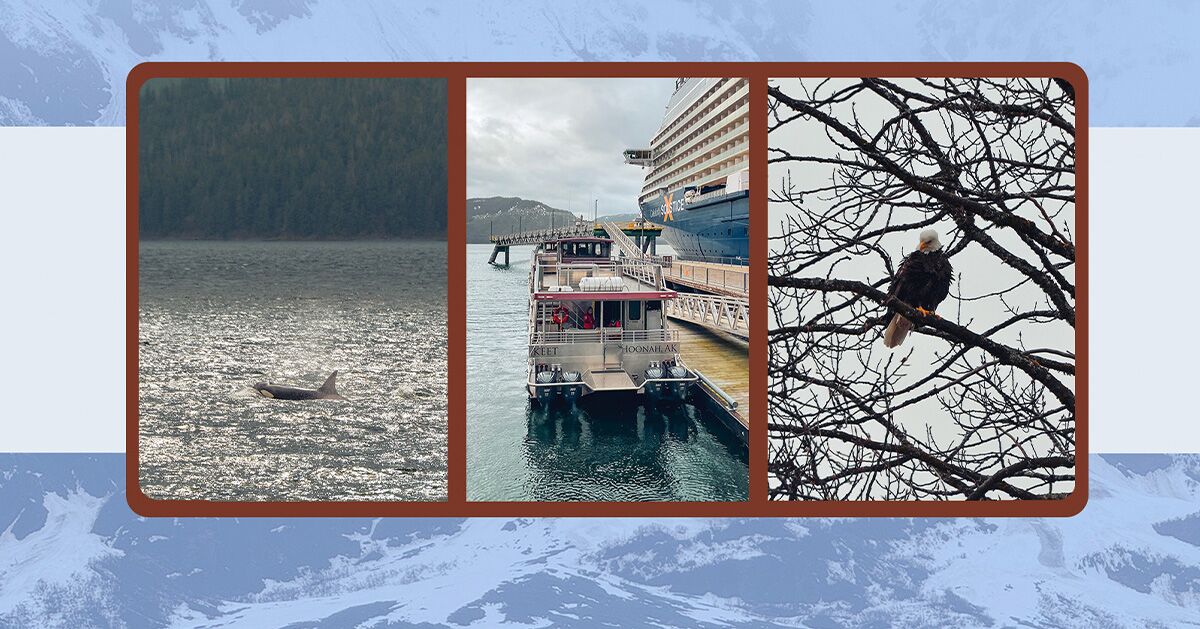
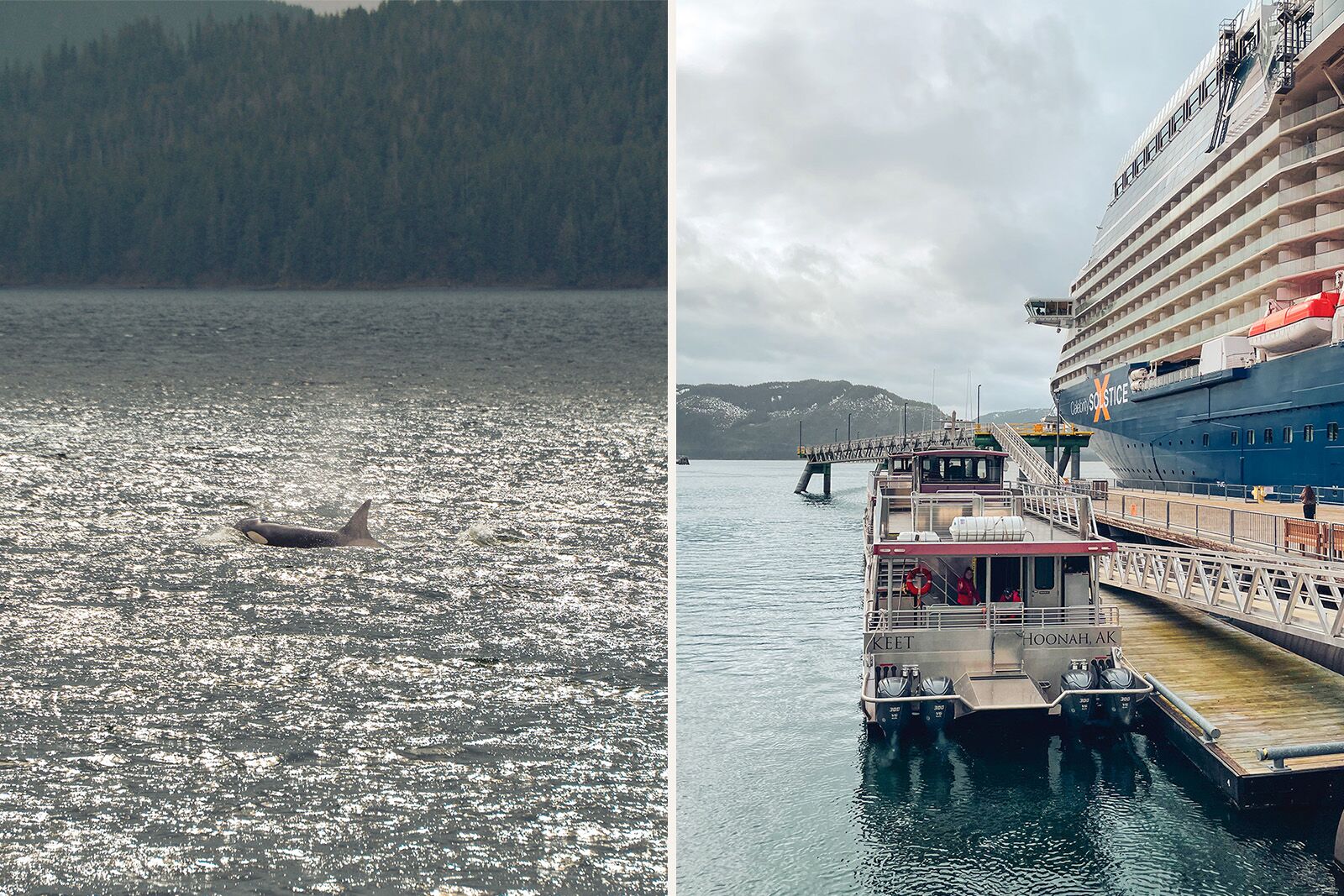
Icy Strait Point, located near the village of Hoonah, serves as a premier destination for marine mammal observation. Uniquely owned and operated by the Huna Totem Corporation, the site represents a successful model of Indigenous-led tourism. The area sits adjacent to Port Frederick Fjord, known in the Tlingit language as Komtok Hon. This waterway is a critical corridor for various marine species, most notably the Orcinus orca, referred to as "Keet" in the Tlingit tongue.
During the May 2026 season opening, naturalists documented the presence of transient orca pods within the fjord. Unlike resident pods that primarily consume fish, transient orcas—also known as Bigg’s killer whales—are known for hunting marine mammals. Observations in early May identified a specific pod consisting of an adult male, an adult female, and a juvenile. Biological identification of these animals relies heavily on the dorsal fin; adult males possess a tall, triangular fin that can reach heights of six feet, whereas females and juveniles feature smaller, curved fins. Despite their common name, orcas are the largest members of the Delphinidae (dolphin) family, a fact often highlighted by onboard naturalists to educate the public on cetacean taxonomy.
Glaciology and Pinniped Habitats at Hubbard Glacier
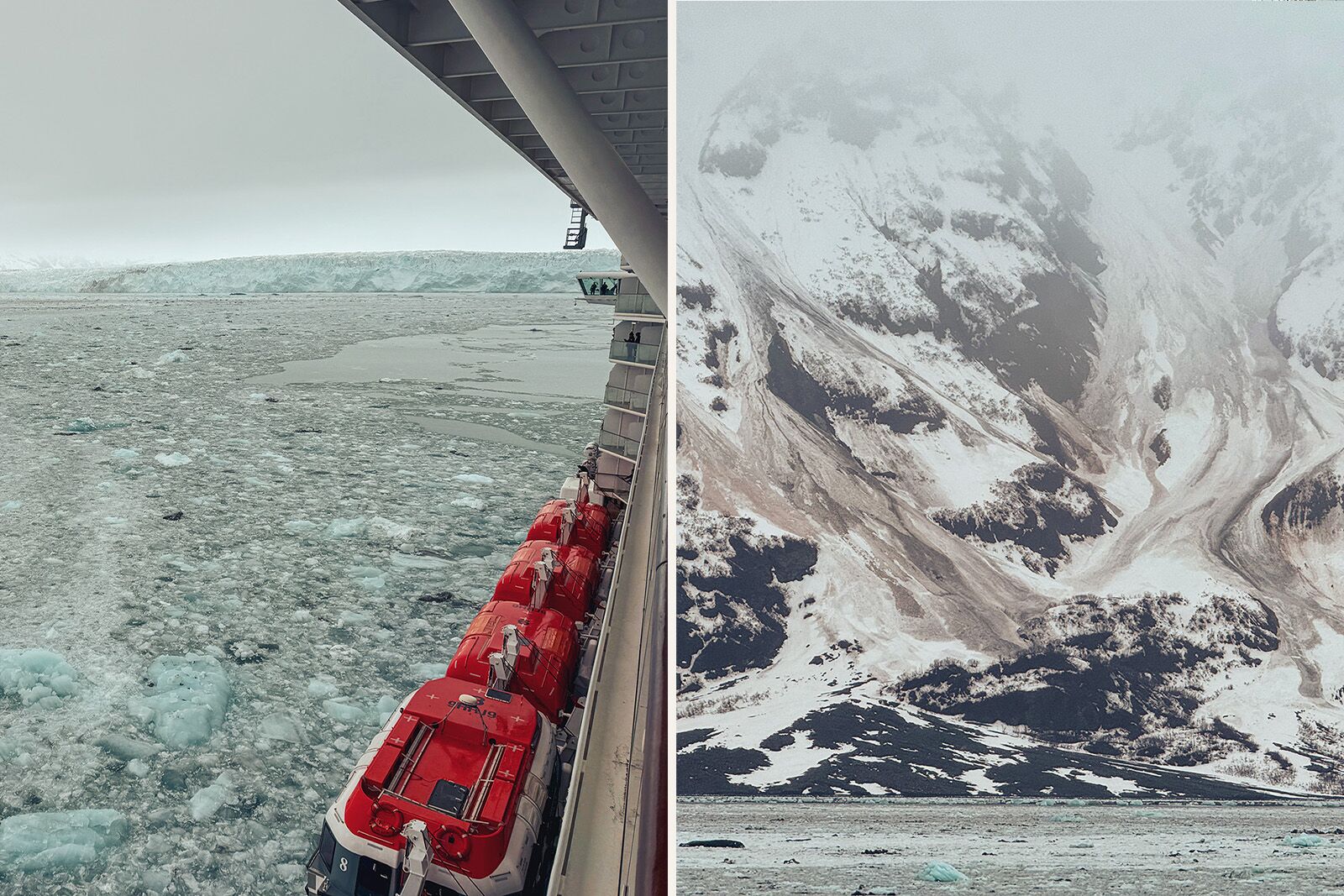
The transit to Hubbard Glacier involves navigating Yakutat Bay, a region characterized by volatile weather patterns including heavy precipitation and dense fog. Hubbard Glacier is situated within the Wrangell-St. Elias National Park and Preserve, the largest national park in the United States, covering 13.2 million acres. As North America’s largest tidewater glacier, Hubbard remains a primary focal point for cruise itineraries due to its active calving process, where massive blocks of ice break off into the sea—a phenomenon colloquially known as "white thunder."
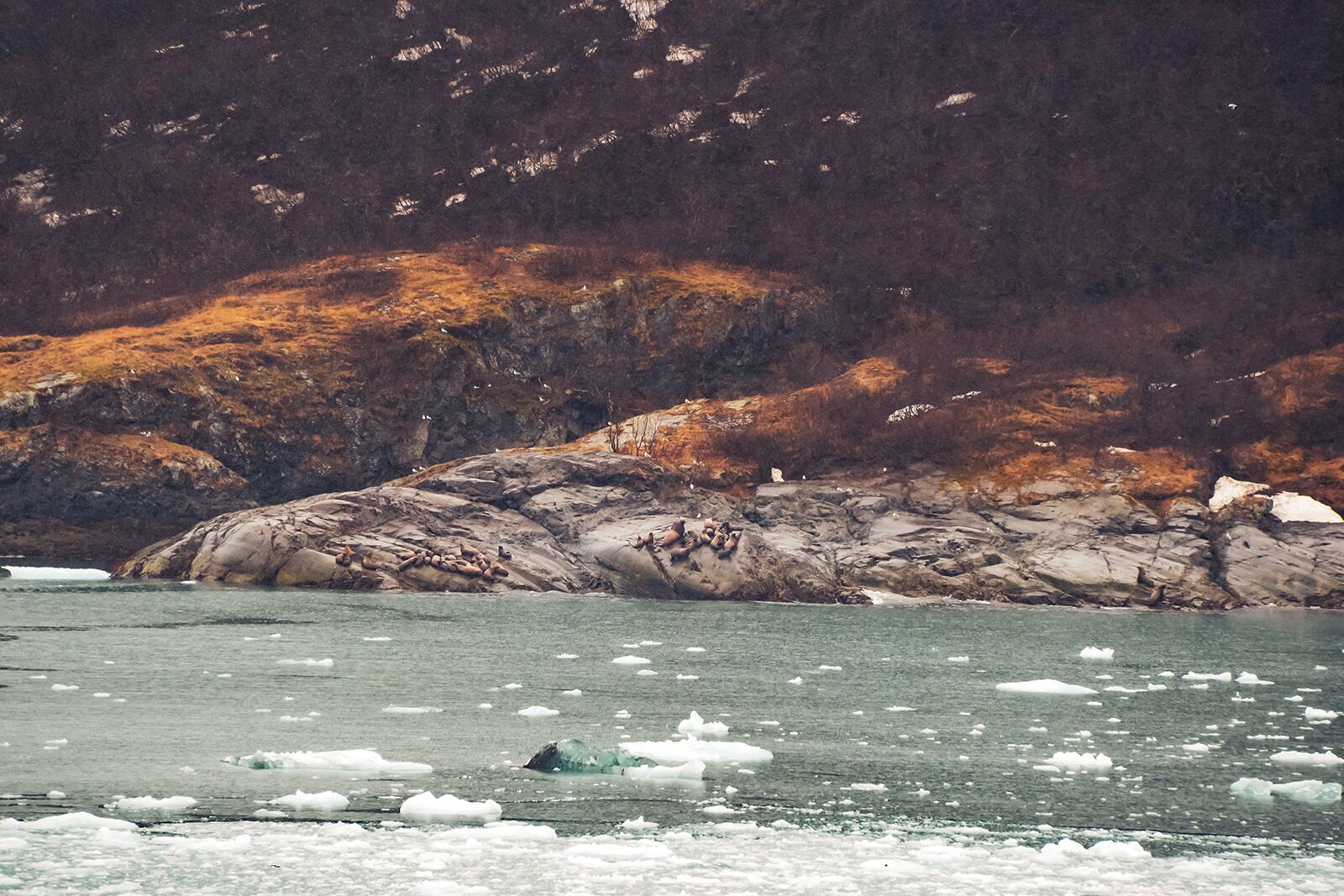
The environment surrounding the glacier serves as a vital habitat for several species. The ice floes provide resting platforms for harbor seals and sea otters. More notably, the rocky peninsulas near the glacier are frequented by Steller sea lions (Eumetopias jubatus). These pinnipeds exhibit significant sexual dimorphism, with males growing up to three times the size of females and weighing up to 2,500 pounds.
The conservation status of Steller sea lions is a point of concern for regional biologists. The species is divided into two distinct stocks: the Western stock, which is currently listed as endangered under the Endangered Species Act (ESA) and the IUCN Red List, and the Eastern stock, which has seen more stability but remains categorized as near threatened. The presence of these colonies near Hubbard Glacier offers a rare opportunity for passengers to observe the social structures of these massive marine mammals from a distance that complies with the Marine Mammal Protection Act.
Avian Populations and Cultural Significance in Ketchikan
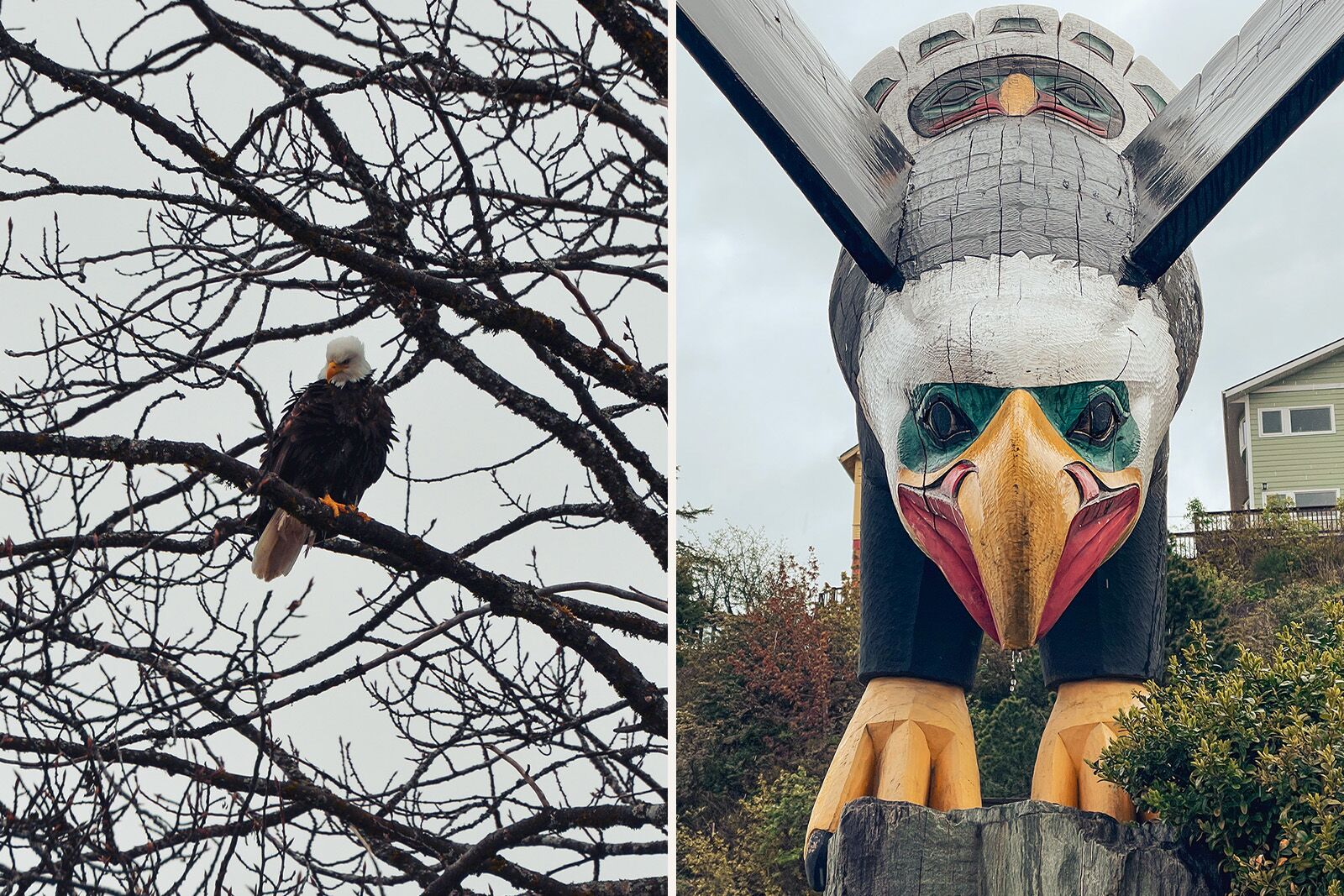
Ketchikan, often referred to as the "Salmon Capital of the World," serves as a critical node for observing Alaska’s avian population, particularly the bald eagle (Haliaeetus leucocephalus). Alaska is home to an estimated 70,000 bald eagles, the highest concentration in the United States. The birds are heavily influenced by the salmon run, which typically occurs from May through September. During this period, eagles congregate along the coastlines and riverbanks to feed on the migrating fish.
The bald eagle holds profound cultural importance for the Tlingit, Haida, and Tsimshian peoples of Southeast Alaska. At the Totem Heritage Center in Ketchikan, visitors can observe 19th-century totem poles retrieved from deserted village sites. These carvings frequently feature the eagle, representing one of the two primary moieties in Tlingit social structure. Beyond their symbolic value, the biological reality of these birds is equally impressive; their nests, often used year after year, can measure up to eight feet in diameter and weigh over a ton, making them the largest arboreal nests of any bird species in North America.
In addition to the charismatic megafauna, the temperate rainforests surrounding Ketchikan support smaller, highly active species. The red squirrel (Tamiasciurus hudsonicus) is a ubiquitous presence in the spruce and hemlock forests. These rodents play a crucial role in forest regeneration by caching seeds. Observational data from the 2026 season noted high activity levels as the squirrels processed pine cones on "middens"—large piles of cone scales that accumulate over years of feeding in the same location.
The Great Migration: Humpback Whales and Coastal Bears
The return to the Alaskan coast in late spring coincides with one of the most spectacular migrations in the animal kingdom. Humpback whales (Megaptera novaeangliae) travel over 3,000 miles from their winter breeding grounds in Hawaii, Mexico, and Japan to the nutrient-rich waters of the Inside Passage. The Inside Passage is a complex network of fjords and islands that provides a sheltered route for ships and a bountiful feeding ground for whales.
Humpback sightings are frequent during the May-to-September window. These whales are easily identified by their "blow"—a plume of atomized water and air expelled from the blowhole—and their distinctive tail flukes, which are raised above the water before a deep dive. The 2026 season opening saw hundreds of humpbacks entering the feeding grounds, where they utilize specialized techniques such as bubble-net feeding to corral schools of herring.
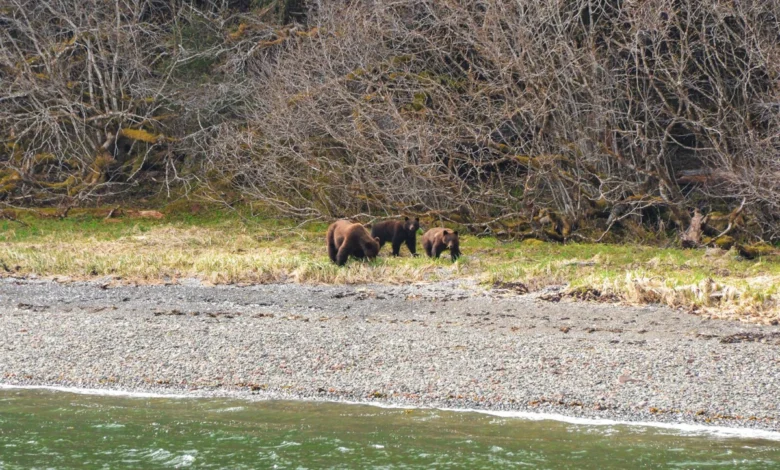
On the terrestrial side, the shoreline of Icy Strait Point serves as a foraging ground for coastal brown bears (Ursus arctos horribilis). In early spring, these bears, including sows with cubs, are often seen grazing on beach sedges and searching for protein-rich intertidal prey like clams and crabs. While genetically similar to interior grizzlies, coastal brown bears tend to be larger due to their consistent access to marine-derived proteins, particularly salmon. Wildlife management protocols for cruise-affiliated tours mandate that vessels maintain a respectful distance to prevent disturbing the bears’ natural foraging behaviors during the critical post-hibernation period.
Analysis of Implications and Environmental Outlook
The observation of such a wide array of species from standard cruise vessels carries significant implications for the future of Alaskan tourism. First, it democratizes access to Arctic wildlife, proving that high-end expedition vessels are not a prerequisite for meaningful ecological encounters. However, this increased access necessitates stringent adherence to environmental regulations to ensure that the influx of tourists does not negatively impact the very wildlife they come to see.
The 2026 season highlights the resilience of Alaskan ecosystems but also underscores their sensitivity to seasonal changes. The appearance of Rufous hummingbirds as far north as Hubbard Glacier serves as a reminder of the interconnectedness of global habitats; these birds, weighing less than a nickel, migrate thousands of miles from Central America to breed in the Alaskan spring.
As the cruising industry continues to evolve, the emphasis is shifting toward "citizen science" and educational tourism. Onboard naturalists are increasingly vital, providing the context necessary to turn a simple sighting into a data point for conservation. The continued success of the Alaskan cruise season depends on this balance: maintaining the economic benefits of tourism while preserving the pristine conditions that allow orcas, eagles, and bears to thrive in one of the world’s last great wildernesses. For the traveler, the takeaway from the May 2026 season is clear: with the right timing and a keen eye, the majesty of Alaska is accessible from the deck of any ship navigating its icy waters.
Related posts: