Daytona Beach Experiences Strategic Shift Toward Luxury Tourism and Diversified Recreational Offerings

Daytona Beach, historically recognized for its high-octane racing heritage and expansive shorelines, is currently undergoing a significant transformation aimed at diversifying its appeal to a broader demographic of travelers. Known colloquially as The World’s Most Famous Beach, the destination is leveraging its natural assets—23 miles of hard-packed white sand—alongside modern infrastructure upgrades to transition from a seasonal spring break and racing hub into a year-round destination for luxury, wellness, and eco-tourism. This evolution is marked by a sophisticated blend of high-end concierge services, professional-grade athletic facilities, and a culinary scene that increasingly emphasizes the region’s proximity to the Atlantic Ocean and the Halifax River.
The Evolution of the Shoreline Experience
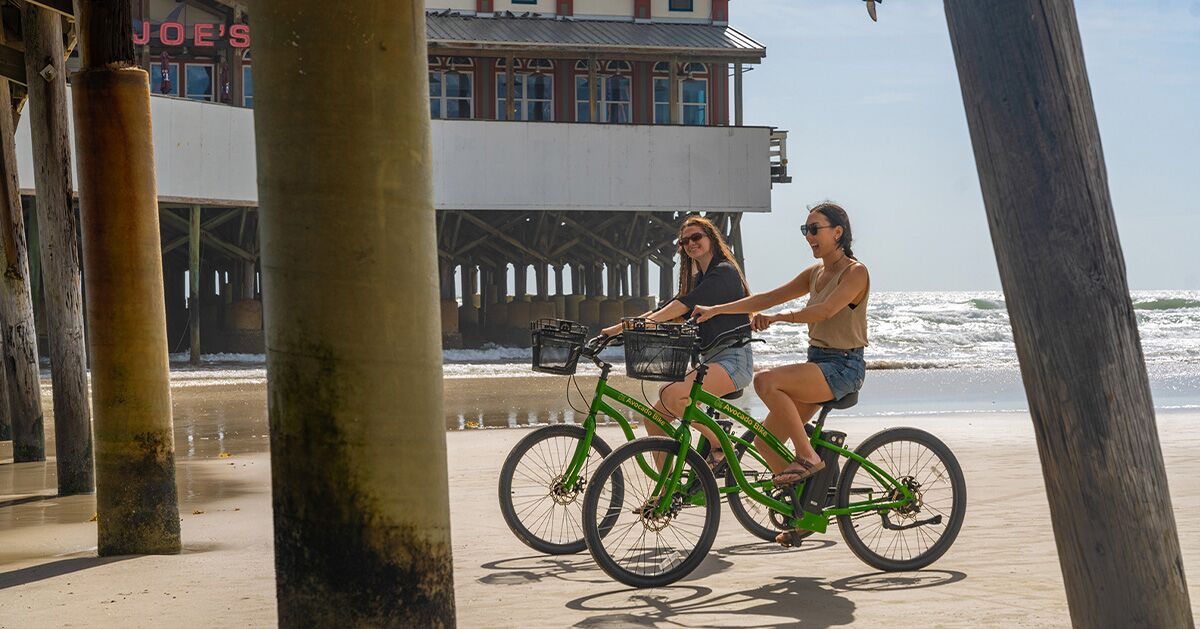
The traditional beach experience in Volusia County is being redefined by a growing sector of hospitality outfitters focused on "elevated" shore life. While the public access to the beach remains a hallmark of the area, private enterprises such as Barefoot Philosophy have introduced a VIP model to the sand. These services provide comprehensive packages that include cabanas, ergonomic beach furniture, and curated amenities like high-end audio equipment and customized coolers.
This shift toward "glamping" on the sand reflects a broader trend in the Florida tourism industry where travelers are willing to pay a premium for convenience and exclusivity. As the sun sets, these services extend into the evening with the provision of sectional couches and managed beach bonfires, lit by tiki torches. This move toward managed beach experiences is a strategic response to the increasing demand for "Instagrammable" and low-effort outdoor recreation.
Marine Recreation and Ecological Connectivity
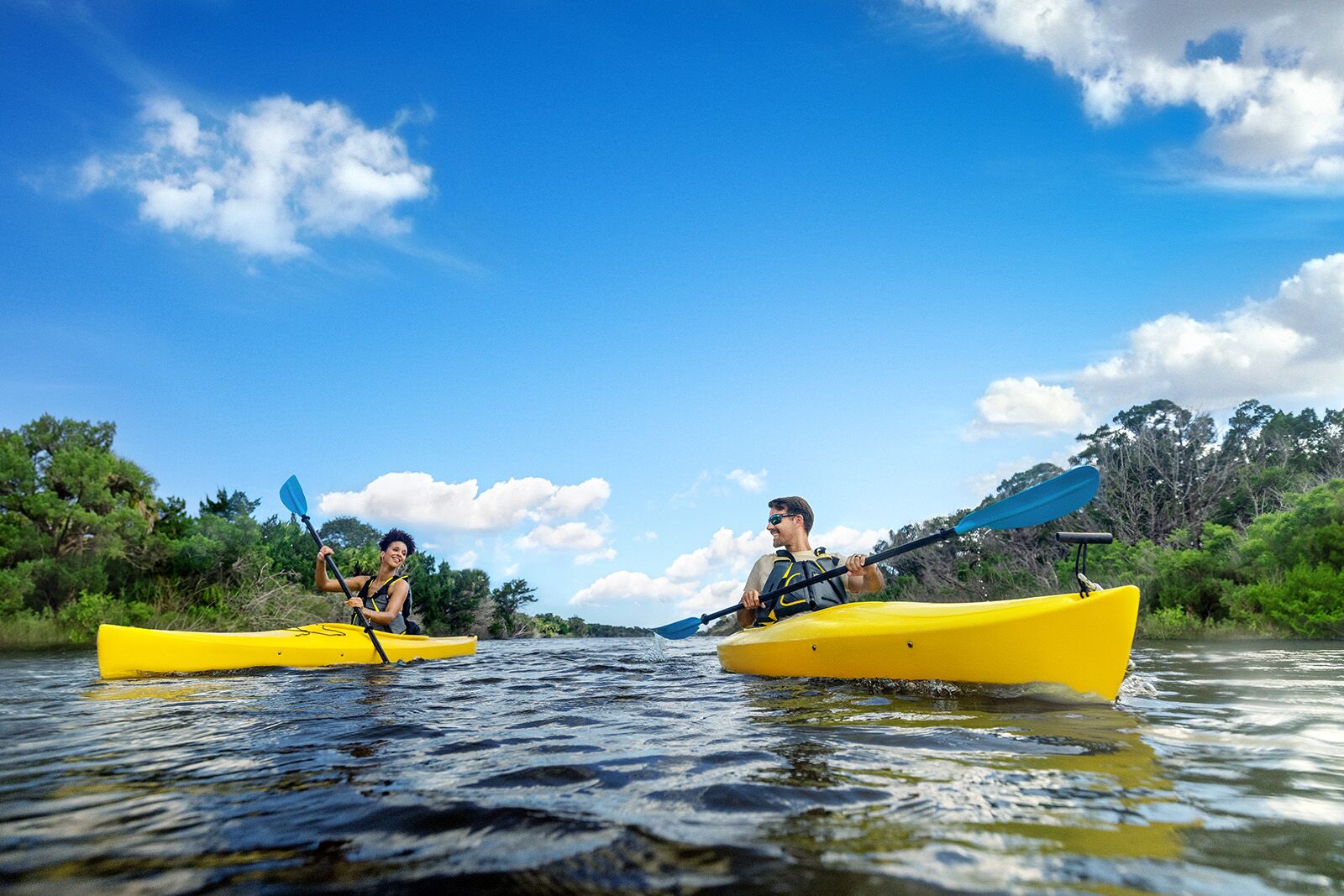
Beyond the Atlantic surf, Daytona Beach’s internal waterways, particularly the Halifax River and the Ponce Inlet, have become focal points for eco-tourism. Guided boat tours are now a staple of the local economy, providing visitors with high-probability sightings of Atlantic bottlenose dolphins and West Indian manatees. These tours often emphasize the delicate balance of the Florida ecosystem, educating tourists on the importance of the Intracoastal Waterway.
Innovation in water sports has also seen a rise in nocturnal activities. Operators like Pirate Bay Paddle have introduced Night Time Glow Tours, utilizing LED-equipped stand-up paddleboards to illuminate the water from beneath. This allows for a unique view of the marine life and seafloor that is invisible during daylight hours. For those seeking a panoramic perspective, parasailing operations out of Ponce Inlet offer views of the Ponce de Leon Inlet Lighthouse. Standing at 175 feet, it remains Florida’s tallest lighthouse and a National Historic Landmark, serving as a geographic anchor for the region’s maritime history.

The Enduring Legacy of the Daytona International Speedway
While the city diversifies, the Daytona International Speedway remains the cornerstone of its international identity. Founded by Bill France Sr. in the 1950s, the speedway replaced the original beach racing circuits and solidified Daytona’s role in the birth of NASCAR. Today, the facility operates as a multi-use entertainment complex.
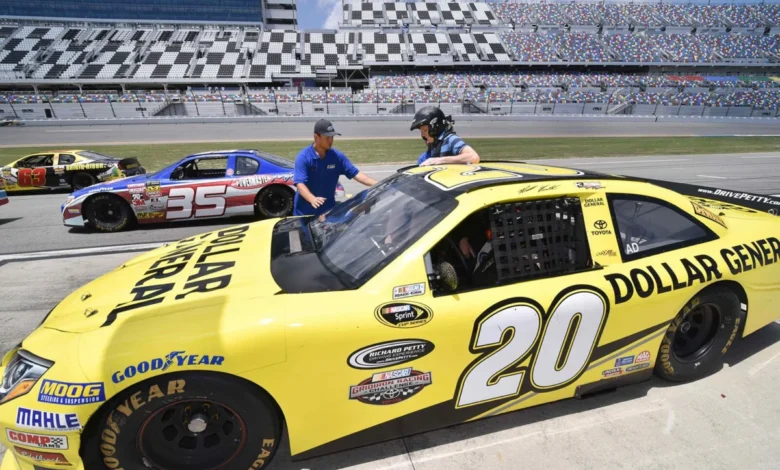
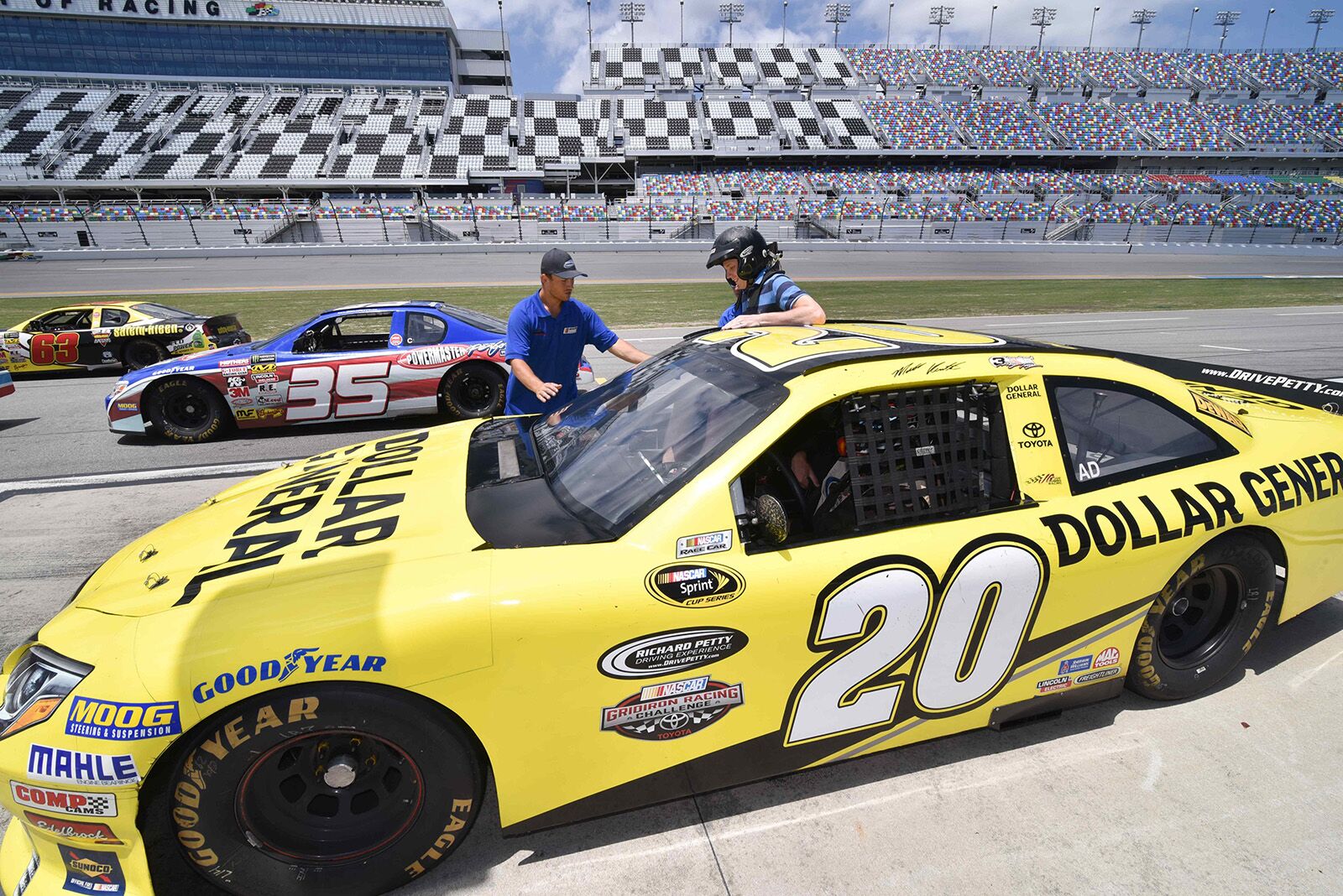
The Speedway offers daily guided tours that grant access to the tri-oval track, the infield, and the grandstands, which underwent a $400 million "Daytona Rising" redevelopment project recently to modernize the fan experience. For enthusiasts seeking more than a spectator role, the NASCAR Racing Experience provides ride-alongs and driving programs. The most intensive of these, the Advanced Experience, allows participants to drive 40 laps behind a lead car, simulating professional racing conditions. This segment of tourism continues to provide a massive economic impact, particularly during the Daytona 500 and the Coke Zero Sugar 400.
Growth in Sports Tourism: Golf, Pickleball, and Wellness
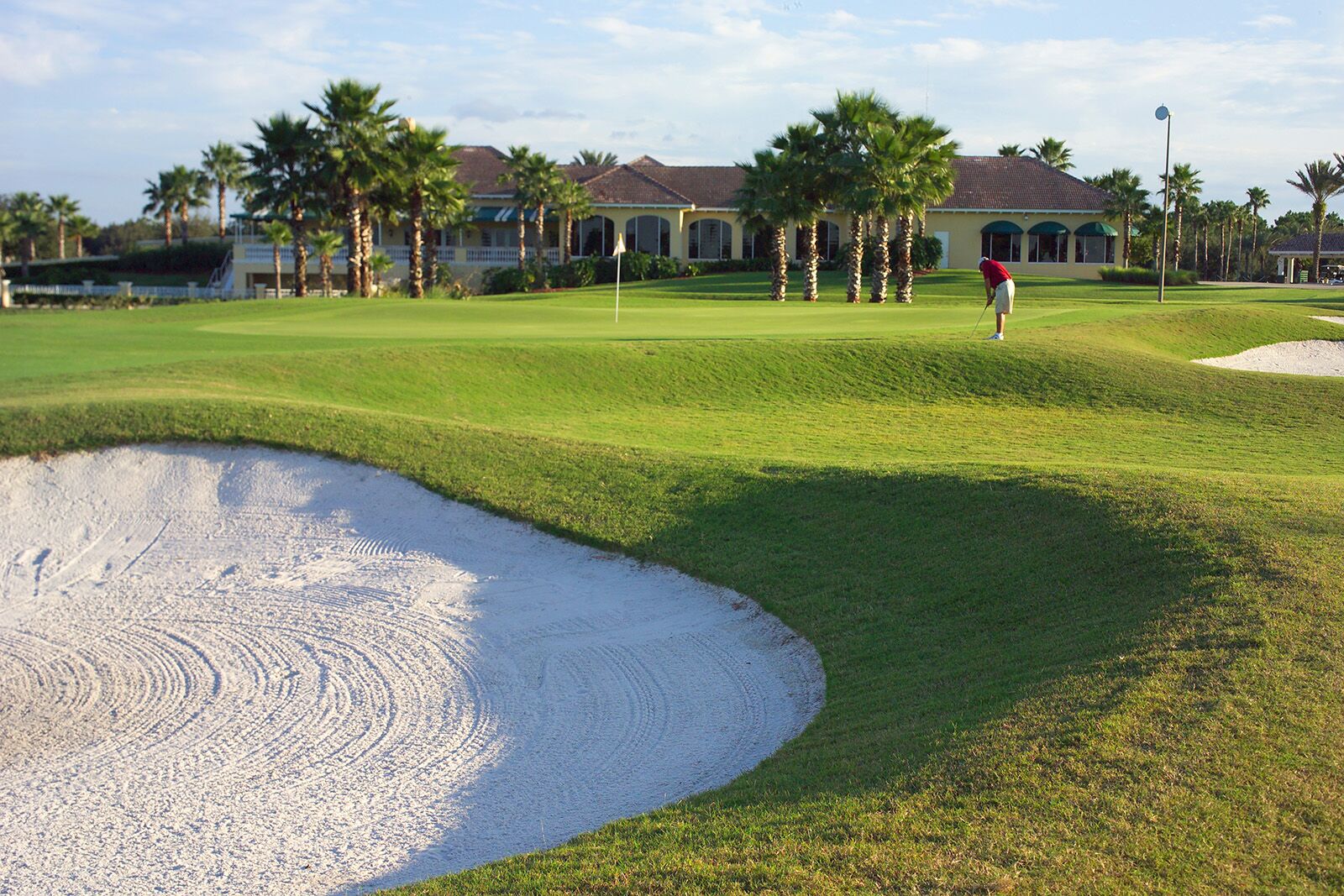
Daytona Beach is increasingly positioning itself as a premier destination for sports tourism outside of the automotive realm. A primary driver of this is the LPGA International, which features two 18-hole championship courses. Designed by acclaimed architects Arthur Hills and Rees Jones, these courses cater to different skill levels while maintaining a professional standard that has hosted numerous qualifying schools for the LPGA Tour.
Simultaneously, the city has capitalized on the national surge in pickleball popularity. Numerous complexes have been established from Daytona Beach Shores to Holly Hill, making the region a hub for both casual play and competitive tournaments. Complementing these high-energy sports is a burgeoning wellness sector. Sunrise yoga sessions on the beach have become a standardized offering at many oceanfront resorts, reflecting a shift in visitor preferences toward health-conscious itineraries.
Urban Revitalization and the Riverfront Promenade
A significant portion of the city’s recent investment has focused on the Riverfront Shops of Daytona Beach. This pedestrian-friendly zone along the Halifax River serves as a bridge between the city’s historical roots and its modern commercial aspirations. The area features a waterfront trail through botanical gardens and includes more than 60 independent shops and restaurants.
Cultural and culinary anchors in this district include the Angell & Phelps Chocolate Factory, a local institution since 1925, and Madeline’s Wine Bar, which caters to a more sophisticated evening crowd. The inclusion of splash pads for children and proximity to local museums suggests a master-planned approach to keeping families in the downtown core for longer durations. This urban density is critical for the local economy, as it encourages foot traffic and reduces reliance on seasonal beach-only tourism.
The Culinary Renaissance and "The Art of Dining"
The gastronomic landscape of Daytona Beach is moving away from purely casual "fry-shack" fare toward a more nuanced culinary identity. This is best exemplified by the "Art of Dining" event held each June. During this restaurant month, local chefs are highlighted through three-course, prix-fixe menus that focus on elevated seafood and global fusion.
Two venues, in particular, represent the dual nature of Daytona’s dining scene:
- Top of Daytona: Located on the 29th floor of an oceanfront tower, it offers a 360-degree view of the Atlantic and the Intracoastal Waterway, focusing on high-end ambiance and visual spectacle.
- The Cellar Restaurant: Situated in the historic district in the former home of President Warren G. Harding, this establishment offers an intimate, fine-dining experience that emphasizes European culinary techniques and historical preservation.
Hospitality Infrastructure and Market Segmentation
The surge in tourism is supported by a diverse and modernizing hotel inventory. Recent data suggests that the "oceanview" room has become the baseline requirement for new developments.
- The Renaissance Daytona Beach Oceanfront Hotel and the Daytona Grande Oceanfront Resort represent the new wave of contemporary luxury, with the latter featuring the city’s only oceanfront infinity pool.
- The Hard Rock Hotel Daytona Beach targets a lifestyle-oriented demographic, integrating music history with beachfront luxury.
- The Delta Hotels by Marriott and the Hilton Daytona Beach Oceanfront Resort provide large-scale capacity for conventions and family vacations, featuring extensive pool decks and private beach access.
These properties are no longer just places to sleep; they are self-contained resorts designed to capture a larger share of the "on-property" spend through craft cocktail bars, high-end spas, and on-site entertainment.
Historical Chronology of Daytona Beach Development
- Early 1900s: The wide, hard-packed sands of Daytona Beach become a testing ground for early automotive speed trials.
- 1925: Angell & Phelps Chocolate Factory opens, beginning the city’s tradition of artisanal local commerce.
- 1947: NASCAR is founded in Daytona Beach at the Streamline Hotel.
- 1959: The Daytona International Speedway opens, moving racing from the sand to a permanent track.
- 1990s-2000s: Expansion of the LPGA International and the growth of golf tourism.
- 2016: Completion of the "Daytona Rising" project, reimagining the speedway as the world’s first "motorsports stadium."
- 2020-Present: A post-pandemic boom in Florida tourism leads to the opening of several luxury resorts and the revitalization of the Riverfront Shops.
Analysis of Economic Implications
The strategic diversification of Daytona Beach’s offerings is a calculated move to mitigate the volatility of the travel market. By investing in golf, wellness, and fine dining, the city reduces its dependence on the "Bike Week" and "Race Week" crowds, which, while lucrative, are highly seasonal.
Inferred statements from regional tourism boards suggest that the goal is to increase the "average daily rate" (ADR) of hotel rooms by attracting a more affluent traveler. The focus on eco-tourism and the Halifax River also positions the city as a sustainable choice for the modern traveler concerned with environmental impact. As competition from other Florida hubs like Miami and Clearwater intensifies, Daytona Beach’s ability to offer both high-speed excitement and high-end relaxation serves as a unique competitive advantage. The continued integration of its historical racing identity with a new luxury-focused future suggests that "The World’s Most Famous Beach" is successfully rebranding for the 21st century.
Related posts: