Commonly Used Sweeteners Directly Interfere with Gut Bacteria Growth, Cambridge Study Reveals

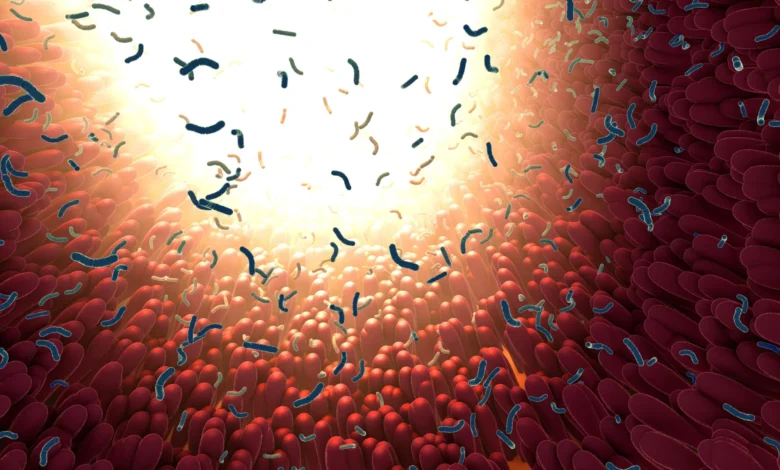
Laboratory research conducted at the University of Cambridge has unveiled a significant finding: commonly used sweeteners can directly interfere with the growth of beneficial bacteria crucial for maintaining a healthy gut microbiome. This discovery challenges the long-held assumption that these sugar substitutes are biologically inert, suggesting a more complex interplay with our internal microbial ecosystems than previously understood. The implications of these findings, particularly when sweeteners are consumed in combination with other substances, could be far-reaching, potentially impacting digestive health, immune function, and metabolic regulation.
Unveiling the Microbial Impact of Sweeteners
The study, published in the esteemed journal Molecular Systems Biology, investigated the effects of 39 commercially available sweeteners, encompassing both natural and artificial varieties, on 25 distinct bacterial species commonly found in the human gut. Researchers meticulously cultivated these bacterial species in laboratory settings, exposing them to various sweeteners to observe their impact on growth rates and viability.
The results were striking: approximately three-quarters of the tested sweeteners demonstrated an ability to affect the growth of at least one bacterial species. More concerningly, several sweeteners were found to significantly reduce or completely inhibit the proliferation of bacteria considered vital for a healthy digestive system. This direct interaction with gut microbes directly contradicts the perception of sweeteners as mere passive compounds that transit the digestive tract without consequence.
Professor Kiran Patil, a senior author of the study and researcher at the Medical Research Council (MRC) Toxicology Unit at the University of Cambridge, emphasized the novelty of this direct approach. "Most of what we know about the potential impact of sweeteners on our health comes from animal research or from population studies," Professor Patil stated. "While these studies have indicated involvement of the microbiome in mediating the effect of sweeteners, it’s difficult to know how sweeteners act in the body – is it through direct interactions with our gut bacteria?" This research aimed to bridge that knowledge gap by directly observing these interactions.
The Complex Landscape of Sweetener Consumption
The ubiquity of sweeteners in modern diets cannot be overstated. They are integral components of an extensive range of products, from carbonated beverages and confectionery to breakfast cereals, snacks, and even certain pharmaceutical formulations designed to mask unpleasant tastes. While often marketed as healthier alternatives to sugar, offering sweetness with reduced caloric or sugar content, a growing body of epidemiological research has begun to draw associations between sweetener consumption and adverse health outcomes, including an increased risk of type 2 diabetes, obesity, and certain cancers.
It is crucial to note that these observed associations do not definitively establish causality. Scientists are actively engaged in unraveling the intricate biological mechanisms that might underpin these correlations. The gut microbiome, a vast and complex ecosystem of trillions of microorganisms residing in the digestive system, has emerged as a primary suspect in mediating these effects. These microbial inhabitants play a critical role in numerous physiological processes, including nutrient breakdown, the synthesis of essential vitamins and compounds, the development and regulation of the immune system, and the modulation of metabolism. Disruptions to the delicate balance or composition of this microbial community can have systemic implications for overall health.
Synergistic Effects: When Sweeteners Meet Other Compounds
A particularly significant revelation from the Cambridge study was the amplified impact of sweeteners when they are consumed in conjunction with other substances. The researchers deliberately recreated the complexity of real-world dietary habits by pairing sweeteners with compounds commonly found alongside them in food, beverages, and medications. These included caffeine, vanillin (a key component of vanilla flavor), advantame (another artificial sweetener), and eight frequently prescribed drugs.
This experimental approach yielded over 100 instances where the effect of a sweetener on gut bacteria was significantly altered by the presence of another compound. In 34 of these cases, the combined effect was demonstrably stronger, while in 68 instances, the impact was attenuated. This finding underscores a critical point: the influence of a particular sweetener on the gut microbiome may not be an isolated phenomenon but rather a dynamic interaction contingent upon the other components of a meal or medication.
The Striking Case of Isosteviol and Duloxetine
The most dramatic and concerning observation in the study involved the combination of isosteviol, a sweetener derived from stevia and widely utilized in the food and beverage industry, and duloxetine, a potent antidepressant and pain management medication. When these two compounds were introduced together, they exhibited a profound inhibitory effect on the growth of two pivotal bacterial species: Roseburia intestinalis and Parabacteroides merdae.
Both R. intestinalis and P. merdae are recognized as integral members of a healthy gut microbiome, playing significant roles in digestive health and the regulation of blood sugar. Duloxetine, prescribed to millions globally for conditions such as depression, anxiety disorders, and chronic pain, represents a substance that many individuals consume regularly. The finding that a common sweetener, when combined with a widely used medication, can so drastically suppress these vital gut bacteria raises significant questions about potential unintended consequences for patients.
Dr. Sonja Blasche, a lead author of the study and also affiliated with the MRC Toxicology Unit, highlighted the complexity of real-world consumption patterns. "Answering this is further complicated by the fact that we rarely ever take sweeteners by themselves – we take them with drinks, in snacks, or even in medication to mask bitterness," Dr. Blasche explained. This study’s attempt to mirror these real-world scenarios proved instrumental in uncovering these synergistic effects.
Implications for Gut Microbial Diversity and Host Cells
To further investigate the ecological impact of these interactions, the researchers moved beyond single-species experiments to construct a simplified synthetic microbial community comprising all 25 tested bacterial species. This allowed them to observe how these bacteria interacted within a more complex ecosystem. When exposed to the isosteviol and duloxetine combination, this synthetic community exhibited a notable decline in microbial diversity. A diverse gut microbiome is generally considered a hallmark of resilience and optimal health, although the ideal composition can vary individually.
Beyond diversity, the combination also disrupted the internal balance of the microbial community, fostering the proliferation of some species while leading to the decline of others. Further investigations into these altered communities revealed that these changes could potentially increase toxicity towards certain host cells and interfere with the functions of other cells involved in inflammatory and immune responses.
These findings suggest a broader potential impact of sweetener-medication interactions that extends beyond simple digestion, hinting at possible influences on immune system regulation and inflammatory processes. However, the researchers strongly caution that these laboratory-based systems, while valuable for identifying potential mechanisms, cannot fully replicate the intricate complexity of the human body.
Expert Perspectives and the Road Ahead
The research team is keen to emphasize that their findings, while significant, should not be interpreted as definitive proof of harm to humans. "Sweeteners are often marketed as metabolically neutral, but our study challenges this idea," Dr. Blasche commented. "We found that they can directly affect gut bacteria, particularly when mixed with other compounds such as medication and food additives. These common combinations could have unintended effects on our gut microbiome."
The journey from laboratory observation to understanding human health implications is a long and meticulous one. In the human digestive system, sweeteners undergo a complex series of processes, including potential absorption, chemical modification, dilution, and breakdown before they reach specific microbial populations. Furthermore, individual factors such as diet, genetic makeup, existing medication regimens, and the baseline composition of a person’s microbiome can all significantly influence the ultimate outcome.
Professor Patil reiterated the need for further investigation. "Our study suggests that artificial sweeteners don’t just pass through the body passively – they can interact with gut microbes, and these effects can be amplified or altered by other substances like medications," he said. "These findings can help guide new studies towards understanding how sweeteners might influence health in unexpected ways."
Future research endeavors will be crucial in determining whether similar interactions manifest in humans, at what precise dosages these effects become clinically relevant, and whether any observed microbial shifts translate into measurable impacts on human health. This foundational work from the University of Cambridge provides a critical impetus for a deeper, more nuanced understanding of the complex relationship between what we consume, the microbes within us, and our overall well-being.
The research was supported by funding from the European Union’s Horizon 2020 program and the UK Medical Research Council, underscoring the international scientific community’s growing interest in the intricate interplay between diet, pharmaceuticals, and the human microbiome. As the scientific community delves deeper into these complex interactions, consumers may increasingly look towards more transparent labeling and further research to guide their choices regarding sweetener consumption, especially in conjunction with prescribed medications. The era of viewing sweeteners as inert substances is likely drawing to a close, ushering in a new phase of scientific inquiry focused on their dynamic biological roles.