Ulysses 31: A 1980s Sci-Fi Anime’s Enduring Legacy and its Unexpected Echoes in Modern Storytelling

The enduring appeal of classic science fiction narratives often lies in their ability to transcend their original medium, weaving their way into the cultural consciousness and influencing subsequent creative works. One such remarkable example is the French-Japanese animated series "Ulysses 31," a co-production that captivated audiences in the 1980s with its ambitious fusion of ancient Greek mythology and futuristic space opera. While its initial broadcast dates back over four decades, the series continues to resonate, prompting reflection on its innovative storytelling, its impact on a generation of viewers, and its surprising thematic parallels with contemporary cinematic endeavors.
From Ancient Troy to the Stars: The Genesis of a Space Odyssey
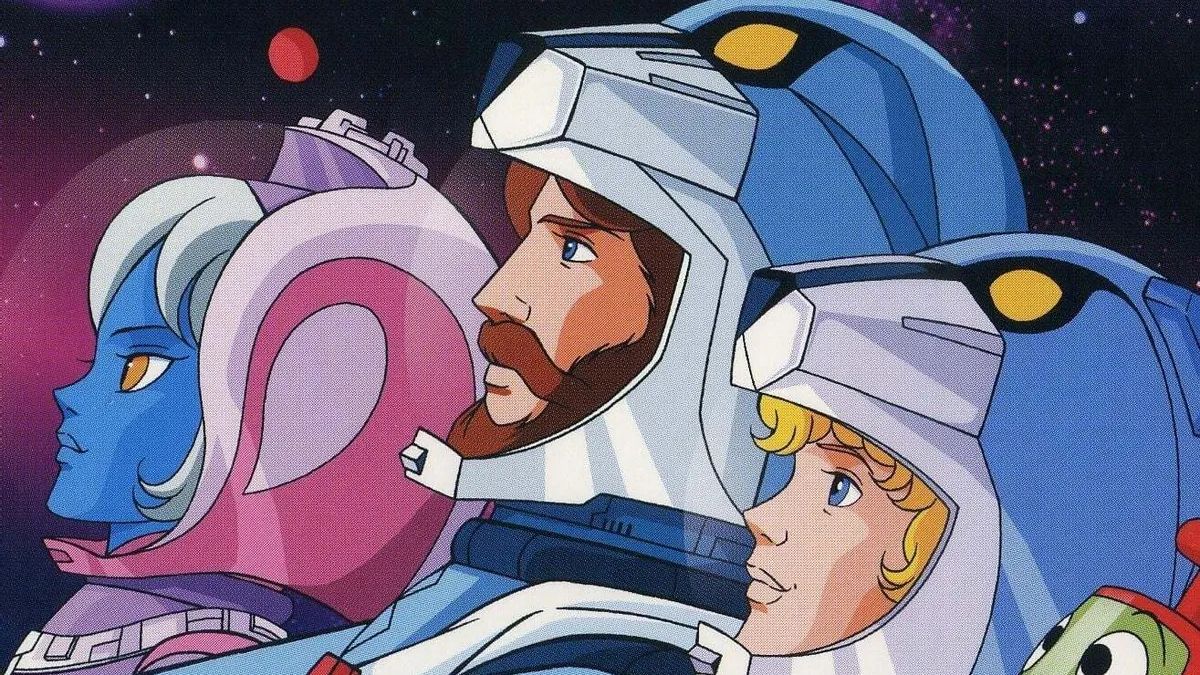
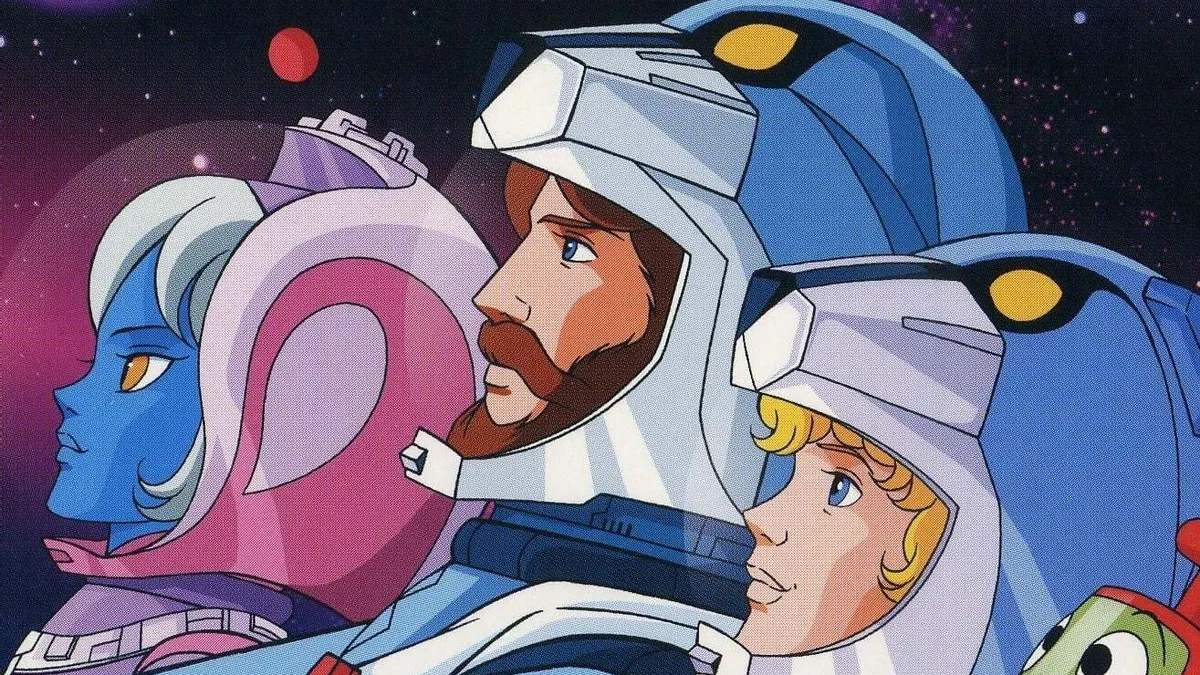
"Ulysses 31" premiered in France in 1981, later making its way to British and American television screens in the mid-1980s. The series boldly reimagined Homer’s epic poem, "The Odyssey," transplanting the heroic journey of Odysseus from the Mediterranean Sea to the vast expanse of outer space in the 31st century. This audacious premise, though a departure from the original text, offered a compelling entry point for a new generation to engage with classical literature through the vibrant lens of animation.
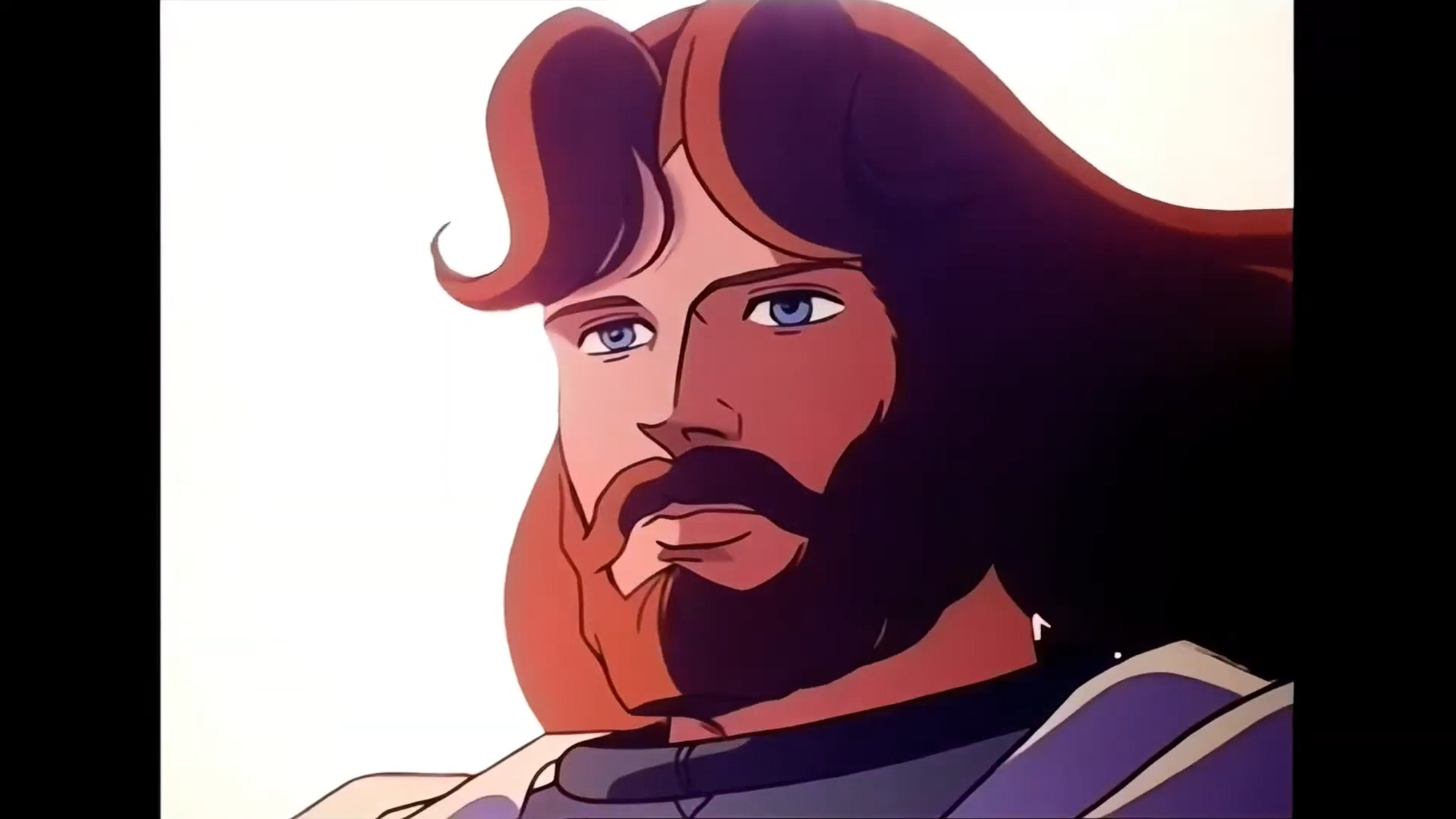
The narrative centers on Captain Ulysses, a valiant leader whose mission to return home to his wife Penelope is abruptly derailed. The inciting incident involves the abduction of his son, Telemachus, who is intended as a sacrifice to a colossal robotic Cyclops. This confrontation immediately establishes the series’ blend of mythological threats and futuristic technology, setting the stage for a perilous voyage fraught with divine intervention and interstellar challenges.
While purists might note the hero’s adoption of the Roman pseudonym "Ulysses" over the Greek "Odysseus," the core thematic elements of a protracted, arduous journey home, punctuated by encounters with mythical beings and formidable obstacles, remain central to the plot. The series successfully translated the essence of Homer’s epic into a science fiction framework, a feat that predates other notable adaptations, such as the Coen brothers’ 2000 film "O Brother, Where Art Thou?", which also drew inspiration from "The Odyssey" but placed it in a distinctly different historical and geographical context.
A Pantheon of Gods and Monsters in the Cosmos
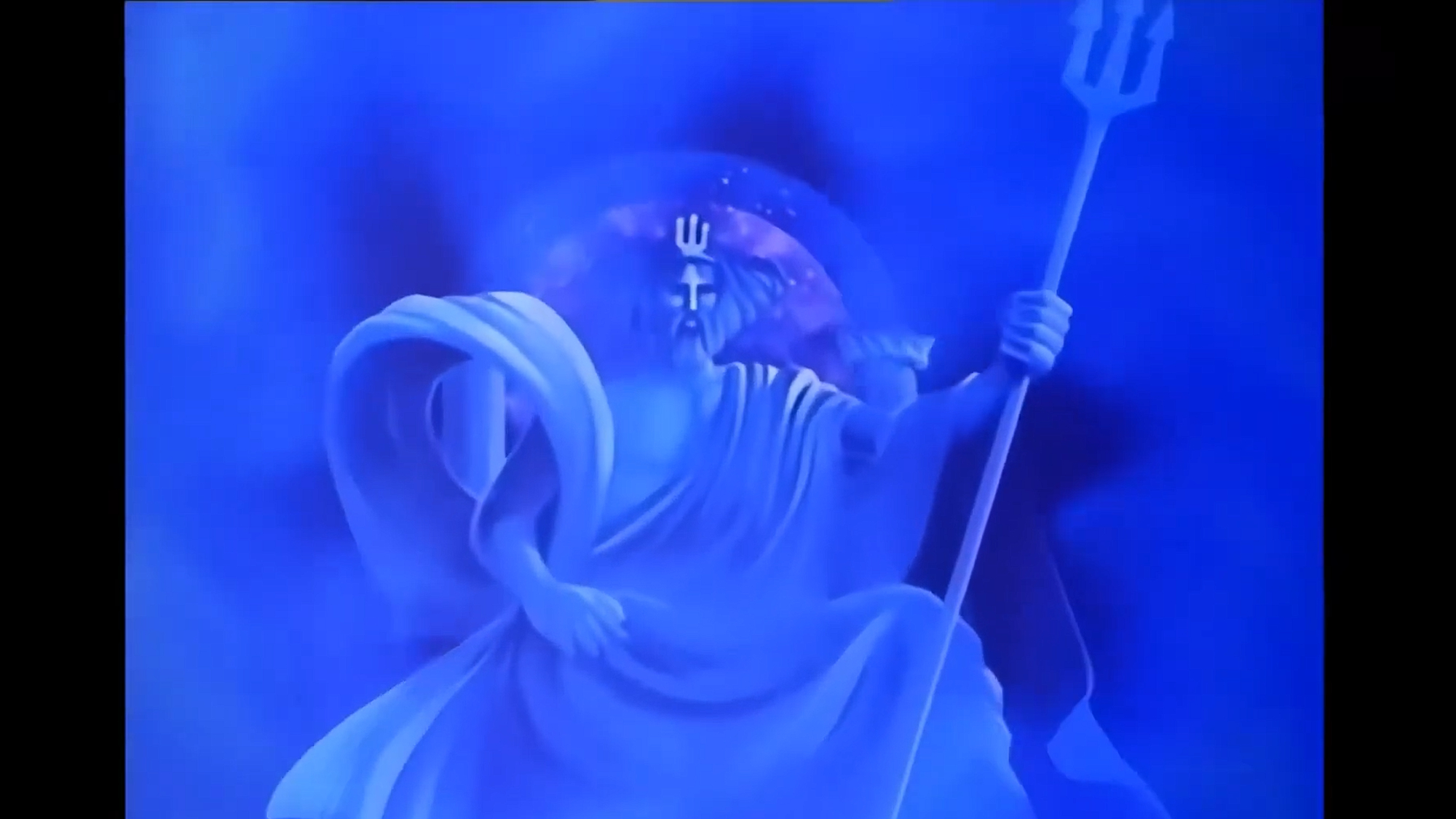
A key element of "Ulysses 31"’s narrative strength lay in its inventive reimagining of Greek mythology within a science fiction context. The series did not shy away from incorporating a pantheon of gods and monsters, reinterpreting them as cosmic entities and advanced technological marvels. The abduction of Telemachus by a robotic Cyclops, for instance, immediately signals this fusion. Ulysses’s subsequent defeat of this mechanical behemoth, however, incurs the wrath of Poseidon, the god of the sea, who has seemingly taken up residence in outer space.
This divine retribution, orchestrated by Poseidon’s brother Zeus, the supreme ruler of Olympus, propels Ulysses and his crew into a daunting predicament. Their ship, the Odyssey, has its navigational databanks purged, and Ulysses’s companions are placed into a deep, perpetual slumber. This sentencing to "travel among unknown stars" effectively mirrors Odysseus’s forced wanderings and isolates Ulysses, making his quest to find the Kingdom of Hades and awaken his crew a race against time, with a 26-episode arc.
The series liberally incorporated other significant figures and events from Greek mythology. Encounters with the Sirens and the Lotus Eaters are directly adapted from Homer’s narrative. However, "Ulysses 31" also ventured beyond the confines of the original epic, introducing characters such as Sisyphus, condemned to an eternal, futile task, and Orpheus, on his quest to rescue his beloved Eurydice. The iconic three-headed dog Cerberus, guardian of the Underworld, was reinvented as a formidable three-headed interceptor satellite, showcasing the show’s creative approach to adapting mythological concepts for a sci-fi setting.
Characters and Adaptations: A Liberal Interpretation of the Classics
Beyond the direct mythological references, "Ulysses 31" also featured characters whose names echoed the classical source material. Priam, the commander of the Troy starbase, shares his name with the last king of Troy. Nestor, Ulysses’s second-in-command, mirrors the role of the wise advisor in the original "Odyssey." Shirka, the ship’s computer, is named after the sorceress Circe.
However, the series took significant liberties with the source material. Unlike Homer’s version, where Telemachus spends a considerable portion of the story separated from his father, "Ulysses 31" presents Telemachus as a constant companion. Furthermore, while Odysseus’s shipmates in the original epic largely met tragic ends, the crew in "Ulysses 31" are placed in a state of suspended animation, their lifeless bodies floating within the ship’s hold, a visually striking and somewhat unsettling representation of their predicament.
Ulysses himself is depicted with prior awareness of the Greek gods, a departure from the original narrative where their existence and power are revealed gradually. In one notable episode, he even travels back in time to encounter his legendary namesake, adding another layer of complexity to his journey and connection to his heroic lineage.
Visuals and Tone: A Blend of Wonder and Unease
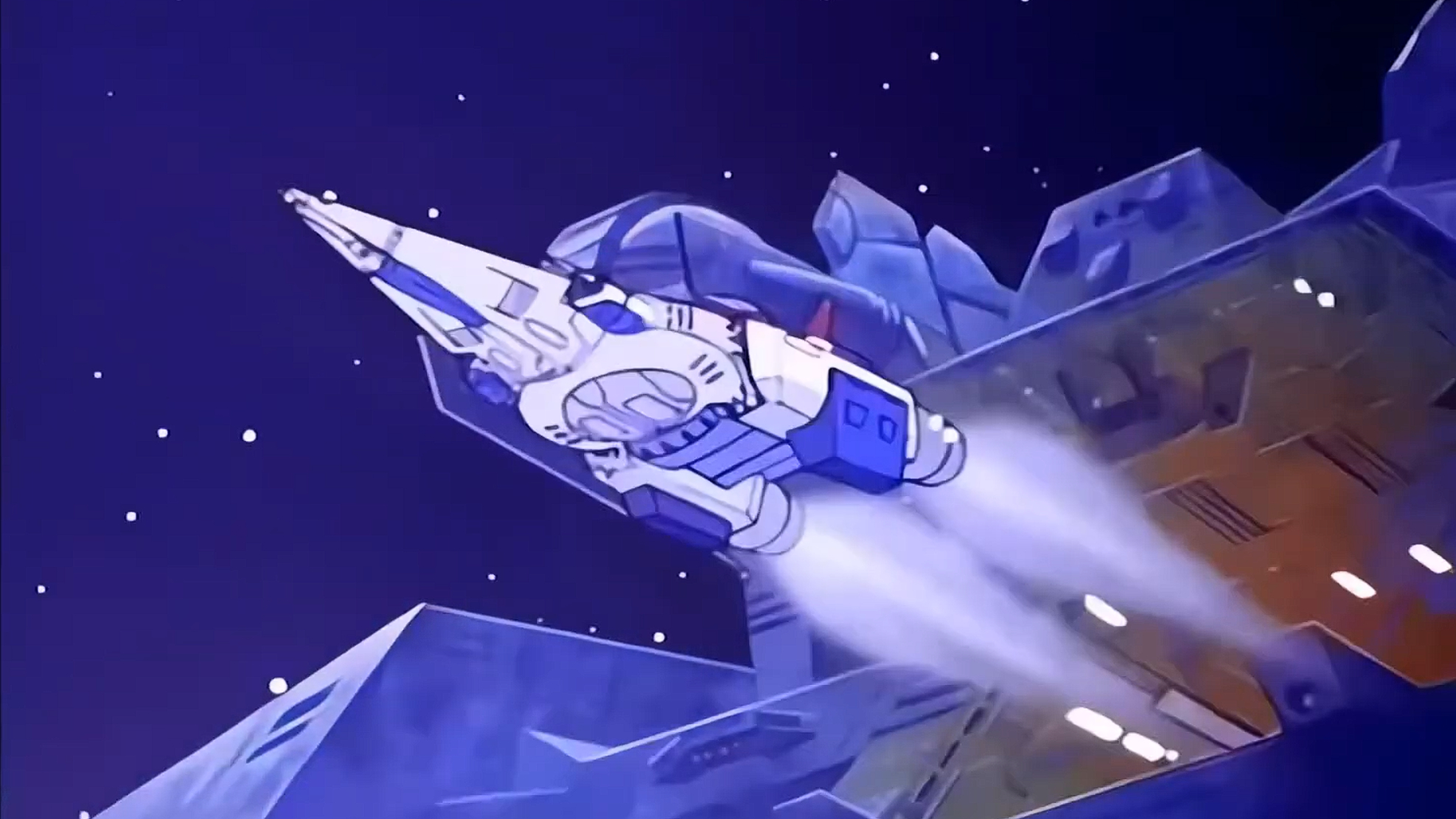
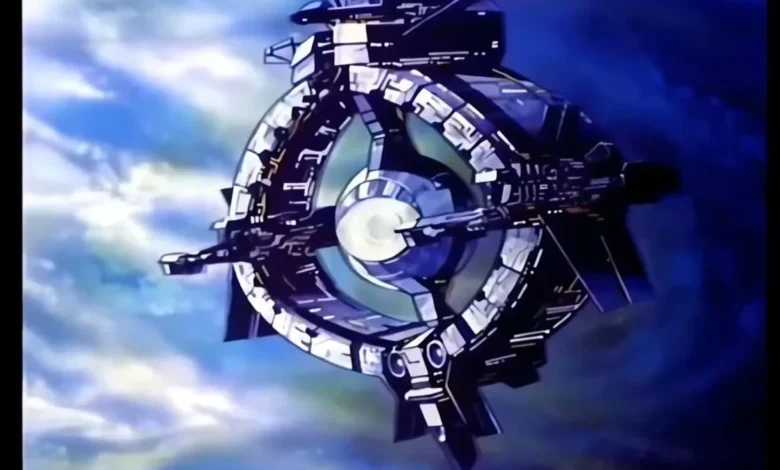
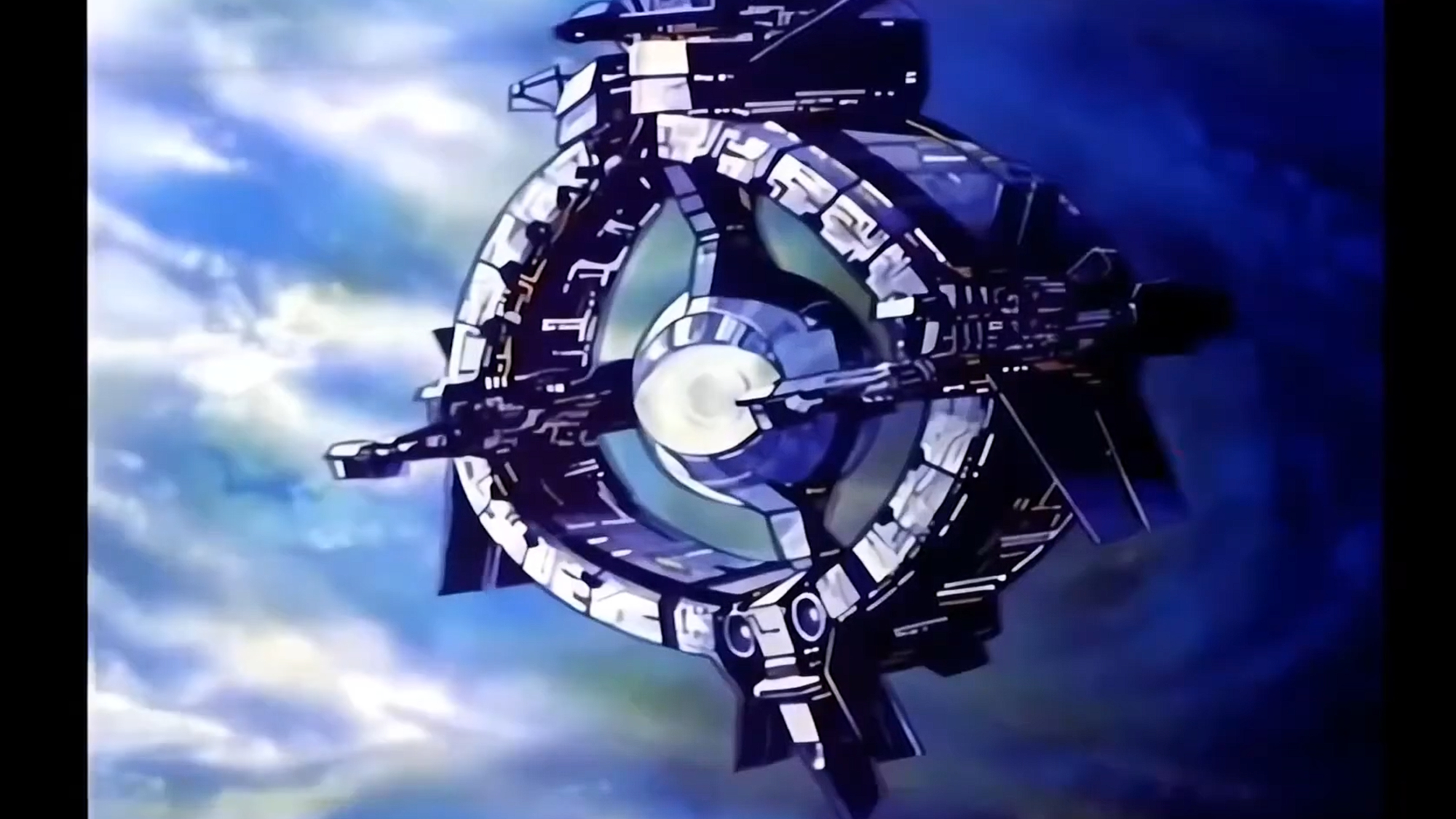
Despite the sometimes rudimentary animation, particularly in the depiction of space travel where starships were often static cutouts against stellar backgrounds, "Ulysses 31" possessed a distinctive visual style. The spaceship designs, especially Ulysses’s distinctive eye-shaped vessel, the Odyssey, evoked the grandeur of classic space opera book covers. The series also drew clear inspiration from the "Star Wars" saga, with Ulysses’s gun/laser sword weapon bearing a striking resemblance to a lightsaber, and some of the incidental music echoing John Williams’s iconic score.
The tone of "Ulysses 31" was a delicate balance between adventurous exploration and genuine psychological unease. While the narrative was often presented with a straight-faced seriousness, which can now appear unintentionally humorous, the show did not shy away from genuinely frightening moments. The sight of the levitating, lifeless bodies of the crew, or the depiction of the gods as omnipotent beings viewing human struggles as mere entertainment, contributed to an unnerving atmosphere. This darker undertone, coupled with the fact that the protagonists were not always guaranteed victory, set it apart from many other science fiction cartoons of the era, such as "Masters of the Universe," where good typically triumphed decisively.
The Unforgettable Soundtrack: An Earworm for the Ages
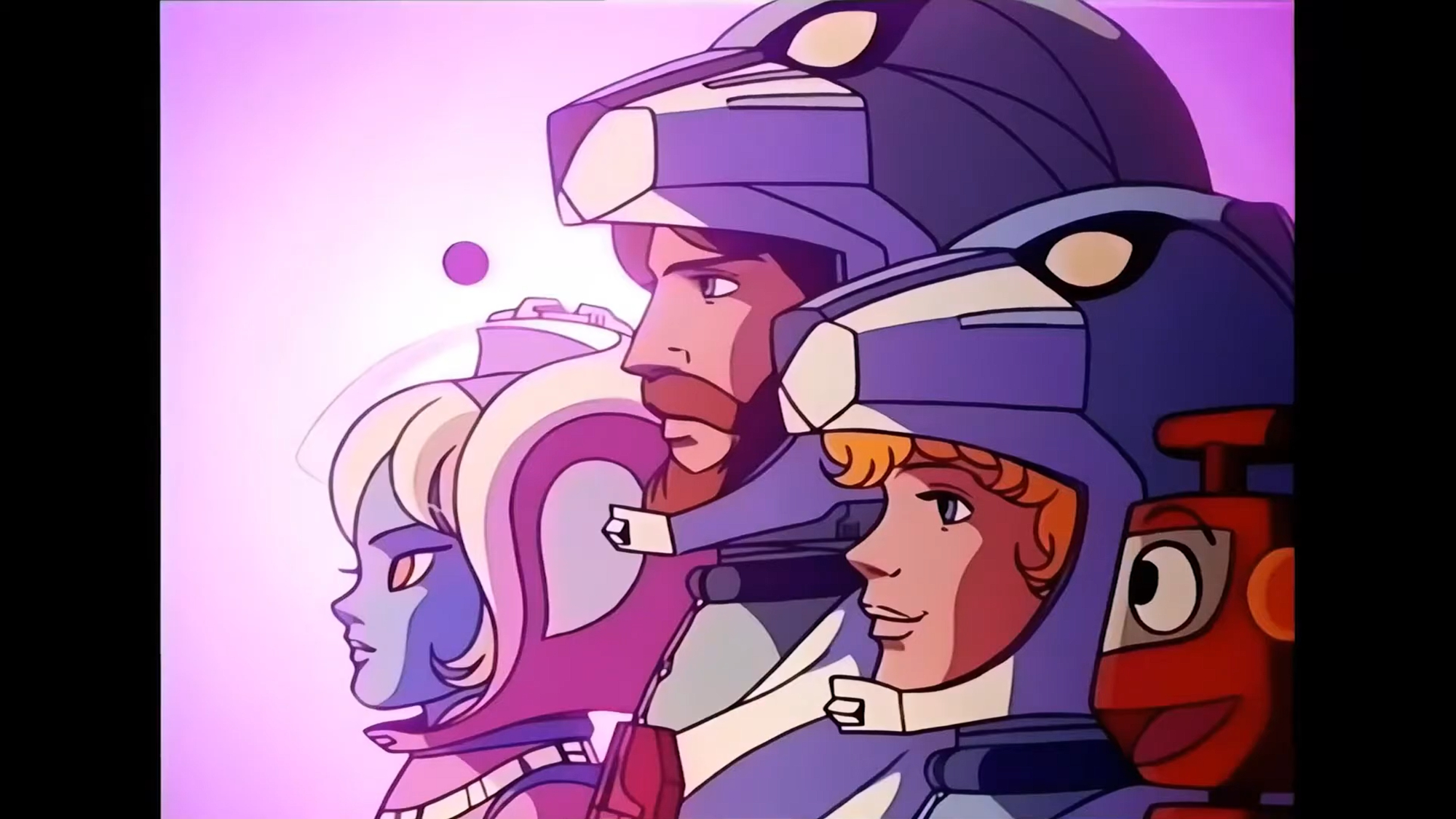
Perhaps the most enduring legacy of "Ulysses 31" lies in its exceptional soundtrack. Composed by Denny Crockett, Ike Egan, and, on select tracks, Shuki Levy and Haim Saban (who would later achieve fame for their work on "Mighty Morphin Power Rangers"), the music elevated the series beyond its visual limitations. The recurring motif of "The Curse of the Gods" is imbued with a palpable sense of menace, perfectly complementing the show’s narrative.
However, it is the iconic theme song that has cemented "Ulysses 31" in the collective memory of a generation. The instantly recognizable melody and spirited lyrics, encapsulated in the memorable refrain "Ulysses," have become an indelible earworm. The song’s infectious energy and heroic sentiment perfectly encapsulate the spirit of the series, ensuring its continued recognition even decades after its initial broadcast. The impact of this theme song is so profound that for many, the mere mention of the name "Ulysses" immediately triggers an involuntary singalong.
Enduring Relevance and the Power of Adaptation
"Ulysses 31," despite its age and occasional technical limitations, remains a testament to the power of imaginative storytelling and the enduring appeal of classic narratives. Its success in translating the epic scope of "The Odyssey" into a compelling science fiction adventure for a young audience is a remarkable achievement. The series demonstrated that ancient myths could be reinterpreted and modernized, offering timeless themes of heroism, perseverance, and the struggle against overwhelming odds in a fresh and engaging format.
While not currently available on major streaming platforms, fan uploads on platforms like YouTube ensure that "Ulysses 31" can still be discovered and appreciated by new audiences. Its blend of mythology, space opera, and a captivating soundtrack continues to hold a special place in the hearts of those who grew up with it, proving that some stories, like the voyages of Ulysses himself, are truly timeless. The series’ legacy serves as a reminder that the spirit of epic adventure, whether set in ancient Greece or the distant future, can inspire and resonate across generations.
Related posts: