World of Hyatt vs World of Hyatt Business Credit Card: A Comprehensive Analysis of Benefits Earning Potential and Long Term Value


The landscape of travel rewards credit cards has become increasingly competitive as hotel brands seek to lock in consumer loyalty through lucrative co-branded offerings. Among the most respected in the industry is the partnership between Hyatt Hotels Corporation and JPMorgan Chase, which currently provides two primary avenues for point accumulation and status acceleration: the World of Hyatt Credit Card and the World of Hyatt Business Credit Card. While both cards cater to the same ecosystem of luxury and lifestyle properties, they serve distinct demographic segments and offer divergent paths toward the coveted Globalist elite status. Understanding the nuances of these two financial products requires a deep dive into their earning structures, anniversary benefits, and the strategic advantages they offer within the broader World of Hyatt loyalty program.
Historical Context and Market Positioning
The evolution of Hyatt’s credit card portfolio reflects the brand’s broader strategy to compete with larger rivals like Marriott Bonvoy and Hilton Honors. In 2017, Hyatt rebranded its loyalty program from Hyatt Gold Passport to World of Hyatt, shifting the focus toward "milestone rewards" and experiential travel. To support this transition, the personal World of Hyatt Credit Card was launched in 2018, replacing the legacy Hyatt Credit Card with a more robust earning structure and enhanced elite night credits.
As the "bleisure" travel trend—combining business and leisure trips—grew, Hyatt identified a gap in its offerings for small business owners. This led to the introduction of the World of Hyatt Business Credit Card in late 2021. This addition was significant as it allowed business owners to separate their professional expenses while contributing to a singular loyalty account. Unlike Marriott or Hilton, which offer a tiered hierarchy of cards (from no-fee to ultra-premium), Hyatt has maintained a streamlined approach, focusing on two mid-to-high tier cards that emphasize high-value redemptions over sheer volume of properties.
Comparative Analysis of Welcome Offers and Value Propositions
The initial incentive for any credit card applicant is the welcome bonus, which serves as a significant injection of capital into a traveler’s point balance. Currently, the two Hyatt cards present different philosophies regarding these bonuses.
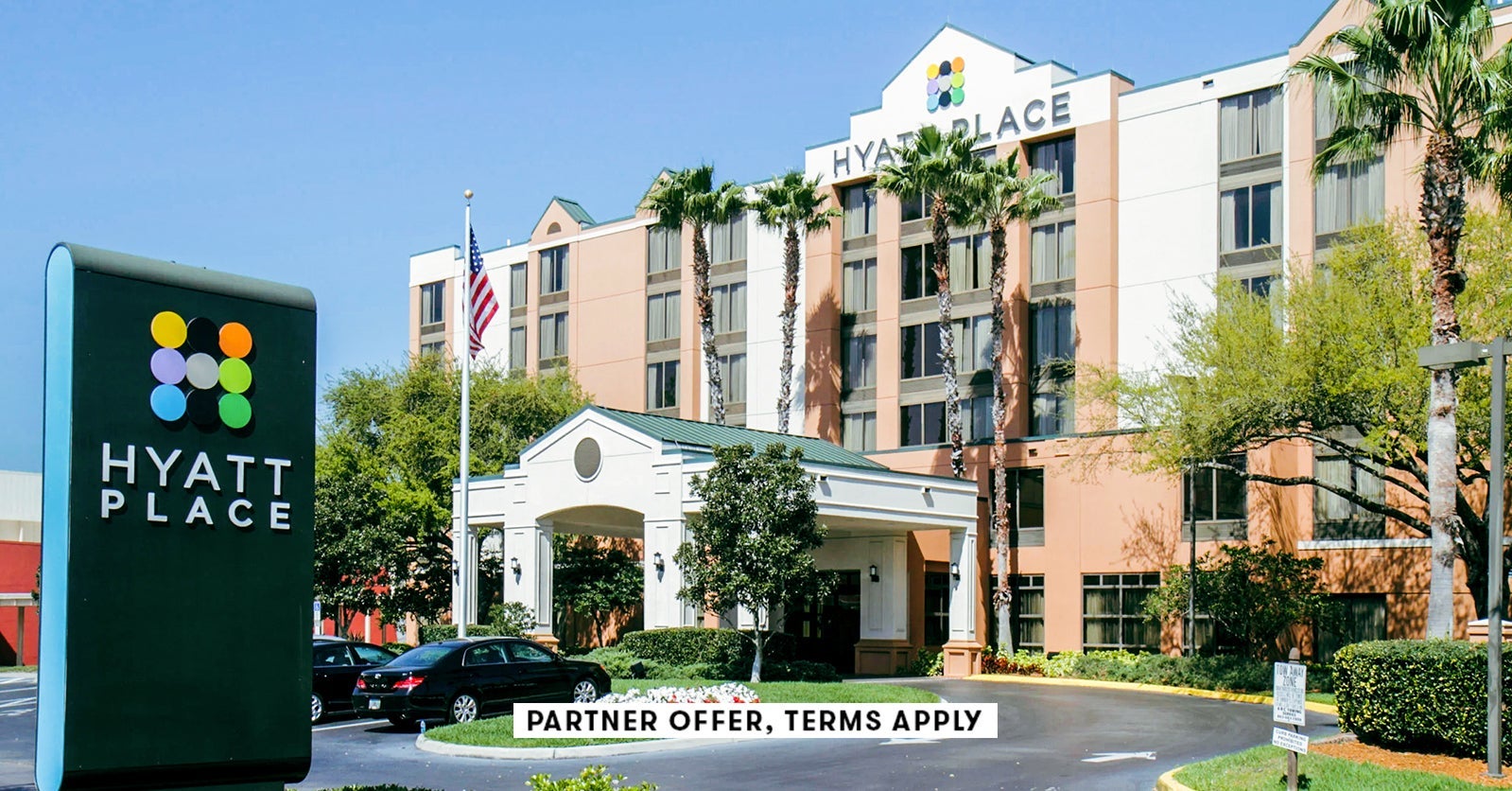
The World of Hyatt Credit Card (Personal) often utilizes a tiered structure. For example, a recent offer allows new cardmembers to earn up to 75,000 bonus points. This is typically broken down into an initial 35,000 points after meeting a moderate spending threshold—usually $3,000 in the first three months—followed by an additional 40,000 points earned through 2 points per dollar spent on purchases that normally earn 1 point, up to $20,000 in spend within the first six months. This structure encourages long-term engagement rather than a one-time "spend and dump" strategy.
Conversely, the World of Hyatt Business Credit Card offers a more traditional, high-volume bonus. Applicants can earn 70,000 bonus points after spending $7,000 on purchases within the first three months of account opening. While the total point count is slightly lower than the personal card’s maximum, the path to achieving it is more straightforward for businesses with high monthly overhead.
Based on industry valuations, where World of Hyatt points are frequently pegged at approximately 1.7 cents each, a 70,000 to 75,000-point bonus is worth roughly $1,190 to $1,275. This valuation significantly outpaces the annual fees of $95 for the personal card and $199 for the business card, making the first year of ownership undeniably profitable for both.
Earning Structures: Fixed vs. Adaptive Categories
The core utility of a co-branded card lies in its ability to generate points on everyday spending. Both cards offer 4 points per dollar spent at Hyatt hotels and resorts, including participating Small Luxury Hotels of the World (SLH) and Lindblad Expeditions. They also share a unique "wellness" category, offering 2 points per dollar on gym and fitness memberships—a reflection of Hyatt’s commitment to the wellbeing of its guests.
The divergence begins in the secondary categories. The personal card offers a fixed set of 2x categories:

- Restaurants and dining.
- Airline tickets purchased directly from the airline.
- Local transit and commuting.
The business card, however, employs an "adaptive" earning model. It awards 2 points per dollar spent in the top three categories where the business spends the most each calendar quarter. These categories include:
- Dining.
- Shipping.
- Airline tickets.
- Local transit and commuting.
- Social media and search engine advertising.
- Car rental agencies.
- Gas stations.
- Internet, cable, and phone services.
This flexibility is a major advantage for businesses with fluctuating seasonal costs. For instance, a company might spend heavily on advertising in Q1 and travel heavily in Q3; the card automatically adjusts to maximize the point yield without requiring the cardholder to toggle settings.
Elite Status and the Path to Globalist
For many Hyatt loyalists, the primary reason to hold these cards is to accelerate their progress toward elite status. World of Hyatt elite tiers (Discoverist, Explorist, and Globalist) are generally earned through "Tier-Qualifying Nights."
The personal card provides an immediate advantage by granting five Tier-Qualifying Night credits every year, regardless of spending. Furthermore, cardholders earn an additional two qualifying night credits for every $5,000 spent on the card. This means a cardholder who spends $15,000 annually receives a total of 11 qualifying nights (5 base + 6 from spend), putting them nearly halfway to Explorist status without a single hotel stay.
The business card takes a different approach, tailored for higher spenders. It does not offer any automatic qualifying nights. Instead, it awards five Tier-Qualifying Night credits for every $10,000 spent in a calendar year. While the "cost" per night credit is higher ($2,000 per night compared to $2,500 on the personal card, but without the initial 5-night head start), the business card is often the preferred engine for those aiming for Globalist status (60 nights) through heavy business expenditures.

Annual Benefits and Statement Credits
The discrepancy in annual fees ($95 vs. $199) is justified by the differing "anniversary" perks. The personal World of Hyatt card is famous for its Category 1-4 Free Night Award, granted every year after the account anniversary. This award can be used at properties like the Hyatt Regency Amsterdam or the Andaz Savannah, where room rates often exceed $300, easily recouping the $95 fee. Cardholders can also earn a second Category 1-4 night by spending $15,000 in a calendar year.
The business card does not offer an automatic free night. Instead, it provides up to $100 in Hyatt statement credits each year. Cardholders receive a $50 credit after spending $50 or more at a Hyatt property, up to two times per year. Additionally, the business card offers a 10% point rebate. Once a cardholder spends $50,000 in a calendar year, they receive 10% of their redeemed points back for the rest of the year, up to a limit of 200,000 points back. For a business that redeems 500,000 points for executive travel, this rebate could result in 50,000 points being returned to the account—a value of roughly $850.
Strategic Implications of the Chase 5/24 Rule
Prospective applicants must consider the "5/24 Rule," an informal but strictly enforced policy by Chase. This rule states that an applicant will likely be denied for a new Chase card if they have opened five or more personal credit cards (from any bank) in the last 24 months.
The personal World of Hyatt card counts toward this limit. However, the World of Hyatt Business card, while requiring an applicant to be under the 5/24 limit to be approved, typically does not add to the 5/24 count once opened because it is a business product that does not appear on personal credit reports. This makes the business card a strategic choice for travelers looking to preserve their ability to open other Chase cards in the future.
Industry Impact and Consumer Behavior
The existence of both cards allows for a "stacking" strategy that has become popular among travel hackers and high-net-worth individuals. By holding both cards, a traveler can receive the five automatic nights from the personal card and then funnel all other spending into the business card to hit the $10,000 increments for more nights.

Industry analysts suggest that Hyatt’s focus on spend-based status reflects a broader shift in the hospitality sector. By incentivizing credit card spend, hotel chains create a "stickier" ecosystem. A customer is less likely to book a Marriott or Hilton if they know that an extra $5,000 in business expenses on their Hyatt card will push them into the next elite tier, unlocking free breakfasts, suite upgrades, and late checkouts.
Conclusion: Which Card Fits Which Traveler?
The decision between the World of Hyatt Credit Card and its business counterpart hinges on spending volume and the value placed on free night certificates. For the casual traveler or the "Hyatt Lite" loyalist, the personal card is an unbeatable value. The $95 fee is a small price to pay for a free night at a mid-tier hotel and a head start on elite status.
For the small business owner, consultant, or freelancer with significant expenses, the World of Hyatt Business Credit Card offers a more powerful engine for point accumulation. The adaptive 2x categories and the 10% redemption rebate provide a higher ceiling for value, even if the floor (the annual fee) is higher.
Ultimately, Hyatt has successfully created two complementary products. Rather than competing with each other, they work in tandem to capture different segments of the market, ensuring that whether a traveler is booking a family vacation or a corporate retreat, the World of Hyatt remains their primary loyalty destination. As Hyatt continues to expand its global footprint through acquisitions like Apple Leisure Group and the Dream Hotel Group, the value of the points earned on these cards is poised to grow, reinforcing their status as essential tools for the modern traveler.
Related posts: