Wildlife Sightings and Glacial Wonders: Navigating the Ecological Richness of the Alaska Cruise Season

The state of Alaska encompasses approximately 586,000 square miles of territory, a vast expanse that includes more than a dozen national parks and preserves. Despite its massive geographic footprint, the state remains one of the most sparsely populated regions in the United States, with a human population of fewer than 750,000 residents. This demographic imbalance creates a unique environment where landscapes remain largely dominated by wildlife rather than urban development. For the global tourism industry, this makes Alaska a premier destination for ecological exploration, particularly via the maritime corridors of the Inside Passage and the Gulf of Alaska.
While the luxury travel market often promotes small-ship expedition cruises—with price points frequently exceeding $15,000 per person—as the exclusive gateway to intimate wildlife encounters, recent data and traveler reports suggest that standard large-scale cruise lines offer comparable opportunities for biological observation at a fraction of the cost. The accessibility of these experiences is dictated less by the size of the vessel and more by the timing of the voyage, the specific maritime routes taken, and the use of proper observational equipment.
The Chronology of the Alaskan Cruise Season
The Alaskan cruise season typically operates from May through September, providing a five-month window into the state’s shifting ecosystems. The biological profile of the region changes significantly between the "shoulder seasons" of early spring and late autumn.
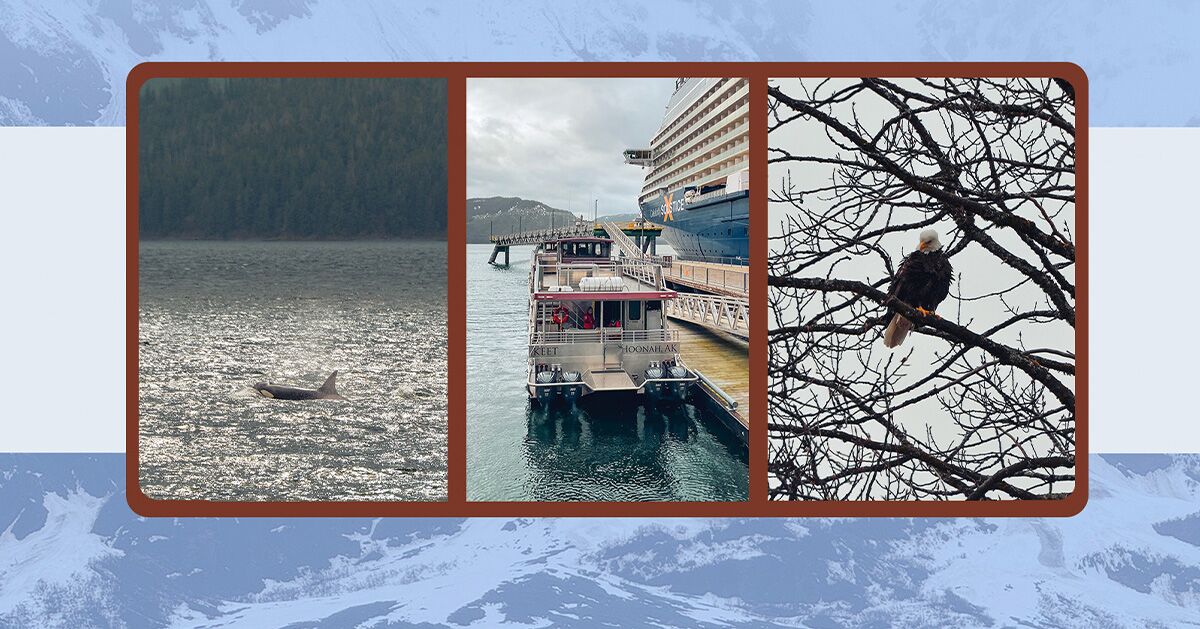
In the late season, specifically September, travelers frequently report high concentrations of sea otters and bald eagles. This period coincides with the tail end of the salmon runs and the preparation for winter, leading to different migratory patterns. Conversely, the early season, beginning in May, offers a distinct spectacle. During the opening weeks of the season, observers have noted an abundance of orcas (Orcinus orca), humpback whales (Megaptera novaeangliae), and the surprising presence of migratory Rufous hummingbirds.
This seasonal shift is critical for wildlife enthusiasts to understand. While the weather remains consistently temperamental—characterized by temperatures ranging from 40 to 55 degrees Fahrenheit and frequent precipitation—the specific species active in the fjords vary by the month. Successful observation during these periods is heavily dependent on high-quality optics, such as 8×42 or 10×42 binoculars, which allow passengers to bridge the distance between the ship’s deck and the rugged shoreline.
Marine Apex Predators at Icy Strait Point
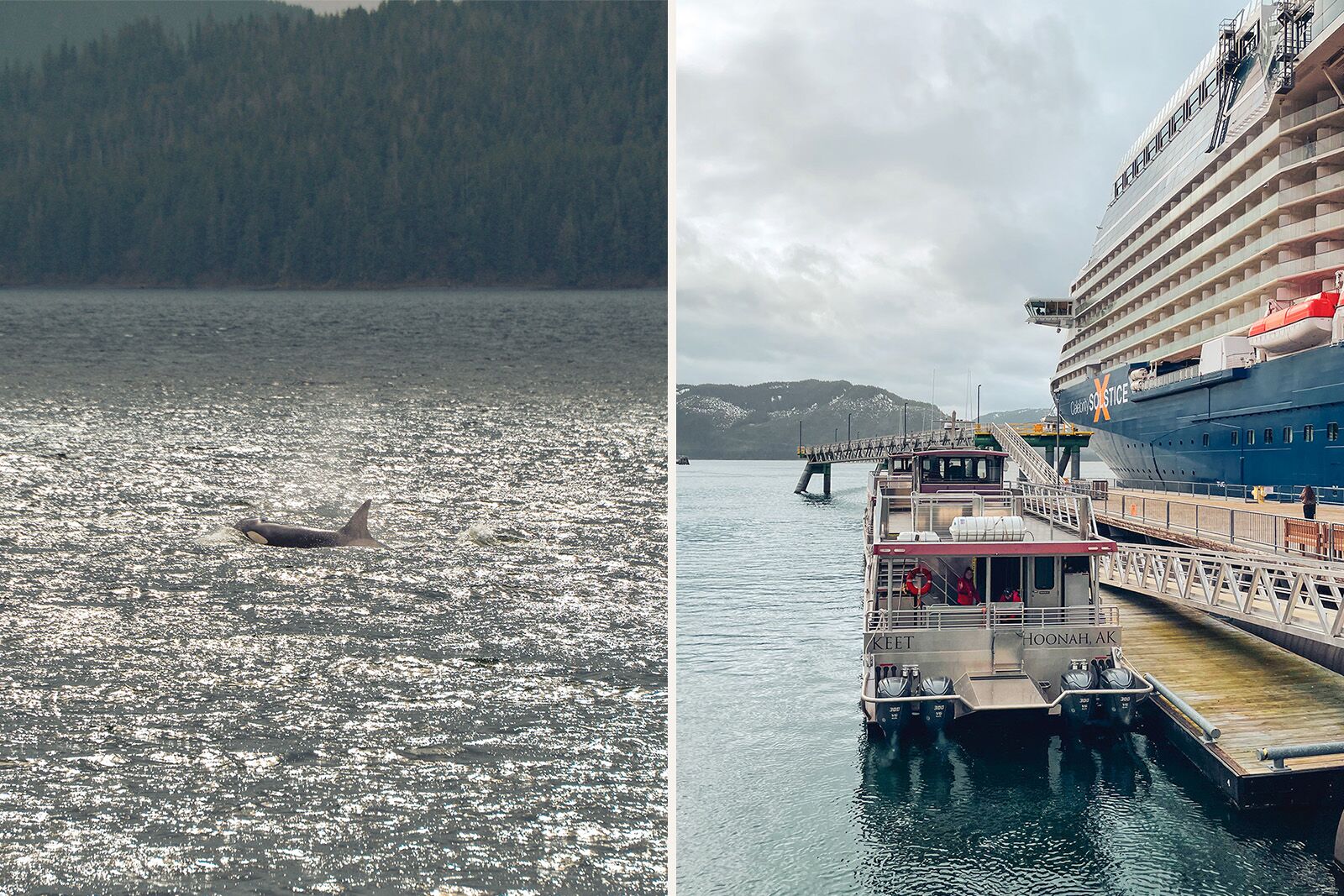
One of the primary hubs for wildlife observation in Southeast Alaska is Icy Strait Point, located near the village of Hoonah. This destination is unique in the cruise industry as it is entirely Indigenous-owned and operated by the Huna Totem Corporation. The area serves as a gateway to the Port Frederick Fjord, known in the Tlingit language as Komtok Hon.
Recent excursions in the area have highlighted the presence of transient orca pods. Orcas, which are the largest members of the dolphin family rather than true whales, are often identified by their striking dorsal fins. Biological data indicates that adult males possess triangular fins that can reach up to six feet in height, whereas females and juveniles sport smaller, curved fins.
In the Tlingit culture, the orca is referred to as "Keet," a symbol of strength and community. The local tourism board and naturalists emphasize respectful observation distances, a practice mandated by the Marine Mammal Protection Act. This regulatory framework ensures that the influx of cruise passengers does not disrupt the hunting and socializing patterns of these apex predators. The presence of transient pods in May is often linked to the movement of seals and other marine mammals upon which they prey.
Glaciology and Pinniped Habitats at Hubbard Glacier
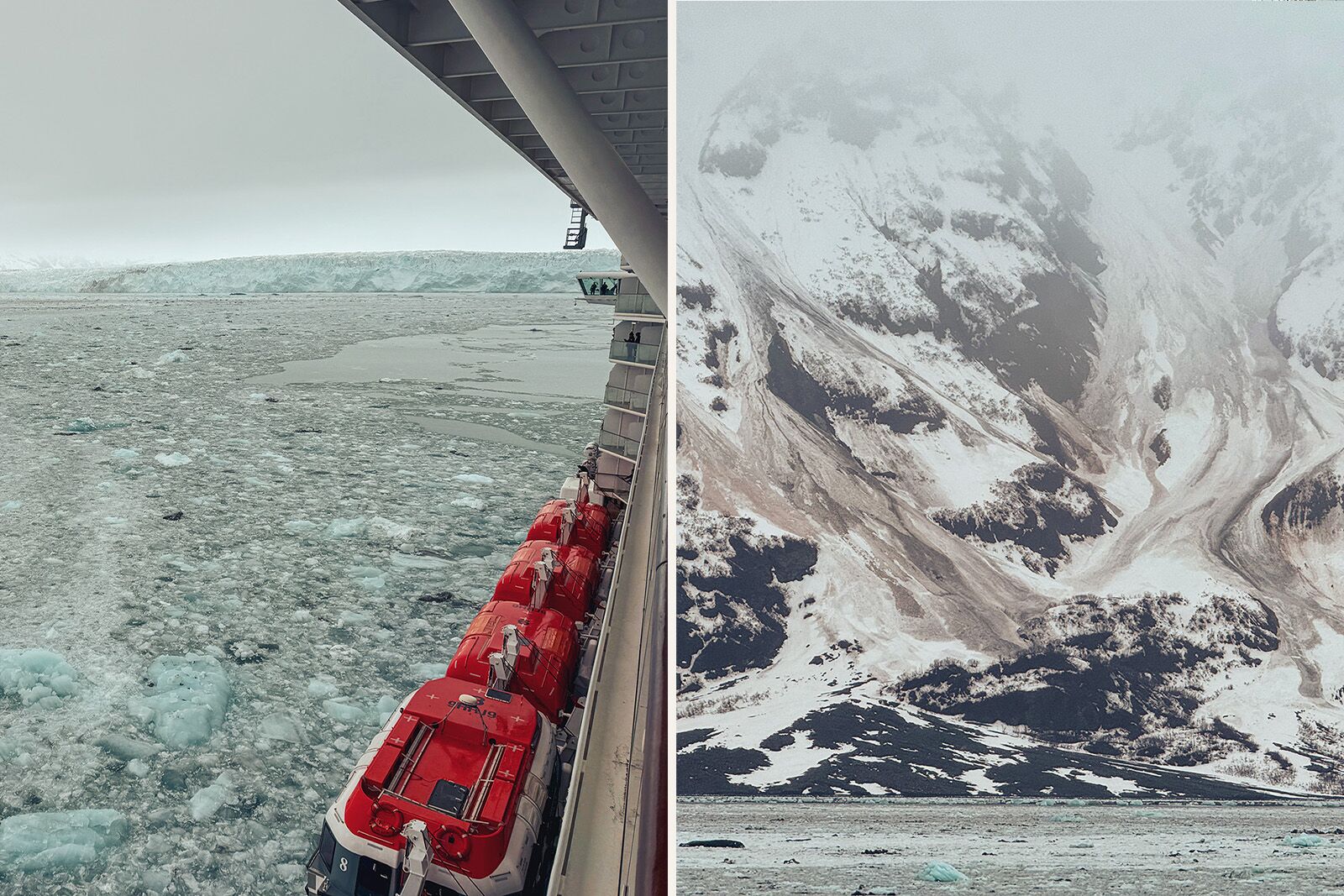
Further north, within the boundaries of the Wrangell-St. Elias National Park and Preserve, lies the Hubbard Glacier. As North America’s largest tidewater glacier, Hubbard presents a formidable wall of ice that measures roughly six miles wide at its foot. Unlike many glaciers worldwide that are in rapid retreat due to climate change, Hubbard Glacier is currently advancing, a geological phenomenon that creates a dynamic environment for both the ship and the local fauna.
The approach through Yakutat Bay is often hampered by severe weather, including dense fog and heavy rain. However, the calving of the glacier—where massive chunks of ice break off into the sea—remains a primary draw. This process, known as "white thunder," creates ice floes that serve as essential haul-out sites for marine life.
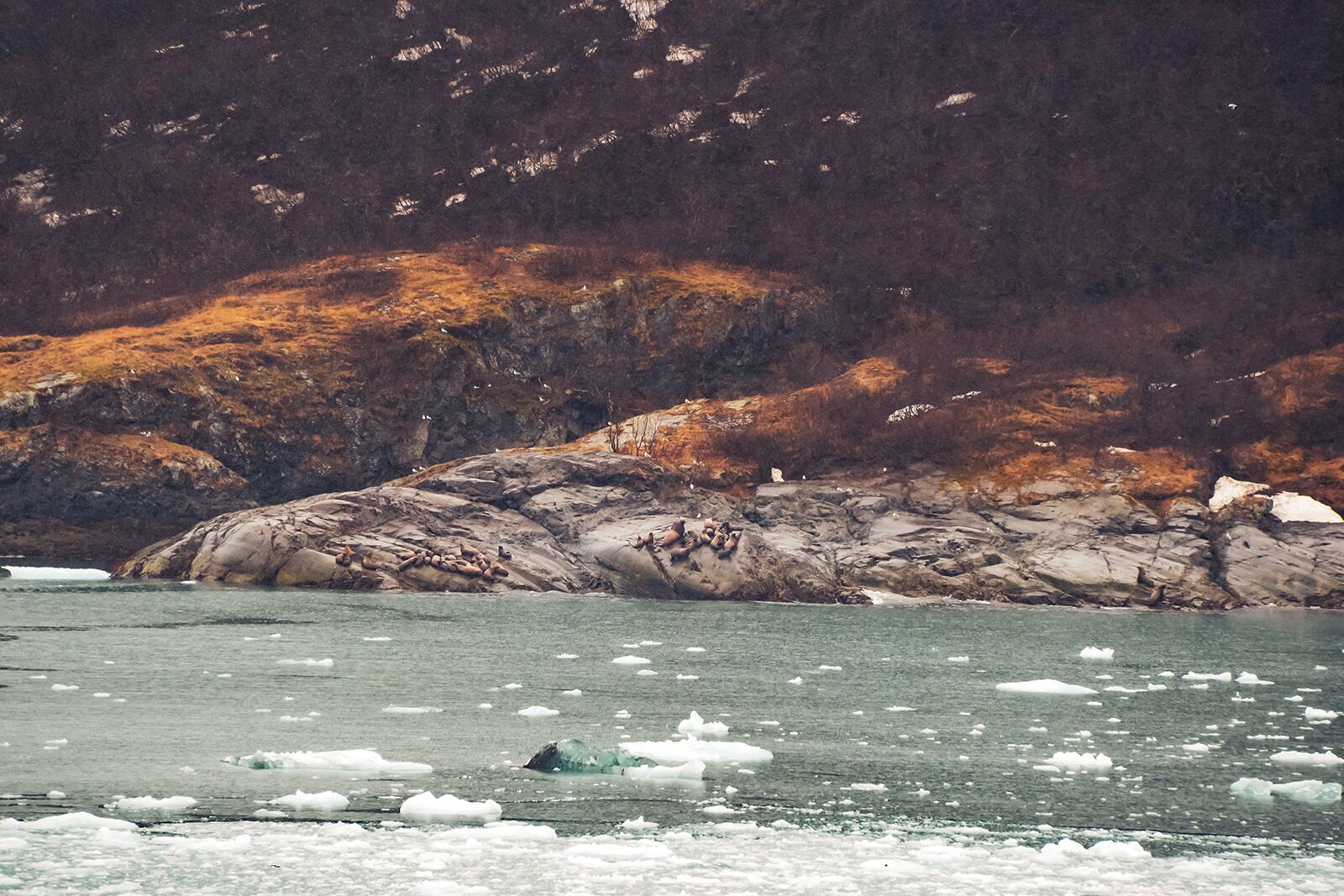
Observers at Hubbard Glacier frequently document Steller sea lions (Eumetopias jubatus) resting on rocky outcroppings and ice. The Steller sea lion is a species of significant conservation concern. In Alaska, they are divided into two distinct stocks: the Western stock, which is listed as endangered under the IUCN Red List, and the Eastern stock, which is currently classified as near threatened. These animals are sexually dimorphic, with males growing up to three times the size of females and weighing up to 2,500 pounds. Their presence in the icy waters of Yakutat Bay is a testament to their physiological adaptations to sub-arctic environments.
Avian Diversity and Cultural Symbolism in Ketchikan
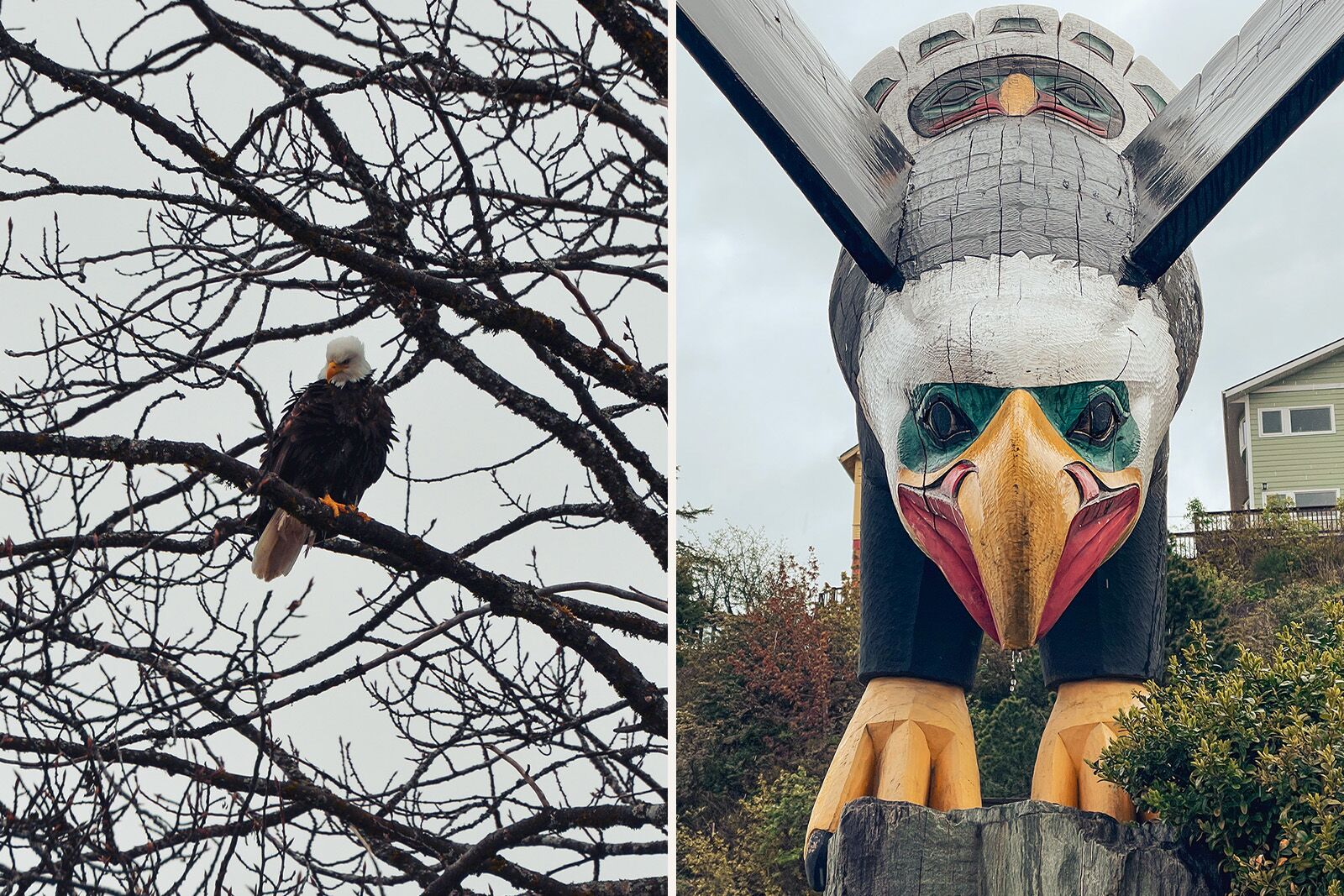
Ketchikan, often the first or last port of call on Inside Passage itineraries, is recognized as a global hotspot for bald eagle (Haliaeetus leucocephalus) populations. Estimates from the Alaska Department of Fish and Game suggest there are over 70,000 bald eagles in the state, the highest concentration in the United States.
The eagles’ prevalence in Ketchikan is tied to the region’s prolific salmon fisheries. During the spring and summer months, these raptors are frequently seen nesting in the towering Sitka spruces. Bald eagle nests are among the largest in the avian world, occasionally reaching eight feet in width and weighing over a ton.
Beyond their biological significance, eagles hold a central place in Tlingit, Haida, and Tsimshian cultures. In Ketchikan, the Totem Heritage Center preserves 19th-century totem poles where the eagle is frequently depicted as a crest, representing lineage and social status. This intersection of natural history and Indigenous heritage provides a broader context for the "wildlife" experience, framing these animals not just as biological specimens but as integral components of the human history of the region.
The Role of Small Fauna in the Alaskan Ecosystem
While charismatic megafauna like whales and bears dominate the marketing materials for Alaskan cruises, the state’s smaller residents play equally vital roles in the ecosystem. The Rufous hummingbird, for instance, performs a remarkable migration, traveling from as far south as Mexico to reach the Alaskan panhandle in the spring. Their presence in the rain-drenched forests of the north is a seasonal marker of the changing climate.
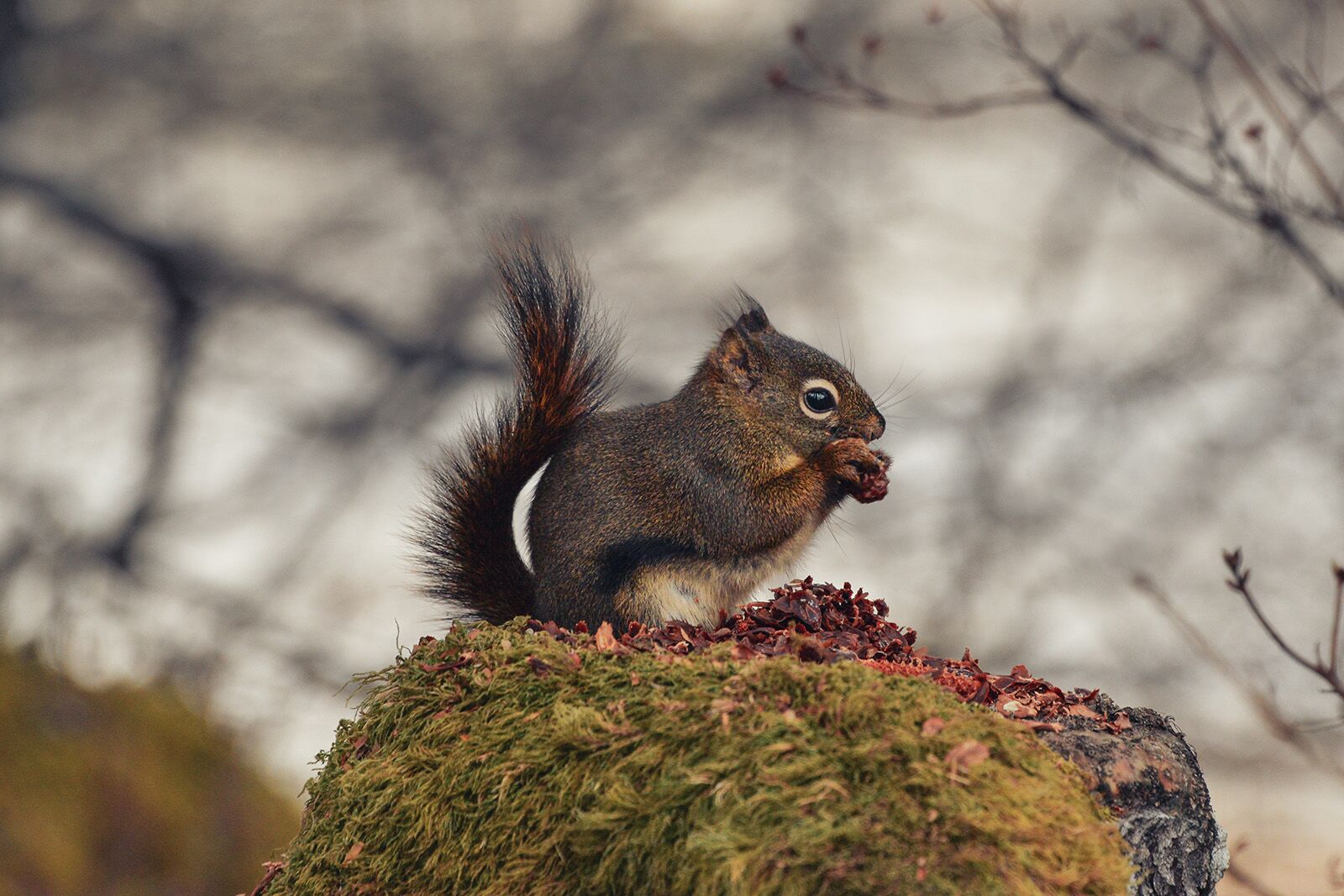
On land, the North American red squirrel (Tamiasciurus hudsonicus) is a ubiquitous sight in the spruce-hemlock forests. These rodents are known for creating "middens"—large piles of discarded pine cone scales that can persist for generations. During forest hikes in ports like Icy Strait Point, these animals are frequently observed engaged in "central place foraging," a behavior where they return to a specific stump or branch to process food, providing a clear window into their daily survival strategies.
Terrestrial Giants and the Return of the Humpbacks
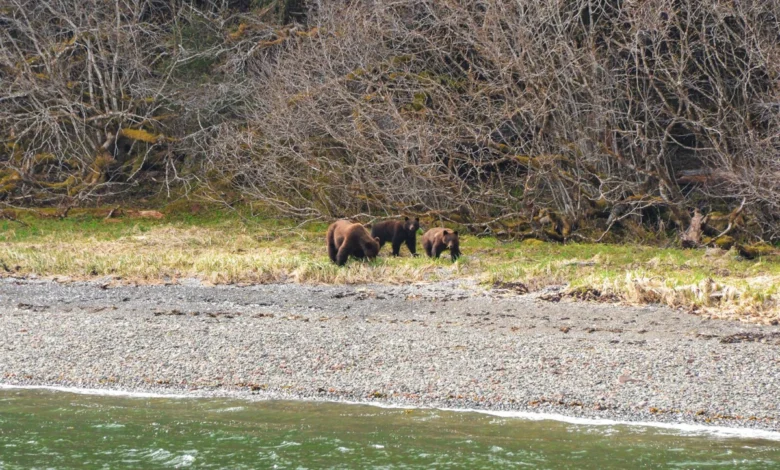
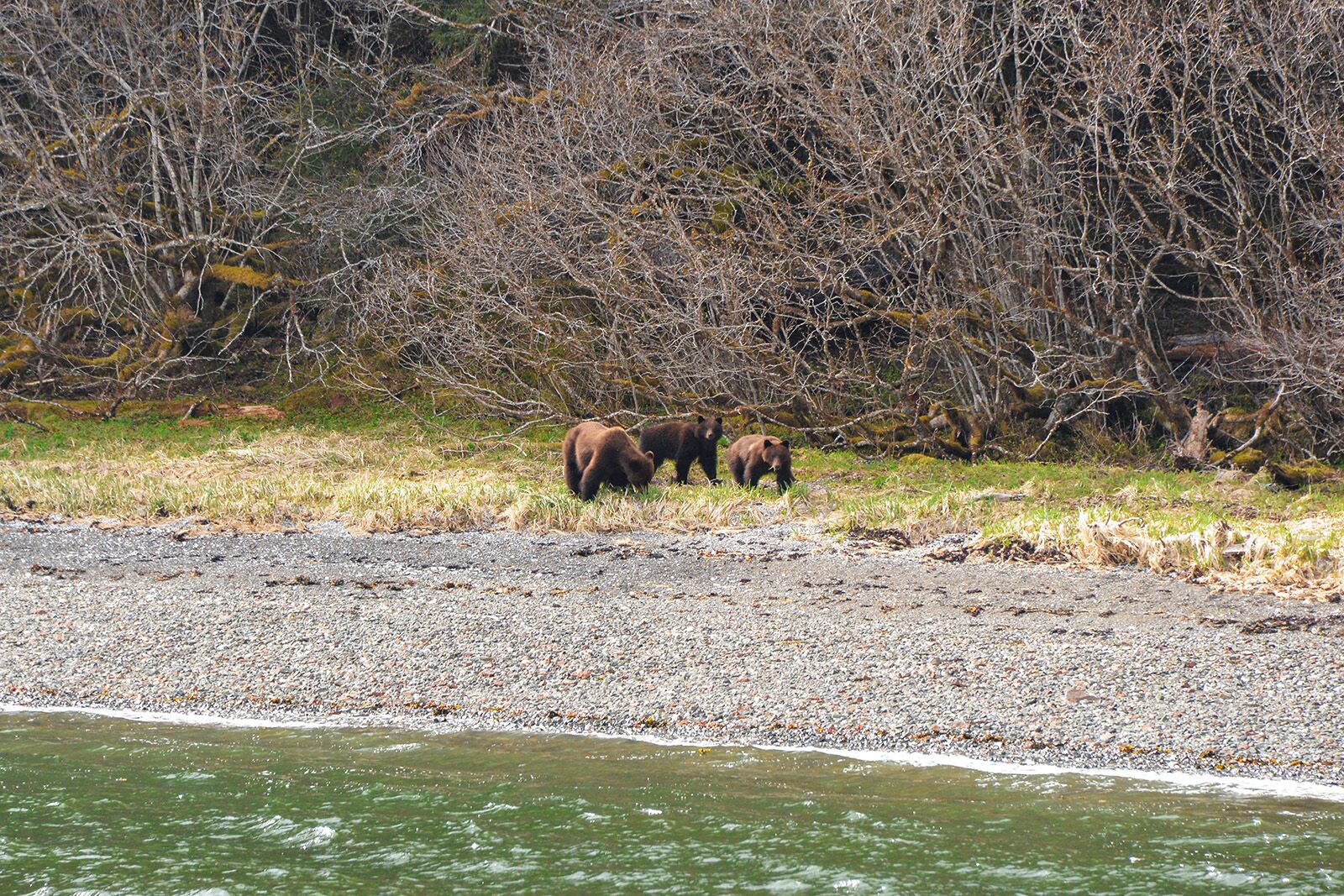
As vessels navigate the narrow channels of the Inside Passage, the transition between sea and land offers opportunities to view the coastal brown bear (Ursus arctos horribilis). Coastal brown bears are biologically identical to inland grizzlies but are typically larger due to their high-protein diet of salmon and clams. Sightings of sows with cubs are common in May as they emerge from hibernation to graze on beach grasses and sedges.
Simultaneously, the waters of the Inside Passage see the return of humpback whales from their winter breeding grounds in Hawaii and Mexico. The National Oceanic and Atmospheric Administration (NOAA) monitors these populations closely, noting that the "bubble-net feeding" behavior observed in Alaskan waters is a learned social behavior unique to these groups. Humpbacks are easily identified by their "flukes"—the underside of their tails—which possess unique patterns similar to human fingerprints.
Economic and Environmental Implications
The growth of the Alaskan cruise industry—which saw over 1.6 million passengers in recent peak years—carries significant economic weight for the state. According to reports from the Cruise Lines International Association (CLIA), the industry contributes over $3.5 billion in total economic impact to Alaska.
However, this influx of tourism brings a responsibility for environmental stewardship. The "Green Corridor" initiative, a collaborative effort between major cruise lines, the Port of Seattle, and Alaskan municipalities, aims to explore the feasibility of zero-greenhouse gas emission shipping. Furthermore, strict regulations regarding wastewater discharge and whale-strike avoidance protocols are central to the operational permits of these vessels.
The data gathered from seasonal observations suggests that the democratization of Alaskan travel—moving from exclusive expeditions to mainstream cruising—has not necessarily diluted the quality of wildlife encounters. Instead, it has broadened the base of advocates for Alaskan conservation. By witnessing the scale of the Hubbard Glacier or the social structures of an orca pod, thousands of travelers each week are exposed to the fragility and resilience of the sub-arctic environment, reinforcing the necessity of ongoing protection for the 586,000 square miles of the "Last Frontier."
Related posts: