Texas Landowners File Landmark Federal Lawsuit Challenging Border Wall Expansion in Big Bend Region

The quiet, rugged terrain surrounding Big Bend National Park, a landscape defined by the serpentine curves of the Rio Grande and the Chihuahuan Desert, has become the latest flashpoint in the ongoing national debate over border security. On Monday, September 14, 2026, a coalition of six private Texas landowners and the advocacy group Conserve Big Bend filed a sweeping lawsuit in the U.S. District Court for the District of Columbia. The litigation targets the Department of Homeland Security (DHS), U.S. Customs and Border Protection (CBP), DHS Secretary Markwayne Mullin, and CBP Commissioner Rodney Scott, challenging the federal government’s authority to seize private property and bypass long-standing environmental and historical protections for border infrastructure projects.
The legal action represents a significant escalation in a year-long struggle between federal authorities and the residents of the Big Bend region. At the heart of the dispute is the Trump Administration’s aggressive push to erect 30-foot-high steel barriers, access roads, and surveillance infrastructure across private ranches and protected parklands. Plaintiffs argue that the construction threatens the economic viability of their land, disrupts fragile ecosystems, and violates their Fifth Amendment rights to due process.
A Chronology of Escalation
The tensions in the Big Bend region did not materialize overnight. The current crisis follows a series of policy shifts and administrative maneuvers that began in early 2026.
In February 2026, the DHS took the controversial step of waiving more than two dozen federal laws—including the National Environmental Policy Act, the Endangered Species Act, and the National Historic Preservation Act—to expedite the construction of a 150-mile barrier system. This decision effectively removed the legal hurdles that would typically require a rigorous environmental impact study and public consultation process.
By March, the region saw the first organized resistance. A collective of five Texas border sheriffs, whose jurisdictions cover the affected areas, penned an open letter to federal officials. Their argument was rooted in operational pragmatism: they maintained that a continuous physical wall in the remote, rugged geography of the Big Bend would be both ineffective and an inefficient use of resources. Despite this pushback, federal contractors proceeded with preliminary planning, and by late spring, digital maps released by the CBP indicated plans for a "smart wall" featuring high-tech surveillance sensors, cameras, and physical bollard fencing within the boundaries of Big Bend National Park itself.
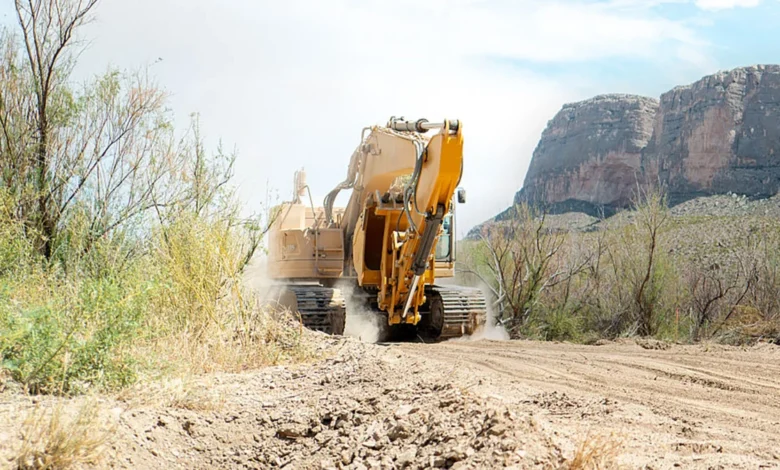
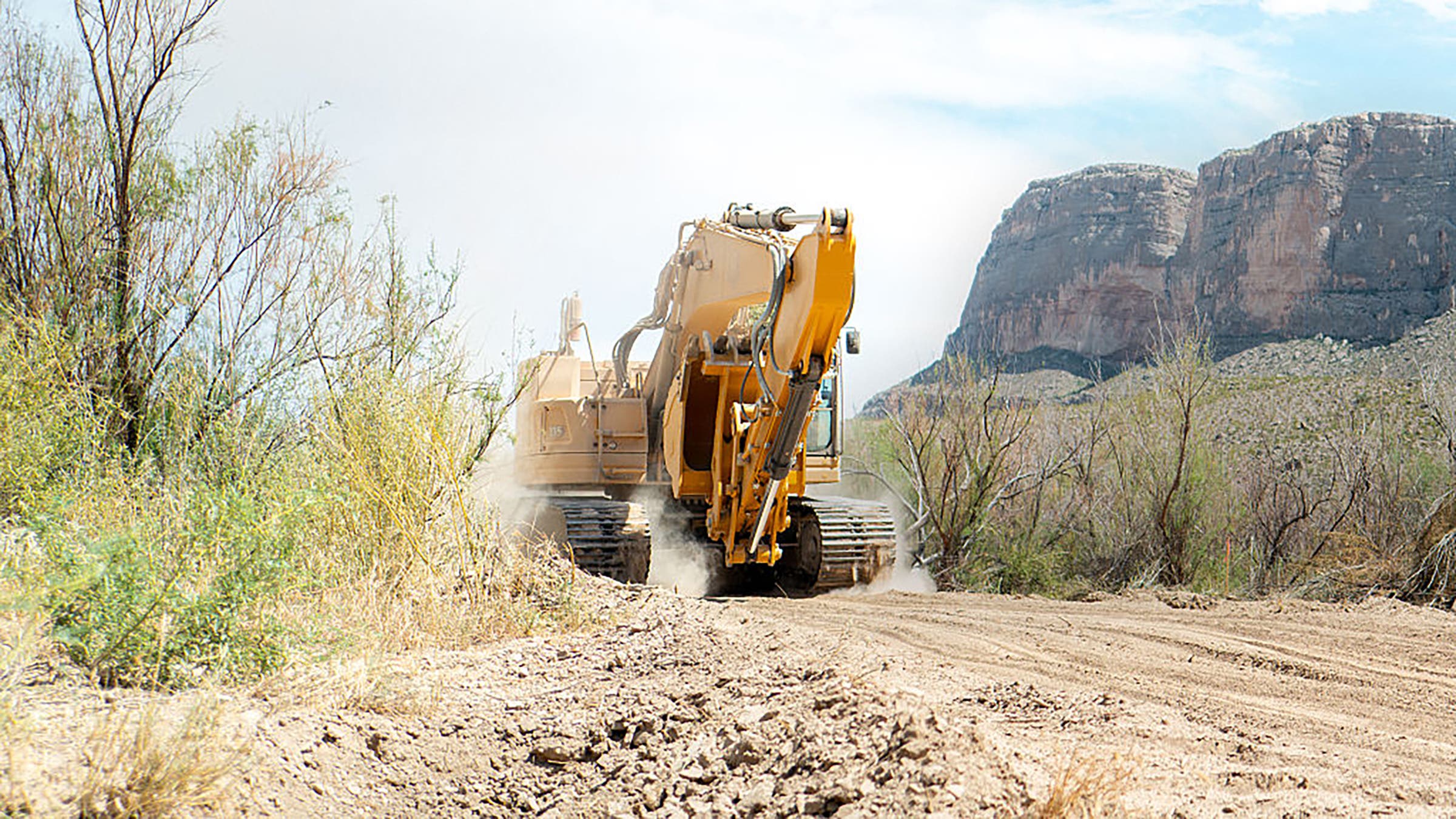
The project reached a breaking point in August 2026, when heavy construction machinery and crews entered the national park. The arrival of bulldozers, which began clearing native brush and cutting roads into the desert floor, triggered widespread protests in communities from Marfa to Austin. The visual impact of the construction—a scar across the pristine desert landscape—galvanized local opposition. Under intense public pressure and legal scrutiny, CBP Commissioner Rodney Scott issued a temporary stay on construction on August 27. However, with this pause set to expire on September 30, the legal clock is ticking for the plaintiffs to secure an injunction.
Challenging the "High Illegal Entry" Designation
A core component of the plaintiffs’ legal argument challenges the evidentiary basis for the government’s actions. To invoke the waivers that allowed for the expedited construction, the DHS officially categorized the Big Bend region as an area of "high illegal entry."
The lawsuit, however, refutes this characterization, citing official government data. According to the CBP’s own five-year performance metrics for the 517-mile Big Bend Sector, the region accounts for only 1.5 percent of total border apprehensions. Plaintiffs argue that the federal government is misrepresenting the security reality of the area to justify a pre-determined infrastructure project, thereby violating the administrative requirements for waiving federal law.
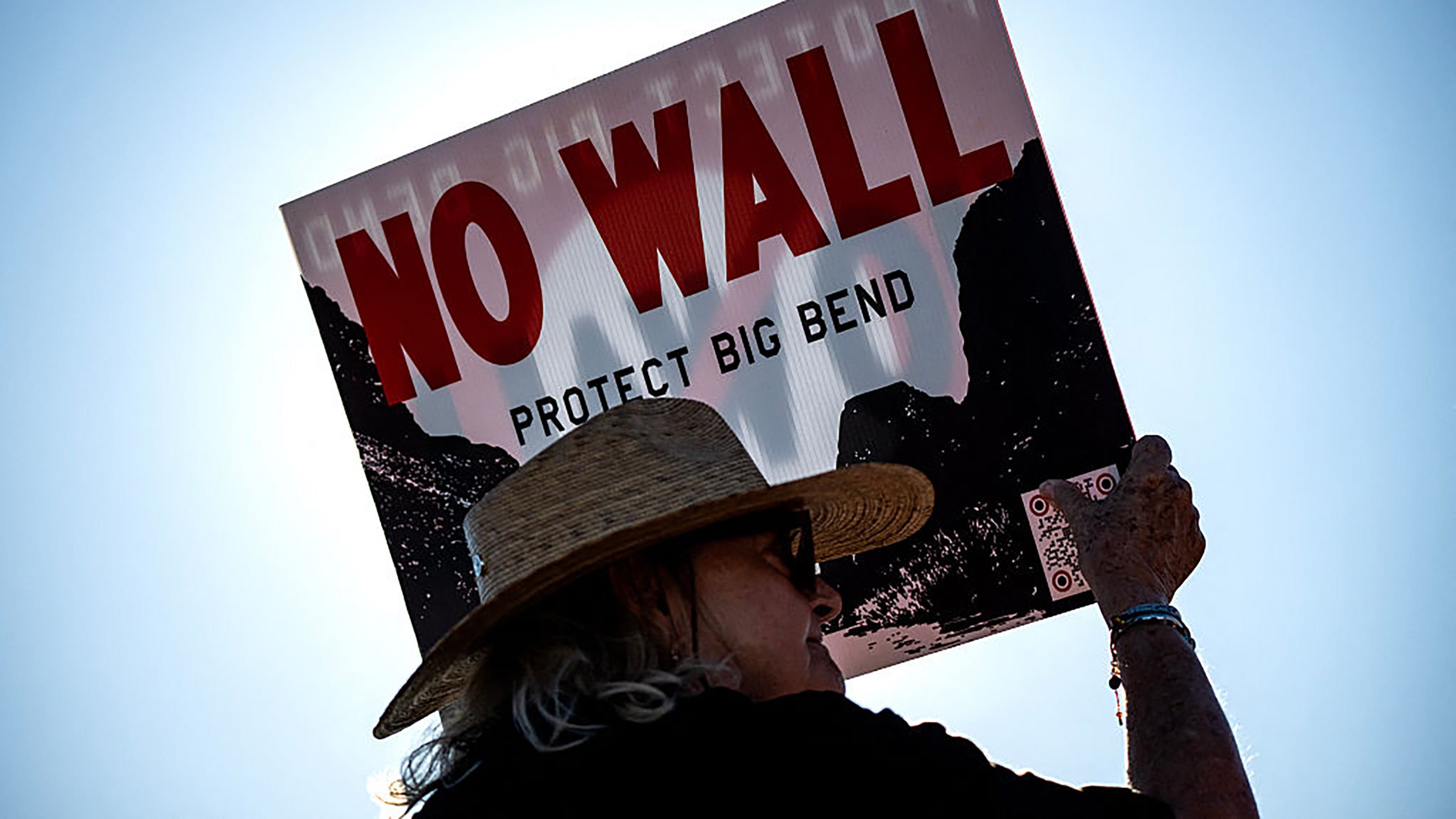
"The federal government is using a sledgehammer where a scalpel is needed," said Lico Miller, a local rancher and coalition member, during a press conference held in Marfa on September 14. Surrounded by fellow residents and local officials, Miller emphasized that the resistance is not just about environmental conservation, but about the preservation of Texan sovereignty and private property rights. "We are the final line of people standing up against this. The ‘don’t tread on me’ ethos is being tested here, and for us, it means something very real."
The Legal and Economic Stakes
The lawsuit details specific instances of coercion regarding land acquisition. Several plaintiffs, including rancher William Joseph Zuberbueler, allege that they received notices from the CBP demanding access to their property for wall construction. These notices reportedly included threats of referral to the U.S. Department of Justice should the landowners refuse to enter into voluntary easement agreements or land swaps.
From a legal perspective, the filing asserts that these actions constitute a violation of the Fifth Amendment’s Takings Clause. The plaintiffs argue that the government’s failure to provide adequate due process or proof of "public necessity" constitutes an unlawful seizure. Furthermore, the economic impact on the region—which relies heavily on ranching and a robust ecotourism sector—could be catastrophic. If the wall severs corridors used by livestock and restricts access to the Rio Grande, landowners claim their property values and livelihoods will be permanently impaired.
The Broader Implications for Federal Authority
The case has drawn attention from legal scholars and environmental advocates nationwide. Laiken Jordahl, an environmental advocate with the Center for Biological Diversity, notes that the loss of trust between the local population and the federal government is perhaps the most significant outcome of the current conflict.
"Even among the folks who support stronger border security and have sought to work with the CBP, the trust with the agency has been burned," Jordahl said. "The constant reversals, updates, and contradictory statements from federal authorities have eroded the public’s confidence. A lot of people see this not as a security measure, but as an abuse of administrative authority."
The lawsuit highlights a growing friction between federal border enforcement goals and the rights of rural landowners. As the September 30 deadline for the construction pause approaches, the judicial system is now the only venue where the competing interests of national border policy and local property rights can be adjudicated.
The Path Forward
As of mid-September, the CBP has maintained a position of silence regarding the pending litigation. When contacted for comment, a spokesperson for the agency stated they do not comment on active, ongoing litigation.
For the residents of Big Bend, the lawsuit is a last-ditch effort to preserve a landscape that has remained largely untouched by large-scale federal infrastructure. The court will now have to weigh whether the federal government’s broad authority under national security statutes can override the fundamental rights of individual property owners to hold and protect their land.
The outcome of this case could set a significant precedent for how the federal government interacts with private landowners in the future, particularly regarding the use of land for border security infrastructure. If the court finds in favor of the plaintiffs, it may force a more transparent, consultative, and evidence-based approach to border security planning. Conversely, if the court upholds the DHS’s authority to use its current waivers, it would effectively signal a green light for the continued expansion of border walls across private and public lands alike, regardless of local opposition.
For now, the heavy machinery remains silent on the edge of the Rio Grande. But for the ranchers, activists, and officials in West Texas, the battle to protect the Big Bend region is only beginning. The case of Landowners vs. Department of Homeland Security serves as a stark reminder of the complexities involved in balancing national security mandates with the rights of the communities that stand in their path. Whether this case marks a shift in federal strategy or merely a temporary delay in a larger, inevitable project remains to be seen in the coming weeks of legal proceedings in Washington D.C.