The Stealth Resurgence: A New Tar Sands Pipeline, Dubbed ‘Keystone Light,’ Raises Alarms as ‘Keystone XXL’

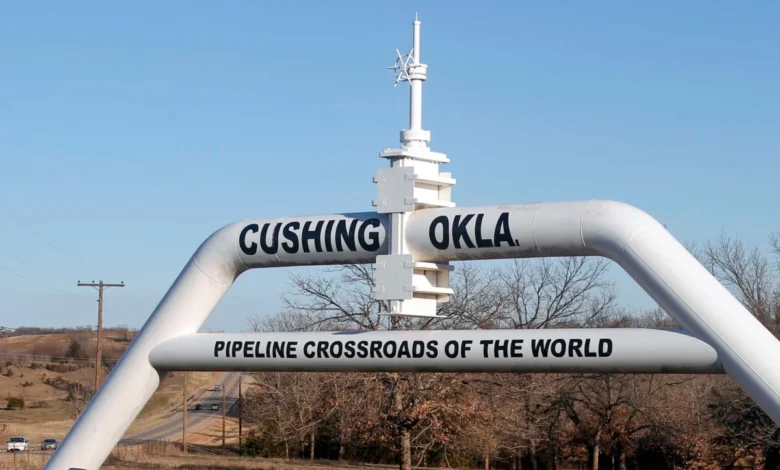
A formidable new tar sands pipeline project, proposed to ferry crude oil from the heart of Alberta, Canada, to Cushing, Oklahoma, is quietly advancing, drawing comparisons to the controversial and ultimately defeated Keystone XL pipeline. While some media outlets have misleadingly labeled it "Keystone Light," its scale and potential impact suggest a more accurate moniker would be "Keystone 2.0" or even "Keystone XXL." If fully realized, this extensive infrastructure could transport an astounding 1.13 million barrels of oil per day, significantly exceeding the capacity of its ill-fated predecessor. The project is already generating profound concerns regarding its environmental footprint, climate implications, and potential violations of Indigenous treaty rights and sovereignty, mirroring the fierce opposition that characterized the Keystone XL debate.
A Familiar Echo: The Legacy of Keystone XL
To fully grasp the significance of this new pipeline, it is essential to revisit the contentious history of the Keystone XL pipeline. Originally proposed in 2008 by TC Energy (then TransCanada), Keystone XL aimed to create a direct route for crude oil from Alberta’s oil sands to refineries on the U.S. Gulf Coast. The project quickly became a flashpoint in the global climate change debate, symbolizing the struggle between fossil fuel expansion and environmental protection.
Opponents, including a broad coalition of environmental groups, Indigenous communities, and landowners, argued that Keystone XL would unlock a massive new supply of carbon-intensive oil, exacerbating greenhouse gas emissions. They also raised alarms about potential pipeline spills, particularly in sensitive ecosystems and agricultural lands, and the infringement on Indigenous treaty lands. The prolonged political battle saw President Barack Obama reject the project in 2015, citing climate concerns. However, the Trump administration revived it in 2017, issuing a presidential permit. Despite this, the project faced ongoing legal challenges and fierce public resistance, culminating in President Joe Biden revoking its permit on his first day in office in January 2021, effectively ending the Keystone XL saga.
The lessons learned from Keystone XL – particularly the power of sustained public pressure, Indigenous leadership, and legal challenges – serve as a critical backdrop for understanding the emerging fight against this new pipeline. The current project, fragmented into distinct phases and promoted by different entities, appears to be an attempt to sidestep the kind of unified opposition that ultimately doomed Keystone XL, yet the fundamental issues remain the same, if not magnified.
Project Unveiled: Scope and Segmented Approach
The new pipeline initiative is a collaborative effort between U.S.-based Bridger Pipeline, a subsidiary of True Companies, and Canada’s South Bow, a company spun off in 2024 from TC Energy, the original proponent of Keystone XL. This segmentation, critics argue, is a deliberate strategy to obscure the project’s true scale and bypass comprehensive federal oversight that a single, large-scale interstate pipeline might typically attract.
The project is designed in three distinct phases:
- The Prairie Connector: This initial segment, proposed by South Bow, aims to transport crude oil from the sprawling oil fields of Alberta, Canada, to the Montana border. It represents the crucial link to the Canadian source of tar sands oil.
- Bridger Expansion: This second, substantial segment, spearheaded by Bridger Pipeline, is intended to carry the crude oil south through eastern Montana, extending to Guernsey, Wyoming. This leg traverses significant portions of the American West, crossing multiple rivers and diverse landscapes.
- Third Leg to Cushing, Oklahoma: Recently announced by the companies, this final segment would connect the system from Guernsey, Wyoming, to the critical oil hub and refinery complex in Cushing, Oklahoma. Cushing is a major pricing point for crude oil in North America and a key destination for various pipelines.
When pieced together, these three segments form a continuous pipeline system spanning thousands of miles, effectively creating a new, vast conduit for Canadian tar sands oil into the U.S. refining network. The project’s proposed capacity of 1.13 million barrels per day not only surpasses Keystone XL’s planned 830,000 bpd but also underscores its potential to significantly increase the flow of heavy crude into the U.S. market.
The Tar Sands Truth: Environmental Stakes
One of the most concerning aspects of this new pipeline is its explicit purpose: to transport tar sands oil. Initially, Bridger Pipeline failed to disclose the type of oil it intended to move, leading to suspicions. However, after persistent questioning from reporters and environmental advocates, the company confirmed that the pipeline is indeed designed for tar sands crude.
Tar sands, also known as oil sands or bitumen, are a mixture of sand, clay, water, and dense, viscous petroleum. Extracting oil from tar sands is an energy-intensive and environmentally destructive process. It typically involves either open-pit mining or in-situ methods where steam is injected into the ground to separate the bitumen. Both methods require vast amounts of water and energy, leading to significant greenhouse gas emissions, extensive land disruption, and the creation of toxic tailings ponds.
From a climate perspective, tar sands oil is considered one of the dirtiest fossil fuels. Its extraction, processing, and transportation result in a substantially higher carbon footprint compared to conventional crude oil. The approval and construction of a pipeline of this magnitude for tar sands would lock in decades of reliance on a high-carbon energy source, directly undermining efforts to transition to renewable energy and mitigate climate change.
Beyond climate, the risk of spills is particularly severe with tar sands crude. Its chemical and physical properties make it exceptionally difficult and costly to clean up once it enters the environment. Unlike lighter conventional crude, bitumen sinks in water, making containment and recovery a monumental challenge. The proposed middle segment alone is slated to cross major waterways such as the Yellowstone, Missouri, and Poplar rivers in Montana, and the Little Missouri, Belle Fourche, Cheyenne, and North Platte rivers in Wyoming. On federal lands, it would cross streams and rivers over 150 times. A major spill into any of these vital water sources could have catastrophic, long-lasting consequences for ecosystems, wildlife, and human communities downstream.
Bridger Pipeline’s operational record further amplifies these concerns. True Companies, Bridger’s parent, has been associated with several significant pipeline spills at its existing facilities. Notably, a 2015 incident saw 50,000 gallons of oil spill into Montana’s Yellowstone River, impacting communities and wildlife. Another substantial spill of 45,000 gallons occurred in Wyoming in 2022. These past events serve as stark warnings of the inherent risks involved in pipeline operations, particularly when transporting a substance as problematic as tar sands oil.
Sacred Lands and Treaty Rights: Indigenous Concerns
The proposed pipeline routes pose an undeniable threat to Indigenous Peoples and their ancestral lands, treaty rights, and cultural heritage. The path of the middle segment alone is projected to cut through unceded hunting territory explicitly guaranteed to several Tribal Nations, including the Lakota, Northern Cheyenne, Arapaho, Gros Ventre, Assiniboine, Mandan, and Arikara, under the historic Fort Laramie Treaty of 1868. This treaty, a foundational document in U.S.-Tribal relations, recognized vast territories as belonging to these nations, and any development without their free, prior, and informed consent constitutes a grave violation of sovereignty and treaty obligations.
Moreover, a proposed route could traverse the "Warrior Trail" alongside Highway 212, a path rich with historic sites dating back to the Black Hills War of 1876, holding profound cultural and spiritual significance. The pipeline’s planned crossing of the Missouri River is another critical flashpoint. The Missouri River feeds Lake Sakakawea, which serves as the primary water supply for the Fort Berthold Reservation, home to the Mandan, Hidatsa, and Arikara Nations. Any contamination of this vital water source would have devastating implications for the health, livelihoods, and cultural continuity of these communities. One specific proposed route would even travel directly through the Fort Peck Reservation, an area critical for the habitat of the sage-grouse, an imperiled species.
Indigenous water protectors and Tribal Nations are raising urgent alarms, mobilizing to protect their land, water, treaty rights, and sacred sites. Organizations like Honor the Earth, co-founded by Winona LaDuke, are at the forefront of this resistance, drawing on decades of experience in environmental justice and Indigenous rights activism. Their actions are rooted in a deep cultural responsibility to protect "all our relations" – the land, water, non-human relatives, and future generations – from the perceived greed of the fossil fuel industry.
Regulatory Scrutiny and Allegations of Expediency
The process by which this pipeline project is advancing has raised serious questions about regulatory integrity and transparency. The Trump administration, known for its pro-fossil fuel stance, issued a cross-border permit for the pipeline in April without completing a comprehensive environmental analysis, consulting with impacted Tribes, or adequately informing the public about the type of oil to be transported. This expedited approval process, critics argue, sidestepped crucial legal and ethical requirements, setting a dangerous precedent.
Despite this initial federal permit, Bridger Pipeline still requires numerous state and federal permits to proceed with the entire project. This offers critical junctures for intervention and legal challenges. However, concerns persist that regulatory bodies at various levels are facilitating the project rather than conducting impartial oversight.
For instance, the U.S. Bureau of Land Management (BLM), in its Federal Register notice for the pipeline’s middle segment, stated that it "may provide additional opportunities for public participation consistent with the NEPA and DEQ MEPA processes, including a 30-day comment period on the Draft EIS." The use of "may" instead of "will" or "shall" suggests a discretionary approach to public engagement, even as project documents indicate that Bridger is still gathering fundamental information about critical aspects of the project. This implies that public input might be limited even before a full understanding of the project’s scope and impacts is available.
Further compounding these concerns, the Montana Department of Environmental Quality (DEQ) has come under fire for allegedly putting its "finger on the scale" in favor of the industry. The agency reportedly granted an undisclosed waiver to the project, which appears to have allowed Bridger to omit required information from its project application. Crucially, this waiver seems to have been issued without the legally mandated public notice or public hearing. At recent public meetings in Montana and Wyoming, agencies also reportedly failed to allow for oral comment opportunities, effectively limiting the public’s ability to voice concerns, while simultaneously providing opportunities for fossil fuel industry representatives. These actions collectively suggest a pattern of regulatory capture and a deliberate attempt to fast-track the project with minimal public and tribal engagement.
Industry Rationale and Economic Arguments
While the original article focuses on the criticisms, it’s important to acknowledge the industry’s typical rationale for such projects. Proponents of pipelines like this often argue for their necessity in ensuring national energy security, providing reliable access to crude oil for refineries, and creating jobs during construction and operation. They highlight the economic benefits through taxes, royalties, and direct employment, particularly in rural areas. They might also claim that pipelines are the safest and most efficient means of transporting large volumes of oil compared to rail or truck, which also carry environmental and safety risks. From the perspective of companies like Bridger and South Bow, this project represents a significant investment aimed at meeting market demand for crude oil, generating profits for shareholders, and strengthening North American energy infrastructure. However, these economic arguments are increasingly weighed against the escalating costs of climate change, environmental degradation, and social injustice.
A Gathering Storm: Resistance and Legal Challenges
In response to the perceived expedited and opaque approval process, a powerful coalition of Indigenous, conservation, and community groups is mobilizing. This collective effort aims to expose the true risks of the pipeline and ensure that all legal and regulatory processes are rigorously followed. The strategy involves a two-pronged approach: legal challenges and sustained public resistance.
Should government agencies fail to properly assess the potential environmental impacts or neglect to obtain free, prior, and informed consent from impacted Tribes, legal battles are anticipated. Environmental law organizations like Earthjustice are likely to be involved, drawing on their experience from the Keystone XL fight. Litigation would seek to halt the project by challenging permits based on insufficient environmental reviews (e.g., violations of NEPA), inadequate tribal consultation, or breaches of state environmental laws (e.g., DEQ MEPA).
Beyond the courtroom, organizers are marshalling grassroots resistance, aiming to replicate the broad-based, community-led movement that ultimately defeated Keystone XL. This involves public education campaigns, direct action, advocacy at local and state levels, and fostering alliances between diverse groups affected by the pipeline. The urgency is palpable, with activists stressing that time is of the essence given the project’s fast-tracked nature.
Broader Implications: Energy Future and Governance
The proposed "Keystone XXL" pipeline represents a critical test case for environmental governance, Indigenous rights, and the future of energy policy in the United States. Its approval would signal a renewed commitment to fossil fuel infrastructure at a time when scientific consensus demands a rapid transition to renewable energy sources to avert the worst impacts of climate change.
For Indigenous communities, the project is a direct challenge to their sovereignty and the sanctity of treaty agreements. The outcome will have profound implications for how the U.S. government upholds its trust responsibilities and respects the rights of Native Nations.
From an environmental standpoint, the pipeline epitomizes the ongoing conflict between short-term economic gains for the fossil fuel industry and long-term planetary health. The potential for devastating oil spills, the contribution to greenhouse gas emissions, and the destruction of vital habitats underscore the project’s significant risks.
The political landscape, particularly the stance of administrations, plays a crucial role. The Trump administration’s willingness to limit public engagement and expedite approvals for fossil fuel projects highlights a concerning trend where industry interests are prioritized over public health, environmental protection, and democratic processes. This pipeline is a potential disaster waiting to happen, threatening waterways, Indigenous communities, endangered species, public health, and the global climate.
Conclusion: A Critical Juncture
The struggle against this new tar sands pipeline is not merely about a single infrastructure project; it is a microcosm of the larger battle for a sustainable and just future. The defeat of Keystone XL was a testament to the power of collective action and perseverance. The current project, deceptively branded as "Keystone Light" but in reality a "Keystone XXL," demands an equally vigorous and organized response. The combined efforts of Indigenous leaders, environmental advocates, and concerned citizens will be essential to ensure that the true impacts of this pipeline are exposed, that laws are followed, and that the long-term well-being of communities and the planet takes precedence over fossil fuel profits. The time for renewed vigilance and organized resistance is now; another tar sands pipeline must be stopped.
Related posts: