California Bans Use of Electric Shock Gloves by Law Enforcement as Tensions Rise Over Federal Immigration Enforcement Tactics

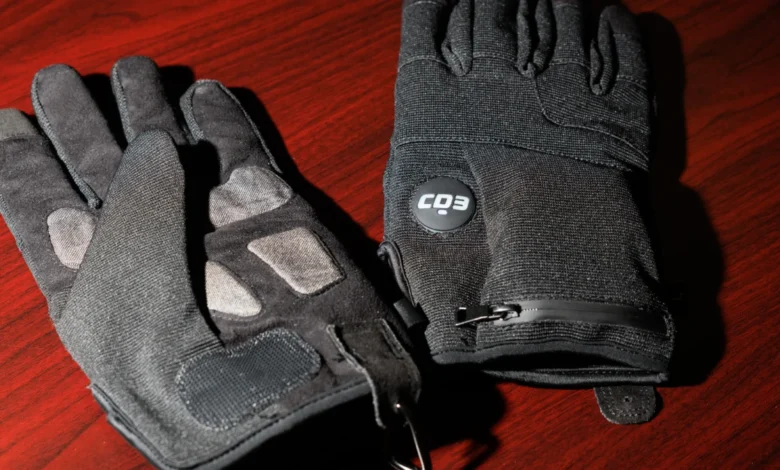
California Governor Gavin Newsom officially signed legislation on Tuesday prohibiting law enforcement agencies within the state from utilizing electric shock gloves, a move that places the state on a direct collision course with federal immigration authorities. The devices, known as Generated Low Output Voltage Emitters (G.L.O.V.E.), are designed as pain-compliance tools that deliver electric shocks to individuals, functioning similarly to traditional Tasers but operating at a lower, continuous voltage. This legislative action represents a significant escalation in California’s ongoing efforts to restrict the methods used by federal agents, particularly Immigration and Customs Enforcement (ICE), within its borders.
The Legislative Landscape and Scope of the Ban
The newly signed bill, which is scheduled to take effect in 2027, establishes a firm boundary regarding the equipment that can be employed during arrests and detentions in California. The state’s decision comes in the wake of a controversial $16.7 million procurement deal by ICE, which purchased approximately 6,000 pairs of these gloves for use by its personnel. Human rights advocates, medical professionals, and civil liberties groups have roundly condemned the deployment of the technology, characterizing it as inherently abusive equipment that facilitates torture.
Governor Newsom framed the decision as a necessary intervention to protect the safety and civil rights of residents in the face of what he described as federal overreach. "Trump has put his political interests above the health, safety and livelihood of American families," Newsom stated upon signing the legislation. "California is taking action to strengthen transparency, accountability, and oversight around immigration enforcement in our state. This is about stepping up where the federal government has failed our communities."
The ban on shock gloves is one component of a broader legislative package aimed at curbing the influence of federal immigration enforcement. Other measures included in this suite of bills feature a 25 percent tax on private corporations that operate immigration detention facilities within California, a mandate for increased oversight of federal detention centers, and an attempt to prohibit federal agents from utilizing face coverings during operations—a move that has already faced significant legal challenges from the federal judiciary.
A History of Controversy and Litigation
The push for a ban was fueled by a growing body of evidence suggesting that the gloves are frequently used in ways that exceed safety guidelines, leading to severe physical harm. The technology, manufactured by Compliant Technologies, has been the subject of multiple high-profile lawsuits, raising questions about the training protocols and the physical consequences of prolonged electrical exposure.
A notable example cited in the legal push is a pending wrongful death lawsuit involving a 43-year-old man named Jonathan Mansfield. The suit alleges that correction officers shocked Mansfield 27 times with the electric gloves and an additional 13 times with a Taser during a confrontation in a jail facility. Forensic accounts within the litigation claim that two of the shocks delivered by the gloves lasted 45 and 99 seconds, respectively—figures that stand in stark contrast to the manufacturer’s recommended safety threshold of 15 seconds.
Furthermore, in 2023, a former inmate at Kentucky’s Bullitt County Jail initiated a lawsuit after being repeatedly shocked while already restrained. The plaintiff, Josh Elswick, described the experience as being akin to a Taser, but with the added trauma of being incapacitated while in handcuffs and shackles. Following the public outcry surrounding that incident, the Bullitt County Jail reportedly ceased the use of the devices, illustrating that the concerns regarding these tools extend beyond the current California-federal conflict.
The Conflict Between State Sovereignty and Federal Authority
The legality of California’s new ban remains tenuous, as the Department of Homeland Security (DHS) has signaled an intent to disregard the state-level restrictions. The dispute highlights a profound constitutional tension regarding the Supremacy Clause, which generally establishes that federal law takes precedence over conflicting state laws.
A spokesperson for the Department of Homeland Security issued a sharp rebuke following the bill’s signing, characterizing the move as a dangerous obstruction of law enforcement operations. "Sanctuary politicians attempting to ban our federal law enforcement from any safety equipment is despicable and a deliberate attempt to undermine and endanger our officers," the spokesperson stated. "To be crystal clear: we will not abide by unconstitutional bans. The Supremacy Clause makes it clear that California’s sanctuary politicians do not control federal law enforcement."
Legal analysts suggest that this confrontation is likely headed for federal court. The primary question will be whether a state can dictate the equipment used by federal agencies operating within its jurisdiction. While states have broad authority to regulate their own police departments, the application of such bans to federal agents—who operate under the authority of the executive branch—is a complex legal territory that has rarely been tested in this specific context.
Data and Safety Concerns Regarding Pain Compliance
The debate over the gloves is part of a larger conversation regarding "less-lethal" weapons and the definition of force. Supporters of the gloves, including some law enforcement agencies, argue that the tool provides an alternative to more lethal force, such as firearms, and is effective at de-escalating volatile situations where an officer might otherwise need to engage in physical combat.
However, medical experts have frequently pointed to the dangers of "pain compliance" tools when used in non-standard ways. The lack of standardized oversight and the variability in how different jurisdictions train their officers to use these gloves have led to concerns regarding the potential for misuse. Because the gloves allow an officer to deliver a shock simply by making contact, they provide a lower barrier to entry for the use of force compared to traditional Tasers, which require aiming and firing a projectile. This ease of use, critics argue, increases the likelihood that the devices will be used for punishment or intimidation rather than genuine defensive necessity.
Broader Implications for Immigration Policy
The legislative shift in California reflects a growing trend of states asserting their autonomy against federal immigration policies. By imposing taxes on private detention facilities and restricting the equipment used by federal agents, California is attempting to create an environment where federal enforcement is significantly more difficult to carry out.
The 25 percent tax on private immigration detention operators is designed to make the business model of these facilities less profitable, potentially forcing a reduction in their footprint in the state. Meanwhile, the oversight requirements for federal detention centers are intended to ensure that federal authorities are held to the same standards as state and local facilities regarding inmate treatment and facility conditions.
As 2027 approaches, the implementation of the shock glove ban will serve as a bellwether for the future of state-federal relations. Should the ban survive potential court challenges, it could set a precedent for other states seeking to impose similar restrictions on federal agents. Conversely, if federal courts strike down the law, it would reaffirm the primacy of federal authority in immigration enforcement, potentially emboldening federal agencies to expand their use of controversial equipment across the country.
For now, the situation remains in a state of high tension. With California officials committed to enforcing the new ban and federal officials pledging to ignore it, the state’s jails and detention centers are set to become a focal point of a significant legal and political struggle over the limits of police power and the protections afforded to those in custody. The outcome of this standoff will likely influence the future of law enforcement tactics and the ongoing debate over the treatment of immigrants in the United States for years to come.