The pristine hydrothermal landscape of Yellowstone National Park faced an unprecedented environmental challenge in 2026, as park officials recorded a staggering surge in foreign objects discarded or lost within its delicate geyser basins. According to a formal report released on September 14, 2026, by the U.S. Geological Survey (USGS), visitors dropped more than 25,000 individual items into the park’s hydrothermal features over the course of the year. This figure represents a record-breaking volume of debris, marking a 50 percent increase in recovered materials compared to the previous year, and highlighting a growing tension between record-high tourism levels and the preservation of one of the world’s most unique geological ecosystems.
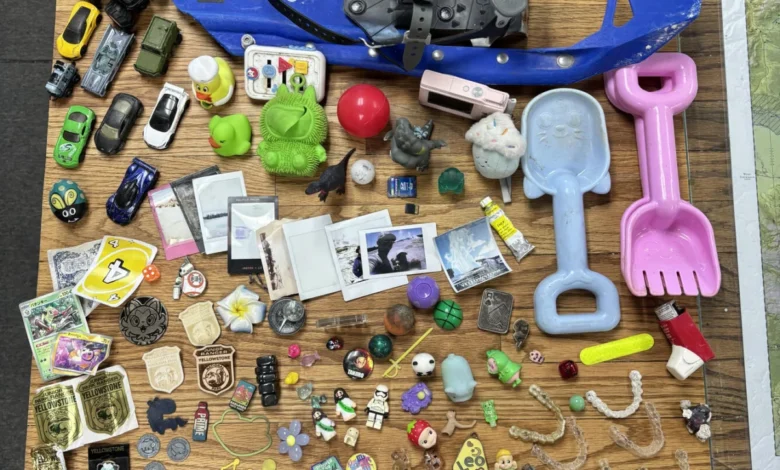
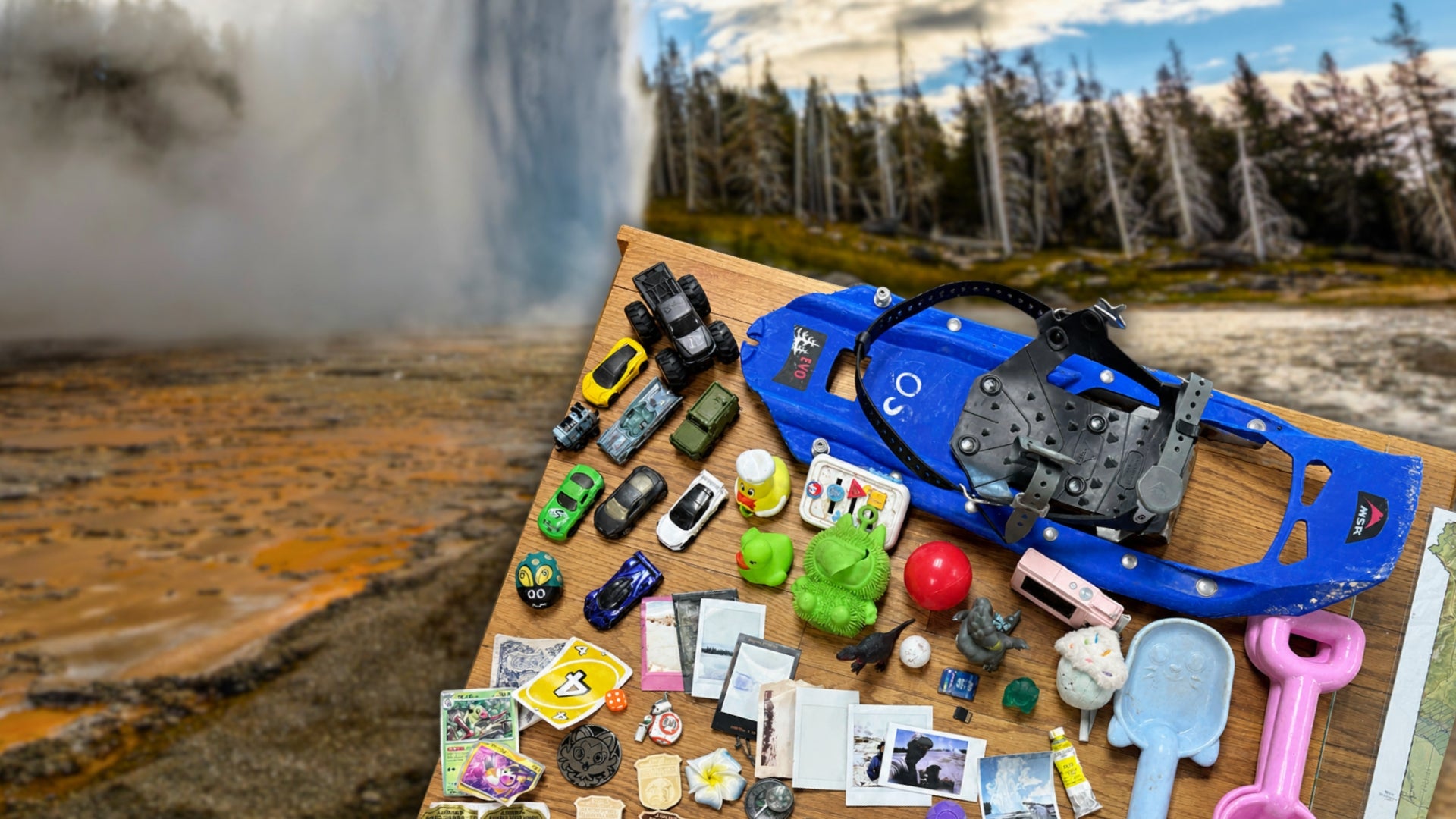
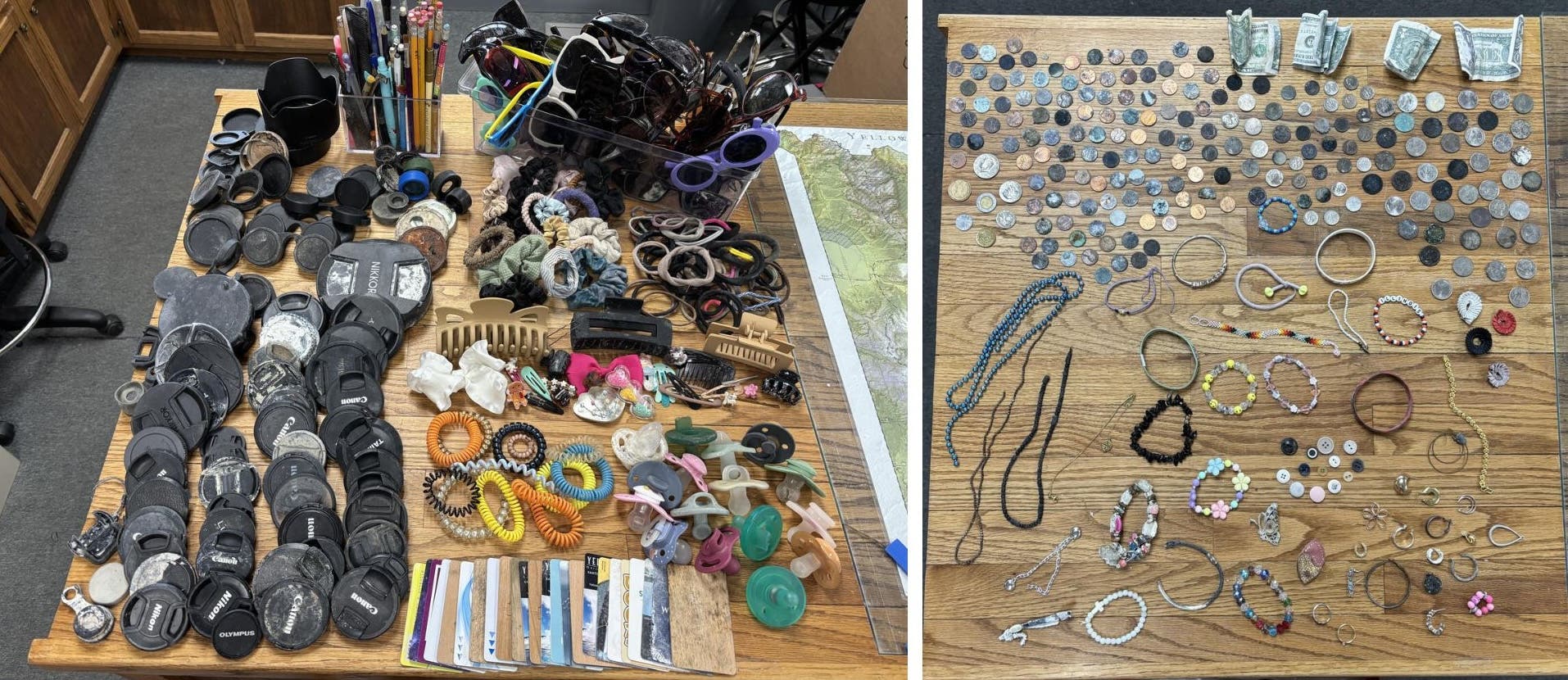
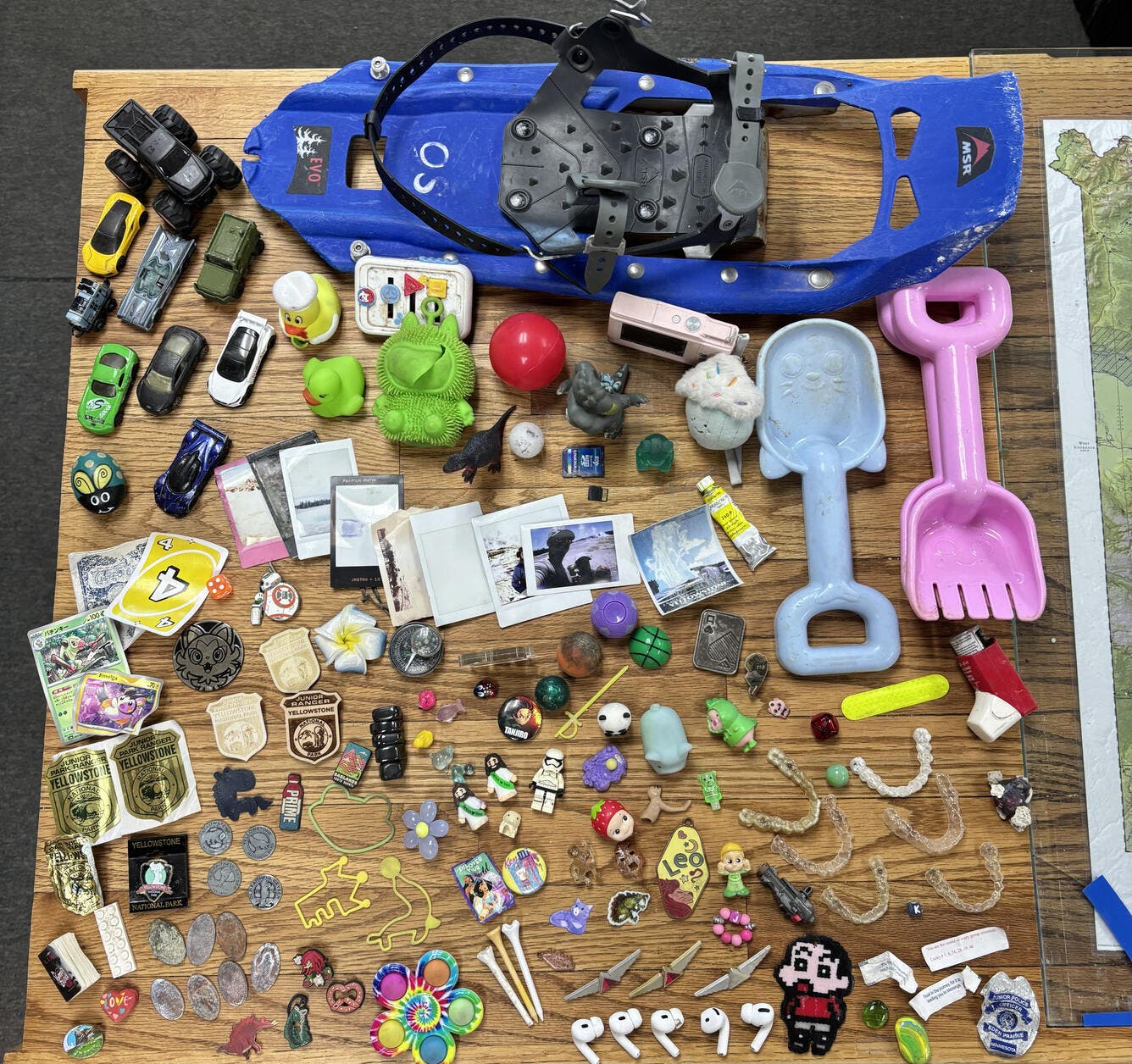
The recovered haul is as diverse as it is alarming. Park maintenance and geology crews extracted over 20,100 pieces of trash, 5,600 rocks and sticks, and nearly 300 hats from the thermal areas. Beyond the common detritus of modern tourism—such as camera lens caps, sunglasses, hair ties, and disposable face masks—the list of recovered items reads like a time capsule of consumer excess. Among the more unusual discoveries were 15 fake fingernails, eight miniature race cars, two rubber ducks, a 2010-era McDonald’s toy, and even a two-inch miniature copy of The Vampire Diaries. Other notable finds included golf tees, Lego bricks, dental retainers, and three commemorative lapel pins distributed by Delta Airlines.
A Chronology of Accumulation
The accumulation of human-made debris in Yellowstone is not a new phenomenon, but the 2026 figures indicate a significant acceleration. The history of cleanup efforts dates back to 1942, when early park geologists first identified that the natural drainage and eruptive capacity of various features were being compromised by rocks, logs, and other materials discarded by visitors.
In the decades since, the park has instituted more rigorous monitoring and extraction protocols. By the mid-20th century, the damage to specific features like the Minute Geyser had already become permanent. Once capable of erupting every 60 seconds to a height of 50 feet, the geyser was effectively stifled by visitors throwing rocks into its vent. These rocks have since been cemented into the plumbing of the geyser by mineral deposits, meaning the feature can no longer perform its natural cycle and now produces only irregular, minor bursts.
The modern era of data-driven cleanup began in earnest as park visitation surged. In 2025, Yellowstone’s geology team utilized specialized tools, including 16-foot extendable poles, custom-built strainers, and hand rakes, to remove roughly 13,000 pieces of trash. The 2026 data shows that this volume effectively doubled within a single calendar year, tracking closely with the National Park Service’s (NPS) report that 2.64 million people visited the park between January and July 2026 alone—a figure nearly mirroring the peak attendance recorded in 2021.
The Mechanics of Environmental Degradation
The presence of foreign objects in hydrothermal features is far from a mere aesthetic nuisance; it is a critical threat to the geological and biological integrity of the park. Margery Price, a physical science technician with the NPS and author of the 2026 USGS report, emphasizes that the issue is particularly acute in basins with high foot traffic. "The more foot traffic an area gets, the more trash will be there—but this is especially true in wide open geyser basins with narrow boardwalks," Price noted. "Midway Geyser Basin in particular is our biggest hat collector."
The physical impact of this debris is multifaceted. When a non-natural object enters a hot spring or geyser, it can create a partial or total blockage of the conduit through which superheated water and steam escape. By restricting the flow of hot water, the object can alter the internal pressure of the hydrothermal feature, leading to reduced eruption frequency or, in some cases, the total cessation of activity. Furthermore, these objects can disrupt the delicate chemical balance of the springs. The introduction of synthetic materials can alter the temperature and pH of the water, which in turn impacts the specialized heat-loving microorganisms, or thermophiles, that thrive in these extreme environments.
The Lifecycle of Lost Items
Retrieving these items is a logistical and physical challenge that is often limited by the nature of the terrain. While some shallow pools allow for systematic cleaning, many of the park’s deeper, more volatile features are inaccessible. "Some areas are shallow, and we can see most if not all of what’s in them," Price explained. "Others, it’s just not possible for us to retrieve stuff that is too deep, at a challenging angle, or too far out from the edge. Most things sink eventually—especially once they get saturated with minerals."
Geologist Liam Rogers notes that while many items remain permanently submerged, the geology of the park can be unpredictable. Geysers are dynamic, pressurized systems, and they have been known to "reclaim" their contents. A notable example occurred in September 2018, when Ear Spring, a feature in the Upper Geyser Basin, erupted with enough force to expel a significant quantity of historical debris. The eruption ejected coins, cans, plastic cups, and cigarette butts, some of which dated back to the 1930s. This event served as a stark reminder that the park’s hydrothermal features act as a repository for human activity, one that can unexpectedly resurface.
Safety and Stewardship: The Human Cost
Beyond the environmental impact, the quest to recover lost items—or the simple act of dropping them—poses a grave safety risk to visitors. Todd Walton, director of sales and marketing for Yellowstone National Park Lodges and a former park guide, emphasizes that the primary goal should be prevention. "I’ve seen gloves, cups, and sunglasses also," Walton said. "Hold onto your stuff."
Walton stresses that visitors often underestimate the volatility of the ground they are standing on. Thermal areas throughout the park frequently feature temperatures ranging from 150 to 200 degrees Fahrenheit, and the crust surrounding these features can be deceivingly fragile. Despite clear signage and mandated boardwalks, visitors occasionally venture off-path, often leading to tragic outcomes. Since record-keeping began, more than 20 people have died from thermal burns in the park. In August 2022, the recovery of a 70-year-old man from the 140-degree Abyss Geyser in the West Thumb Geyser Basin served as a somber reminder of the life-threatening nature of these basins.
Broader Implications and Future Management
The 2026 record-breaking debris count suggests that existing educational outreach programs may need to be bolstered as tourism numbers remain consistently high. The USGS report serves as an objective call to action, illustrating that the preservation of Yellowstone requires active participation from the public.
The implications of continued pollution are clear: without strict adherence to stay-on-boardwalk policies and increased vigilance regarding personal items, the park’s hydrothermal features face a slow, cumulative degradation. As the minerals within the geysers continue to coat and cement foreign objects, the potential for permanent damage to the park’s iconic geysers increases. For the scientific community, the focus remains on long-term monitoring and the development of more efficient, non-invasive extraction methods. For the visiting public, the message from the National Park Service is unequivocal: the geysers are not trash receptacles, and the items lost today may well remain in the landscape for generations to come, altering the very natural wonders that millions travel from across the globe to witness.