The North Face, a subsidiary of VF Corporation, has solidified its position as a dominant force in the global outdoor apparel market by balancing technical performance with a robust consumer incentive ecosystem. In an era defined by fluctuating discretionary spending and a heightened focus on environmental social governance (ESG), the brand has implemented a multi-tiered strategy to maintain market share and foster long-term brand loyalty. This strategy encompasses a sophisticated rewards program, targeted demographic discounts, and a pioneering approach to the circular economy through its "Renewed" and "Remade" initiatives. As the outdoor gear industry continues to expand—projected to reach a global valuation of over $30 billion by 2028—The North Face is leveraging these programs to transition from a traditional retailer to a comprehensive lifestyle and sustainability partner for consumers.
The core of the brand’s customer retention strategy is the XPLR Pass, a loyalty program designed to gamify the shopping experience while gathering critical consumer data. The program functions on a point-based system where members earn one point for every dollar spent. This mechanism is supplemented by non-transactional engagement; members can accrue points by utilizing the brand’s mobile application to check in at National Parks or by opting for sustainable practices, such as using reusable bags during in-store purchases. Upon reaching the 100-point threshold, members receive a $10 reward, with a maximum accrual limit of $50 per cycle. These cycles are strategically timed to align with peak shopping seasons in March, June, and October, ensuring that consumer credit is available during periods of high demand for seasonal gear.
Beyond general loyalty, The North Face has targeted specific demographics that represent high-value, long-term consumer segments: students, educators, and military personnel. By offering a consistent 10% discount to these groups, the brand acknowledges the economic pressures facing these sectors while securing brand affinity among younger populations and those in demanding professions. The verification process, facilitated through third-party services like SheerID, allows the brand to maintain the integrity of these discounts while streamlining the user experience. Industry analysts suggest that such targeted incentives are crucial for outdoor brands looking to penetrate the "Generation Z" market, which prioritizes both value and corporate values.
A significant pillar of The North Face’s current business model is its commitment to sustainability, which has evolved from a marketing sentiment into a functional segment of its operations. The "Renewed" program represents a sophisticated entry into the resale market, which is currently growing eleven times faster than traditional retail. Through this program, consumers can trade in used gear for credit ranging from $10 to $50. This gear is then professionally cleaned, repaired, and resold at a significant discount—sometimes up to $250 off the original retail price. This initiative serves a dual purpose: it lowers the barrier to entry for price-sensitive consumers and significantly reduces the brand’s environmental footprint by extending the lifecycle of its products.
For items that are beyond repair, the brand utilizes its "Remade" program. This upcycling initiative transforms unsalvageable garments into unique, one-of-a-kind pieces. This approach aligns with the broader "circular fashion" movement, which aims to eliminate waste by keeping materials in use for as long as possible. According to internal reports from VF Corporation, these sustainability efforts are integral to the company’s goal of ensuring all its top materials are recycled, regenerative, or renewable by 2030.
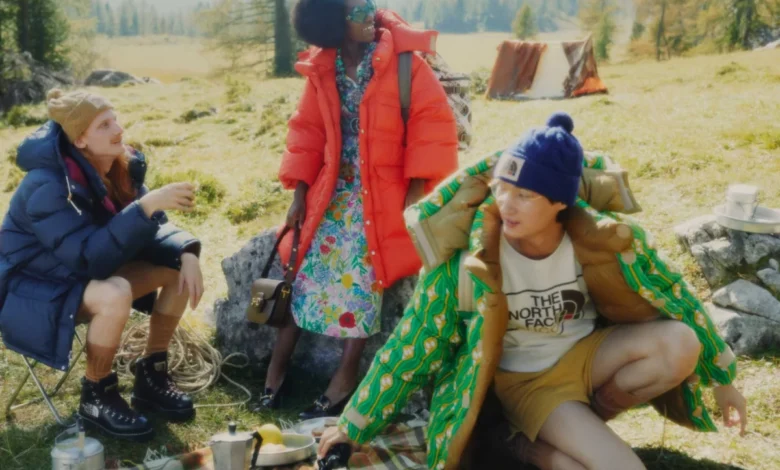
The evolution of The North Face reflects a broader trend in the apparel industry known as "gorpcore," where high-performance outdoor gear is adopted for urban fashion. This trend has seen the brand collaborate with unlikely partners, such as the luxury house Gucci and the shapewear giant Skims. These collaborations have allowed The North Face to command premium pricing while maintaining its "street cred" in metropolitan environments like Toronto, Montreal, and New York. The brand’s ability to remain relevant in both the professional climbing circuit and the high-fashion runway is a testament to its versatile product design.
Technological innovation remains at the forefront of the brand’s product development. The Aconcagua 3 jacket, a staple mentioned in recent consumer guides, exemplifies the brand’s technical prowess. It utilizes a blend of 600-fill-power down and synthetic insulation to provide warmth even in damp conditions—a common challenge for traditional down jackets. Similarly, the Extreme Pile 2 full-zip jacket utilizes heavyweight fleece technology to meet the demands of sub-zero temperatures. These products are not merely fashion statements; they are engineered tools designed for survival in extreme climates, a fact that remains the foundation of the brand’s reputation.
The North Face was founded in 1966 by Doug Tompkins and Kenneth "Hap" Klopp in San Francisco. Originally a small retail store for high-end climbing and camping equipment, it quickly transitioned into manufacturing. By the 1980s, the brand had added extreme skiwear to its portfolio and eventually became the only supplier in the United States to offer a comprehensive collection of high-performance outerwear, skiwear, sleeping bags, packs, and tents. In 2000, the brand was acquired by VF Corporation, a move that provided the capital necessary for global expansion and the development of the sophisticated marketing and loyalty infrastructures seen today.
Market data indicates that the outdoor apparel sector has seen a surge in interest following the COVID-19 pandemic, as more individuals sought recreation in nature. However, as global inflation has increased the cost of travel and lodging, consumers have become more discerning regarding their equipment purchases. The North Face’s strategy of offering high-quality gear that carries a "lifetime guarantee" serves as a hedge against the "fast fashion" trend. By positioning its products as long-term investments, the brand justifies its higher price points.
The broader impact of The North Face’s business model extends to the legislative and environmental landscape. As governments in Europe and North America begin to consider "Extended Producer Responsibility" (EPR) laws, which hold manufacturers accountable for the entire lifecycle of their products, The North Face’s Renewed and Remade programs provide a blueprint for compliance. By taking responsibility for its products after they leave the store, the brand is anticipating future regulatory requirements while building trust with an increasingly eco-conscious consumer base.
In conclusion, The North Face’s current market strategy is a multifaceted response to the complexities of modern retail. By integrating loyalty rewards like the XPLR Pass with demographic-specific discounts and a robust circular economy model, the brand has created an ecosystem that incentivizes both consumption and conservation. As it continues to navigate the intersection of technical performance and lifestyle fashion, its focus on durability and sustainability will likely remain its most significant competitive advantage. For the consumer, these programs offer a pathway to high-quality gear at a more accessible price point, ensuring that the brand remains a staple in both the wilderness and the city. The North Face has effectively demonstrated that in the modern economy, a brand’s value is determined not just by what it sells, but by how it manages its relationship with the planet and its people.
The brand’s continued success will depend on its ability to maintain the delicate balance between its core identity as a technical gear provider and its growing status as a lifestyle icon. With the outdoor industry facing new challenges from climate change and shifting consumer behaviors, The North Face’s commitment to innovation and circularity positions it to lead the sector into a more sustainable and consumer-centric future. Whether through a $10 promo code or a $250 discount on a refurbished parka, the brand remains dedicated to the philosophy that "exploration should never stop," provided it is done responsibly.
Related posts: