A Comprehensive Guide to the Palisade Wine and Fruit Byway: Navigating Colorados Premier Agritourism Destination by Bicycle

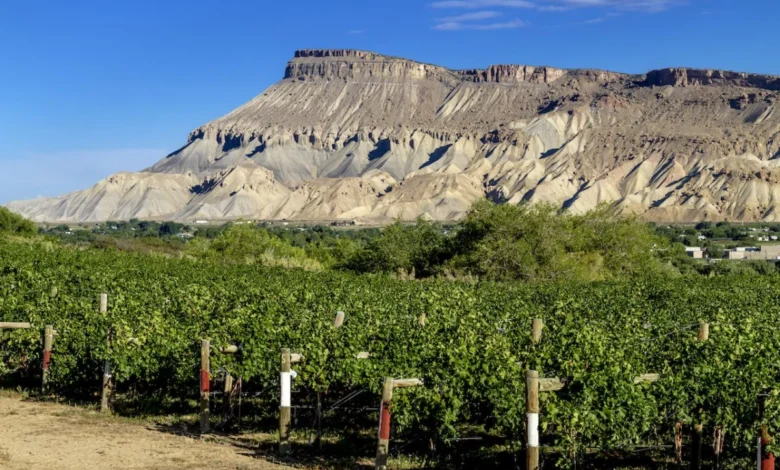
The town of Palisade, Colorado, situated in the high-desert landscape of the Grand Valley, has emerged as the epicenter of the state’s viticulture and agritourism industry. Defined by its unique microclimate and the presence of the Colorado River, the region offers a specialized experience for visitors through the Fruit & Wine Byway. This network of roads allows for a decentralized exploration of more than 30 wineries, numerous orchards, and artisanal cider houses. For many travelers, the preferred method of navigation is the bicycle, a choice that aligns with the town’s emphasis on "slow travel" and sustainable tourism. As the region continues to grow in national prominence, understanding the logistical, geographical, and economic frameworks of Palisade’s wine country becomes essential for a comprehensive view of Colorado’s agricultural evolution.
The Logistics of Agritourism: Transportation and Preparation
The infrastructure supporting Palisade’s bike-centric tourism is anchored by local enterprises like Palisade Cycle and Shuttle. Industry data suggests that the demand for non-motorized transport in agritourism zones has risen significantly as travelers seek immersive experiences. Rental services in the area typically offer cruiser bikes for approximately $45 per day, while electric bicycles (e-bikes) are available for roughly $55. The inclusion of e-bikes has democratized the experience, allowing a broader demographic of visitors to navigate the varying elevations of the East Orchard Mesa without the physical strain traditionally associated with high-altitude cycling.
Preparation for the Palisade climate is a critical safety factor. The region is characterized by a semi-arid climate where summer temperatures frequently exceed 95 degrees Fahrenheit. Journalistic observation of the area’s tourism patterns highlights a common risk: the "double hit" of dehydration caused by physical exertion and alcohol consumption. Local safety guidelines strongly recommend the use of hydration packs, such as CamelBaks, to ensure a constant supply of water. This preventative measure is not merely a comfort consideration but a logistical necessity to mitigate heat-related illnesses and the physiological effects of wine tasting in a high-elevation environment (approximately 4,728 feet above sea level).
Structural Overview of the Fruit & Wine Byway
The Fruit & Wine Byway is organized into three distinct loops, each offering a different level of physical challenge and a different perspective on the region’s agricultural output. The roads are paved, though visitors must navigate gravel driveways at many estate entrances.
The West Cruiser Loop: Urban Integration and Diversity
The West Cruiser Loop represents the most accessible entry point for visitors. Spanning seven miles roundtrip, this flat route integrates the downtown corridor with the immediate surrounding vineyards. It serves as a microcosm of the region’s viticultural diversity. Key stops include The Ordinary Fellow, which has gained attention for its blend of traditional varietals and fruit wines, and Grand River Vineyards, an established entity specializing in dry reds and whites such as Viognier and Meritage.
This loop also highlights the aesthetic value of the region, with stops like Cliff Dweller Wine Co. providing direct views of Mt. Garfield. The route concludes for many at Maison La Belle Vie, a French-style estate that emphasizes the synergy between local produce and traditional winemaking, famously utilizing Palisade peaches in its "vin de pêche."
The East Cruiser Loop: Scenic Vistas and Large-Scale Operations
The East Cruiser Loop shifts the focus toward the dramatic geography of the Grand Valley. This route follows the Colorado River and provides a closer look at the Bookcliffs rock formations. It features Colterris, the largest vineyard operation in the valley. Colterris has been a leader in modernizing the local industry, being the only major producer in the area to offer high-quality wines in both bottles and cans—a move that reflects broader national trends in portable, outdoor-friendly wine consumption. Bookcliff Vineyards, another primary stop on this route, serves as a case study in high-altitude viticulture, producing full-bodied Malbecs that thrive in the intense ultraviolet light of the Western Slope.
The East Orchard Mesa Loop: The High-Intensity Challenge
For visitors seeking a more rigorous experience, the East Orchard Mesa Loop offers a 25-mile roundtrip journey. This route involves a significant ascent onto the mesa, a climb that takes approximately 10 minutes of sustained effort. The infrastructure here includes dedicated bike sidewalks to separate cyclists from agricultural and tourist traffic.
The mesa is home to Talbott’s Cider Company, which represents the region’s historical roots in fruit farming. Talbott’s provides an alternative to the grape-centric industry, offering hard ciders and operating an on-site farmer’s market. Further along the loop, Restoration Vineyards and Carlson Vineyards demonstrate the maturity of the local wine scene. Carlson Vineyards, in particular, is noted for its "NSFW" (Not Safe For Work) labels, showcasing a marketing strategy that balances high-quality production with a modern, approachable brand identity.
Economic and Cultural Implications of Palisade Viticulture
The growth of Palisade’s wine industry is a significant contributor to the Western Slope’s economy. According to economic impact studies regarding Colorado’s wine industry, the sector contributes over $300 million annually to the state’s economy, with the Grand Valley American Viticultural Area (AVA) being the primary driver. The transition from a purely peach-and-pear-based economy to a diversified wine-and-tourism hub has stabilized the region against fluctuations in crop prices and climate-related agricultural losses.
Industry experts and local winemakers suggest that the "Palisade experience" is defined by its accessibility. Unlike more commercialized regions such as Napa Valley, Palisade maintains a "working farm" atmosphere. This is reflected in the lodging options, which range from the Victorian-style Wine Country Inn—offering 80 rooms and daily guest tastings—to the modern Spoke and Vine Motel, which caters specifically to the cycling demographic by providing on-site rentals.
Geographic and Infrastructural Anomalies: The Grid System
A unique aspect of the Palisade experience is the unconventional street-naming convention, which often confuses first-time visitors. The system is based on mathematical distance from the Colorado-Utah border. North-south roads are numbered (e.g., 29 Road) to signify the number of miles from the state line. East-west roads use a lettering system, where each letter represents a mile. Fractional roads, such as "F 1/4 Road," indicate precise distances between major mile markers.
Originally designed to help farmers identify and navigate specific agricultural plots, this system now serves as a navigational tool for tourists. It provides a level of geographic precision that is rare in rural areas, allowing cyclists to calculate their exact mileage and progress along the byway.
Broader Industry Perspectives and Future Outlook
The success of Palisade’s agritourism model has implications for other rural communities in the American West. By leveraging natural geography—specifically the "Million Dollar Breeze" (a down-valley wind that protects crops from late-spring frosts)—and investing in multi-modal transport infrastructure, Palisade has created a resilient tourism product.
For those who prefer not to cycle, the emergence of specialized transport services like Pali-Tours indicates a maturing market. The use of 6×6 military vehicles for vineyard tours represents a shift toward "experience-based" luxury that deviates from traditional limousine services. Furthermore, the integration of rafting on the Colorado River with wine tasting ("Water to Wine" packages) suggests a trend toward multi-sport tourism, where the wine industry serves as the anchor for a broader outdoor recreation economy.
As the Colorado River basin faces ongoing discussions regarding water rights and climate change, the vineyards of Palisade stand as a testament to efficient land use and the high value of agritourism. The region’s ability to draw visitors from across the country to a small, formerly quiet farming town illustrates the power of a well-integrated, localized brand.
Conclusion: The Immersive High-Desert Experience
Palisade’s transformation into a premiere wine destination is the result of strategic planning, geographical fortune, and a commitment to maintaining a specific cultural identity. Whether through the 25-mile endurance test of the East Orchard Mesa or a casual seven-mile ride through the West Cruiser Loop, the town offers a structured yet flexible way to engage with the land. The combination of high-altitude viticulture, unique navigational systems, and a robust hospitality infrastructure ensures that Palisade remains a critical case study in the success of American agritourism. For the visitor, the experience is a blend of physical activity and sensory exploration, all set against the stark, beautiful backdrop of the Colorado River valley.
Related posts: