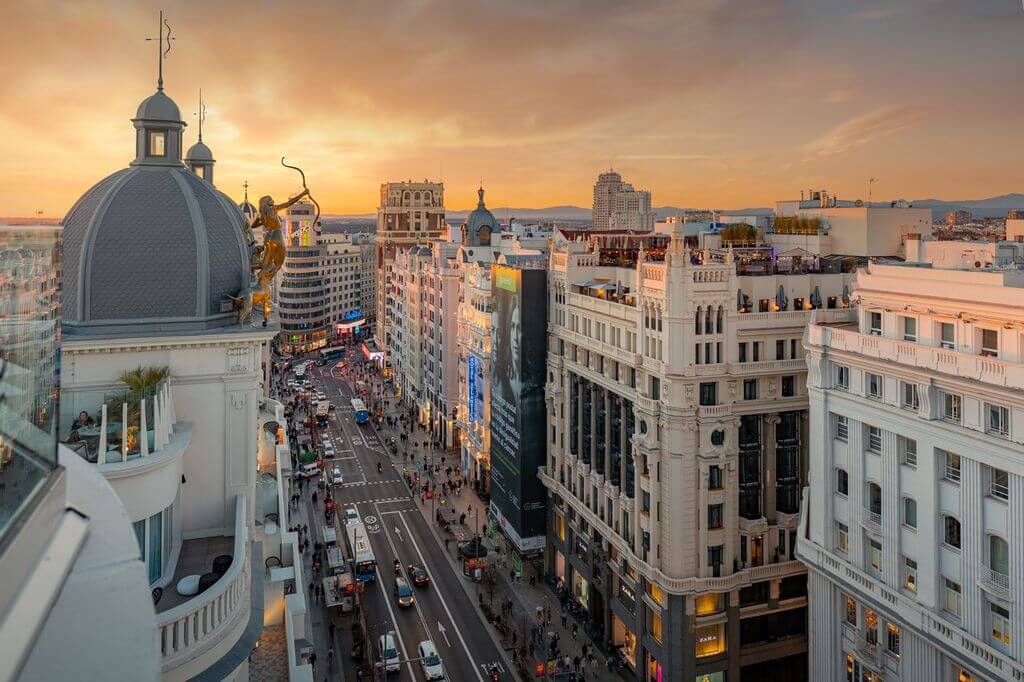
Home to approximately 3.5 million residents, Madrid serves as the administrative, financial, and cultural nerve center of Spain. As the nation’s capital and its most populous municipality, the city functions as a sprawling urban landscape that harmonizes deep-rooted historic preservation with the demands of a modern European metropolis. With an annual influx of over 10 million visitors, the city has solidified its status as a primary destination for international tourism, driven by its world-class museum infrastructure, diverse culinary landscape, and a distinctive social rhythm that defines its regional identity.
The city’s urban character is marked by a deliberate, slower pace of life, a cultural phenomenon often contrasted with the faster-paced commercial hubs of Northern Europe. This "late-night" culture, characterized by evening dining schedules and extended social activity, is not merely a lifestyle choice but a reflection of the city’s historic adaptation to its climate and social structures. For the visitor, navigating this environment requires an understanding of the city’s temporal shifts—a challenge that often necessitates a structured approach to exploration.
Chronology of the Madrid Art Walk and Historic Core
The urban development of Madrid can be divided into distinct historical phases, ranging from the medieval and Renaissance layout of the Habsburg era to the modern institutionalization of its artistic heritage.
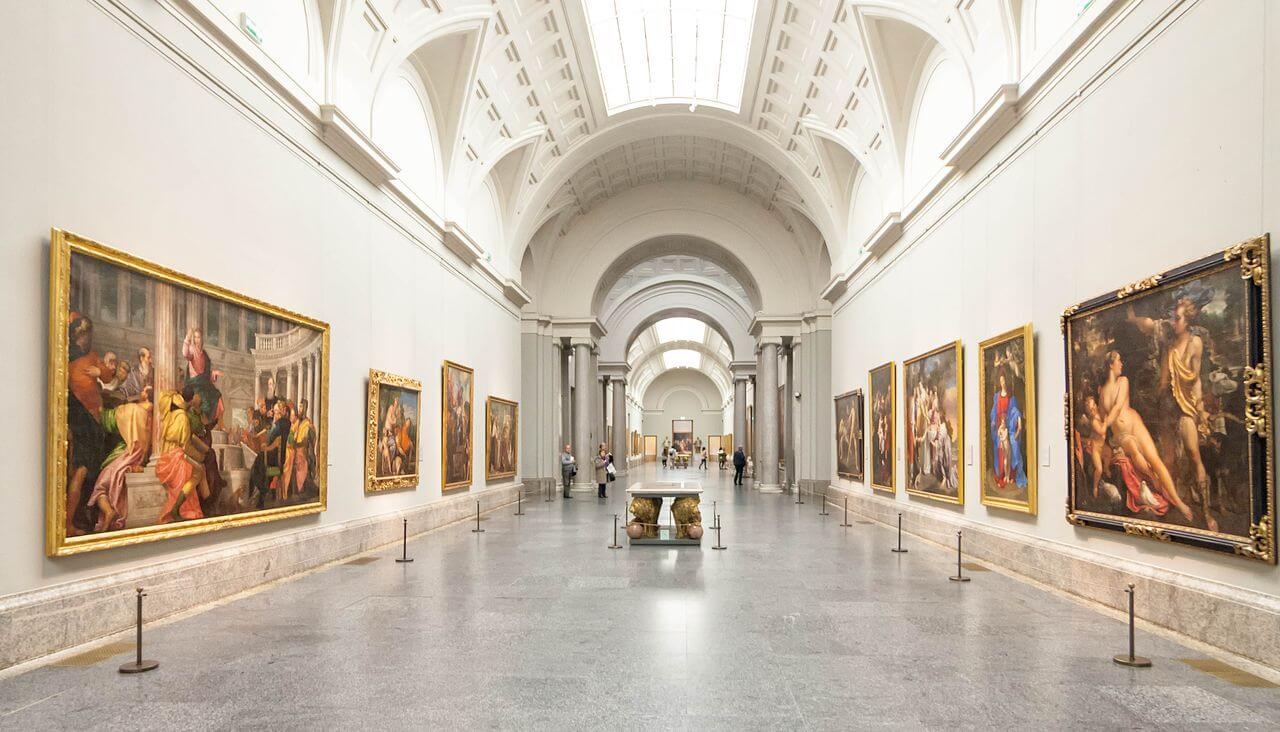
The primary cultural axis, known as the "Landscape of Light," was designated a UNESCO World Heritage site in 2021. This area encapsulates a symbiotic relationship between nature and urban architecture. The chronological development of the city’s art infrastructure began in earnest with the founding of the Prado Museum in 1819. Today, the Prado serves as the anchor of the "Art Walk," housing a collection that traces the evolution of European painting from the 12th to the early 20th century, with significant holdings of Spanish masters such as Velázquez and Goya.
Following the cultural expansion of the 19th and 20th centuries, the Thyssen-Bornemisza Museum—which transitioned from a private collection to a national institution in the 1990s—and the Reina Sofía National Art Center, established in 1992, completed the city’s "Golden Triangle of Art." The Reina Sofía specifically documents the trajectory of 20th-century art, with Pablo Picasso’s 1937 mural, Guernica, serving as the cornerstone of its modern collection.
Data-Driven Infrastructure and Urban Planning
Madrid’s status as a major European hub is supported by a robust public infrastructure that facilitates the movement of its 3.5 million residents and the millions of annual tourists. The city’s geographic center, marked by "Kilometer Zero" at the Puerta del Sol, serves as the physical and symbolic origin point for the Spanish national highway network. This central hub remains the primary transit node for both the Metro de Madrid, one of the most extensive subway systems in Europe, and the national rail network.
Recent urban planning initiatives have focused on sustainable tourism and the revitalization of historic spaces. The 2026 renovation of the Sorolla Museum, for instance, represents a broader strategic effort to diversify the city’s tourist attractions beyond the primary museum circuit. By highlighting "House Museums"—such as the Lázaro Galdiano and the Museum of Romanticism—the municipal government aims to redistribute visitor density from the central transit hubs to residential areas of cultural significance.
Culinary Evolution and Economic Impact
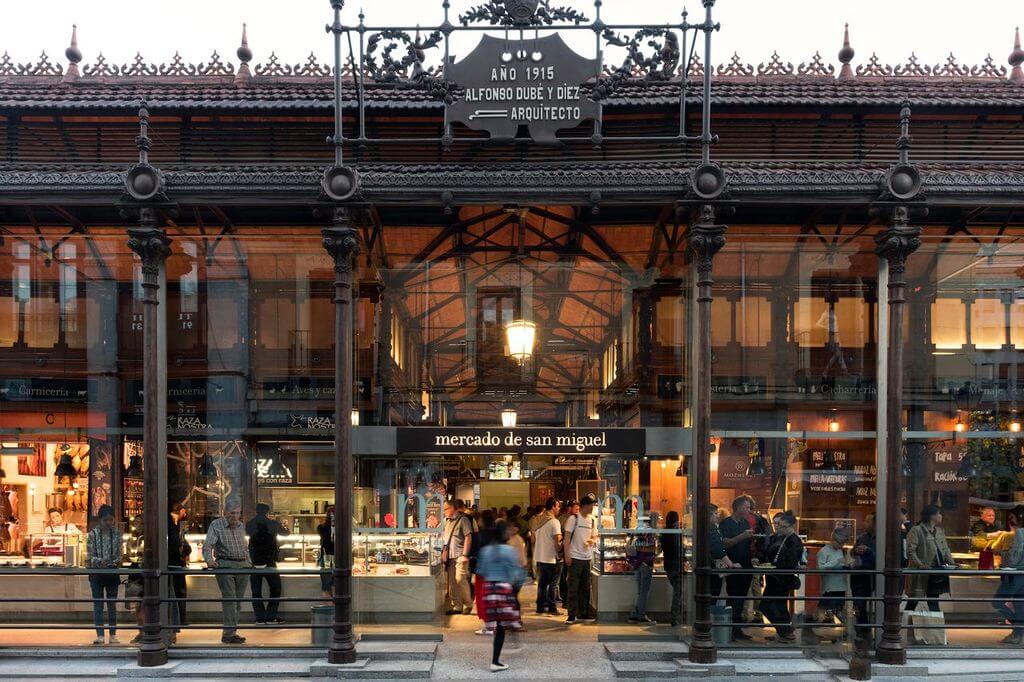
The culinary sector in Madrid is a critical pillar of the local economy. Beyond the traditional tapas culture, the city has seen a formalization of its gastronomic markets. The Mercado de San Miguel, once a traditional neighborhood market, has been successfully repurposed into a high-end gastronomic destination that serves as a model for urban redevelopment.
Economic data suggests that Madrid’s focus on its culinary heritage, including the preservation of historic establishments like Sobrino de Botín—recognized by the Guinness World Records as the world’s oldest continuously operating restaurant—provides a stable anchor for the hospitality sector. Furthermore, the city has undergone a significant shift in its dietary offerings. The rise of a sophisticated plant-based dining scene in districts such as Malasaña indicates an alignment with international culinary trends, positioning Madrid as a competitive destination for a diverse demographic of international travelers.
Administrative and Architectural Landmarks
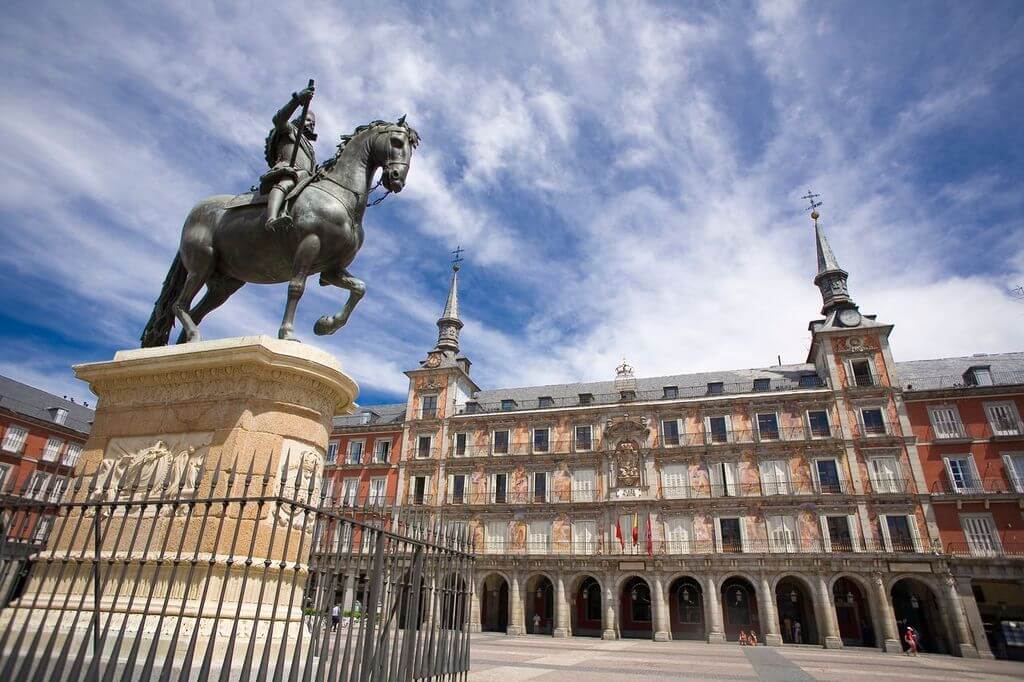
The city’s architecture is largely defined by the "Habsburg Madrid" period, centered around the Plaza Mayor. This square, which historically functioned as the site for public spectacles, markets, and judicial proceedings, now serves as the administrative heart of the city’s historic tourism.
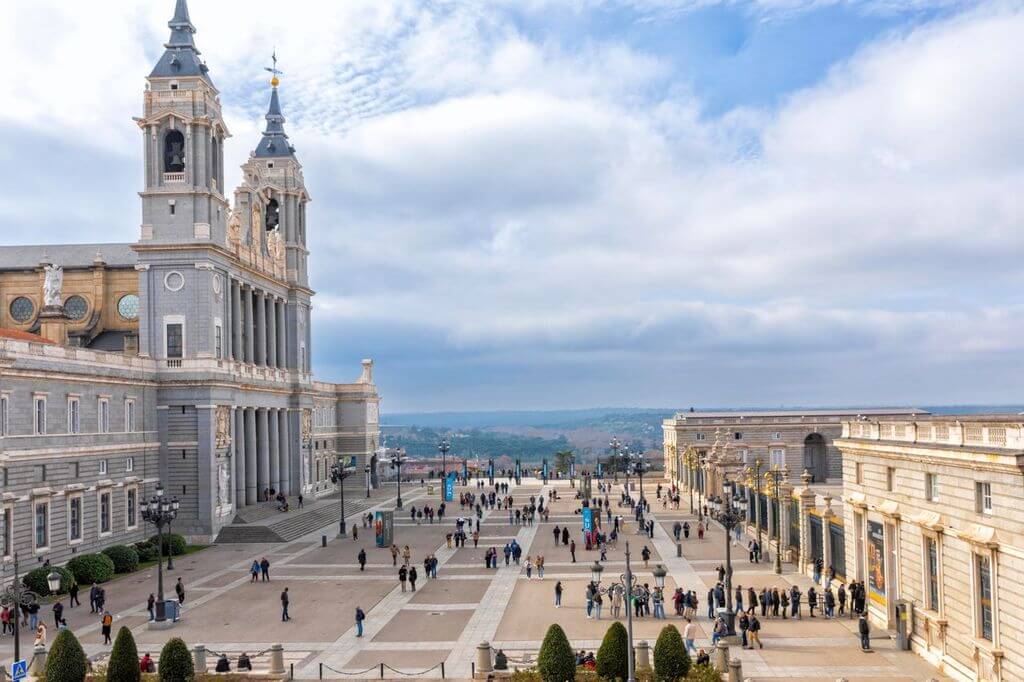
Adjacent to this lies the Royal Palace, an 18th-century Baroque structure built on the site of a 9th-century fortification. While the palace remains the official residence of the Spanish monarchy, it is primarily utilized for state functions. The management of the palace, along with the adjacent Almudena Cathedral, demonstrates the city’s integration of religious and civil history. The Cathedral, completed only in 1993, serves as a modern architectural contrast to the surrounding centuries-old structures, highlighting the city’s ongoing evolution.
Broader Impact and Regional Implications
The influence of Madrid extends well beyond its municipal boundaries, as evidenced by the high concentration of UNESCO World Heritage sites in the surrounding region. The Monastery of San Lorenzo de El Escorial, the Royal Palace of Aranjuez, and the university city of Alcalá de Henares form a secondary tourism loop that alleviates pressure on the city center while boosting the economies of the neighboring provinces.
These sites provide a comprehensive overview of the Spanish Golden Age (1492–1659). The administrative preservation of these sites is overseen by the National Heritage (Patrimonio Nacional), which ensures that the maintenance of these structures serves both educational and conservationist goals.
Strategic Recommendations for Sustainable Tourism
As Madrid continues to manage high visitor volumes, institutional guidance emphasizes the necessity of dispersing tourism throughout the week and across the wider metropolitan area. Experts suggest that visitors prioritize:
- Cultural Immersion: Engaging with the "House Museums" to gain insight into the private lives of Spanish historical figures, which offers a more intimate perspective than the large-scale state museums.
- Strategic Scheduling: Utilizing the city’s late-evening dining culture to experience local neighborhoods like La Latina, which provides a more authentic interaction with the city’s socioeconomic fabric than central tourist zones.
- Regional Exploration: Utilizing high-speed rail and regional transit to visit UNESCO sites within a 60-minute radius, which helps distribute the economic benefits of tourism more equitably across the region.
The city’s ability to remain a top-tier European destination depends on its continued investment in its public spaces, such as the 17-square-kilometer Casa de Campo park. As the largest public park in the city, Casa de Campo acts as a critical "green lung," balancing the dense urban development of the city center with recreational space that is accessible to both the local population and the international visitor.
In conclusion, Madrid remains a complex urban environment where the preservation of historical artifacts, the promotion of contemporary culinary and artistic movements, and the maintenance of modern infrastructure must be managed in tandem. By adhering to a balanced itinerary that incorporates both the established cultural milestones and the secondary, off-the-beaten-path sites, visitors can effectively navigate the capital while supporting the sustainability of its urban and cultural assets. The city’s endurance as a premier global destination is not merely a result of its historic legacy, but of its ongoing commitment to integrating that legacy with the evolving requirements of a modern, globalized society.