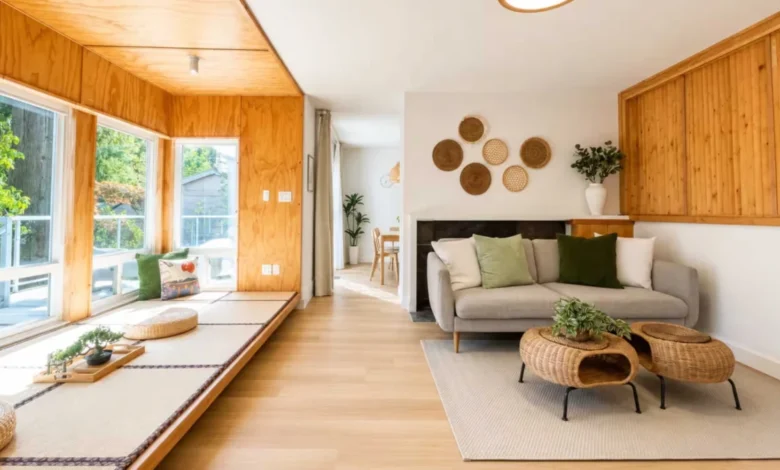
Vancouver, consistently ranked as one of the world’s most liveable cities, offers a unique blend of urban sophistication and rugged Pacific Northwest wilderness. While the bustling downtown core houses many of the city’s premier international hotels, a growing segment of travelers is choosing to bypass traditional lodging in favor of short-term rentals. Opting for an Airbnb situated in Vancouver’s distinct residential neighborhoods provides a more immersive, authentic experience, allowing visitors to live, dine, and explore like lifelong residents.
From the sandy shores of Kits Beach to the historic cobblestone pathways of Gastown and the leafy canopy of Shaughnessy, Vancouver’s diverse micro-communities each tell a different story. For travelers looking to move beyond the standard tourist itinerary, staying outside the immediate commercial center opens doors to neighborhood eateries, community green spaces, and a slower, more localized pace of life.
Navigating the Vancouver Short-Term Rental Landscape
The decision to book an Airbnb in Vancouver requires some strategic planning, largely due to municipal regulations and the distinct geographic layout of the region. The City of Vancouver enforces strict regulations on short-term rentals to protect long-term housing stock. Legally operating Airbnbs must be the host’s principal residence and require a valid business license displayed on the listing. For consumers, sticking to vetted listings—such as those designated with Superhost or Guest Favorite status—ensures compliance, reliability, and high standards of hospitality.
Local experts emphasize that choosing the right neighborhood depends heavily on the traveler’s primary objectives. Car-free visitors will find that Vancouver’s robust public transit network makes neighborhood hopping seamless. The SkyTrain rapid transit system connects the downtown core to Metro Vancouver’s larger suburbs, while an extensive network of buses, the SeaBus passenger ferry, and dedicated bike lanes make navigating the city straightforward. For those prioritizing nature, waterfront properties in Kitsilano or houseboats bobbing peacefully in the harbor provide an immediate connection to the elements. Conversely, travelers seeking architectural charm and culinary trends often gravitate toward historic or up-and-coming districts like Commercial Drive or Mount Pleasant.
Top Neighborhoods for a Neighborhood-First Experience
To fully appreciate Vancouver, travelers must look beyond the gleaming downtown skyscrapers. Each district offers a distinct atmosphere, catering to different travel styles, budgets, and itineraries.
Kitsilano: Beachside Living and Active Lifestyles
Kitsilano, affectionately known as "Kits," is synonymous with Vancouver’s outdoor-centric culture. Centered around Kitsilano Beach—where swimmers enjoy the historic, heated saltwater Kitsilano Pool—this neighborhood blends relaxed coastal living with upscale shopping and dining along West 4th Avenue. Airbnb options here range from modern garden suites to character homes just blocks from the sand.
Gastown: History, Design, and Gastronomy
As Vancouver’s oldest neighborhood, Gastown offers a striking contrast to the modern glass towers of the financial district. Characterized by Victorian architecture, iron lampposts, and the famous steam-powered clock, the area has evolved into a hub for independent design boutiques, cocktail bars, and acclaimed farm-to-table restaurants. Industrial-chic loft apartments dominate the short-term rental market here, placing guests right in the creative pulse of the city.
Commercial Drive: The Eclectic Cultural Hub
Known locally as "The Drive," this East Vancouver neighborhood is celebrated for its multicultural roots, independent spirit, and vibrant community life. Historically the heart of the city’s Italian community, Commercial Drive is now a mosaic of vintage shops, specialized grocers, bohemian cafes, and live music venues. Staying in a character home or a converted heritage suite here offers a glimpse into authentic East Side living.
Shaughnessy: Quiet Luxury and Historic Canopy
For travelers seeking tranquility and architectural grandeur, Shaughnessy provides an upscale residential escape. Established in 1907 by the Canadian Pacific Railway, the neighborhood is renowned for its sprawling heritage mansions, manicured gardens, and towering trees. While largely residential, staying in this pocket offers a peaceful retreat while remaining minutes away from the galleries and gardens of South Granville.
Transportation and Accessibility: Getting Around the City
Efficient transit planning is essential for maximizing a stay in Vancouver. For visitors based in the heart of the city, walking and cycling are often the most rewarding modes of transportation. The city boasts an expansive, continuous seawall that stretches from Stanley Park around False Creek, making it a haven for cyclists and pedestrians.
The public transit system, operated by TransLink, integrates the SkyTrain, SeaBus, and bus networks under a single tap-to-pay fare system using contactless credit cards or Compass cards. This infrastructure allows visitors staying in outlying neighborhoods to reach downtown landmarks, museums, and waterfronts in under thirty minutes. For excursions beyond the metropolitan boundaries—such as road trips to Vancouver Island via BC Ferries or alpine adventures in Whistler—car rentals remain the preferred option, though advance booking is strongly recommended during peak summer and winter seasons.
Suggested Itineraries: Balancing Urban Culture and Wilderness
Industry standards and local tourism boards recommend a minimum stay of three to four days to adequately experience Vancouver’s dual identity as a cosmopolitan hub and an outdoor playground.
A well-rounded three-day itinerary typically divides time evenly between urban exploration and nature immersion. Day one is often dedicated to the city center, exploring world-class institutions like the Vancouver Art Gallery, shopping the stylish boutiques of Robson Street, and sampling the diverse culinary scene driven by Pacific Northwest seafood and Asian fusion cuisine.
Day two shifts focus to the great outdoors. Travelers can rent a bicycle to circumnavigate the 28-kilometer Stanley Park Seawall, visit the totems at Brockton Point, or spend the afternoon paddleboarding in False Creek.
For those with an extended schedule, day three or beyond should include a trip to the North Shore. Attractions such as the Capilano Suspension Bridge Park and the dramatic hiking trails and seasonal skiing at Grouse Mountain offer breathtaking alpine views and wildlife encounters just a short drive or transit ride from the city center.
Broader Economic and Tourism Implications
The popularity of neighborhood-level short-term rentals reflects a broader shift in modern travel behavior. Rather than clustering in traditional hotel zones, contemporary tourists increasingly seek integration into local communities, driving economic benefits to peripheral retail districts, independent coffee shops, and neighborhood markets.
At the same time, municipal authorities continue to balance the economic advantages of tourism with the need to maintain affordable housing for long-term residents. Regulatory frameworks, tax compliance measures, and platform accountabilities remain central to discussions between city planners, housing advocates, and short-term rental operators. For travelers, adherence to these local guidelines ensures that neighborhood tourism remains sustainable and welcomed by the communities they visit.
Ultimately, choosing an Airbnb in Vancouver is more than a lodging decision; it is a gateway to experiencing the city’s distinct micro-cultures. By stepping out of the hotel lobby and onto a residential sidewalk, visitors unlock a more personal, nuanced understanding of what makes the Pacific Northwest metropolis one of the most compelling destinations in North America.