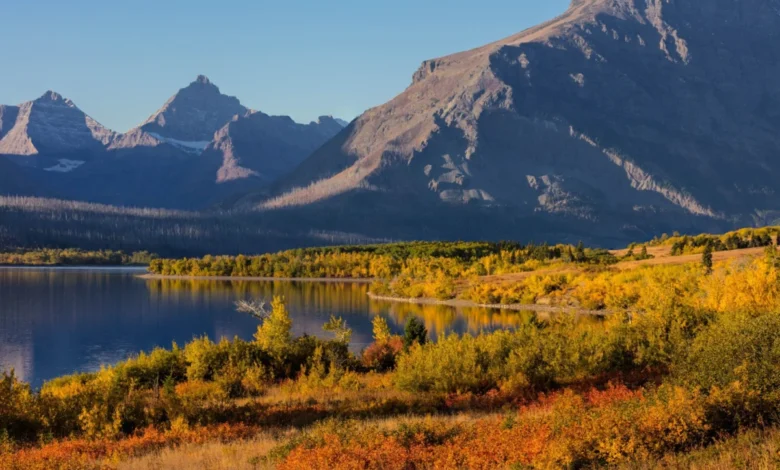
The transformation of America’s federal public lands during the autumn months represents one of the most significant seasonal shifts in the nation’s tourism and ecological calendar. As September transitions into October, sweeping valleys across the United States turn gold, high-altitude forests erupt in vibrant hues of red and orange, and high-country trails experience a sharp drop in ambient temperatures. This seasonal evolution draws millions of travelers seeking outdoor recreation under cooler meteorological conditions, distinct from the heavy congestion typically recorded during peak summer months.

According to historical tourism data compiled by federal land management agencies, the autumn shoulder season has steadily evolved from a quiet period of operational wind-down into one of the most strategically important windows for domestic and international travel. The shift in visitor demographics, combined with changing wildlife behaviors and accelerated ecological cycles, underscores a broader trend in how the public interacts with protected natural landscapes.
The Ecological and Meteorological Mechanics of Fall Foliage
The vibrant color displays that characterize autumn in regions such as the Northeast, the Rocky Mountains, and the Pacific Northwest are driven by precise biological and meteorological triggers. As days shorten and temperatures drop, deciduous trees cease chlorophyll production, the pigment responsible for the green coloration of leaves during spring and summer. This cessation allows secondary pigments—carotenoids and anthocyanins—to emerge, producing the characteristic yellows, oranges, and deep reds associated with seasonal leaf-peeping.

Meteorologists and forest ecologists note that the brilliance and duration of the autumn color display depend heavily on weather patterns throughout the preceding spring and summer. Adequate rainfall followed by warm, sunny autumn days and cool, frost-free nights creates optimal conditions for sugar retention within the leaves, enhancing pigment vibrancy. Conversely, severe drought or premature hard freezes can mute the foliage or cause leaves to drop prematurely, directly impacting local tourism economies that rely on the seasonal influx of visitors.
Chronology of the Autumn Travel Window
The progression of autumn across the United States follows a distinct north-to-south and high-to-low elevation timeline, dictating travel patterns from Labor Day through late November.

- Early September: The transition begins in the northernmost latitudes and highest alpine elevations. Parks such as Glacier National Park in Montana and the high-country regions of Rocky Mountain National Park experience early frosts, changing aspen groves, and crisp morning temperatures.
- Late September to Mid-October: The peak foliage window expands rapidly down the latitudinal gradient and into mid-elevation zones. Iconic destinations such as Grand Teton National Park, Yosemite National Park, and Acadia National Park reach peak coloration. Wildlife activity shifts significantly during this window; species such as elk enter their annual mating season (the rut), drawing increased numbers of wildlife photographers and observers.
- Late October to November: The seasonal wave moves southward and toward lower coastal elevations. Deciduous forests in southern and eastern parks complete their transition, while desert parks in the Southwest—traditionally too hot for sustained summer exploration—enter their prime operational season as daytime temperatures moderate to comfortable levels.
Regional Highlights and Varied Terrain
The sheer geographical diversity of the National Park System ensures that autumn offers multiple distinct experiences rather than a singular seasonal template.
In the East, Acadia National Park provides a unique juxtaposition of rugged granite coastlines, historic carriage roads, and dense forests of birch, maple, and oak bursting into fiery reds. The coastal maritime climate often extends comfortable hiking conditions well into October.

In the Intermountain West, the high elevations of Grand Teton National Park and Rocky Mountain National Park showcase the brilliant golden foliage of quaking aspens against jagged, snow-dusted granite peaks. These regions also experience significant wildlife movements, as mammals prepare for the impending winter months.
Further west, Yosemite National Park undergoes a quieter transformation. While classic deciduous foliage is less dominant than in the East, the thinning of summer crowds allows for a more immersive experience along the Valley floor and high-country passes, accompanied by crisp mountain air and altered sunset light conditions that appeal to landscape photographers.

Economic and Logistical Implications for Public Land Management
The growing popularity of the autumn shoulder season presents both economic benefits and logistical challenges for the National Park Service (NPS) and gateway communities. Historically, gateway towns—local municipalities dependent on park visitation—relied exclusively on the summer months to generate the bulk of their annual revenue. The extension of the tourism season into September and October provides a critical economic stabilizer, supporting local hospitality, guiding services, and retail businesses for an additional six to eight weeks.
However, the surge in autumn visitation has strained park infrastructure in ways that parallel summer congestion. Park superintendents and visitor services managers have increasingly had to maintain summer-level staffing, waste management operations, and traffic control protocols deep into October.

Furthermore, the implementation of timed-entry reservation systems, originally designed to mitigate summer overcrowding, has expanded into shoulder-season operations at several flagship locations. Land management officials emphasize that while autumn offers a perceived escape from crowds, popular lodges, backcountry campsites, permits, and guided activities continue to book out months in advance.
Official Guidance and Responsible Recreation
Representatives from conservation organizations and park management emphasize the importance of preparedness and responsible recreation during the autumn months. Weather conditions in mountainous and northern parks can shift rapidly, with unexpected snowstorms, freezing temperatures, and reduced daylight hours catching unprepared hikers off guard.

"Visitors often assume that because summer is over, the rules of wilderness preparation become more relaxed," noted a public lands recreation specialist who spoke on condition of anonymity regarding seasonal safety protocols. "In reality, autumn introduces complex variables: shorter days mean less margin for error on extended hikes, and changing wildlife patterns require heightened vigilance, particularly regarding seasonal closures implemented to protect breeding animals."
Travelers are strongly advised to consult official park websites for real-time updates regarding road closures, fire restrictions, weather alerts, and mandatory reservation requirements before embarking on autumn itineraries. As federal agencies continue to balance public access with resource preservation, the autumn season remains a vital window for experiencing the ecological complexity and scenic grandeur of America’s protected lands.