Beyond the Tasting Room: How Global Wine Hotels Are Redefining Oenotourism Through Immersive Cultural Integration

The modern landscape of oenotourism has undergone a profound structural evolution over the past two decades, transitioning from a peripheral hospitality offering into a multi-billion-dollar global industry that fundamentally alters how travelers experience agricultural regions. Historically, a winery visit was characterized by a brief, highly curated tasting at a cellar door, perhaps accompanied by a cursory tour of the fermentation tanks and a purchase at the gift shop. Today, however, discerning travelers demand a deeper, more holistic engagement with the terroir, seeking accommodations that seamlessly integrate agriculture, local history, gastronomy, and wellness. A premier wine hotel no longer relies solely on panoramic vineyard views and temperature-controlled cellars; instead, it serves as an immersive cultural portal, translating the complex interplay of soil, climate, and human heritage into a tangible, participatory guest experience. From picking grapes alongside harvest crews in the high-altitude flatlands of Mendoza to sleeping directly above centuries-old port cellars carved into the schist cliffs of Portugal, contemporary wine hospitality bridges the gap between agricultural production and high-end leisure. This paradigm shift reflects broader consumer trends prioritizing authenticity, sustainability, and experiential education, turning passive consumers of luxury into active participants in the agricultural lifecycle of wine.
The Evolution of Wine Tourism and the Rise of Immersive Hospitality
To understand the current golden age of wine hotels, one must examine the historical trajectory of agricultural tourism. For centuries, wine regions operated strictly as industrial and agricultural zones where tourism was an afterthought. Estates were designed for efficiency—crushing grapes, aging juice, and bottling liquid assets—rather than aesthetic pleasure or guest comfort. The turning point began in the late 20th century as prominent winemaking families recognized the marketing and economic potential of welcoming visitors directly to their estates. Bordeaux, Napa Valley, and Tuscany pioneered the concept of the wine resort, pairing luxury accommodations with world-class dining.
However, the contemporary standard goes significantly further. Market research from international tourism boards indicates that modern oenotourists—particularly Millennials and Generation Z consumers with disposable income—place a high premium on sustainability, hands-on learning, and localized cultural immersion. Rather than staying in a generic luxury hotel located near vineyards, travelers increasingly demand properties that are organic extensions of the working estates themselves. This has led to the rehabilitation of historic structures—such as centuries-old monasteries, abandoned stone farmhouses, and heritage port lodges—transforming them into state-of-the-art hospitality hubs without erasing their architectural and cultural DNA.
Global Tapestry of Terroir: Case Studies in Immersive Stays
The global distribution of elite wine hotels reflects the astonishing diversity of the wine world itself, encompassing both historic Old World strongholds and dynamic New World frontiers. Each region offers a distinct philosophical approach to connecting the guest with the land.
In South America, particularly within the rain shadow of the Andes Mountains in Argentina, properties have capitalized on the extreme geography of high-altitude viticulture. Here, guests are frequently invited beyond the confines of the tasting room to engage directly with the agricultural realities of farming at elevations exceeding 3,000 feet. Activities range from participating in canopy management and irrigation channel maintenance to working side-by-side with seasoned harvest crews during the high-stress, high-reward autumn picking season. This direct labor engagement fosters an acute appreciation for the labor-intensive nature of producing ultra-premium Malbec in arid, demanding climates.
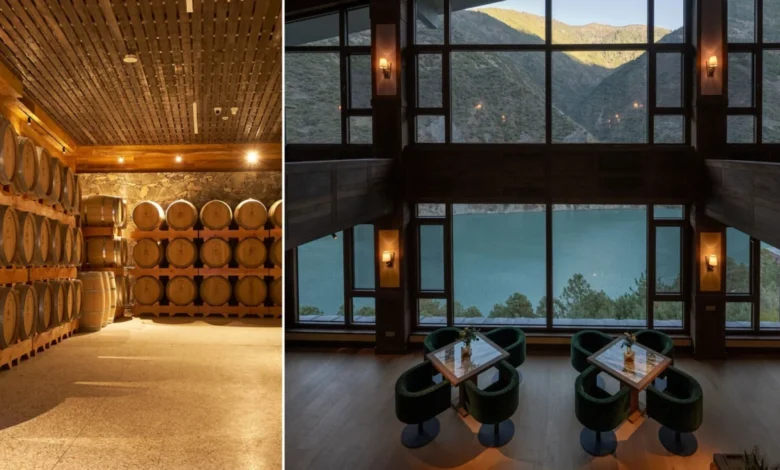
Meanwhile, across the Atlantic in the rugged river valleys of Portugal and the rolling hills of France, historical preservation dictates the hospitality model. In northern Portugal, historic estates that have supplied the global port trade for generations have opened their historic administrative and storage buildings to overnight guests. Visitors can sleep directly above vast subterranean cellars where fortified wines mature in colossal oak tuns for decades, enveloped by the rich aromas of damp stone, aging wood, and concentrated fruit. In France, the birthplace of modern vinotherapy, luxury properties have turned the botanical byproducts of winemaking into wellness modalities. By utilizing polyphenol-rich grape seeds and skins discarded during the pressing process, these spas pioneered treatments designed to harness the potent antioxidant properties of the vine, applying viticultural science directly to human health and relaxation.
Even unexpected frontiers have embraced this philosophy. In the shadows of the Himalayas in Nepal, boutique hospitality ventures have integrated ancient agricultural narratives into their guest itineraries, educating travelers on how missionary-planted vines historically adapted to extreme Asian mountain climates. These disparate geographic examples share a common operational ethos: the hotel is not merely a place to sleep after drinking wine; it is an interpretive center designed to decode the cultural and agricultural context of the bottle.
Chronology of Modern Wine Hospitality Milestones
The maturation of the wine hotel sector can be traced through several key developmental phases over the past fifty years:
- 1970s–1980s: The genesis of organized winery hospitality. Prominent estates in Napa Valley and Bordeaux begin formalizing visitor reception areas, shifting from private trade appointments to public tasting rooms.
- 1990s: The birth of the modern wine resort. Architects and winemakers begin collaborating to design luxury accommodations integrated directly into vineyard landscapes, exemplified by early luxury properties in South Africa and Italy.
- Early 2000s: The emergence of vinotherapy and wellness integration. French estates popularize spa treatments utilizing grape-seed extracts, expanding the definition of wine tourism beyond consumption.
- 2010s: The experiential turn. Consumer demand shifts from passive luxury to active participation, leading to the rise of blending workshops, harvest-internship programs, and winemaker-led masterclasses.
- 2020s–Present: The sustainability and heritage preservation era. Properties increasingly focus on carbon-neutral architecture, the restoration of historic agricultural structures, and deep cultural storytelling that honors indigenous winemaking traditions across both traditional and non-traditional regions.
Economic Impact and Industry Analysis
The economic implications of integrating high-end hospitality with working agricultural estates are profound. For independent winemakers and historic houses, establishing an on-site hotel creates a diversified revenue stream that buffers the business against the inherent volatility of agricultural yields. Weather events such as frost, hail, and drought can decimate a vintage, threatening the financial viability of a winery that relies exclusively on bottle sales. Hospitality provides a stable, high-margin counterweight to these climatic risks.
Furthermore, direct-to-consumer (DTC) sales generated through immersive hotel stays yield significantly higher profit margins than wholesale distribution networks. When a guest participates in a blending workshop, enjoys a Michelin-starred food-and-wine pairing curated by the estate’s resident chef, or harvests grapes at dawn, their emotional investment in the brand multiplies. Consequently, these visitors convert into lifelong brand ambassadors and high-volume wine club members, purchasing rare vintages and allocation-only bottles that would be difficult to move through traditional retail channels.
Industry analysts note that properties successfully blending agriculture with hospitality command significantly higher average daily rates (ADR) and boast superior repeat-guest metrics compared to standard luxury urban hotels. This economic success has triggered a wave of institutional investment in wine regions globally, driving up land values and encouraging sustainable agricultural practices as estates seek to protect the pristine natural assets that attract affluent travelers in the first place.
Expert Perspectives and Official Responses
Industry leaders, agricultural economists, and tourism authorities have increasingly emphasized the symbiotic relationship between land stewardship and hospitality.
"We are seeing a fundamental shift in what luxury means to the modern traveler," notes an international hospitality consultant specializing in agritourism developments. "Luxury is no longer about isolation behind velvet ropes or marble-floored hotel lobbies disconnected from their surroundings. Today’s high-net-worth consumer wants authenticity, education, and physical engagement. They want to understand the sweat, the soil, and the science that goes into the glass. Winemakers who open their doors and invite guests into the messy, beautiful reality of farming are building unbreakable brand loyalty."
Agricultural trade organizations have similarly praised the trend for its educational value. By demystifying the agricultural process—highlighting the challenges of organic farming, water management, and labor shortages—wine hotels cultivate a more informed and appreciative consumer base. This educational mission has broader implications for agricultural advocacy, helping the public understand the true economic and environmental cost of sustainable food and beverage production.
Broader Implications for Global Travel and Agriculture
The ongoing convergence of winemaking and luxury hospitality signals a permanent alteration in how agricultural regions present themselves to the world. As climate change poses unprecedented challenges to traditional wine-growing regions across Europe, the Americas, and beyond, the financial resilience provided by high-end tourism will become even more critical for estate survival.
At the same time, the demand for immersive, place-based travel encourages a greater commitment to environmental preservation. Properties that rely on pristine vineyard views, unpolluted water sources, and thriving local ecosystems have a powerful financial incentive to champion regenerative farming, biodiversity conservation, and zero-waste hospitality operations.
Ultimately, the best wine hotels in the world achieve something far more enduring than a comfortable night’s sleep or a memorable meal. By breaking down the barriers between the tasting room and the dirt roads of the vineyard, they restore a sense of wonder to the act of consumption. They remind travelers that every bottle of wine is a frozen moment in time—a complex archive of soil chemistry, seasonal weather, cultural heritage, and human labor—waiting to be uncorked, understood, and deeply experienced.
Related posts: