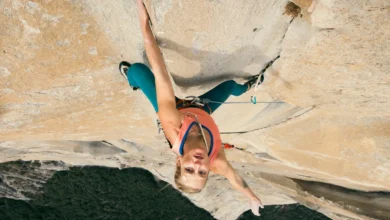
For many endurance athletes and outdoor enthusiasts, chronic pain is often treated as a badge of honor or an inevitable byproduct of aging. However, for a growing segment of the hiking and trail-running community, persistent discomfort—specifically localized to one side of the body—is increasingly being identified not as a structural failure, but as a byproduct of biomechanical inefficiency. On September 20, 2026, experts in sports medicine emphasized that many recurring injuries are linked to gait asymmetry, a condition that can be effectively diagnosed and corrected through modern motion-capture technology.
The prevalence of unilateral pain—aches isolated to a single hip, knee, or ankle—often leads individuals to pursue a cycle of temporary remedies. These frequently include intensive foam rolling, deep-tissue massage, and, in more unconventional cases, chiropractic adjustments. While these modalities can offer symptomatic relief, they often fail to address the root cause of the physical imbalance. Physical therapists now suggest that if standard strength training and recovery protocols fail to resolve these issues, the problem may lie in the body’s fundamental movement patterns: the gait.
Understanding the Mechanics of Human Locomotion
Gait is defined as the unique, repetitive movement pattern an individual employs during locomotion. Much like handwriting or a vocal signature, a person’s gait is developed over years of habit, neurological patterning, and physical adaptation. While these idiosyncrasies are often harmless, they can become problematic when compounded over thousands of miles of hiking or running.
Dr. Steve Brown, an athletic trainer and co-owner of the Boulder Sports Clinic, notes that the human body is inherently wired to avoid pain. When an injury occurs, the nervous system often forces a compensatory strategy, shifting the load to secondary muscle groups or altering the mechanics of the joint to protect the injured area. This subconscious adaptation, while protective in the short term, frequently leads to long-term biomechanical drift. According to Dr. Brown, while prior injury is the primary predictor of future musculoskeletal damage, asymmetry ranks as the secondary, yet equally critical, risk factor.
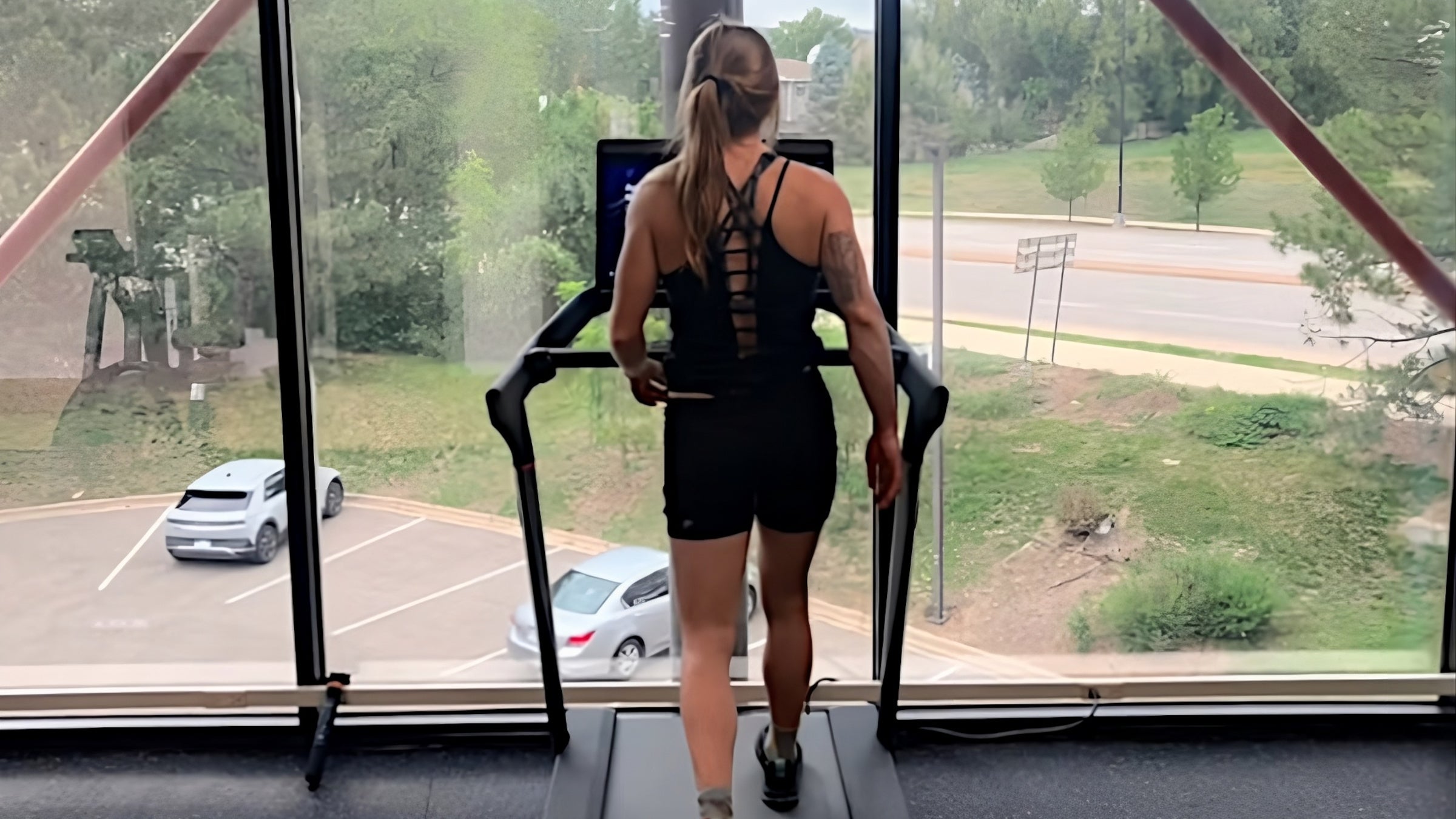
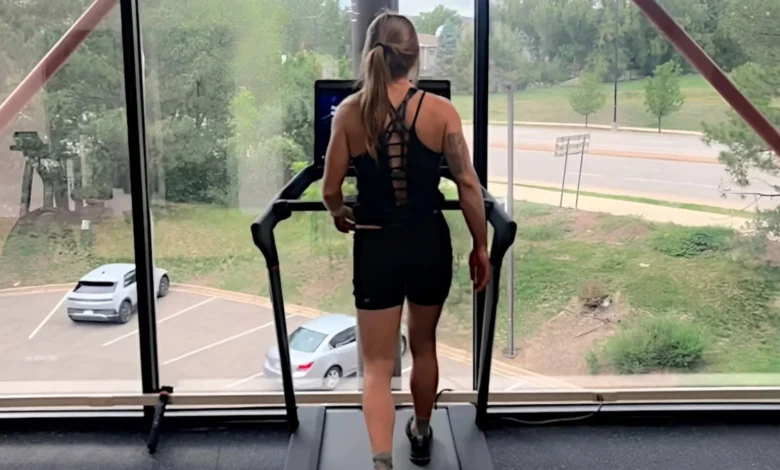
The analogy often used in sports medicine is that of an automobile suspension. A car may operate normally when slightly out of alignment, but over time, this imbalance manifests as uneven tire wear and accelerated degradation of the chassis. In the human body, this translates to chronic inflammation, joint degradation, and persistent soft-tissue issues such as plantar fasciitis or hip bursitis.
The Evolution of Gait Analysis Technology
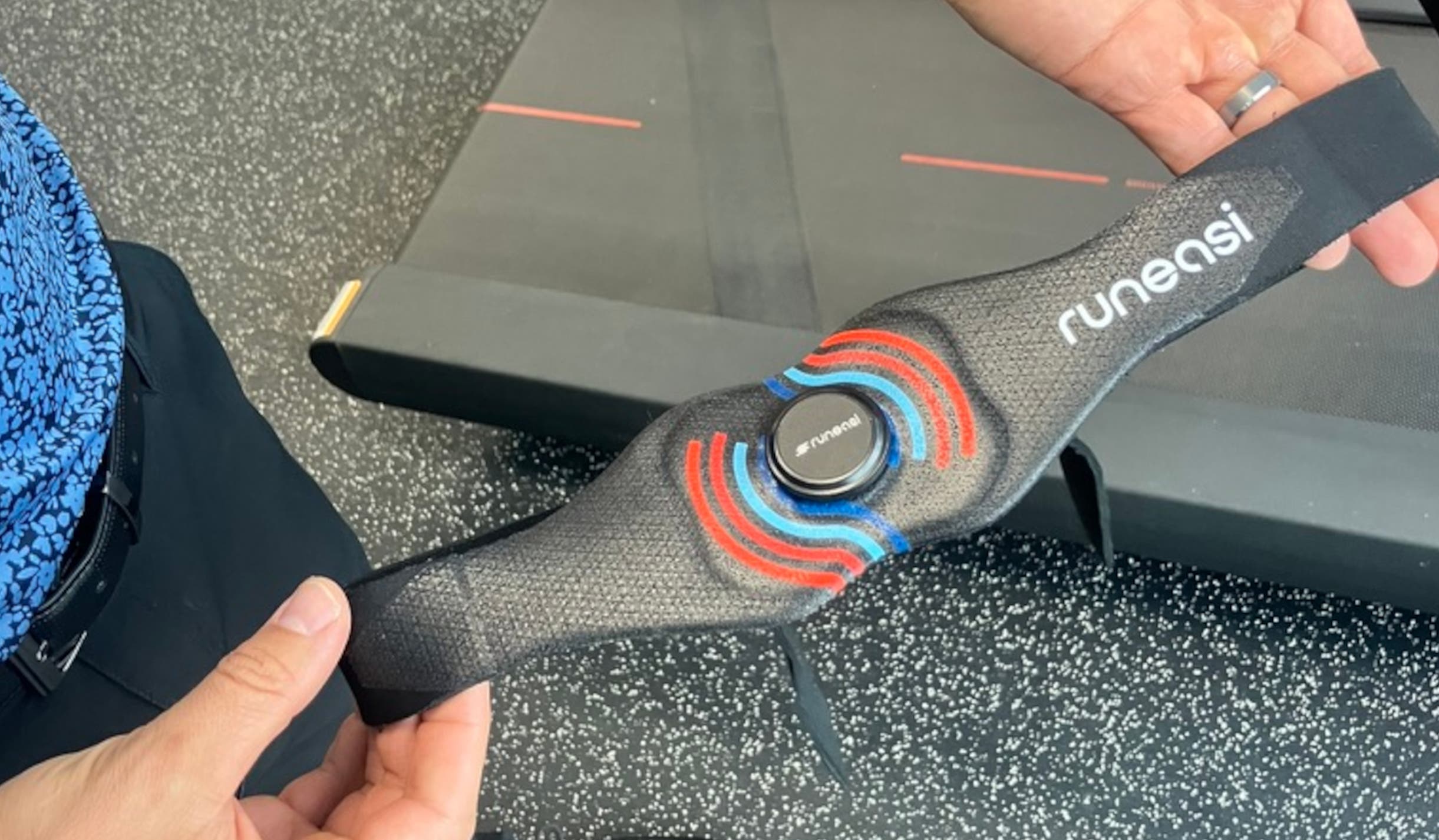
Historically, gait analysis was reserved for professional athletes at elite training facilities. Today, the technology has become more accessible. A standard professional analysis typically involves the use of motion-capture sensors, such as the Runeasi platform, which utilizes wearable technology to track kinematics in real time.
During a clinical assessment, sensors are attached to the lower back or pelvis to measure pelvic tilt, stride length, and vertical oscillation. By comparing the movement of the right side against the left, clinicians can identify precisely where the kinetic chain is breaking down. In many cases, a "locked" or restricted hip joint forces the torso to lean in the opposite direction, creating a cascade effect where one leg is forced to absorb significantly more impact force than the other.
A Chronology of Biomechanical Compensation
The development of an asymmetrical gait is rarely the result of a single event. It is typically a multi-stage process:
- The Trigger: A minor strain, such as an overused muscle or an acute incident in the gym, occurs.
- The Compensation: The body shifts weight to the unaffected side to mitigate immediate discomfort.
- The Habituation: The central nervous system adopts this movement pattern as the "new normal," even after the original injury has healed.
- The Cascade: Secondary joints, such as the ankle or knee, begin to overcompensate for the hip’s limited range of motion, leading to localized pain in those areas.
- The Chronic Phase: Over several years of repetitive activity, this imbalance leads to persistent tissue damage, such as repetitive strain injuries or chronic tendonitis.
Environmental factors also contribute to this progression. Daily habits—such as standing on one leg while waiting for the bus, driving long distances with the right foot consistently on the gas pedal, or carrying a heavy child on one hip—reinforce these patterns. Without deliberate, corrective intervention, the body lacks the internal cues to return to a neutral, symmetrical alignment.
Data-Driven Clinical Insights
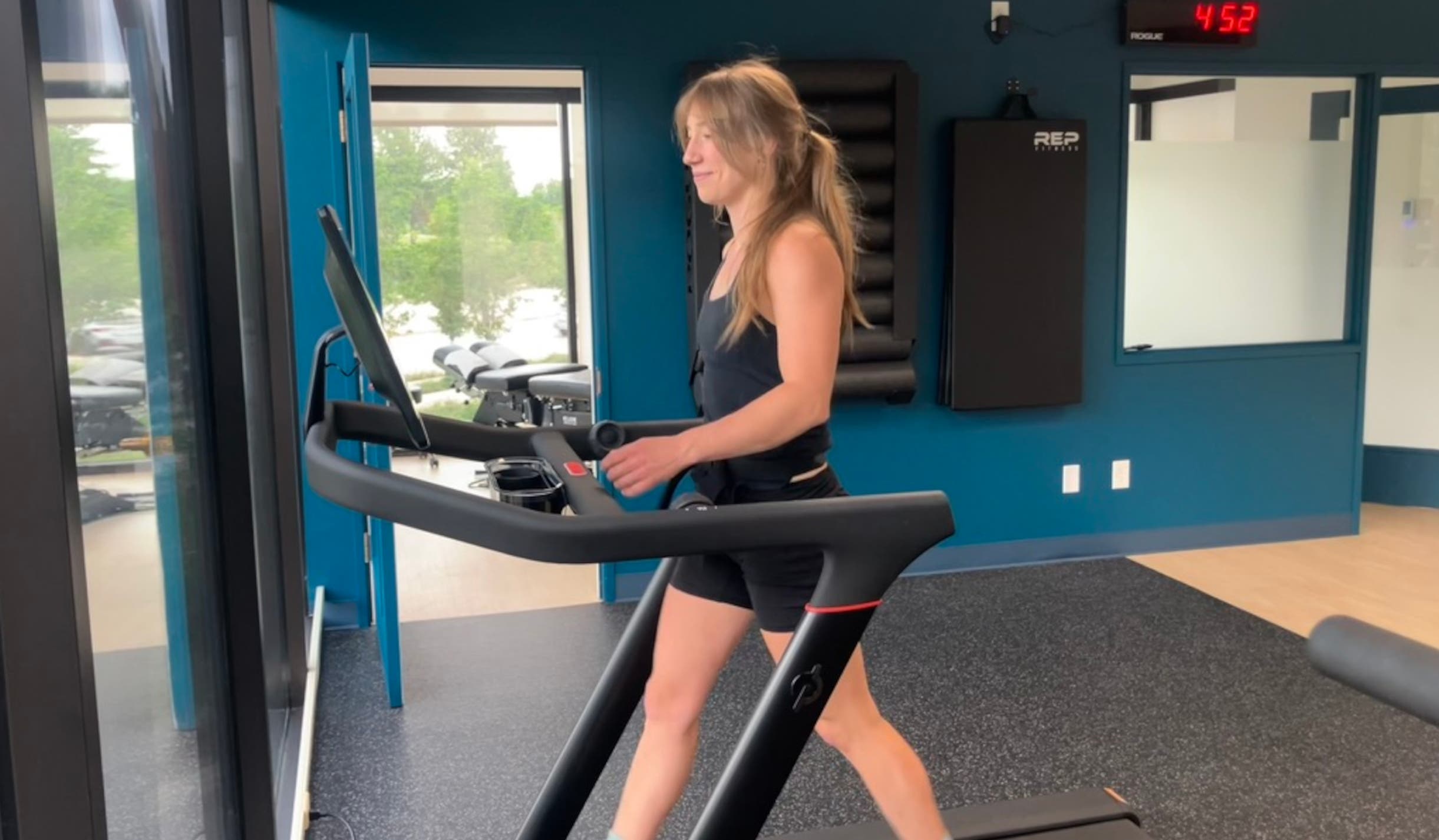
Recent data from sports clinics suggests that individuals who utilize gait analysis see a marked improvement in recovery timelines. For instance, a 60-minute session—which can range from $100 to $400 depending on the complexity of the sensor array—often provides the patient with a "movement prescription." This is not merely a list of exercises, but a tailored roadmap to restore range of motion in restricted areas while strengthening the muscles that have become dormant due to compensatory habits.
For those with limited access to high-end clinical technology, entry-level analysis is available at many specialized running retail stores. While these "visual" analyses lack the precision of sensor-based motion capture, they serve as a valuable initial screen for gross asymmetries. However, for those suffering from chronic pain, physical therapists emphasize the importance of professional oversight to ensure that the "correction" of one gait issue does not inadvertently trigger a new issue elsewhere in the kinetic chain.
The Broader Impact on Athletic Longevity
The implications of prioritizing gait health extend far beyond the elimination of pain. For the aging athlete, maintenance of a symmetrical gait is a primary defense against the early onset of osteoarthritis and other degenerative joint conditions. By correcting mechanical inefficiencies, individuals can significantly increase their "athletic lifespan," allowing them to remain active in high-impact sports like hiking and trail running well into their later years.
Furthermore, the integration of technology into physical therapy has shifted the focus from reactive treatment—fixing a problem once it becomes an injury—to proactive maintenance. By identifying "at-risk" movement patterns before they manifest as chronic pain, athletes can intervene with targeted mobility drills and corrective strength training.
Expert Recommendations and Future Outlook
Professional organizations in sports medicine continue to advocate for a holistic approach to movement. Dr. Brown and his peers maintain that "symmetry is the ideal, but not the standard." In a world designed for right-handed, right-footed individuals, the modern athlete must be diligent in their efforts to reverse the cumulative effects of daily imbalances.
For those experiencing persistent, one-sided pain, the recommended course of action is twofold:
- Consultation: Schedule an appointment with a physical therapist specializing in endurance sports to determine if the issue is muscular, structural, or gait-related.
- Evaluation: Seek a formal gait analysis to quantify the extent of the asymmetry.
- Integration: Commit to a long-term corrective program that focuses on both the mobility of restricted joints and the activation of underutilized muscle groups.
As wearable sensor technology becomes more affordable and data processing speeds continue to increase, the widespread availability of gait analysis may soon become a standard component of preventative healthcare for all outdoor enthusiasts. In the interim, those seeking to extend their time on the trail would be well-advised to look beyond the surface of their discomfort and investigate the underlying mechanics of how they move. Through a combination of modern diagnostics and disciplined physical therapy, the goal of pain-free movement is increasingly attainable, moving the focus from treating the injury to perfecting the stride.