The Ultimate Guide to Affordable Luxury in Bali: How to Experience the Island of the Gods on a Budget

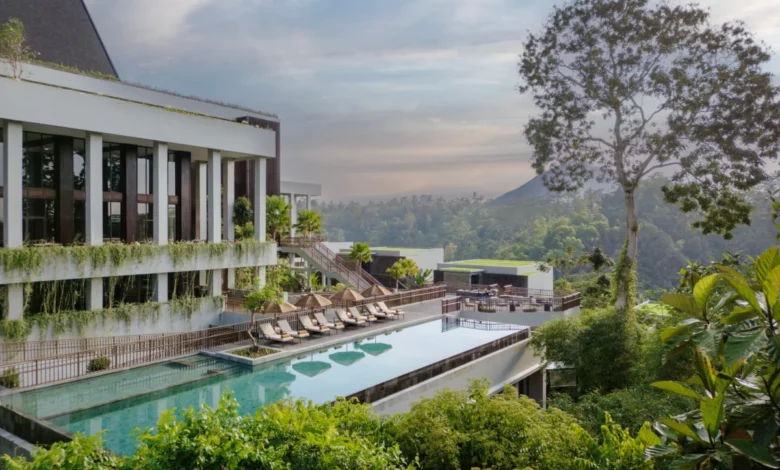
Bali has long held an almost mythical status in the global travel consciousness. Renowned for its vibrant spiritual culture, dramatic volcanic landscapes, and pristine coastline, the Indonesian island has simultaneously maintained a reputation as one of the world’s most accessible and economically forgiving destinations. For decades, budget travelers, backpackers, and digital nomads have flocked to its shores, discovering a place where a modest daily budget could secure a comfortable lifestyle complete with private pool villas, fresh local gastronomy, and endless cultural exploration. Even as global inflation and post-pandemic tourism surges have driven up operational costs across the region, Bali continues to offer exceptional value, particularly for travelers willing to look beyond heavily commercialized resort strips.
Drawing from extensive, firsthand residential experience on the island, travel industry insiders note that affordable hospitality remains a cornerstone of the Balinese tourism ecosystem. Far from compromising on quality, budget-conscious properties frequently deliver world-class aesthetic design, immersive cultural integration, and attentive, personalized service. For rates starting well under $250 per night—a fraction of the cost required for comparable luxury accommodations in Western Europe or major North American cities—visitors can secure high-end amenities that foster a genuine sense of VIP treatment. As the global travel market adapts to shifting economic pressures, understanding how to navigate Bali’s diverse accommodation landscape is increasingly essential for maximizing both experience and expenditure.
The Economic Evolution of Balinese Tourism
To understand the current pricing structure of Bali’s hospitality sector, one must examine the trajectory of the island’s tourism economy over the past thirty years. Historically, Bali transitioned from a quiet backpacker haven in the late 20th century to a globally recognized luxury hotspot. This transition accelerated dramatically in the 2010s, marked by an influx of international hotel chains, high-end wellness retreats, and upscale beach clubs, primarily concentrated in southern enclaves such as Seminyak, Canggu, and Uluwatu.
Despite this rapid commercial development and the inevitable price inflation that accompanied it, the foundational ethos of Balinese hospitality has remained resilient. Warmth and community-centric service are deeply embedded in the local culture, ensuring that the standard of care a guest receives is rarely dictated solely by the tariff paid. Furthermore, the sheer density of independent boutique properties, family-run guesthouses, and newly developed design-forward villas has created a hyper-competitive market. This competition benefits consumers directly, as property owners continuously upgrade their facilities, incorporate sustainable building practices, and enhance guest experiences to capture market share within the mid-tier price bracket.
Strategic Geographic Breakdown: Where to Find Value
While high-end luxury resorts command exorbitant rates in prime southern coastal zones, travelers willing to venture slightly off the beaten path are consistently rewarded with lower nightly tariffs and more authentic environments. Strategic positioning across different regions of the island allows visitors to tailor their budgets while experiencing contrasting facets of Balinese geography.
Sanur, situated on the southeastern coast, offers a tranquil, family-friendly alternative to the bustling energy of Kuta or Seminyak. Known for its calm waters, sunrise views, and laid-back promenade, Sanur maintains a robust inventory of mid-priced hotels that blend traditional Balinese architecture with modern comforts. Similarly, the outskirts of Ubud—the cultural heartland of the island—provide lush jungle settings and terraced rice paddy views at a fraction of the cost of properties located directly in the town center.
For travelers seeking seclusion and dramatic natural backdrops, the eastern and northeastern regions of Sidemen and Amed present compelling options. Sidemen, nestled in the shadow of Mount Agung, features boutique eco-lodges and sustainable bamboo villas surrounded by sprawling agricultural fields. Amed, a rugged coastal area famed for its black-sand beaches and world-class macro diving, caters to adventurous travelers seeking rustic charm combined with high standards of hospitality. According to regional tourism boards, decentralization has become a key trend in sustainable travel management, encouraging visitors to distribute economic benefits across rural regencies rather than concentrating solely on South Bali.
Temporal Economics: Timing Your Balinese Journey
Navigating the cost of a Balinese vacation requires careful consideration of seasonal weather patterns and global holiday calendars. Historically, the most cost-effective period to visit the island aligns with the tropical wet season, which spans from November through March. During these months, occupancy rates at hotels and villas decline significantly, prompting property managers to introduce promotional rates, complimentary spa credits, and flexible booking terms.
While the wet season is characterized by high humidity and intermittent tropical downpours—typically manifesting as heavy afternoon storms followed by clearing skies—it also reveals the island at its most lush and vibrant. Furthermore, tourist sites are notably less congested, allowing for a more intimate engagement with cultural landmarks and natural attractions.
The primary exception to this seasonal discounting occurs during the festive period, encompassing late December and the first week of January. During this window, global travel demand surges, and properties across all price tiers adjust their tariffs upward to reflect peak operating conditions. Additionally, the dry season months of July and August—coordinating with European and North American summer holidays—witness high demand and firm pricing, particularly in coastal zones. Consequently, savvy travelers looking to maximize their budgets often target the shoulder months of April, May, September, and October, when weather conditions are generally favorable and pricing remains highly competitive.
Methodology and Selection Criteria for Boutique Accommodations
The identification and curation of exceptional mid-tier accommodations require rigorous evaluation standards. Industry-leading travel publications and hospitality experts rely on firsthand journalistic reconnaissance, ensuring that every recommended property undergoes direct physical inspection.
When establishing the criteria for top-tier value hotels in regions like Bali, editors and hospitality analysts evaluate several foundational pillars:
- Architectural and Interior Design: Properties must reflect an authentic sense of place, utilizing local materials such as teak wood, volcanic stone, and traditional thatch roofing, harmonized with contemporary aesthetic sensibilities.
- Location and Accessibility: Hotels must offer either prime access to cultural hubs or strategic isolation in pristine natural landscapes, balancing convenience with tranquility.
- Service Excellence and Hospitality: The attentiveness, professionalism, and warmth of the staff are critical metrics, ensuring that guests experience high-touch service regardless of the room rate.
- Sustainability and Community Integration: Modern travelers increasingly prioritize ecological responsibility. Selected properties are assessed on their waste reduction initiatives, energy conservation, and support for local artisan communities.
- Price-to-Value Ratio: The ultimate test of inclusion is whether the nightly rate—targeted under $250—delivers an experience that rivals properties operating at twice or triple the cost.
Implications for the Global Travel Market
The enduring viability of affordable luxury in destinations like Bali holds significant implications for the broader tourism industry. As economic pressures influence consumer spending habits globally, travelers are increasingly seeking high-yield experiences that do not necessitate financial strain. Destinations that successfully balance infrastructure development with accessible pricing are positioned to capture resilient market share.
Moreover, the popularity of mid-tier, design-forward properties in regions outside traditional tourism centers demonstrates a shift in traveler values toward experiential authenticity and sustainable dispersion. By supporting boutique hotels in rural regencies, international visitors directly contribute to decentralized economic development, supporting local employment, supply chains, and cultural preservation efforts.
Ultimately, Bali remains a testament to the fact that extraordinary travel experiences are not exclusively reserved for the ultra-wealthy. Through careful geographic selection, strategic timing, and an appreciation for local hospitality traditions, travelers can access a level of comfort, beauty, and cultural enrichment that far exceeds the financial investment required. As the island continues to evolve, its capacity to offer accessible luxury ensures its place as a perennial favorite on the global travel landscape.