The Rising Cost of Leisure: Understanding the Funflation Phenomenon and the Evolving American Hobby Economy

The landscape of American leisure is undergoing a profound transformation, characterized by both a heightened cultural valuation of personal time and a sharp increase in the financial commitment required to pursue recreational interests. According to recent data from the Bank of America Institute, consumer spending on hobbies has climbed by 7.9% year-over-year as of August 2026. This surge, however, is not merely a reflection of increased participation; it is a clear indicator of "funflation"—a macroeconomic trend where the costs of entertainment, travel, and extracurricular activities rise at a pace that significantly outstrips transaction volume.
This phenomenon represents a post-pandemic shift in consumer behavior. During the global health crisis, millions of Americans were forced to pivot away from communal social activities, leading to a surge in home-based hobbies and personal projects. As societal norms returned to pre-pandemic rhythms, the desire to reclaim "lost time" collided with a marketplace facing inflationary pressures, higher operational costs for entertainment venues, and a renewed consumer focus on experience-based spending.
The Generational Divide in Hobby Economics
While the desire for meaningful leisure is a shared American value, the financial manifestation of this desire varies dramatically across generational lines. A granular analysis of credit card transaction data reveals a complex hierarchy of spending habits that suggests differing priorities for Gen Z, Millennials, Gen X, and Baby Boomers.
At the lower end of the monthly expenditure spectrum, Gen Z consumers allocate approximately $100 per month toward their recreational pursuits. This demographic, currently navigating the early stages of their professional careers, often balances a desire for social experiences with the realities of entry-level wages and the mounting pressure of student debt. Their spending tends to be centered on low-barrier-to-entry activities or community-based social events.
Younger Millennials show a moderate increase in spending, averaging just over $140 per month. As this cohort settles into more stable career paths and begins to form households, their recreational spending begins to reflect a blend of personal interests and the burgeoning costs of child-related extracurricular activities.
The middle-to-older spectrum shows a marked escalation. Both Gen X and Baby Boomers maintain consistent monthly hobby expenditures exceeding $200 per person. For Boomers, this spending often reflects a pursuit of lifelong interests, travel, and specialized craft or fitness activities. However, it is the older Millennial demographic that currently leads the pack, with average monthly hobby expenditures nearing $220. Economists attribute this "Millennial spike" to the "double burden" of recreational finance: these individuals are not only funding their own leisure activities but are frequently subsidizing the rising costs of youth sports, music lessons, and summer camps for their children.
Mapping the Rise of Funflation
To understand why hobby spending is outpacing transaction growth, one must look at the structural changes in the entertainment and leisure sectors. Funflation is defined by the convergence of two factors: a robust consumer demand for experiences and a supply-side squeeze that has forced venues and hobby providers to pass on higher labor and insurance costs to the consumer.
The chronology of this trend is linked to the 2020-2021 lockdown period. During this time, the "hobby economy" saw a massive influx of new participants. A study conducted by LendingTree found that nearly 60% of Americans adopted a new hobby during the quarantine period. This sudden shift in demand created a bottleneck in the supply chains for hobby materials—ranging from gardening supplies and baking equipment to high-end hobby electronics.
By 2023, the focus shifted from purchasing equipment to purchasing experiences. Consumers, starved for social interaction, began flocking back to concerts, sporting events, and recreational classes. Providers, eager to recover from years of diminished revenue, adjusted their pricing models. By August 2026, the delta between hobby spending growth and transaction frequency had widened to a point that experts now identify as a permanent structural shift in how leisure is valued and priced.
From Personal Pastime to Economic Asset
A significant implication of this rising cost is the transition of hobbies from passive consumption to active income generation. When the barrier to entry—in terms of financial cost—becomes too high, individuals are increasingly looking for ways to monetize their interests to offset their spending.
The transition from a hobbyist to a "side-preneur" has become a hallmark of the modern economy. Data suggests that approximately 50% of those who picked up a new hobby during the pandemic have attempted to turn that activity into a secondary revenue stream. This is not merely a reaction to inflation; it is a fundamental shift in the definition of work-life balance.
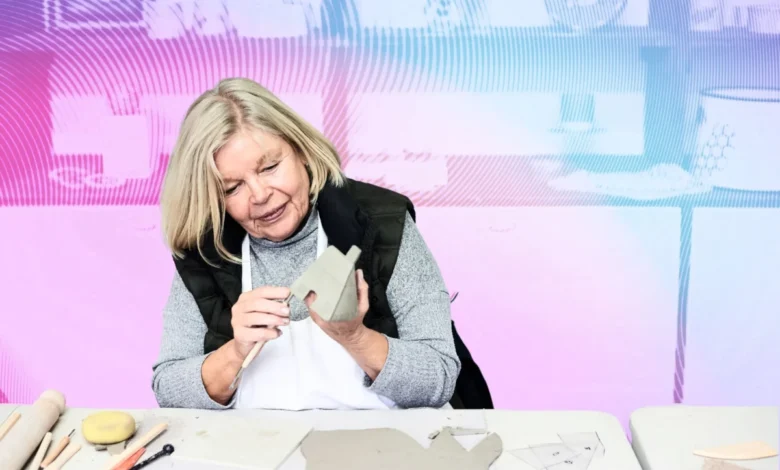
Anna Hudick, who transitioned from a career in engineering to a thriving jewelry-making business at age 58, represents a growing demographic of older professionals who leverage their life skills to create sustainable small businesses. Her experience highlights a critical facet of the modern hobby economy: the search for fulfillment. By teaching craft classes, Hudick provides a service that addresses a psychological need for "unplugged" time. Her participants are not just paying for a finished product; they are paying for the experience of disconnecting from digital stressors.
The Sociological Implications of Hushed Leisure
The rising importance of hobbies, as highlighted by Gallup polls, indicates that leisure is no longer viewed as a luxury but as a necessary component of mental health and social cohesion. Americans are increasingly ranking their recreational activities as "extremely important" to their overall quality of life.
However, this elevation of importance creates a paradox. As hobbies become central to personal identity, the financial impact of funflation becomes more acute. When recreational activities are viewed as essential rather than optional, consumers are less likely to cut spending, even when household budgets are tightened. This inelastic demand is what allows providers to maintain higher price points, effectively trapping the consumer in a cycle of rising costs.
For policymakers and financial analysts, this trend signals a shift in discretionary spending patterns. If a larger portion of the household budget is permanently allocated to "fun," it may result in long-term impacts on other sectors, such as traditional retail, savings, and investment.
Broader Economic Outlook and Future Trends
Looking ahead, the hobby economy is expected to continue its integration with the digital marketplace. We are seeing a rise in "community-as-a-service" models, where hobbyists pay subscription fees for access to shared workshops, online communities, and exclusive events. This model allows individuals to share the cost of expensive equipment, potentially mitigating the impact of funflation on the individual consumer.
Furthermore, the rise of the "side-hustle" culture ensures that the hobby economy will remain a fluid space. As technology continues to lower the barrier to starting a small business—through platforms that facilitate e-commerce and marketing—we can expect to see more hobbyists attempting to reclaim their leisure spending by turning their passion into a profit center.
In conclusion, the American hobby economy is at a crossroads. The convergence of rising costs and a heightened cultural prioritization of leisure has created a dynamic environment where spending is increasing, but value is being redefined. Whether through the lens of generational spending patterns, the macroeconomic effects of funflation, or the shift toward entrepreneurial leisure, the way Americans spend their free time has become a vital indicator of the nation’s economic and social health. As the market continues to evolve, the challenge for both consumers and providers will be to maintain the balance between the pursuit of happiness and the fiscal reality of the modern era. The ability to find value in one’s interests will likely dictate not only the sustainability of the hobby economy but also the personal well-being of the American workforce in the years to come.