Navigating French Residency: A Comprehensive Guide to Long-Term Visas and the Evolving Landscape for Remote Workers


The allure of France as a permanent destination for foreign nationals has evolved significantly over the last decade, shifting from a traditional retirement haven to a primary hub for digital creators, entrepreneurs, and young professionals seeking a reprieve from the escalating costs of major North American metropolitan areas. As global work cultures transition toward remote-first models, the French immigration system has come under increased scrutiny by those attempting to navigate its complex bureaucratic framework. The process of moving to France, while rigorous, offers several distinct pathways for non-European Union citizens, particularly those from the United States, Canada, and Australia, provided they can meet stringent financial and administrative requirements.
The Socio-Economic Catalysts for Relocation
The decision to relocate to France is frequently driven by a combination of cultural affinity and economic pragmatism. For many professionals currently based in cities like New York, San Francisco, or London, the "cost-of-living crisis" has become a primary motivator for expatriation. While Paris remains one of the more expensive cities in Europe, comparative data suggests it offers a more manageable lifestyle than its American counterparts. According to cost-of-living indices, consumer prices in Paris, including rent, are approximately 25% to 30% lower than in New York City.
Beyond the financial metrics, the rise of Artificial Intelligence (AI) and the shifting landscape of the creative economy have left many independent workers feeling professionally unsettled. In this context, France represents more than just a change of scenery; it offers a strategic base for European exploration and a culturally rich environment conducive to creative output. For writers, researchers, and digital nomads, the French "mystique"—long celebrated in literature and cinema—continues to serve as a powerful draw, offering a perceived higher quality of life characterized by a more balanced approach to labor and leisure.
A Chronology of the Expatriation Process
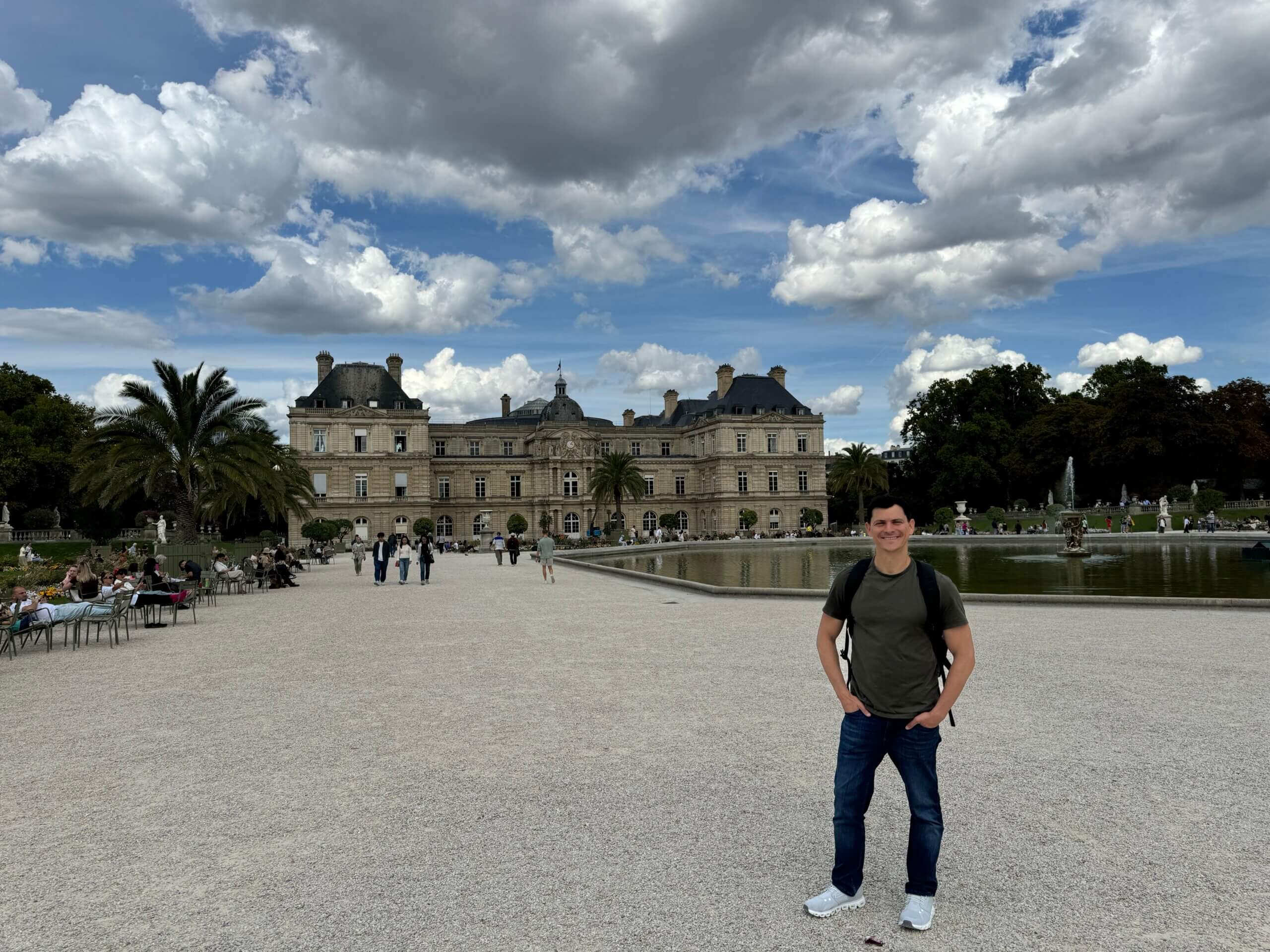
The journey toward French residency often begins with a series of short-term exposures that build a long-term attachment. Case studies of successful relocations typically follow a multi-year trajectory. An individual might first encounter the country through regional hubs like Bordeaux, known for its viticulture and burgeoning tech scene, before experiencing the high-energy environment of Paris.
A typical timeline for a modern relocation might look as follows:
- Initial Exposure (Year 0-10): Repeated visits on tourist visas (Schengen 90-day rule) to establish social networks and cultural literacy.
- Short-term Residency (Year 11-13): Trial periods of several months to gauge the feasibility of daily life, often involving the subletting of apartments and remote work.
- Decision Phase (Year 14): A formal assessment of domestic constraints—such as rising rents and career stagnation—leading to the selection of a specific visa category.
- Application Phase (Month 1-3): Gathering of biometric data, financial records, and legal counsel.
- Integration Phase (Month 4+): Official entry into France, followed by the mandatory 90-day registration with the French Office of Immigration and Integration (OFII).
The Four Primary Legal Pathways to Residency
France does not currently offer a specific "Digital Nomad Visa," a fact that differentiates it from neighbors like Spain, Portugal, or Italy. Instead, foreign nationals must fit their circumstances into one of four established categories, each with its own set of privileges and restrictions.
1. The Student Visa (VLS-TS Étudiant)
The student visa remains the most accessible entry point for those willing to commit to formal education. Applicants must be enrolled in a full-time university program or an accredited language school.
- Financial Requirement: Approximately €615 per month in proven funds.
- Work Rights: Holders are permitted to work part-time (up to 964 hours per year, or 60% of a full-time job).
- Post-Study Benefits: Upon completion of a degree, students may transition to a "job seeker" visa, allowing for an extended stay to secure local employment.
2. The Entrepreneur/Self-Employed Visa (Profession Libérale)
This pathway is designed for individuals intending to establish a business or practice a freelance profession within France.
- Complexity: This is widely considered the most difficult visa to obtain due to the high volume of paperwork.
- Requirements: Applicants must demonstrate the economic viability of their business, show that they will earn at least the French minimum wage (SMIC), and prove that their business benefits the French economy.
- Taxation: Successful applicants are fully integrated into the French tax and social security systems from day one.
3. The Talent Passport (Passeport Talent)
Introduced to attract high-value skills, the Talent Passport is a multi-year residence permit (up to four years). It is reserved for experts in their fields, including researchers, artists, and tech founders.
- Criteria: Applicants must show verifiable accolades, significant investment, or a high-level contract with a French company.
- Advantage: It offers the most stability and simplifies the process for family members to join the primary holder.
4. The Long-Stay Visitor Visa (VLS-TS Visiteur)
For the majority of remote workers and retirees, the VLS-TS Visiteur is the most viable option. It allows for a stay of up to 12 months and is renewable within France.
- Restriction: The defining characteristic of this visa is the prohibition of "professional activity" within the French labor market.
- Financial Proof: Applicants must demonstrate substantial savings or passive income to prove they will not become a financial burden on the French state.
- Health Insurance: Private health insurance with full coverage (including repatriation) is mandatory, as visitor visa holders are generally excluded from the state-funded healthcare system (PUMa) for their first year.
The Remote Work Dilemma: Legal Ambiguity
One of the most significant challenges for modern expatriates is the "gray area" regarding remote work on a visitor visa. French law traditionally defines "work" as physical labor or services rendered to a French entity that could otherwise be performed by a local citizen. As of mid-2024, the French government has yet to codify specific laws regarding "digital nomadism" where an individual performs work for a foreign company or client base while physically residing in France.
Legal experts, including prominent Paris-based immigration attorneys like Daniel Tostado, note that while the French tax office has expressed a desire to tax remote work, the administrative infrastructure for visitor visas does not currently provide a tax identification number. This creates a paradox where an individual may be willing to pay taxes but is legally unable to do so under their current visa status. Consequently, many remote workers are advised to ensure their income is categorized as "passive" or derived from foreign sources that do not interfere with the French domestic market.
Logistics of the Application and Approval Process
The application process is outsourced to private entities such as TLScontact or VFS Global, which handle the administrative intake before forwarding files to the French Consulate. The "perfection" of the application is paramount; even minor discrepancies in proof of accommodation or bank statements can lead to a summary denial.
Essential Documentation
To mitigate the risk of rejection, successful applicants typically provide:

- Proof of Accommodation: A lease or attestation covering at least the first three to six months of the stay.
- Financial Solvency: Three to twelve months of bank statements, tax returns, and W-2s or 1099s.
- A Formal "Letter of Intent": A notarized statement promising not to seek employment within the French labor market.
- Biometric Data: Fingerprinting and official photography conducted at a designated visa center.
The "waiting period" is often cited as the most stressful phase of the process. While official processing times are listed as 15 days, many applicants receive their passports back within 5 to 7 business days. However, the verdict—approval or denial—is only revealed upon the physical return of the passport.
Broader Implications: The "Brain Gain" and Housing Pressures
The influx of high-income foreign professionals into cities like Paris and Bordeaux has broader socio-economic implications. On one hand, France benefits from a "brain gain," as creative and technical talent brings international perspective and spending power to local economies. Expatriates contribute significantly to the service sector, from cafes and coworking spaces to local real estate.
On the other hand, the arrival of "digital nomads" and long-term visitors can exacerbate housing shortages. In Paris, where the rental market is notoriously tight, the demand for mid-term furnished apartments has driven up prices, occasionally leading to friction with local residents. The French government continues to balance these factors, maintaining strict residency requirements to ensure that those moving to the country are self-sufficient and committed to the administrative rigors of French life.
As the boundaries between "home" and "office" continue to blur globally, France remains a primary test case for how traditional bureaucratic systems adapt to a mobile, digital workforce. For those who successfully navigate the transition, the reward is a foothold in one of the world’s most enduring cultural capitals, albeit one that requires a deep respect for the "paperwork culture" that defines the French administrative experience.
Related posts: