A Comprehensive Guide to Mackinac Island’s Car-Free Heritage Modern Tourism and Historical Preservation

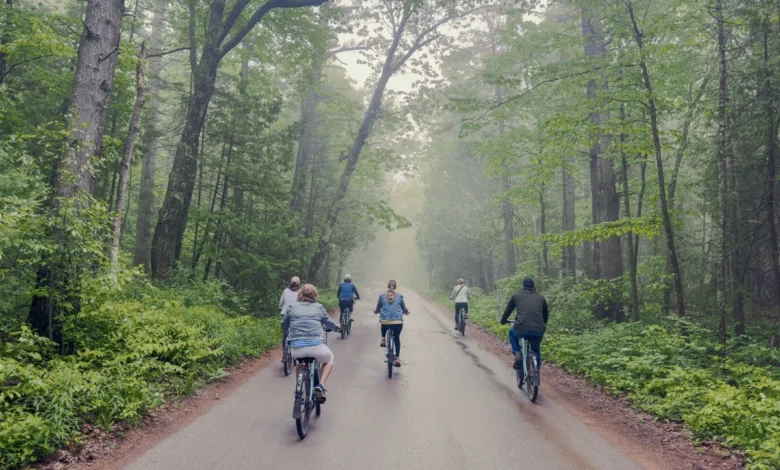
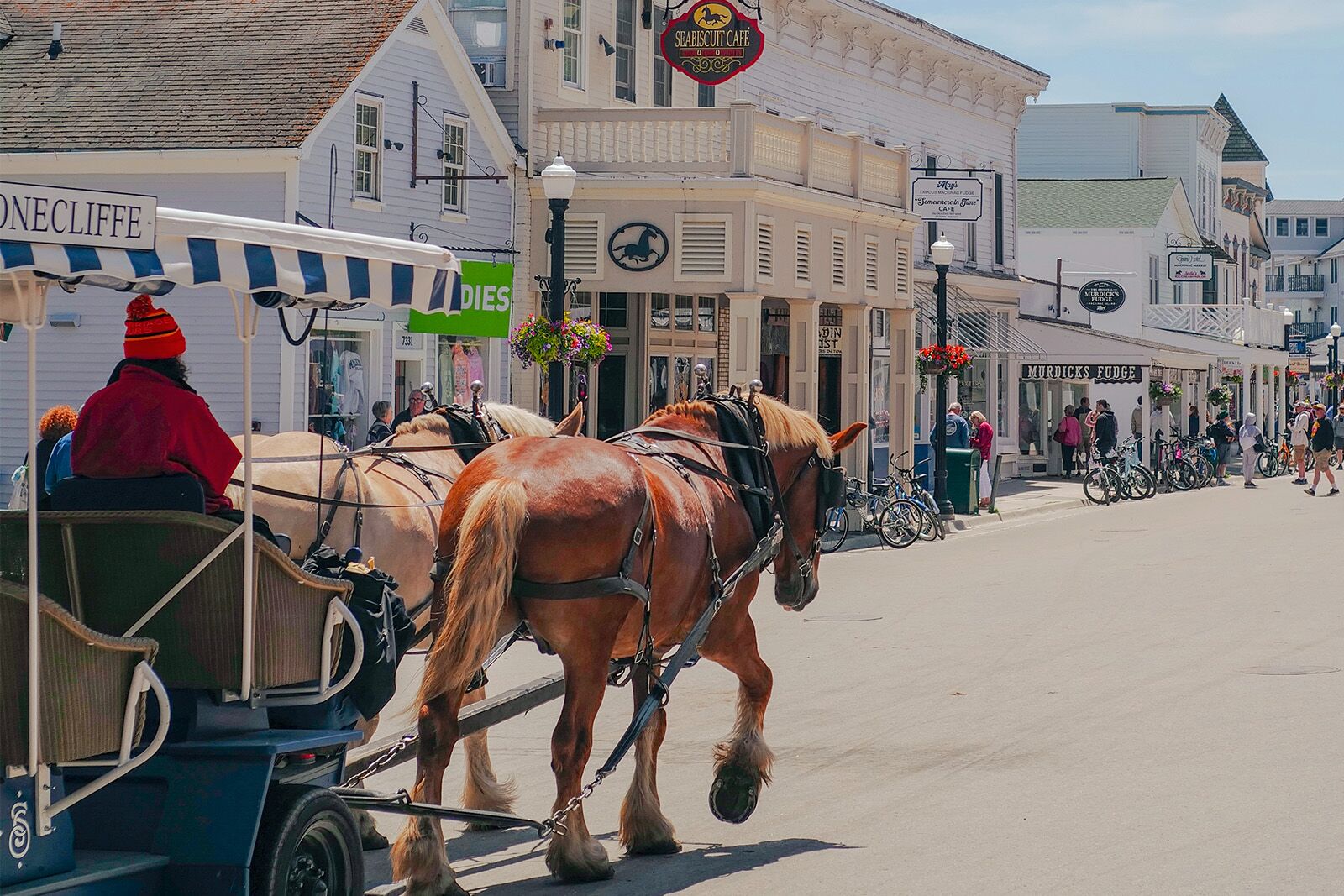
Mackinac Island, a landform of approximately 3.8 square miles situated in Lake Huron between Michigan’s Upper and Lower Peninsulas, serves as one of the most distinct cultural and historical preserves in the United States. Defined by an 8.2-mile shoreline and a total absence of motorized vehicles, the island operates as a living museum of the Victorian era, sustained by a robust tourism economy and a commitment to historical authenticity. The prohibition of automobiles, enacted in 1898, remains the cornerstone of the island’s identity. This policy was originally instituted after local carriage drivers petitioned the village council, arguing that the "horseless carriages" of the era were startling their horses and disrupting the tranquil atmosphere of the summer resort. Today, the island’s primary modes of transportation—bicycles, horse-drawn carriages, and walking—dictate a pace of life that attracts approximately one million visitors annually.
Historical Evolution of a Car-Free Sanctuary
The chronological development of Mackinac Island is marked by its transition from a strategic military outpost to a premier vacation destination. In 1875, Mackinac was designated as the United States’ second national park, just three years after Yellowstone. However, in 1895, the federal government transferred the land to the State of Michigan, leading to the creation of Mackinac Island State Park, the state’s first. This transition ensured that over 80 percent of the island would remain protected from development.
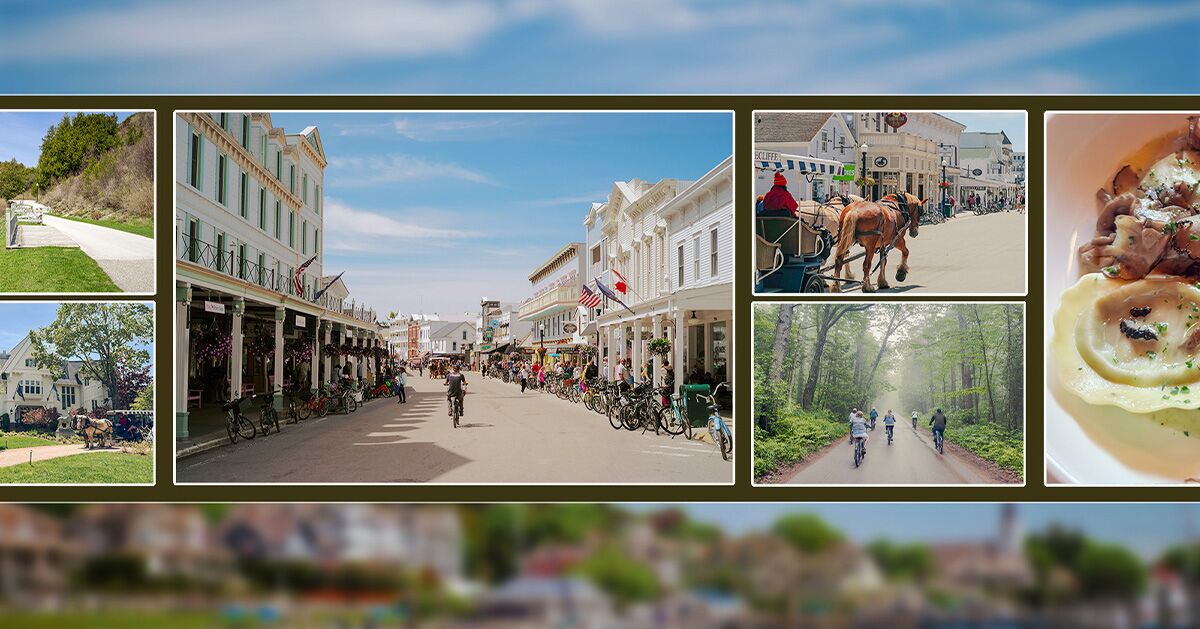
The 1898 ban on motor vehicles was a pivotal moment in the island’s history. While the rest of the country embraced the industrial revolution’s shift toward the automobile, Mackinac Island doubled down on its equestrian roots. This decision has had lasting implications for the island’s infrastructure. All logistical operations, from trash collection to grocery delivery, are conducted via horse-drawn dray or bicycle. For instance, Doud’s Market, which has operated since 1884 as the oldest family-run grocery store in the country, utilizes specialized wagons hitched to bicycles to facilitate the movement of goods. This adherence to tradition has not only preserved the environment but has also created a unique economic ecosystem centered on equine maintenance and non-motorized logistics.
Navigating the Island: Infrastructure and Logistics
Access to Mackinac Island is strictly regulated by its geography. Visitors primarily arrive via ferry services operating out of Mackinaw City or St. Ignace. These ferry lines, including Shepler’s and Star Line (now Mackinac Island Ferry Company), transport thousands of passengers daily during the peak season, which runs from May through October. For high-end travelers or those seeking a more direct route, Fresh Air Aviation provides air taxi services from Pellston Regional Airport (PLN) to the island’s small airstrip. Upon arrival at the tarmac, travelers are met by horse-drawn taxis, as the island lacks the asphalt-heavy infrastructure found on the mainland.
The island’s internal transit system is anchored by the Mackinac Island Carriage Tours, an organization that has been in operation since 1869. The company provides a range of services, from public guided tours to a 24-hour radio-dispatched taxi service. For those seeking independence, the island offers an extensive network of bicycle rentals. M-185, the only state highway in the United States that prohibits motor vehicles, circles the island’s perimeter, offering an eight-mile loop that connects major geological and historical landmarks.
The Cultural Significance of Mackinac Fudge
One cannot analyze the Mackinac Island economy without addressing its most famous export: fudge. The tradition began in 1887 when the Murdick family opened the island’s first candy shop. The "fudgie"—a term used by locals to describe tourists—became a central figure in the island’s summer identity. The fudge-making process itself is a public performance; artisans work the sweet mixture on massive marble slabs to ensure a smooth, non-grainy texture.
This industry has grown to include several legacy brands, most notably Murdick’s Fudge and Joann’s Fudge. The competition between these establishments has fostered a high standard of quality that remains a primary draw for visitors. Beyond the traditional chocolate and vanilla, the industry has evolved to include unique island-specific flavors, such as the raspberry chocolate fudge produced by the Mackinac Island Cookie Company, which is sold exclusively at select high-end resorts.
Natural Preservation and State Park Exploration
The environmental integrity of Mackinac Island is managed by the Mackinac Island State Park Commission. The park features over 70 miles of trails that traverse diverse ecosystems, from limestone bluffs to cedar forests. Key geological formations, such as Arch Rock—a natural limestone bridge standing 146 feet above Lake Huron—serve as primary focal points for hikers and cyclists.
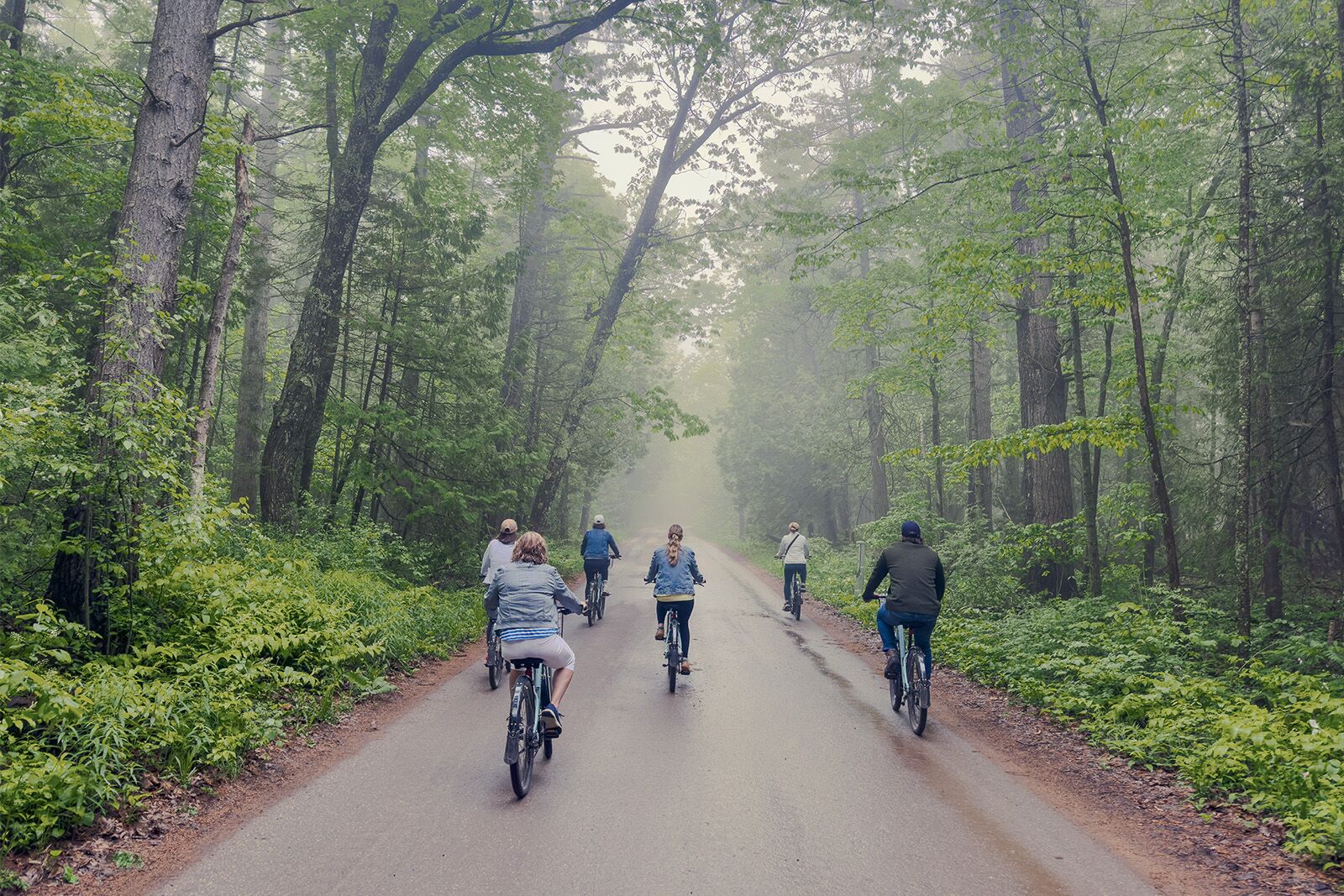
Historical preservation is also a core component of the park’s mission. Fort Holmes, the island’s highest point, offers a reconstructed look at the fortifications used during the War of 1812. The park’s management strategy emphasizes a balance between high-traffic tourist areas and secluded wilderness. Trails such as the West Bluff Trail provide views of the island’s iconic Victorian "summer cottages," while the Croghan Water Trail offers a more rugged experience for wildlife enthusiasts.
Culinary Excellence in a Remote Setting
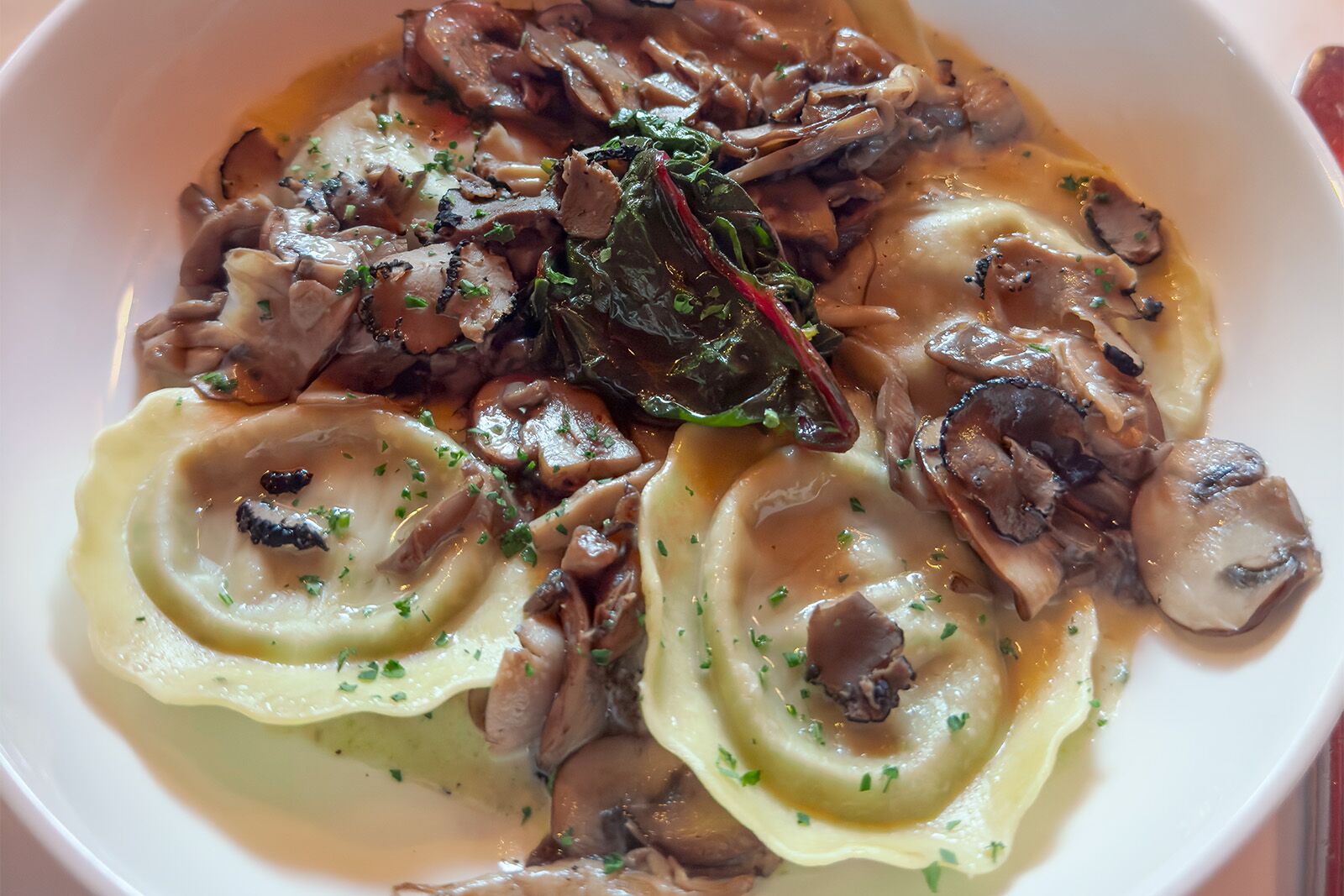
The culinary landscape of Mackinac Island is a study in logistical ingenuity. Every ingredient must be ferried to the island and then transported by horse or bike to the kitchens. Despite these challenges, the island hosts a range of dining experiences, from casual mainstays like the Pink Pony—a waterfront fixture since the early 20th century—to fine-dining establishments like The Straits at the Inn at Stonecliffe.
A growing trend on the island is the emphasis on regional sourcing. The Straits, for example, utilizes produce grown on-site or sourced from Michigan farms, highlighting a commitment to the "farm-to-table" movement even in a remote island setting. Other notable establishments include:
- Watercolor Café: A hybrid art studio and eatery known for its "Poppies" (artisanal toaster pastries) and waterfront views.
- Woods Restaurant: A Bavarian-style dining room operated by the Grand Hotel, accessible via a wooded carriage ride, emphasizing wild game and upscale rustic fare.
- Mackinac Island Cookie Company: A family-owned business that has expanded from the mainland to become a staple of the island’s Arnold Transit Dock.
Architectural Heritage and Premier Accommodations
The island’s lodging options are defined by their historical significance. The Grand Hotel, built in 1887, remains the island’s most recognizable landmark. Boasting the world’s longest front porch at 660 feet, the hotel is a National Historic Landmark that maintains a strict evening dress code, preserving the formal atmosphere of the Gilded Age. The hotel’s presence was further solidified in popular culture as the filming location for the 1980 film Somewhere in Time.
In contrast to the formal grandeur of the Grand Hotel, the Inn at Stonecliffe offers a more secluded experience. Located on the island’s "bluffs," this 1904 Tudor mansion recently underwent a $40 million renovation. Beyond its luxury amenities, Stonecliffe operates as a "Humanitarian Hotel," with net profits directed toward community development and the employment of asylum-seekers. This model represents a modern shift in the island’s hospitality sector, blending historical preservation with social responsibility.
Other significant properties include the Hotel Iroquois, a 1902 residence-turned-hotel that offers waterfront dining at the Carriage House, and numerous historic bed-and-breakfasts that line the streets of the downtown district.
Future Outlook and Sustainability Analysis
As Mackinac Island moves further into the 21st century, it faces the dual challenges of climate change and over-tourism. The rising water levels of the Great Lakes pose a long-term threat to the shoreline infrastructure, including M-185. Furthermore, the island’s reliance on a seasonal workforce requires a delicate balance of housing and resources.
However, the island’s historical commitment to a car-free existence places it in a unique position regarding environmental sustainability. By eschewing internal combustion engines for over a century, the island has avoided many of the pollution and congestion issues facing other tourist hubs. The continued success of Mackinac Island suggests that there is a significant global market for "slow travel"—destinations that prioritize heritage, nature, and a departure from the rapid pace of modern life.
In conclusion, Mackinac Island is not merely a vacation spot but a carefully managed historical experiment. Through the preservation of its 1898 car ban, the stewardship of its state park, and the maintenance of its Victorian architecture, the island provides a rare window into an alternative American development path. As long as the horses continue to pull the carriages and the fudge remains on the marble slabs, Mackinac Island will remain a testament to the enduring value of tradition in an ever-changing world.
Related posts: