Valdivia’s Craft Beer Renaissance: How German Heritage and Seismic History Forged Chile’s Liquid Capital

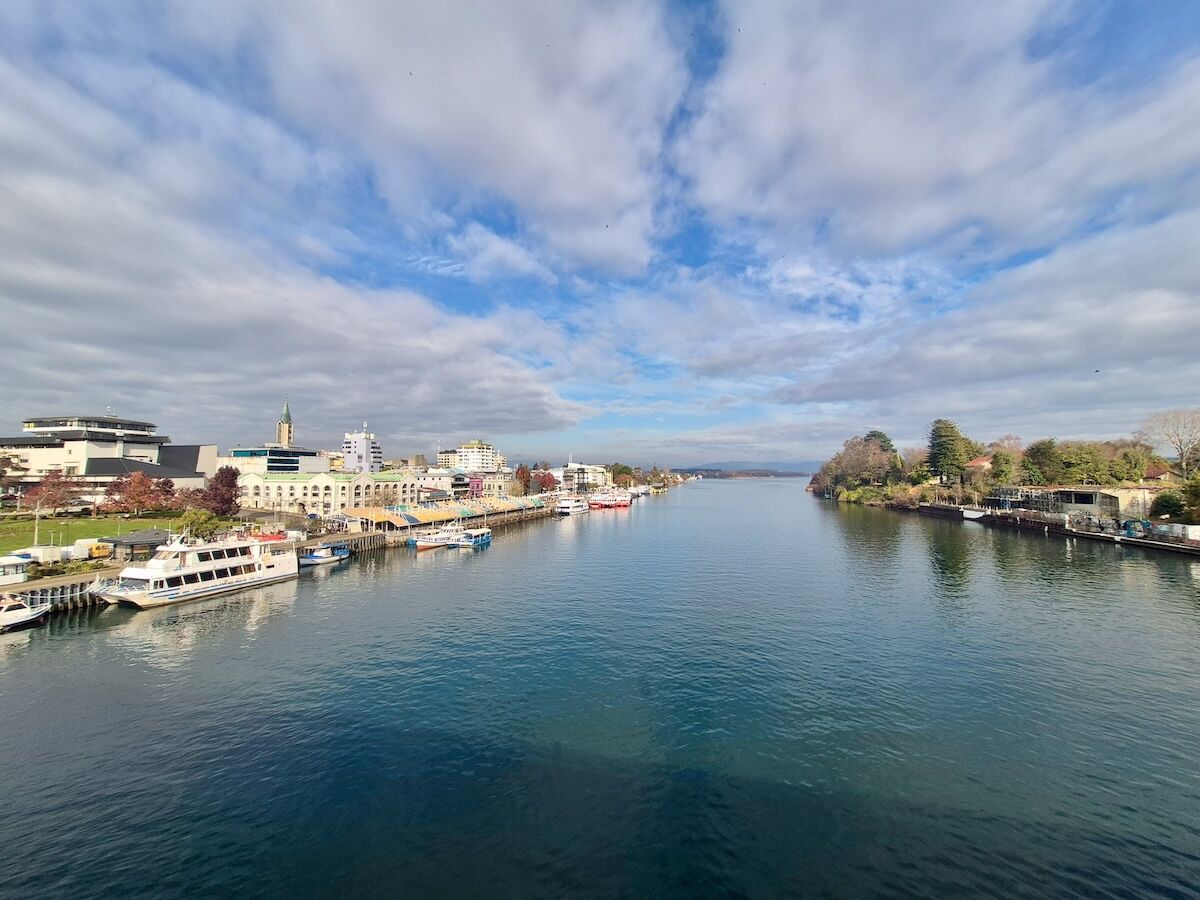
Nestled at the confluence of three winding rivers in southern Chile, the city of Valdivia stands as a unique testament to the fusion of 19th-century European immigration, seismic upheaval, and modern artisanal entrepreneurship. Long recognized by travelers and locals alike as the craft beer capital of Chile, this destination within the Los Ríos Region offers a compelling study in economic resilience, ecological adaptation, and cultural preservation. Today, Valdivia draws thousands of visitors annually not only for its world-class brewing traditions and maritime history, but also for its distinctive landscape—one irrevocably shaped by the most powerful earthquake ever recorded in human history.
Historical Roots and the 19th-Century German Migration Wave
The foundational roots of Valdivia’s brewing industry trace back to the mid-19th century, a period defined by state-sponsored colonization initiatives in southern Chile. Seeking to stimulate the regional economy, secure territorial sovereignty, and develop agricultural output in the heavily forested southern provinces, the Chilean government actively encouraged European immigration. Beginning in the late 1840s and accelerating through the 1850s, waves of German settlers arrived in the region, bringing with them a rich heritage of agricultural techniques, infrastructural engineering, and traditional brewing methodologies.
Among these pioneers was Carlos Anwandter, who arrived in Chile and established one of the nation’s earliest commercial breweries in Valdivia in 1851. Anwandter’s arrival marked the beginning of an industrial transformation for the city, as German-style lager and ale production took root along the fertile banks of the Valdivian waterways. While many of the original colonial-era structures succumbed to time and natural disasters, Anwandter’s former home on Isla Teja survived the ravages of the 20th century and now serves as a protected historical site within Valdivia’s Museum of History and Anthropology.
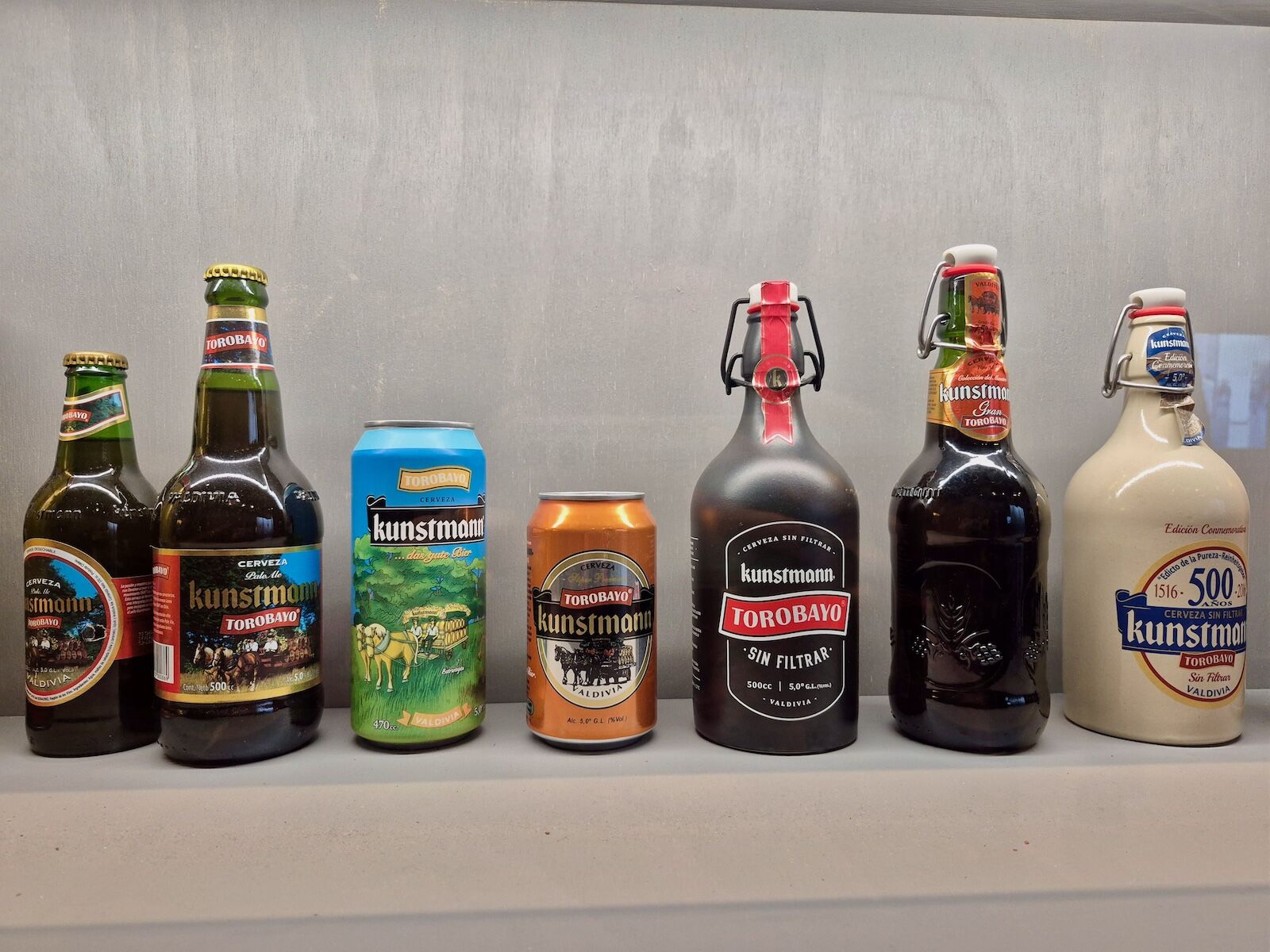
The industry experienced a major revival in the 1990s when Armin Kunstmann breathed new life into the region’s dormant brewing heritage by founding Cervecería Kunstmann. What began as a localized passion project has since evolved into one of Chile’s most commercially successful and recognizable craft breweries. Exhibits housed within the Kunstmann facility explicitly honor the historical contributions of Anwandter and early German settlers, bridging a century-and-a-half gap in the city’s industrial chronology.
The Geology of Brewing: Water and Ecosystems in Los Ríos
Modern craft beer production in Valdivia is deeply intertwined with the region’s unique geography and hydrological features. Industry experts and local brewers frequently attribute the exceptional quality of Valdivia’s beer to the pristine purity of the local water supply, which is heavily influenced by the surrounding Valdivian temperate rainforest and the Estancilla wetland system.
Guided tours of prominent local facilities, such as Cervecería Kunstmann, routinely emphasize the delicate ecological relationship between subterranean water sources, local precipitation patterns, and the chemical composition required for crafting everything from malty Torobayo amber ales to heavily hopped lagers. Furthermore, the cultural footprint of this heritage is celebrated annually through the Kunstmann Bierfest, a massive regional festival held between late January and February that draws direct inspiration from Munich’s traditional Oktoberfest.
Beyond traditional German Reinheitsgebot-style brewing, Valdivia’s contemporary craft beverage landscape has evolved significantly. The city now hosts a diverse array of independent brewpubs and microbreweries that draw inspiration from modern American and Belgian craft brewing techniques. Establishments like El Growler—a prominent Isla Teja brewpub founded by expatriate brewers—exemplify this shift, offering experimental house IPAs, robust stouts, and diverse ales served in industrial-chic beer gardens alongside fusion fare.
The 1960 Valdivia Earthquake: A Seismic Catalyst for Transformation
To understand Valdivia’s contemporary topography and urban layout, one must examine the catastrophic events of May 22, 1960. On that day, the Great Chilean Earthquake—registering an unprecedented moment magnitude of 9.4 to 9.6—struck off the coast of southern Chile. The cataclysm unleashed towering 82-foot tsunami waves that battered the Pacific coastline and caused severe structural devastation throughout the Los Ríos and Los Lagos provinces.
Crucially for Valdivia, the seismic event induced massive tectonic subsidence, causing the land surrounding the city’s river networks to sink by up to 6.5 feet (two meters). This sudden geological shift permanently altered the region’s hydrology. Dry agricultural plains and low-lying coastal areas were rapidly inundated, evolving into expansive wetlands and altering the navigable depths of the Valdivia, Calle-Calle, and Cruces rivers. The disaster prompted significant demographic shifts, government-led infrastructural overhauls, and the eventual administrative creation of the Los Ríos Region in 2007, elevating Valdivia to a regional capital.
Urban Wildlife and Maritime Heritage
Today, the geological scars of 1960 have integrated seamlessly into Valdivia’s identity as a "city of water." Regular boat cruises—operated by local maritime enterprises such as Kimeltu Los Ríos—ferry tourists and residents along the interconnected waterways, offering detailed historical narratives regarding the earthquake’s permanent impact on the urban landscape.
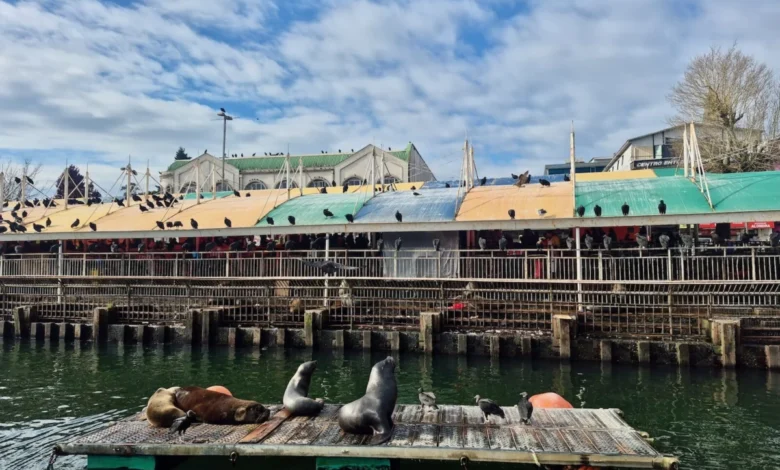
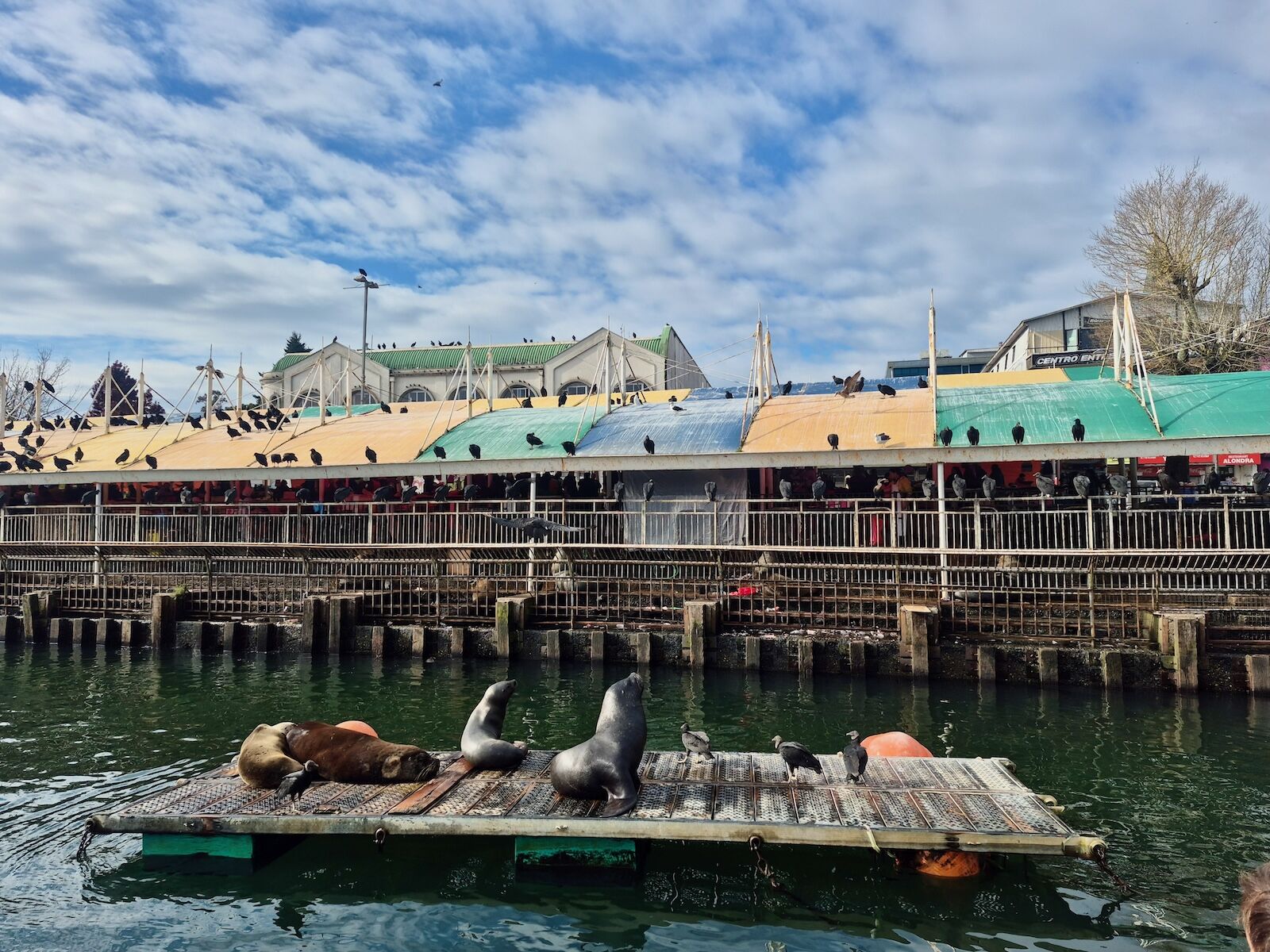
A striking feature of Valdivia’s urban ecosystem is the prominent presence of South American sea lions (lobos marinos). These marine mammals have established a permanent colony along the municipal waterfront, frequently hauling themselves onto pedestrian walkways and congregating near the bustling Mercado Fluvial. Here, they routinely interact with local fishermen and vendors, creating a rare urban ecosystem where wildlife and municipal infrastructure coexist in plain sight.
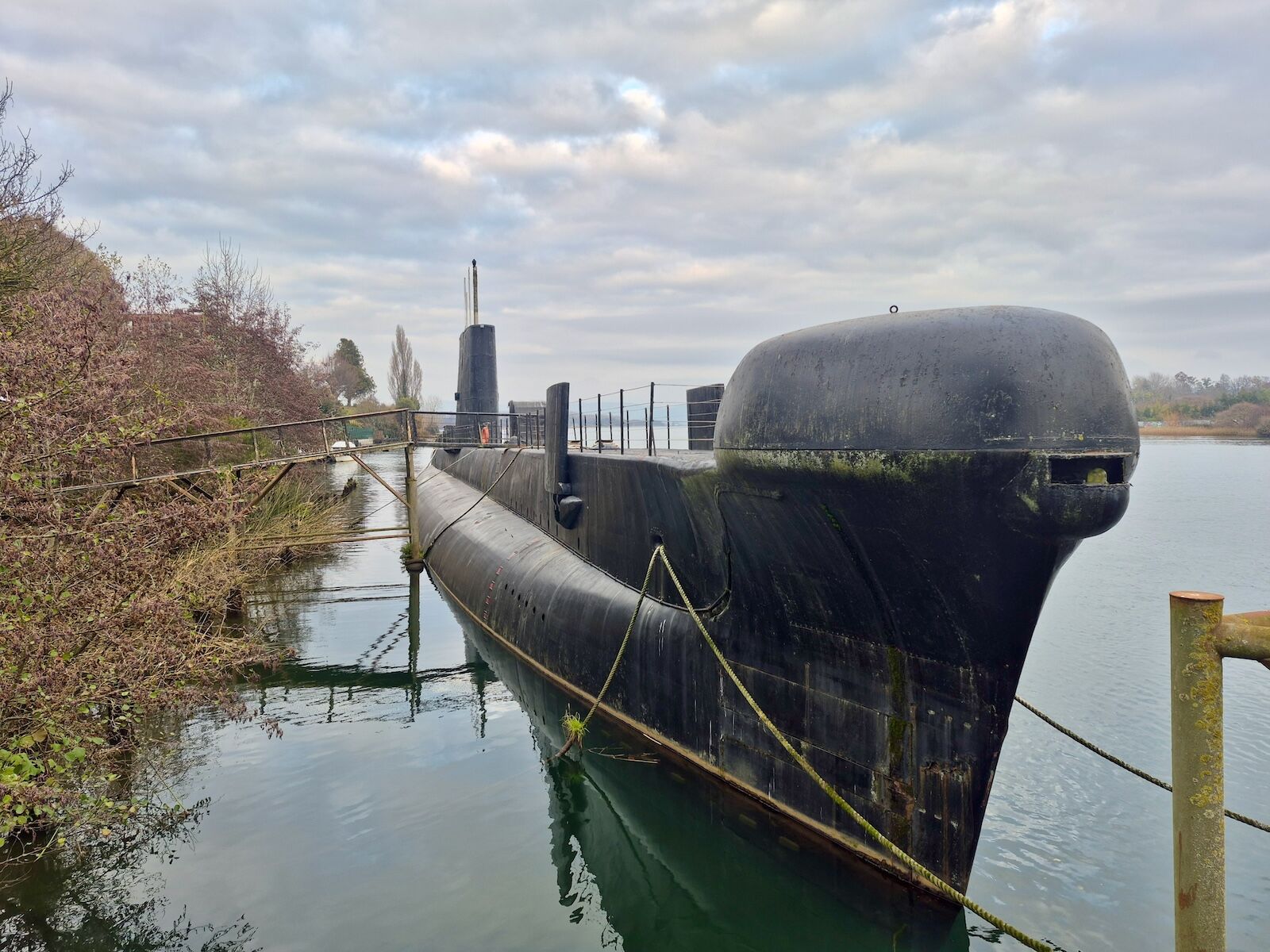
For travelers seeking a deeper dive into maritime and military history, Valdivia offers unconventional attractions that reach beneath the water’s surface. Among the most notable is the O’Brien, a decommissioned Chilean Navy Oberon-class submarine engineered in Scotland in 1971. Permanently berthed along the Valdivia waterfront, the vessel operates as a floating museum managed in coordination with national heritage registries. Visitors navigating the narrow hatches, cramped control rooms, torpedo compartments, and engine chambers gain firsthand insight into Cold War-era naval engineering and submarine operations, further diversifying the city’s tourism portfolio.
Fortifications and Coastal Defense: The Legacy of Niebla and Corral
Valdivia’s strategic geographical position at the mouth of the Pacific Ocean made it a critical defensive stronghold during the Spanish colonial era. Recognizing the vulnerability of the interior river networks to foreign incursions and piracy, the Spanish crown authorized the construction of an extensive system of fortifications throughout the 17th and 18th centuries.
The coastal hamlet of Niebla, situated a short drive or public bus ride (micro) from downtown Valdivia, serves as the primary site for this military history. The Castillo de Niebla (Niebla Castle)—officially known as the Castillo de la Pura y Limpia Concepción de Monfort de Lemus—stands as a partially ruined yet remarkably preserved fortress overlooking the churning waters of the Pacific. Visitors traversing the historic walkways can inspect authentic colonial-era cannons, defensive stone walls, and barracks that once guarded the maritime entrance to the Valdivia river basin.
Longer maritime excursions connect Valdivia directly to Niebla and neighboring Corral, allowing travelers to explore secondary fortifications constructed to establish an impenetrable defensive ring across the estuary. These historical sites underscore the geopolitical importance Valdivia held centuries before it evolved into a celebrated hub for ecological tourism and artisanal brewing.
Infrastructure, Accessibility, and Regional Tourism Integration
As Valdivia continues to cement its status as a premier destination in southern Chile, regional infrastructure has adapted to accommodate an increasing influx of domestic and international visitors. Air travel is facilitated via Pichoy Airport, located north of the city, which offers regular commercial connections to Santiago. For travelers seeking overland transit, long-distance overnight bus services operated by major national and international carriers provide comfortable connections from metropolitan centers such as Santiago and Valparaíso.
Valdivia also serves as a strategic gateway for broader road trips exploring the Los Ríos and Los Lagos regions. The city’s highway network acts as a natural northern continuation of the famous Carretera Austral (Route 7), offering motorists access to dramatic fjords, volcanic landscapes, and national reserves.
For accommodations, properties like Hotel Puerta del Sur—situated on Isla Teja—exemplify the region’s hospitality sector, offering amenities such as riverside barrel hot tubs, nature reserves, and bicycle rentals for exploring the nearby Austral University Botanical Garden. Positioned within walking distance of Valdivia’s culinary and craft beer epicenters, the city successfully balances its rich historical pedigree with a forward-looking tourism economy that continues to draw global interest.