Allover Apparel and the Evolution of Technical Outerwear in the Pacific Northwest Outdoor Market

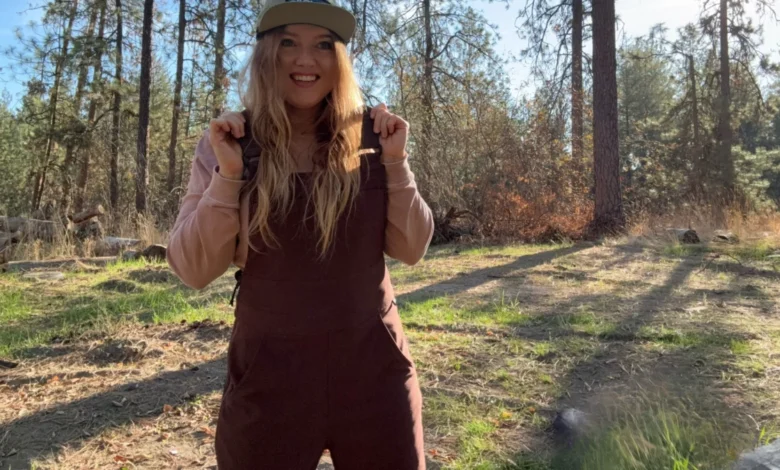
The intersection of functional utility and aesthetic versatility has long defined the Pacific Northwest outdoor apparel market, a sector currently valued at over $15 billion annually in the United States. As consumers increasingly prioritize garments that bridge the gap between backcountry performance and urban casual wear, brands are being forced to rethink traditional silhouettes. Among the most significant shifts is the resurgence of the overall—once relegated to agrarian labor—now engineered for high-alpine endurance. Allover Apparel, a manufacturer that has gained traction since its inception, represents this modernization of classic workwear into technical outdoor gear.
A Chronology of Product Development and Market Entry
The development of Allover Apparel’s product line reflects a two-year trajectory of iterative design aimed at solving specific pain points for female outdoor enthusiasts. In 2024, the brand launched the Women’s Lookout Overalls, targeting a demographic that demands both durability and tactile comfort. This release was characterized by a focus on material science, utilizing a 94 percent recycled polyester and 6 percent spandex blend that meets Bluesign standards—a critical certification for environmental and chemical safety in textile manufacturing.
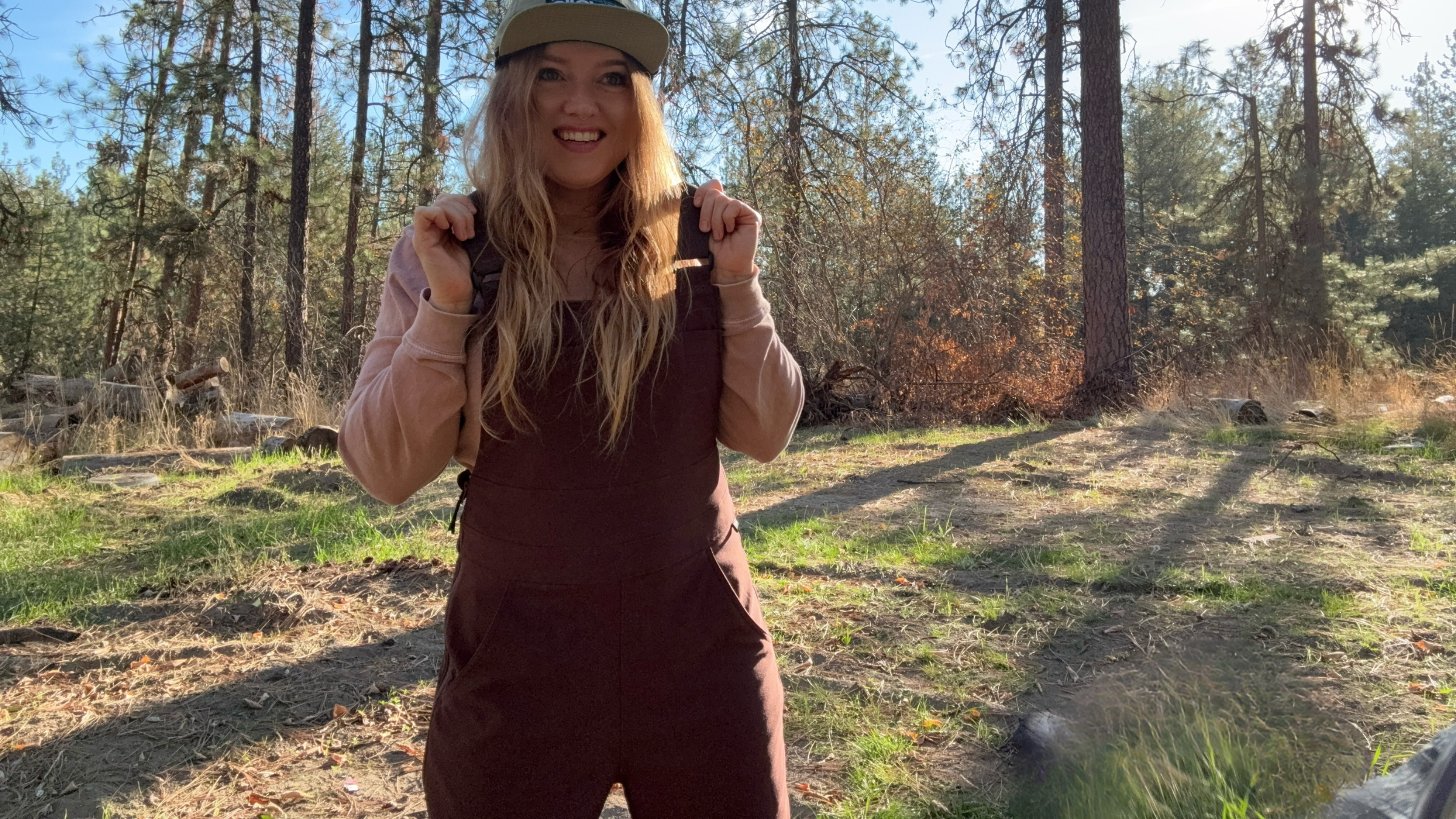
Following the initial success of the Lookout Overalls, the company expanded its research and development phase throughout 2025. Recognizing the demand for year-round utility, the company introduced the "Fooses" winter-specific model in the autumn of 2026. This launch was timed to coincide with the pre-winter demand for moisture-wicking, thermal-regulated, and windproof apparel, addressing the gaps identified by users who found traditional seasonal gear either too bulky or insufficiently durable for extreme conditions.
Technical Specifications and Material Innovation
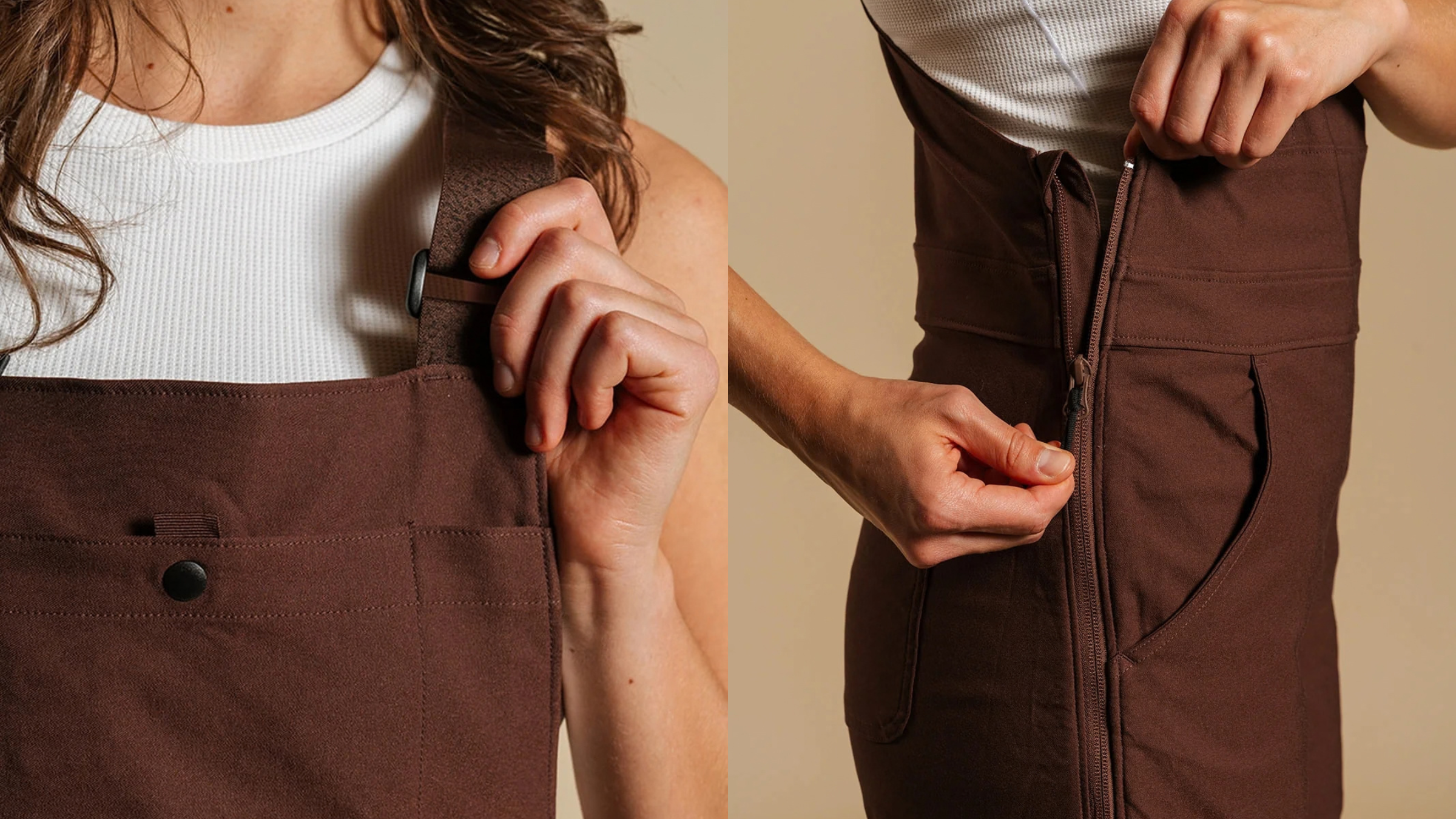
The engineering behind these garments centers on a departure from traditional hardware. Conventional overalls often rely on cold-forged metal buckles and exposed zippers, which can create pressure points and sensory discomfort for the wearer. Allover’s design philosophy replaces these with non-release, thick-strap configurations and recessed zipper housings.
Data from textile performance tests indicate that the use of recycled polyester in these overalls provides a significant weight reduction compared to traditional canvas or denim, without compromising tensile strength. The inclusion of a strategic side-access zipper represents a functional improvement in technical apparel design, specifically addressing the logistical challenges of backcountry sanitation. By allowing for a "drop-seat" function without the need to remove outer layers or backpacks, the design improves efficiency for hikers and climbers in high-exposure environments.
Supporting Data and Consumer Trends
Market analysis suggests that the "cabin-core" and "gorpcore" aesthetic trends have driven a 12% year-over-year increase in demand for heritage-inspired technical gear. However, the modern consumer is distinct from the traditional outdoor enthusiast of the early 2000s; they prioritize multi-functionality.
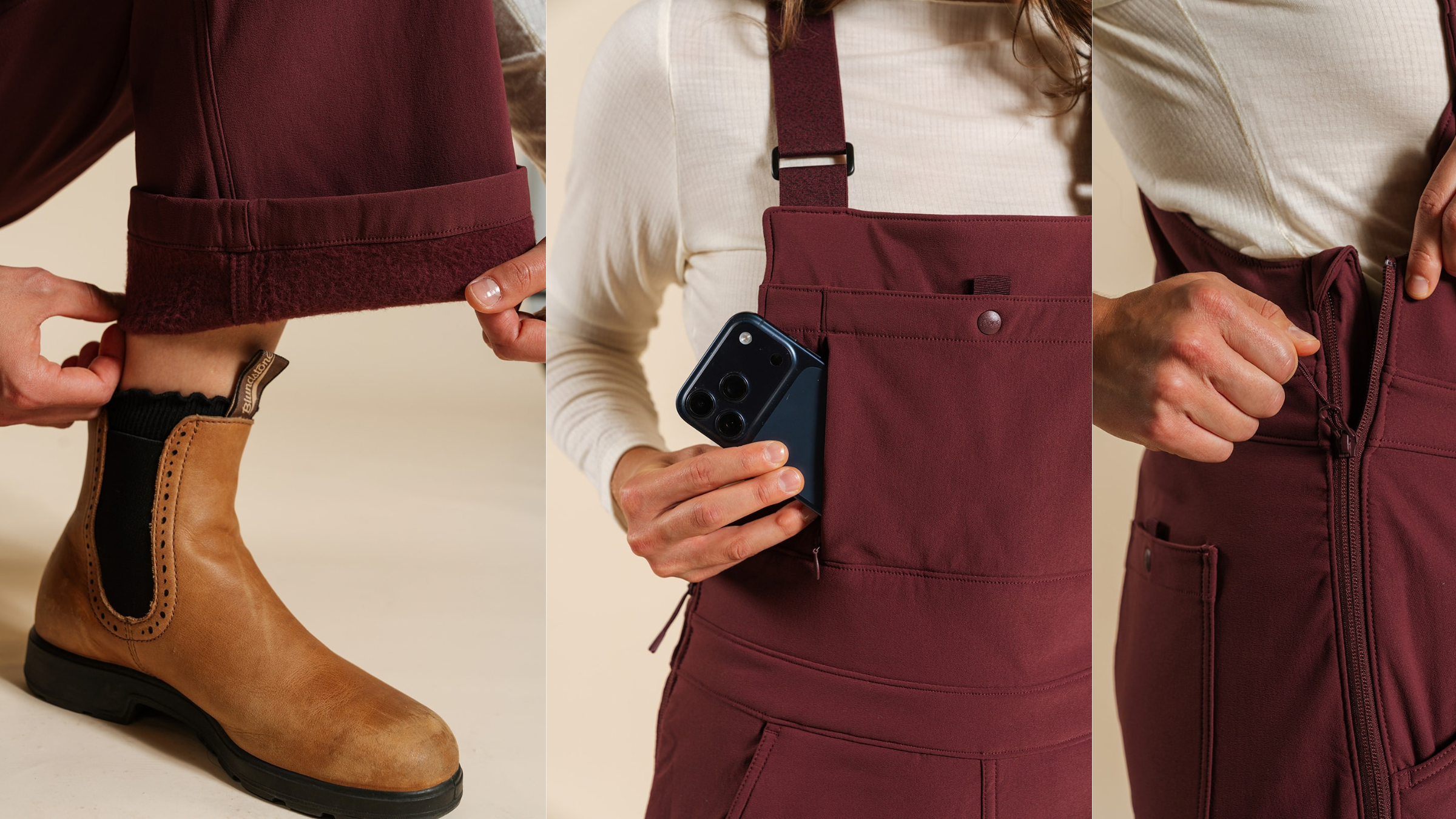
According to retail data from the Pacific Northwest regional sector, products that offer "all-season" utility show higher conversion rates than specialized, single-purpose equipment. Allover’s decision to offer sizes from XS to 2X, paired with specific inseam options, aligns with a broader industry push toward size inclusivity. The brand’s internal reporting suggests that the "Fooses" winter overalls, which feature an eight-pocket architecture, were specifically requested by long-distance hikers who require dedicated, secure storage for mobile devices and navigation tools that remain accessible even when wearing winter gloves.
Official Perspectives and Design Rationale
While the brand has not released public financial statements, industry observers note that the company’s focus on the "Daily Driver" concept—garments that function in a professional or domestic setting as well as a vertical climb—mirrors the strategies of major industry incumbents like Patagonia and Arc’teryx.
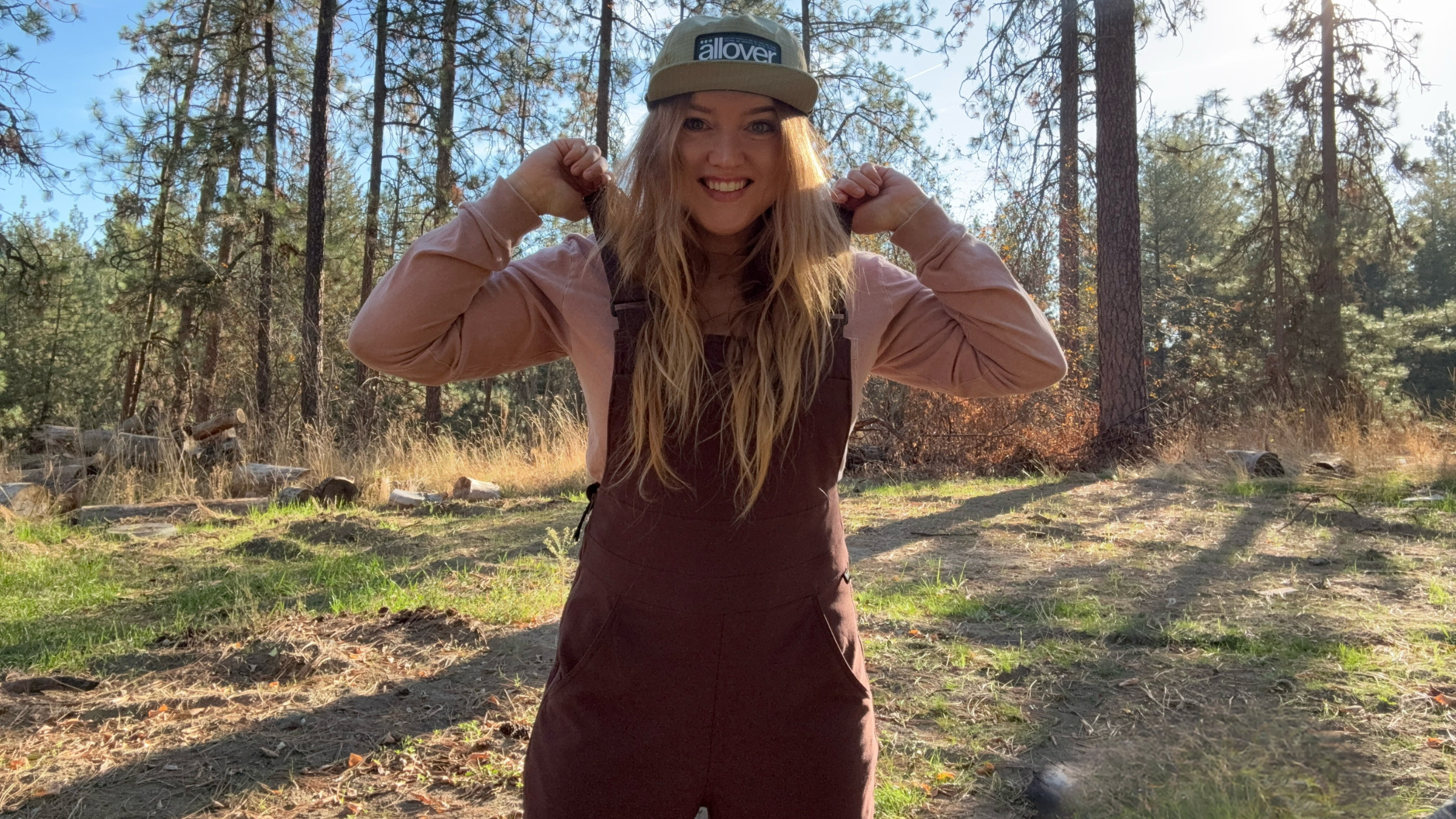
Representatives from the design team have emphasized that the "Fooses" winter overalls were designed with a larger fit profile to accommodate base layers, a common oversight in women’s outdoor sizing. By intentionally engineering the garment to be loose-fitting, the brand mitigates the risk of restricted blood flow in extreme cold—a common issue when base layers are compressed under tight-fitting shell pants. This proactive approach to thermal management is a key differentiator in a crowded marketplace.
Broader Industry Implications
The success of brands like Allover Apparel signals a shift in the outdoor industry’s approach to "technical comfort." For decades, the industry operated under the assumption that performance gear had to be stiff and aesthetically austere. The current trend suggests that consumers are no longer willing to sacrifice tactile comfort for performance.
This evolution has significant implications for sustainable manufacturing. By using recycled materials and focusing on garment longevity—specifically, items that do not require frequent laundering or replacement due to mechanical failure—these brands are contributing to a reduction in textile waste. If the current trajectory of the Pacific Northwest outdoor market continues, we can expect to see further integration of "soft-touch" hardware and ergonomic design in even the most technical mountain gear.
Analysis of the Winterized Market Segment
The introduction of the Fooses winter overalls serves as a case study for how outdoor brands can capture the "shoulder season" and winter market. The inclusion of windproof and waterproof laminates, combined with a fleece-like or brushed interior, addresses the primary complaint of outdoor users: the transition between high-output movement and static periods (such as belaying or winter camping).
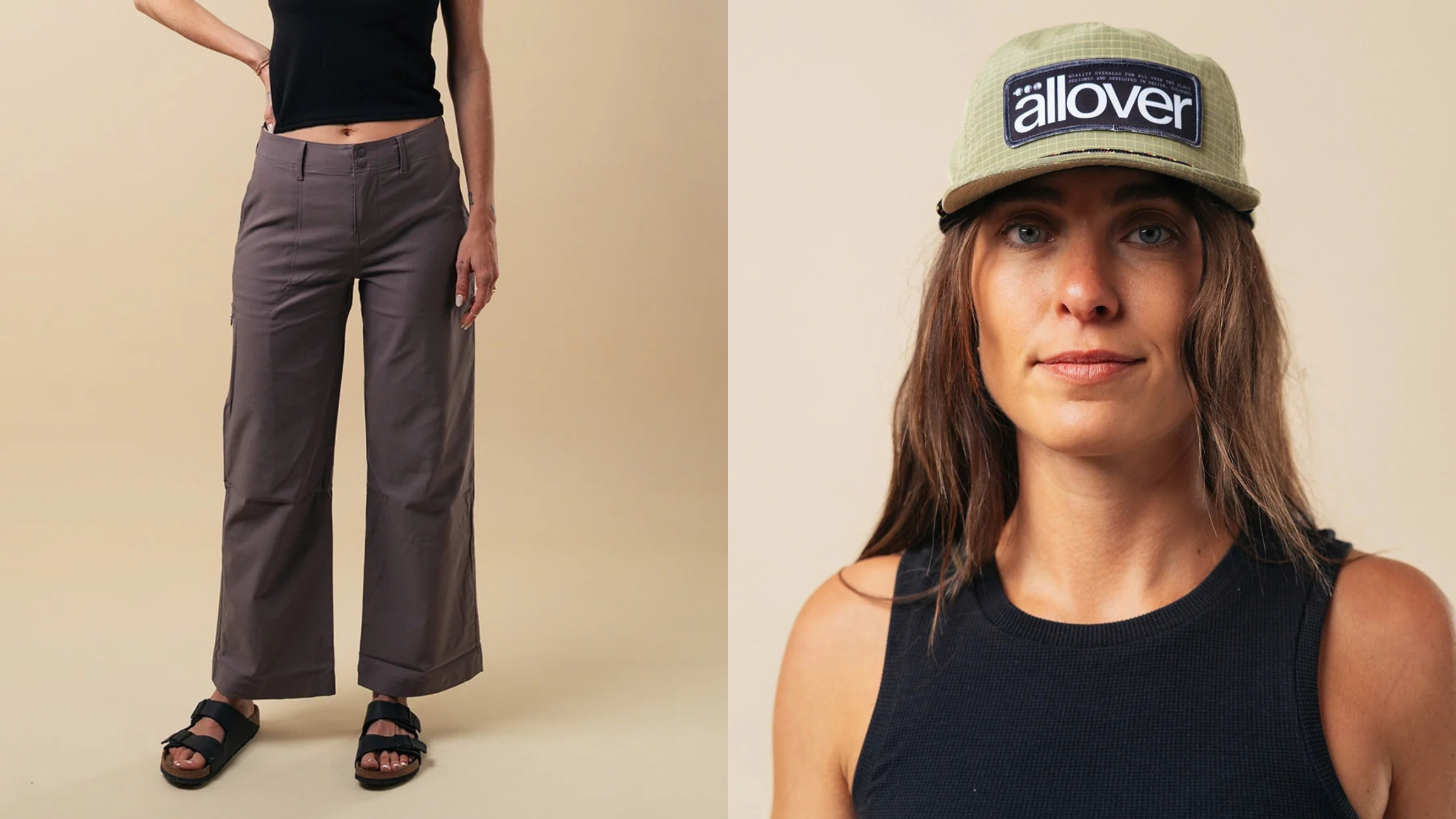
Furthermore, the brand’s expansion into accessories, such as the rope-brim camp hat, indicates a "lifestyle brand" strategy. By creating a cohesive ecosystem of products that share a design language—utilizing ripstop fabrics and adjustable, user-friendly components—the company fosters brand loyalty that extends beyond a single piece of equipment.
Conclusion: Evaluating Value in Premium Gear
The investment required for high-end technical overalls, which often exceed the $200 price point, is justified by the consumer through the lens of cost-per-wear and durability. In an era of "fast fashion," the emphasis on long-term utility is a compelling value proposition. For the outdoor athlete, the ability to rely on a single garment for a multi-day trip—one that handles moisture, provides protection from the elements, and offers ergonomic ease of use—is increasingly viewed as a standard requirement rather than a luxury.
As Allover Apparel continues to iterate on its designs, the focus will likely remain on refining these technical solutions for an increasingly diverse and active audience. The shift toward functional, durable, and inclusive apparel design is not merely a passing trend but a fundamental recalibration of how outdoor enthusiasts interact with their environment, ensuring that the gear they wear is as resilient as the terrain they traverse. Through careful attention to material science, user-centered ergonomics, and a clear understanding of the needs of the modern outdoorsperson, the brand has effectively positioned itself at the forefront of this transformation.