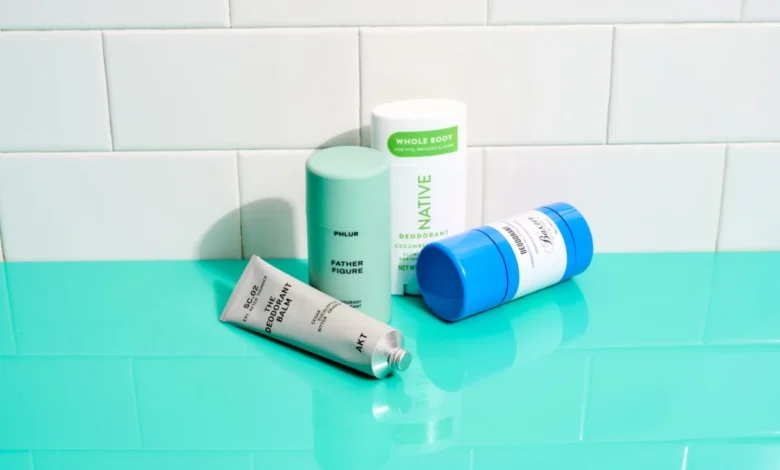
Maintaining personal hygiene in a modern, professional, and social environment is a non-negotiable standard of etiquette. While daily grooming habits—such as using quality bar soaps, invigorating body washes, and sophisticated colognes—form the foundation of an effective hygiene routine, the inclusion of a high-performance deodorant is the critical final step in managing body odor. Sweating is an essential biological process for thermoregulation, but the social consequences of body odor necessitate the use of products designed to neutralize the bacteria responsible for unpleasant scents.

The Science of Body Odor and Bacterial Control
To understand why deodorant is essential, one must first look at the biological mechanics of odor. Contrary to common belief, sweat itself is largely odorless. The distinct scent associated with body odor is the byproduct of naturally occurring bacteria on the skin’s surface, particularly in high-density sweat gland areas like the underarms, interacting with the proteins and lipids found in perspiration.
Deodorants function through a two-fold mechanism: they reduce the population of odor-causing bacteria on the skin and mask remaining scents with fragrance. It is vital to distinguish this from antiperspirants. Antiperspirants utilize aluminum-based compounds to physically block sweat glands, thereby reducing the volume of moisture reaching the skin’s surface. Deodorants, conversely, do not inhibit the flow of sweat. For individuals who prefer to allow their body’s natural cooling processes to occur unimpeded, aluminum-free deodorant is the standard choice.

Historical Context and the Rise of Aluminum-Free Alternatives
The shift toward aluminum-free grooming products has gained significant momentum over the last decade. Historically, the grooming industry relied heavily on aluminum salts as the primary active ingredient in odor management. However, as consumer awareness regarding ingredient transparency has grown, so has the demand for formulations that favor botanical agents, natural starches, and essential oils over synthetic additives.
This transition has not been without challenges. Many early iterations of natural deodorants were criticized for their lack of longevity or for causing skin irritation due to the inclusion of baking soda. Today, the market has matured, with brands such as Oars + Alps, Bravo Sierra, and Native leveraging advanced, clean-label technologies to provide 24-to-72-hour protection without the use of parabens, sulfates, or aluminum.

Product Analysis: Top Performers in the Modern Market
Based on recent testing by grooming professionals, several products have emerged as industry leaders in efficacy and skin safety:
- Oars + Alps: Utilizing a proprietary alpine caribou moss sourced from Northern Finland, this deodorant provides antioxidant protection alongside odor neutralization. It is notable for being vegan, cruelty-free, and free of alcohol, making it suitable for those with reactive skin.
- Mando Whole Body Deodorant: Designed for versatility, this spray-based product targets odor across the entire body. Its formulation, which includes caprylic triglyceride and caffeine, is optimized for long-term wear, with some clinical claims of up to 72 hours of odor protection.
- Bravo Sierra: Developed in collaboration with U.S. Special Forces, this line prioritizes durability and eco-friendly manufacturing. By utilizing tapioca starch and aloe, it offers a robust solution for active individuals without leaving chalky residues.
- Native: A leader in the natural segment, Native offers a wide variety of scents and a formula that incorporates shea butter and magnesium, ensuring the skin remains hydrated while odor is suppressed.
- Nécessaire The Deodorant Gel: Representing a shift toward "skincare-first" deodorants, this gel utilizes alpha hydroxy acids (AHAs) like mandelic and lactic acid to gently exfoliate the skin and reduce dark spots, making it an ideal choice for men who shave or trim their underarm hair.
The Role of Ingredient Transparency
Modern consumers are increasingly prioritizing "clean" ingredient lists. Key components now standard in high-quality deodorants include:

- Tapioca Starch and Arrowroot Powder: These act as moisture-absorbing agents, keeping the skin dry without obstructing sweat glands.
- Magnesium and Aloe Vera: These ingredients are prized for their antibacterial properties and their ability to soothe sensitive skin, reducing the risk of inflammation.
- Shea Butter and Coconut Oil: These emollients provide necessary hydration, preventing the dryness often associated with frequent application.
Addressing the Aluminum Controversy
A frequent point of debate in the grooming industry is the safety of aluminum in antiperspirants. Over the past twenty years, public concern has occasionally linked aluminum salts to various health risks, including Alzheimer’s disease and breast cancer. However, medical professionals, including Dr. Michelle Henry, MD, maintain that there is currently no empirical evidence supporting these claims.
"We eat more aluminum than we actually get in our antiperspirants," Dr. Henry notes. The scientific consensus remains that the aluminum present in personal care products is safe for topical use. The choice to avoid aluminum, therefore, remains a personal preference rather than a medical necessity, often driven by a desire to avoid the potential for skin irritation or the "chalky" texture that can accompany high-aluminum formulas.

Selection Criteria: Choosing the Right Product
When selecting a deodorant, the following factors should guide the decision-making process:
- Body Chemistry: Individual body chemistry determines how a scent develops on the skin. A product that performs well for one person may not yield the same results for another. Trial and error remain the most effective way to find a compatible formula.
- Application Method: Choices range from traditional solid sticks to gels, balms, and sprays. Gels often require more "dry time" before dressing to prevent staining, while sticks may leave residue if over-applied.
- Scent Profile: Scent is a matter of preference, but it should be considered in the context of one’s cologne. Fragrance-free options are recommended for individuals with highly sensitive skin or for those who prefer their fragrance to come solely from their cologne.
- Activity Level: For high-intensity athletic environments, products with strong odor-absorbing powders (like tapioca starch) are essential. For office-based, low-impact days, lighter, more moisturizing formulas may be sufficient.
The "Purging" Period
It is important to note that when switching from an antiperspirant (which blocks sweat) to an aluminum-free deodorant (which does not), many users experience a "purging period." During this transition, the body may appear to sweat more as it sheds the residual effects of the aluminum salts that previously plugged the glands. This is a temporary, natural process that usually resolves within two to three weeks of consistent use.

Conclusion: A Standard of Modern Grooming
The evolution of deodorant from a simple masking agent to a sophisticated grooming tool reflects broader trends in wellness and personal care. Whether one chooses an aluminum-free stick for its natural ingredients, a professional-grade gel for its skincare benefits, or a high-performance spray for its ease of use, the goal remains the same: confidence, cleanliness, and comfort.
By understanding the difference between antiperspirants and deodorants, evaluating the efficacy of specific ingredients, and testing various application methods, men can curate a grooming routine that effectively meets their lifestyle needs. As the grooming market continues to innovate, the accessibility of high-quality, effective, and skin-friendly deodorants will continue to rise, ensuring that the standard of personal care remains high across all demographics.
Related posts: