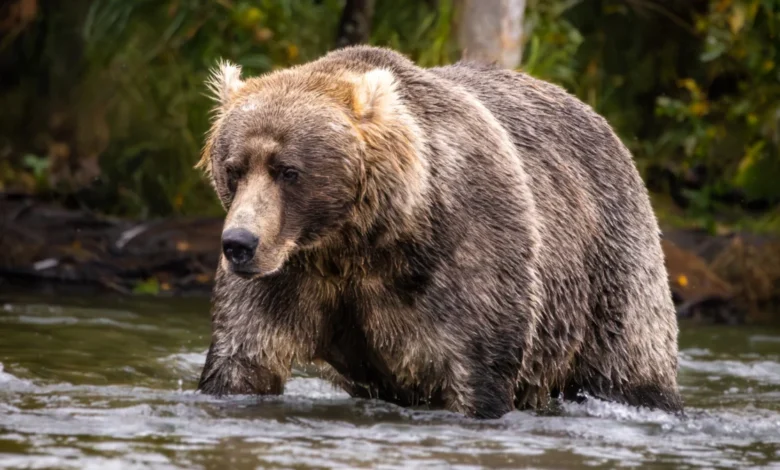
The annual celebration of ursine excess, Fat Bear Week, officially commences on September 22, 2026, and concludes on September 29, 2026, marking the highly anticipated return of the National Park Service’s most popular digital engagement event. Hosted at Katmai National Park and Preserve in Alaska, the tournament highlights the remarkable biological phenomenon of hyperphagia—a period of intense feeding during which brown bears consume massive quantities of sockeye salmon to accumulate the fat reserves necessary to survive the lean, frigid months of winter hibernation. As millions of global spectators prepare to cast their votes in this single-elimination bracket, the competition serves as both a source of entertainment and a significant educational platform regarding the ecological health of the Brooks River ecosystem.
The Evolution of a Global Phenomenon
What began in 2014 as a modest educational experiment by the National Park Service has blossomed into an international sensation. In its inaugural year, the competition drew fewer than 1,000 votes. By 2025, that figure had ballooned to 1.7 million, reflecting the public’s growing fascination with the lives of individual brown bears. The format remains consistent: bears are paired in head-to-head, single-elimination matchups. Voters evaluate the visual transformation of the bears—specifically their ability to pack on weight throughout the summer—and decide which individual has earned the title of champion. The 2026 bracket, which has been officially released by park officials, features a diverse field of competitors, ranging from experienced, heavyweight adult males to spirited sub-adults and protective mothers.
Understanding Hyperphagia: The Biological Imperative
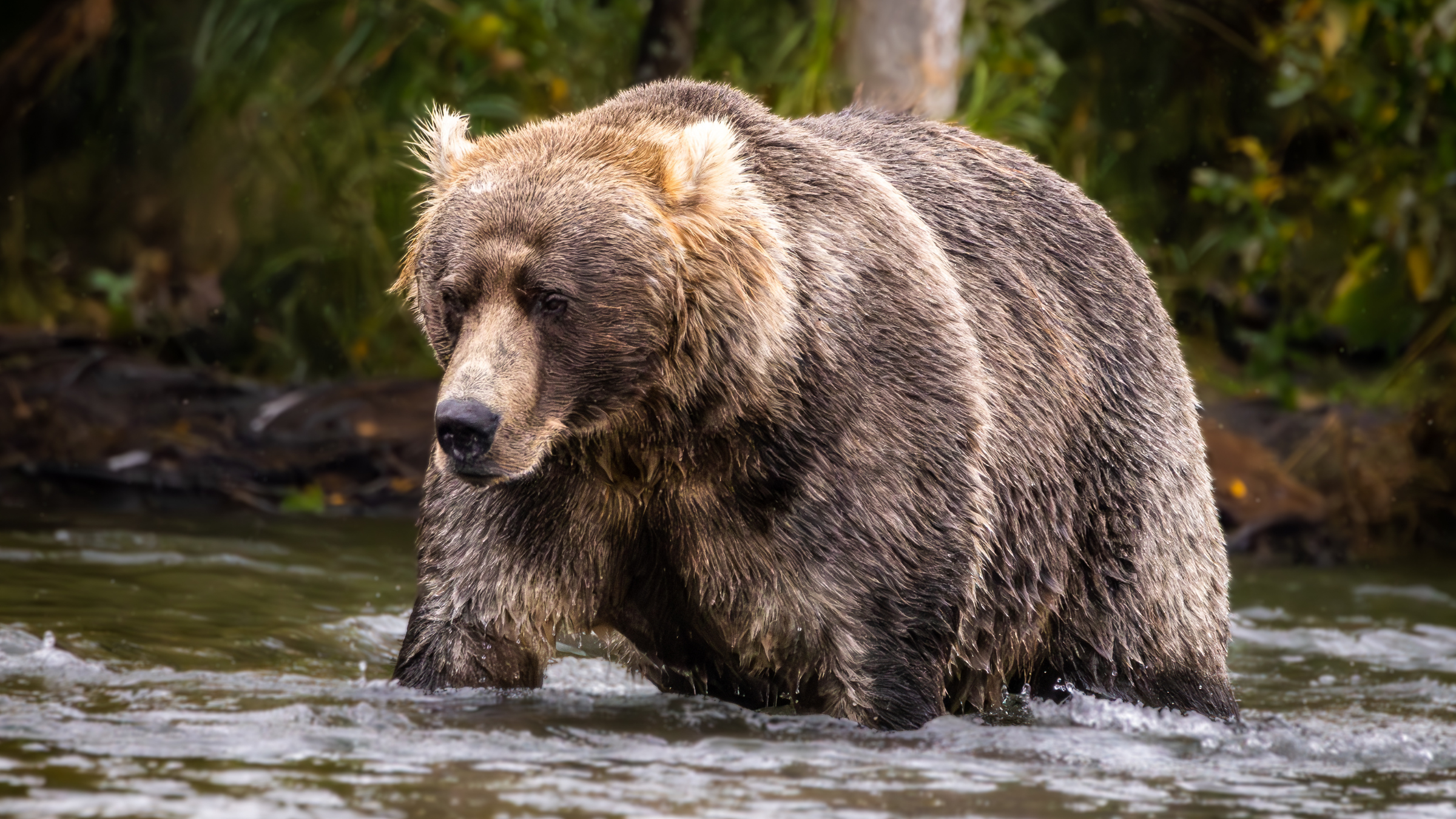
The physiological process driving Fat Bear Week is hyperphagia. During late summer and early autumn, the brown bears of Katmai experience a metabolic shift triggered by seasonal cues. As the days shorten and the temperature drops, the bears enter a state of voracious consumption. At the Brooks River, a primary artery for salmon migration, the bears capitalize on the abundance of protein. A successful bear may gain up to four pounds of weight per day during this peak period. This fat is not merely an aesthetic outcome of the contest; it is a critical survival mechanism. During hibernation, which can last up to six months, these bears do not eat, drink, or defecate. They rely entirely on their accumulated body fat to maintain vital functions, regulate body temperature, and sustain gestation for pregnant females.
Profiles of the 2026 Contenders
The 2026 field is characterized by a mix of returning veterans and promising newcomers. The National Park Service and partners at Explore.org have curated a roster that demonstrates the wide spectrum of behavioral traits and survival strategies present in the Katmai population.
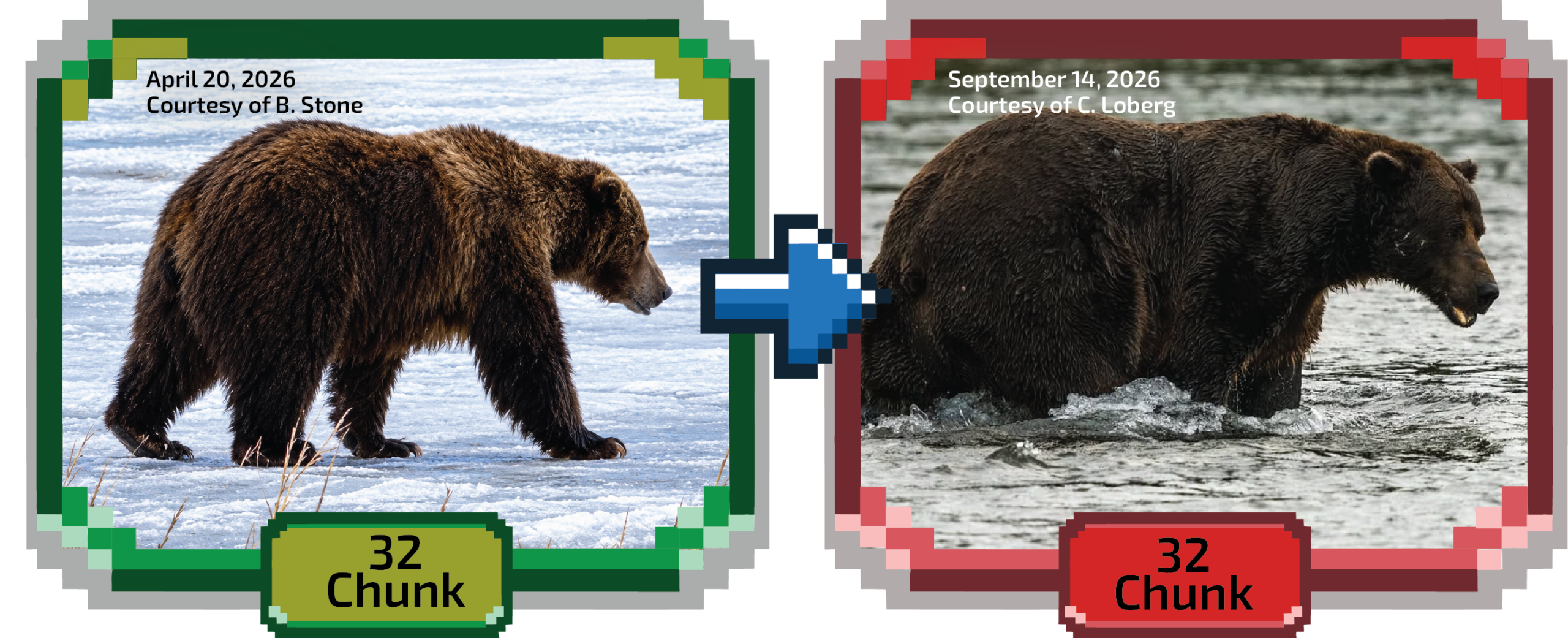
32 Chunk: The Defending Champion
As the reigning titleholder, 32 Chunk enters the competition as a formidable favorite. Weighing in at approximately 1,200 pounds, he is one of the most massive bears to frequent the Brooks River. His history is written on his face; a prominent scar across his muzzle and a broken jaw are remnants of years of dominance and survival. His ability to navigate the social hierarchy of the river and secure prime fishing spots has made him a perennial contender.
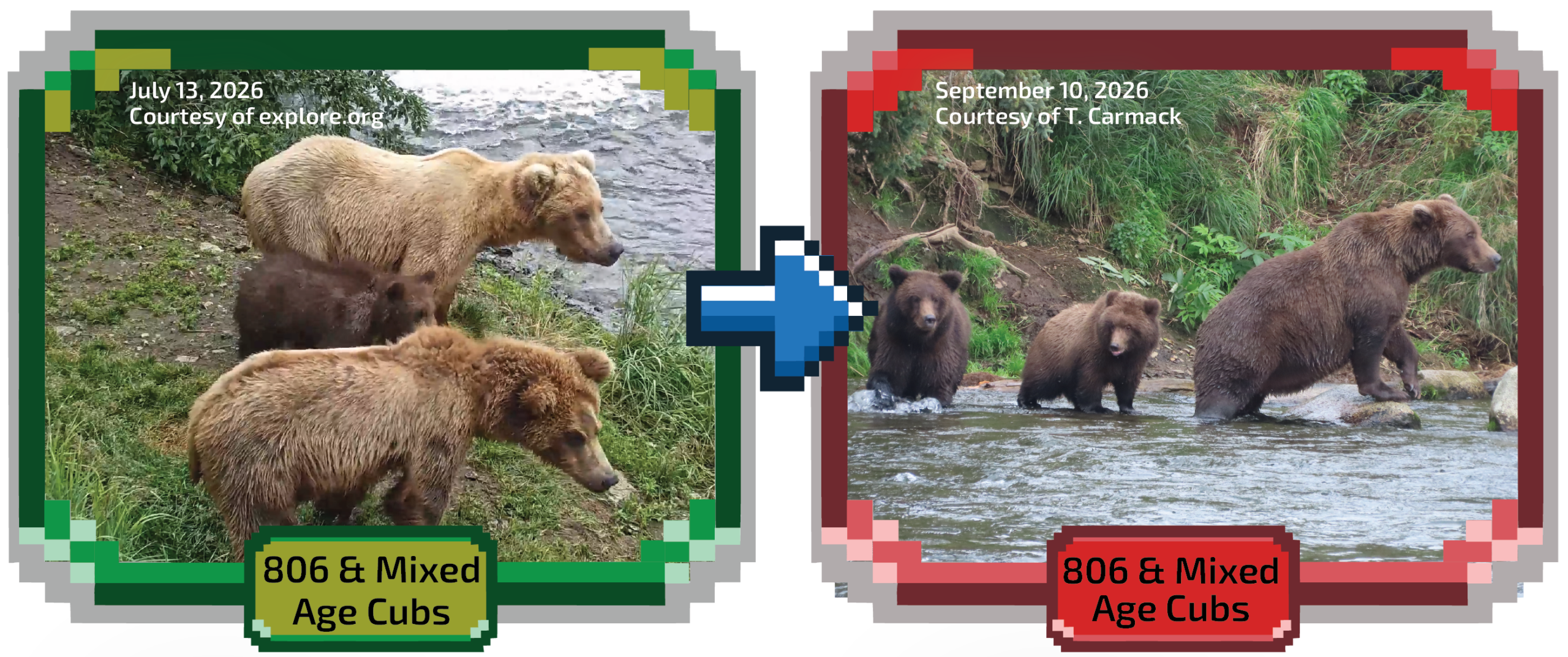
806: The Fierce Protector
Representing the matriarchs of the park, 806 makes her debut in the bracket this year. Her narrative is defined by her maternal instinct; she has been documented not only raising her own offspring but also taking in orphaned cubs—a rare and significant behavior. While she is noted for her nurturing side, she is equally recognized for her ferocity when defending her territory. Her presence in the bracket provides a unique look at the challenges faced by female bears in high-density foraging areas.
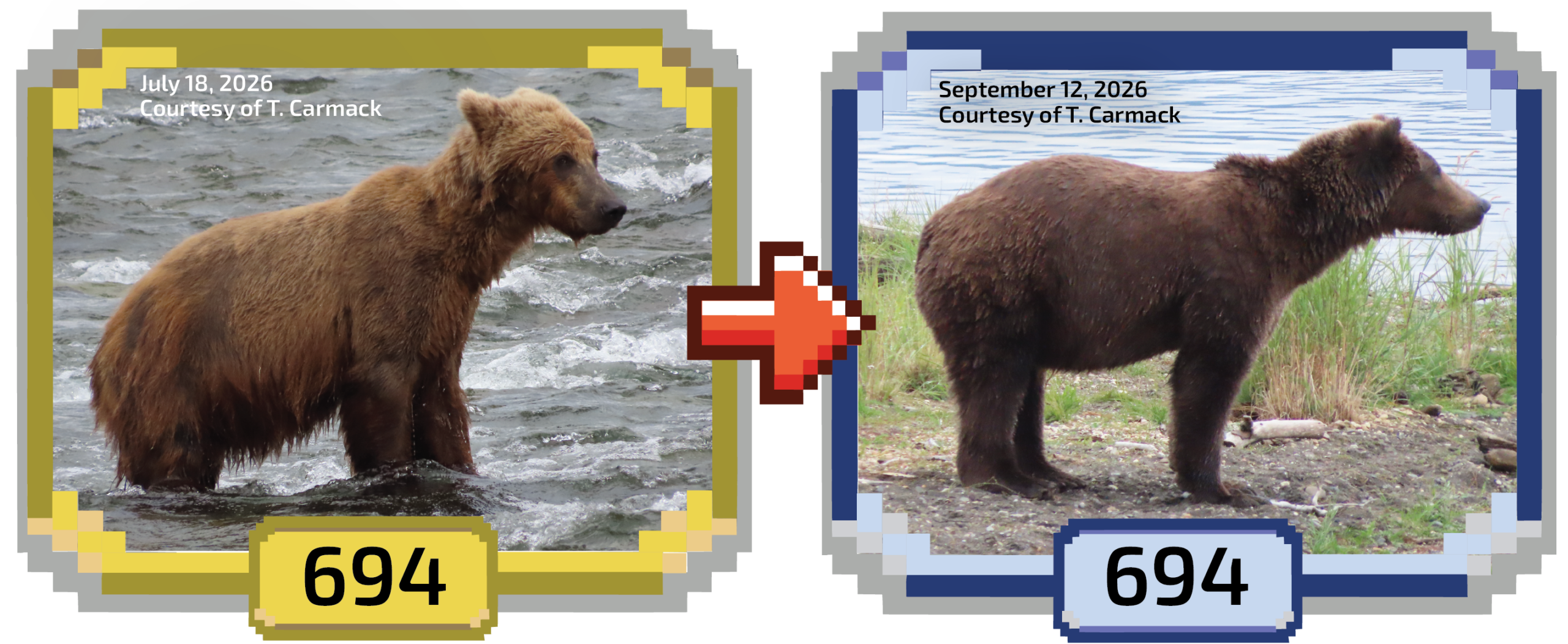
694: The Social Butterfly
First-time contestant 694 offers a contrast to the aging giants of the river. As a sub-adult, he lacks the sheer bulk of his older counterparts, yet he is lauded for his adaptability and social intelligence. Observers have noted his tendency to engage in play, which serves as a vital developmental tool for young bears. His inclusion underscores the importance of behavioral diversity in the park’s population.
89 Backpack: The Strategist of Calm
Named for the time he spent riding on his mother’s back, 89 Backpack represents a more reserved survival strategy. He is known for avoiding direct conflict, instead opting for a "quiet strength" that allows him to access resources without the energy expenditure required by aggressive posturing. His methodical approach to the fishing season is a masterclass in efficiency, proving that weight gain does not always require territorial combat.
151 Walker: The Calculating Challenger
Walker has evolved significantly since his youth. Initially characterized as a laid-back sub-adult, he has grown into a confident and increasingly aggressive adult. He demonstrates a high level of situational awareness, carefully sizing up opponents before committing to a confrontation. As he continues to grow, his ability to successfully challenge more established bears will be a defining factor in his potential to claim the top spot.
Institutional Perspective and Conservation Impact
The National Park Service views Fat Bear Week as more than a competition. It is a critical tool for public outreach. By personalizing the bears through names and backstories, the park fosters a deeper human connection to the wildlife of Alaska. This emotional investment has translated into tangible support for conservation efforts. According to park rangers, the event provides a rare opportunity to discuss the impacts of climate change on salmon runs, the necessity of habitat preservation, and the complexities of human-wildlife coexistence.
Dr. Elena Vance, a wildlife biologist specializing in coastal brown bears, notes that the event has provided researchers with a wealth of observational data. "The sheer volume of footage provided by the webcams at Brooks River allows us to study bear behavior in a way that would be impossible with traditional field observation," she says. "We can monitor the health of the population, track the success of specific individuals over a decade, and observe changes in migration patterns in real-time."
The Implications of Environmental Variability
The 2026 season has been influenced by fluctuating water levels and varying salmon run strengths, which are directly tied to broader climate patterns in the Pacific Northwest and Alaska. The weight gains observed this year are a direct reflection of these environmental variables. If the salmon runs are sparse, the bears must travel further or compete more intensely, which in turn alters the outcomes of the Fat Bear Week bracket. Observers are particularly interested in how these environmental stressors affect the younger generations, such as 694, compared to the established veterans like 32 Chunk.
How to Participate
The democratic nature of the contest is its hallmark. Voting is conducted through the official National Park Service website and the Explore.org portal. Each day, the matchups are updated based on the previous round’s results. Organizers emphasize that while the event is lighthearted, the data collected from the voting process helps the park understand the public’s interest in wilderness conservation.
Participants are encouraged to review the provided biographies and watch the live streams of the Brooks River falls to make an informed decision. The criteria for voting are subjective; voters may choose based on the bear’s dramatic weight gain, their personal survival story, or their unique personality traits.
Conclusion: A Legacy of Resilience
As September 29 approaches, the focus will turn toward the final matchup. Regardless of which bear is crowned the champion, the true success of Fat Bear Week lies in its ability to bring a remote corner of the Alaskan wilderness into the homes of millions. It serves as a reminder of the resilience of the natural world and the critical importance of maintaining the integrity of habitats like Katmai National Park. The bears of the Brooks River are not just competitors in a bracket; they are survivors, survivors who embody the wild spirit of the Alaskan landscape. As the snow begins to gather on the mountain peaks and the bears prepare for their long winter rest, their stories remain a testament to the cycles of life and the enduring beauty of the American wilderness.
Related posts: