The Definitive Boston Lobster Roll Guide: Where to Find the Best New England Seafood Icons Across the City

For residents of New England, the lobster roll is as culturally fundamental as tacos are to Southern California or regional barbecue is to the American South. Often taken for granted as a ubiquitous local staple found at suburban fast-food windows and coastal fishmonger docks alike, the sandwich transforms into an expensive delicacy once travelers cross regional borders. In recent years, fluctuating seafood supply chains, shifting economic pressures, and the rapid gentrification of waterfront neighborhoods have driven prices upward. Yet, much like paying a premium for fuel on a coastal highway or ordering a classic Manhattan cocktail at a historic hotel bar, indulging in a Boston lobster roll remains an essential culinary ritual for visitors and locals alike.
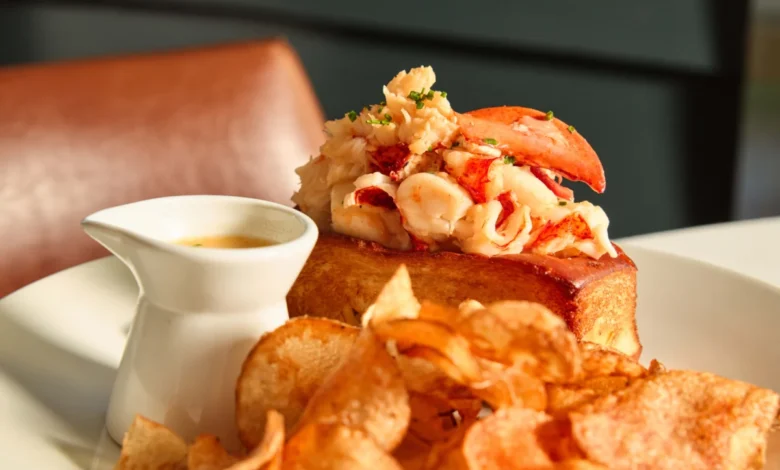
The great culinary debate surrounding this New England icon invariably centers on preparation and regional style. Purists steadfastly argue that an authentic iteration must feature a traditional split-top hot dog bun, griddled on both sides until golden brown and buttered to a crisp. Contemporary interpretations, however, frequently challenge this convention with brioche, bao-style steamed buns, or house-made brown-butter variations. Furthermore, the division between Maine-style—which serves chilled, lightly mayonnaise-dressed claw and knuckle meat—and Connecticut-style—which presents the meat warm and drenched in drawn butter—remains a matter of intense personal preference and regional loyalty.
%20(1)c.jpg)
To navigate Boston’s sprawling culinary landscape, diners must look beyond the novelty of the sandwich and examine the historic establishments, chef-driven concepts, and working-waterfront institutions that define the city’s seafood economy.
Historic Roots and the Evolution of the Boston Seafood Economy
The historical trajectory of Boston’s seafood trade dates back to the colonial era, when the inner harbor served as a primary port of commerce for the burgeoning North American colonies. For generations, the lobster industry operated primarily as a working-class trade, with harvests so abundant that the crustaceans were frequently used as fertilizer or fed to indentured servants and prisoners.
By the mid-to-late 20th century, as infrastructure evolved and transportation networks expanded across the United States, the lobster roll transitioned from a humble coastal snack into a regional emblem. The establishment of family-run distribution networks along the Boston waterfront laid the groundwork for today’s thriving culinary tourism sector. Today, institutions that have operated for nearly a century sit alongside modern dining concepts, reflecting a city that fiercely honors its maritime heritage while embracing contemporary global influences.

Traditional Landmarks of the Waterfront
James Hook & Co.
Operating for over a century along the newly transformed Atlantic Avenue downtown, James Hook & Co. functions as a cornerstone of Boston’s seafood infrastructure. As a family-run business that ships upwards of 50,000 pounds of lobster daily to wholesale distributors nationwide and online customers, the operation maintains an intimate, unassuming shack aesthetic despite the gleaming glass towers of the surrounding financial and waterfront districts.
The menu offers both chilled and warm buttered preparations across multiple sizes. Beyond the canonical lobster roll, culinary experts recommend pairing the sandwich with shared sides of double-stuffed scallops, traditional New England clam chowder, or lobster macaroni and cheese.
Yankee Lobster Co.
Situated deeper into the Seaport District, Yankee Lobster Co. represents a resilient link to the area’s working-waterfront past. Having served the community for approximately 75 years, the establishment provides a stark contrast to the modern luxury developments that now dominate the neighborhood. Patrons seeking a straightforward, generously portioned lobster roll crafted from exceptionally fresh catches frequently choose this venue to experience traditional Boston comfort food without the polish or inflated pricing of neighboring upscale dining rooms.

The Sail Loft
Tucked away on the fringes of the historic North End within steps of the Freedom Trail and Faneuil Hall, The Sail Loft has anchored the local dining scene for decades. The establishment features a classic, chilled lobster salad roll lightly bound with mayonnaise and piled high into a toasted bun. Departing from the standard bag of potato chips, the kitchen serves its rolls alongside thick, cut-to-order crispy fries, completing a waterfront dining experience defined by stiff drinks, hearty portions, and harbor views.
Chef-Driven Interpretations and Modern Innovations
Row 34
With locations in Fort Point and Cambridge’s Kendall Square, Row 34 approaches the lobster roll through a lens of personal provenance and culinary precision under the direction of Chef Jeremy Sewall. The restaurant sources its core ingredient directly through a family connection: Chef Sewall’s cousin Mark captains a commercial fishing vessel out of York Harbor, Maine.
Row 34 offers two distinct variations. The traditional preparation features steamed tail, knuckle, and claw meat served warm in a buttered split-top bun. Alternatively, the "Ethel’s Creamy Lobster Roll"—named in honor of the chef’s grandmother—folds cold meat with celery, red onion, pickles, mayonnaise, crème fraîche, fresh lemon juice, celery salt, and black pepper, served inside a rosemary brioche bun griddled to order.

Saltie Girl
Located in the upscale Back Bay neighborhood overlooking the boutiques of Newbury Street, Saltie Girl delivers an elevated seafood experience within an energetic dining room. While the standard New England-style lobster roll arrives impeccably presented alongside custom-branded potato chips and optional raw-bar caviar additions, culinary insiders frequently seek out the establishment’s off-menu variation: a fried lobster roll dusted with Korean chili flakes and bound in sweet corn butter. This decadent, spicy interpretation highlights the willingness of modern Boston chefs to experiment with historical formulas.
The Banks Seafood and Steak
Also situated in the Back Bay, The Banks balances high-end culinary technique with approachable hospitality. The kitchen’s hot lobster roll utilizes a refined French methodology, wherein par-cooked lobster meat is gently warmed in a rich "beurre monté" glaze. This process enhances the natural flavor profile of the crustacean before it is nested inside a house-made brown-butter bun finished with sea salt and fresh chives, accompanied by Old Bay-seasoned potato chips.
Eventide Fenway
Originally launched as an offshoot of its acclaimed Portland, Maine predecessor, Eventide has evolved into a full-service dining destination in the Fenway neighborhood, serving as a popular pre-game gathering spot near Fenway Park. The establishment made its mark on the local food scene by introducing a distinct regional variation: chilled lobster meat coated in a savory brown butter sauce and served inside a fluffy, Asian-style steamed bao bun rather than traditional bread.

Casual Markets and Festive Gatherings
The Barking Crab
Positioned across the Fort Point Channel from the downtown financial district, The Barking Crab retains the festive, ramshackle atmosphere of the old Seaport before major commercial redevelopment. Operating primarily as an open-air seasonal seafood destination, the restaurant serves traditional mayo-tossed or warm butter-poached rolls. For diners seeking an extravagant meal, the menu features the "One and Done" option—a massive one-pound lobster roll priced at approximately $150, offering four times the meat of a standard serving.
Red’s Best at Boston Public Market
For travelers interested in direct supply-chain transparency, the Red’s Best counter inside the Boston Public Market offers an educational and accessible dining experience. Directly connected to small-scale independent New England fishermen, the market serves unfussy, fresh lobster rolls within a bustling civic hub located steps from the Freedom Trail. Diners frequently supplement their seafood meals with local baked goods from neighboring vendors such as Union Square Donuts or The Popover Lady.
Sullivan’s Castle Island
Located at the strategic tip of the South Boston peninsula near Fort Independence—the oldest continuously fortified site in British North America—Sullivan’s Castle Island represents a cultural institution recognized by the James Beard Foundation with an America’s Classics Award. While the counter service does not offer contemporary culinary innovations or fine-dining presentations, it provides a vital community gathering space where generations of Bostonians have gathered to enjoy straightforward coastal fare following a seaside walk.

Economic Implications and Consumer Guidance
The pricing structure of Boston’s lobster rolls reflects broader macroeconomic trends affecting commercial fisheries in the North Atlantic. Increasing fuel costs for fishing vessels, changing ocean temperatures impacting lobster migration patterns, and labor shortages across the hospitality sector continue to influence wholesale market rates. Consequently, consumers should anticipate significant price variance depending on the venue type, ranging from market-rate counter service to premium pricing at high-end dining establishments.
Industry analysts advise travelers to consider the overall dining experience—whether seeking historical authenticity, waterfront ambiance, or avant-garde culinary craftsmanship—when selecting a destination. Regardless of the chosen venue, the cultural imperative of experiencing a fresh New England lobster roll remains an integral component of any journey through Boston.