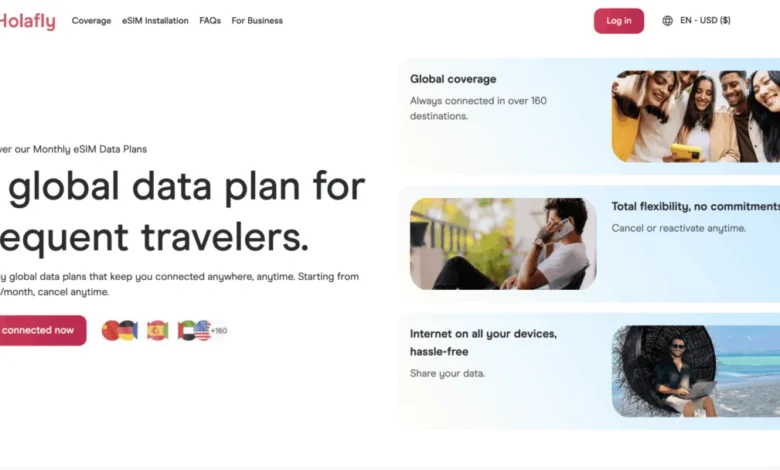
The landscape of international telecommunications is undergoing a significant transformation as the traditional reliance on localized, physical SIM cards is rapidly being supplanted by software-based eSIM technology. Among the latest developments in this sector is the introduction of Holafly Plans, a subscription-based, global eSIM service designed to provide continuous connectivity across more than 160 countries. This shift represents a departure from the traditional model of purchasing short-term, destination-specific data packages, instead offering a streamlined, perpetual connection for frequent international travelers and remote professionals.
The Technological Evolution of the eSIM
The eSIM, or embedded SIM, is a digital alternative to the physical plastic cards that have been the standard for cellular connectivity since the 1990s. Unlike its predecessor, the eSIM is integrated directly into the hardware of modern smartphones, allowing users to activate cellular plans via software, QR codes, or mobile applications. This technological integration has removed the physical barrier of swapping hardware at border crossings, enabling users to maintain multiple profiles on a single device.
Industry analysts note that the adoption of eSIM technology has been accelerated by the global rise of remote work and the "digital nomad" demographic. As of 2024, the global eSIM market is projected to reach several billion dollars in valuation, driven by the consumer demand for seamless roaming without the exorbitant fees typically associated with domestic carrier international add-ons. Holafly’s latest product, Holafly Plans, functions as a persistent subscription that mirrors the experience of a domestic mobile plan, effectively eliminating the need for users to manually configure new network settings each time they cross a national border.
Chronology and Development of Global Connectivity
The trajectory toward universal roaming has been marked by several key stages. Historically, travelers were forced to rely on domestic carrier roaming agreements, which frequently resulted in "bill shock"—excessive charges for limited data usage. Subsequently, the market saw the emergence of regional, single-use eSIM providers that catered to the "one-off" traveler.

Holafly, an established player in the eSIM market, initially gained traction by providing country-specific and regional eSIMs. Following years of market observation and user feedback, the company launched its "Plans" service in mid-2026. The objective was to address the friction point of constant re-purchasing. By integrating a 160-country coverage map into a single, rolling subscription, the company has effectively shifted from a transactional business model to a service-based model. This evolution allows users to maintain a single digital footprint, ensuring that connectivity is established automatically upon arrival in a new jurisdiction, effectively mimicking the experience of domestic roaming but at a price point consistent with local market rates.
Data Analysis and Comparative Cost Structures
A primary factor driving the shift toward subscription-based eSIM services is the comparative cost of global connectivity. For a frequent traveler, the cumulative cost of purchasing individual eSIMs or paying for daily roaming passes from traditional major carriers can be prohibitive.
Data comparing the cost-efficiency of these models reveals a stark disparity. Traditional US-based major carriers often charge between $10 and $15 per day for international roaming add-ons, which, over a 30-day period, can result in costs exceeding $300. In contrast, the Holafly Unlimited Plan is priced at approximately $55 to $65 per month, depending on the commitment duration (monthly, quarterly, or annually).
Furthermore, the data allowance provided by traditional carriers is often throttled after a certain threshold is reached, or restricted by "fair usage" policies. The subscription model offered by newer entrants typically provides unlimited high-speed data, which is a critical requirement for digital nomads involved in high-bandwidth activities such as video conferencing, large file transfers, and media production. The inclusion of mobile hotspot capabilities further adds value, as it allows users to tether multiple devices—such as laptops and tablets—directly to the cellular connection, a feature that is frequently restricted or heavily taxed by traditional mobile network operators.
Structural Tiers and Service Features
The service architecture of Holafly Plans is segmented into two primary tiers: the Light Plan and the Unlimited Plan. This segmentation is designed to cater to different segments of the travel market:
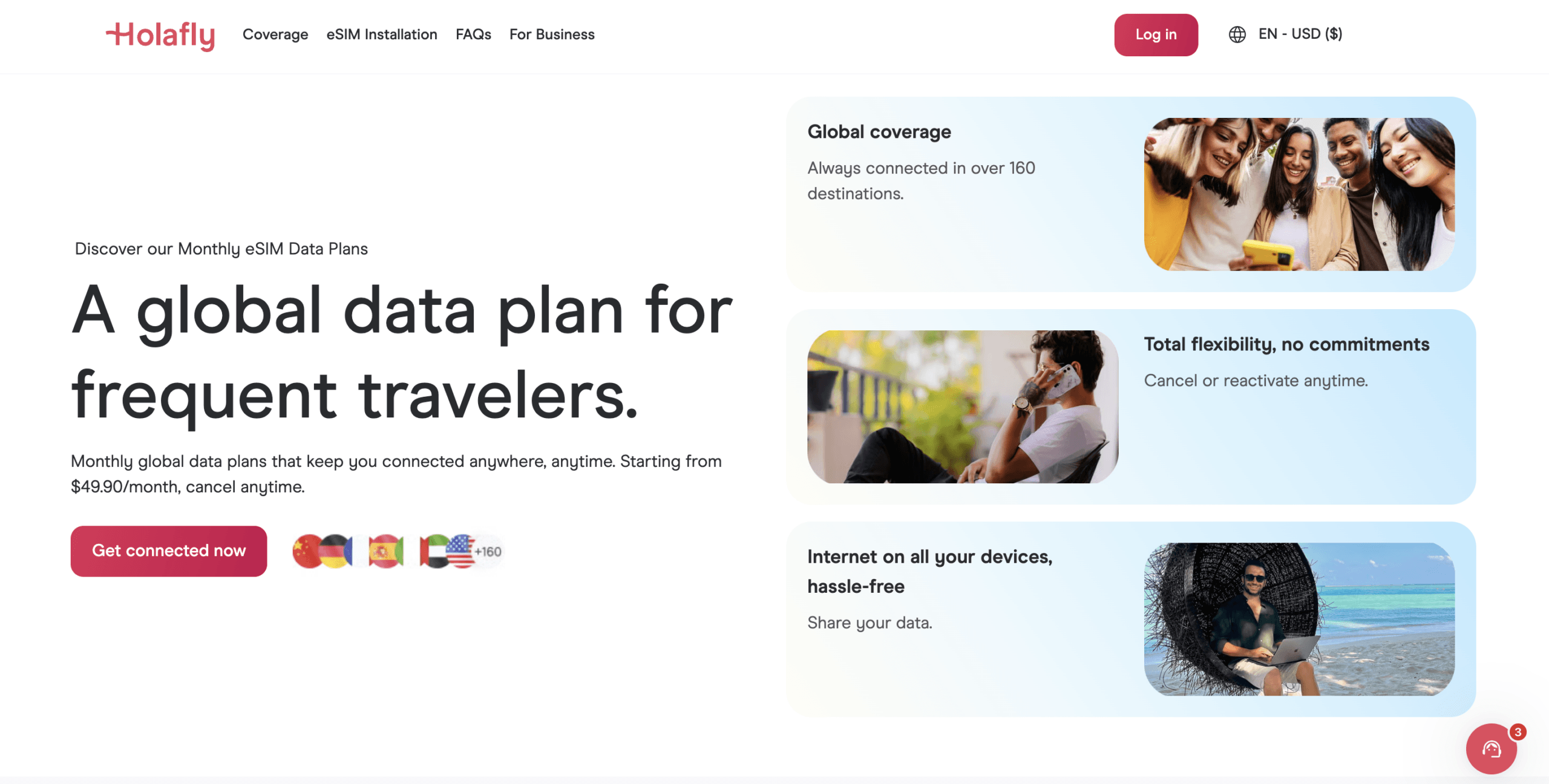
- The Light Plan: Targeted at casual travelers who rely on navigation, messaging applications, and moderate web browsing. It provides 25GB of monthly data with integrated hotspot functionality.
- The Unlimited Plan: Designed for the power user, this tier removes data caps entirely and includes a dedicated phone number from the United States, United Kingdom, or Canada. This allows for the reception of SMS messages, which is a vital component for two-factor authentication and banking security while abroad.
A notable feature included in both tiers is the "Always On" backup system. This provision grants users 1GB of emergency data per month in perpetuity, regardless of whether the primary subscription remains active. This serves as a safety net, ensuring that travelers are never entirely disconnected in emergency situations, a feature that addresses one of the most common anxieties among international travelers.
Industry Implications and Future Outlook
The emergence of these comprehensive, subscription-based eSIM models carries significant implications for the traditional telecommunications industry. By providing a product that functions regardless of geography, these companies are effectively competing with domestic mobile carriers for the loyalty of the high-frequency traveler.
However, the model is not without limitations. For the occasional traveler—someone who takes perhaps one or two international trips per year—the cost of a subscription may outweigh the benefits of a single, one-off purchase of a traditional eSIM. In these cases, the classic, destination-specific eSIM remains the more cost-effective choice.
Furthermore, the reliance on an eSIM-compatible device remains a prerequisite, which may still present a barrier in markets where older, hardware-locked mobile devices are prevalent. Despite this, as global smartphone manufacturers continue to phase out physical SIM card slots in favor of eSIM-only models, the addressable market for these services is expanding at a rapid pace.
Technical Support and User Experience
In the digital-first economy, the quality of customer support is a critical component of service reliability. Holafly and similar providers have invested heavily in 24/7, human-led support systems to troubleshoot the inevitable technical hiccups that occur when transitioning between international cellular networks. Unlike traditional carriers, where support can be localized and slow, these eSIM providers often utilize real-time chat interfaces, providing immediate resolution for configuration issues such as APN settings or network selection errors.
Conclusion: Assessing the Long-Term Viability
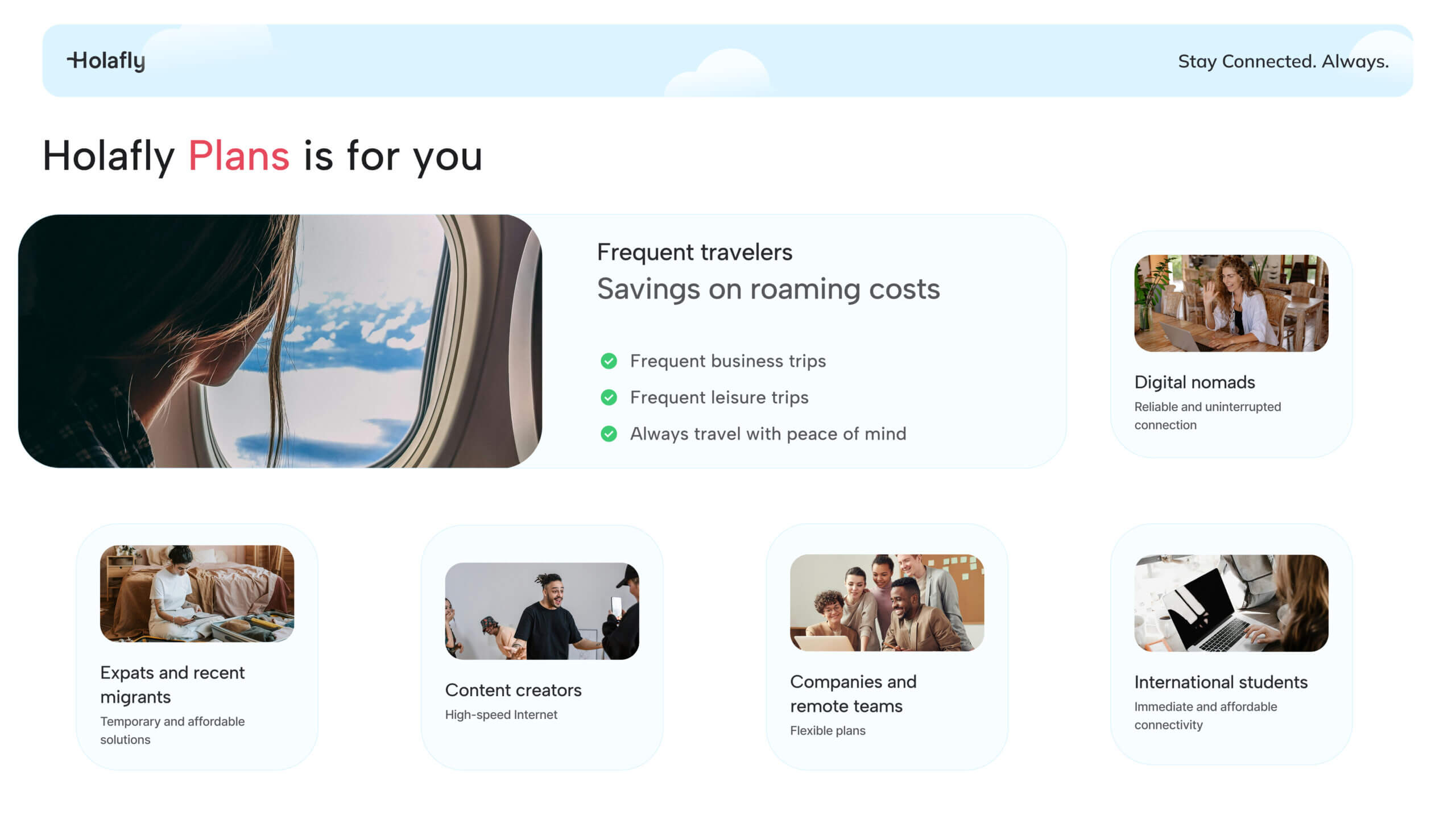
The transition toward global, subscription-based connectivity represents a maturation of the mobile travel market. By consolidating access across 160+ countries, companies are effectively commoditizing cellular access, reducing the complexity and cost for the end user. While individual, destination-specific eSIMs will continue to serve a purpose for short-term vacations, the subscription model is clearly the preferred path for the growing global workforce of digital nomads.
The combination of unlimited data, hotspot capability, and a persistent, global phone number addresses the primary logistical challenges of remote work. As connectivity becomes an increasingly vital utility for the global citizen, the demand for such seamless, frictionless, and cost-effective solutions is expected to grow. For those who view the world as their office, the era of hunting for local SIM cards at airport kiosks is rapidly coming to an end, replaced by the convenience of a single, digital, and always-active subscription.