The coastal landscape of Virginia Beach is undergoing a profound structural and cultural transition, shifting from a traditional regional summer resort into a year-round hub for active travel, culinary innovation, and soft adventure tourism. Historically overshadowed in the Northeast travel market by destinations like the Jersey Shore or the Outer Banks, Virginia Beach has leveraged significant municipal and private investments to diversify its appeal. Recent tourism analytics indicate that contemporary travelers increasingly prioritize experiential, activity-driven itineraries over passive beach vacations. In response, this coastal municipality has integrated modern entertainment developments, culinary incubators, and eco-tourism initiatives into its foundational infrastructure.
Main Facts and Chronological Development of the Destination
The modern evolution of Virginia Beach is anchored by multi-million-dollar infrastructure projects and cultural programming designed to extend the tourism season well beyond the traditional summer peak. The destination’s recent momentum was prominently displayed over Labor Day weekend during the Super Girl Surf Festival, a major action-sports and lifestyle event that drew thousands of visitors and featured high-profile musical headliners including CeeLo Green, Lupe Fiasco, Switchfoot, and emerging acts like Hello Sister.
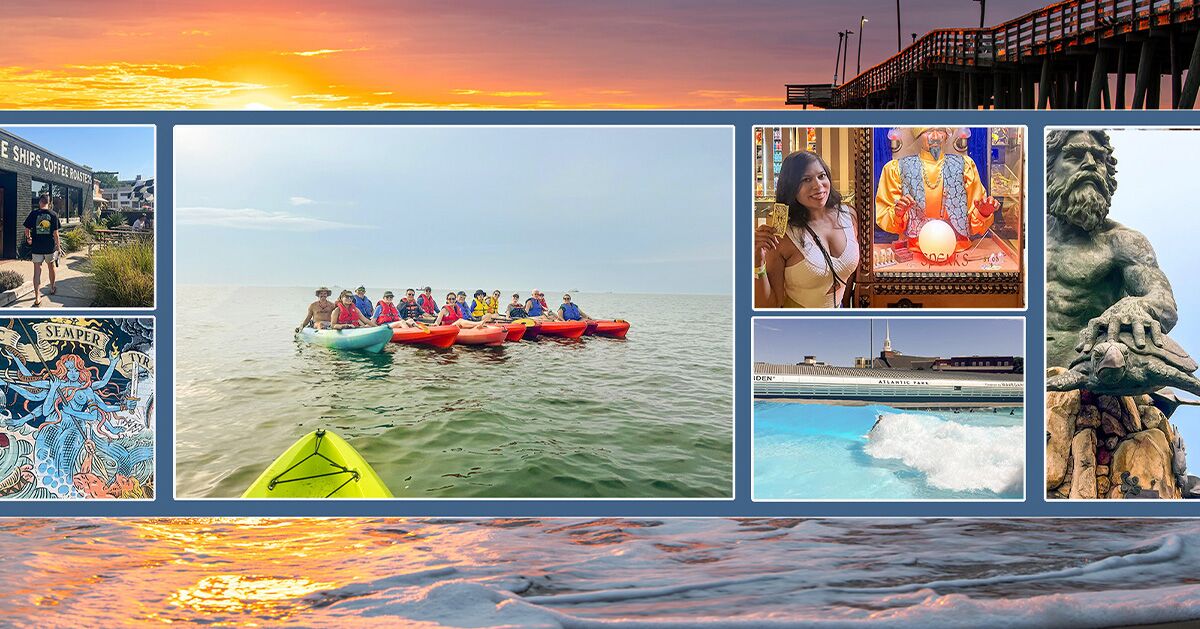
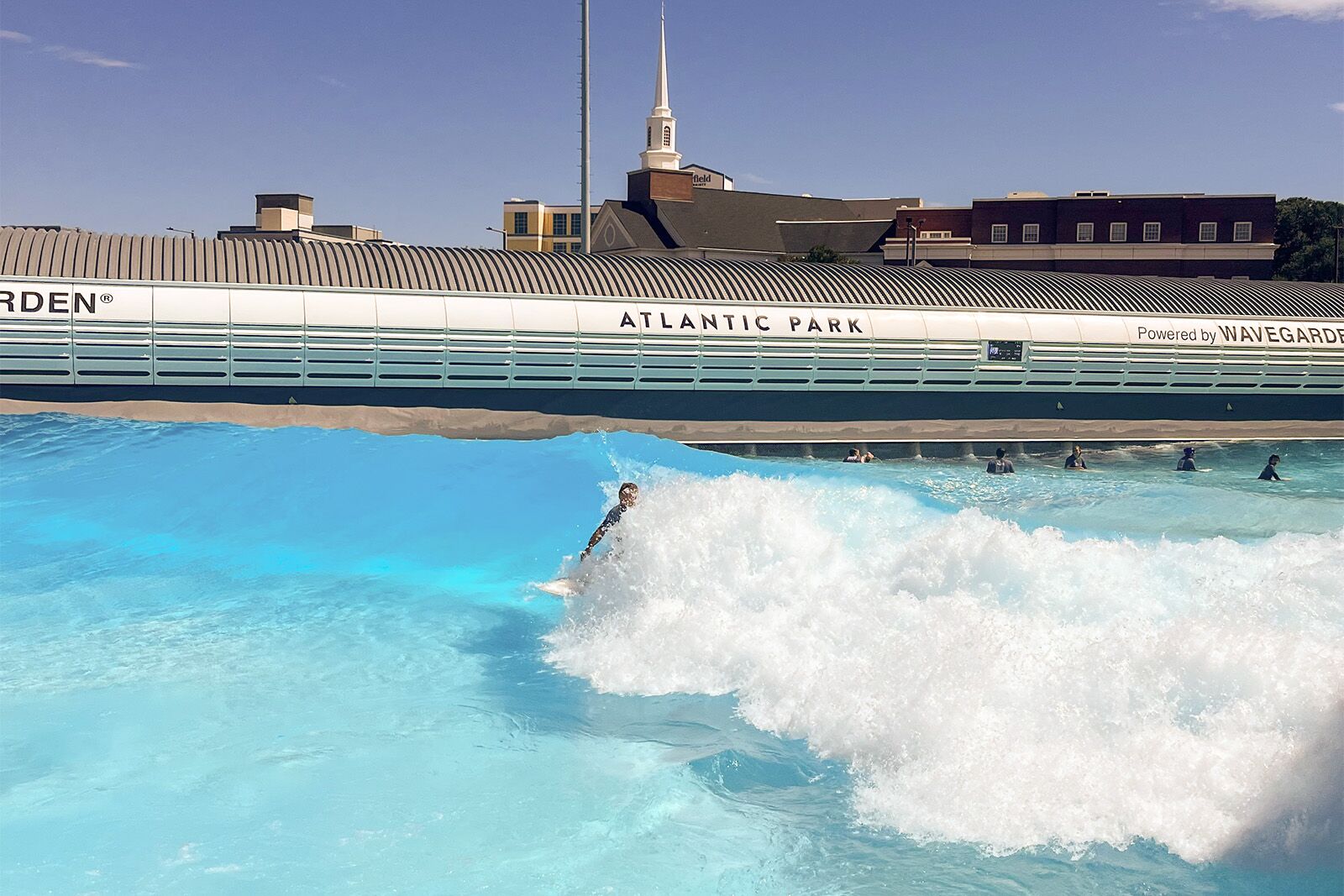
Beyond the festival circuit, the region’s physical landscape has expanded significantly with the 2025 opening of Atlantic Park, a state-of-the-art urban development situated blocks from the oceanfront. Serving as the centerpiece of this development is Atlantic Park Surf, an advanced manmade surf lagoon engineered to generate consistent, rideable waves on demand. Unlike natural ocean breaks subject to unpredictable weather and tide conditions, this controlled aquatic environment limits session capacities to guarantee ample wave counts for surfers of varying proficiency levels. The integration of Atlantic Park Surf—alongside boutique hospitality concepts like The Sitio, a 20-room minimalist hotel overlooking the lagoon—illustrates a broader regional strategy to blend athletic pursuits with high-end, design-forward accommodations.
Supporting Data and Eco-Tourism Infrastructure
The economic and logistical impact of this tourism shift is supported by robust regional data and expanding transportation networks. Norfolk International Airport (ORF), located approximately 18.5 miles northwest of the oceanfront, serves as the primary gateway for inbound visitors, handling millions of passengers annually. While public transit links are limited, the destination’s compact oceanfront grid—complemented by expanding micro-mobility options such as beach cruiser rental networks and secure bicycle infrastructure—facilitates pedestrian and two-wheeled exploration.
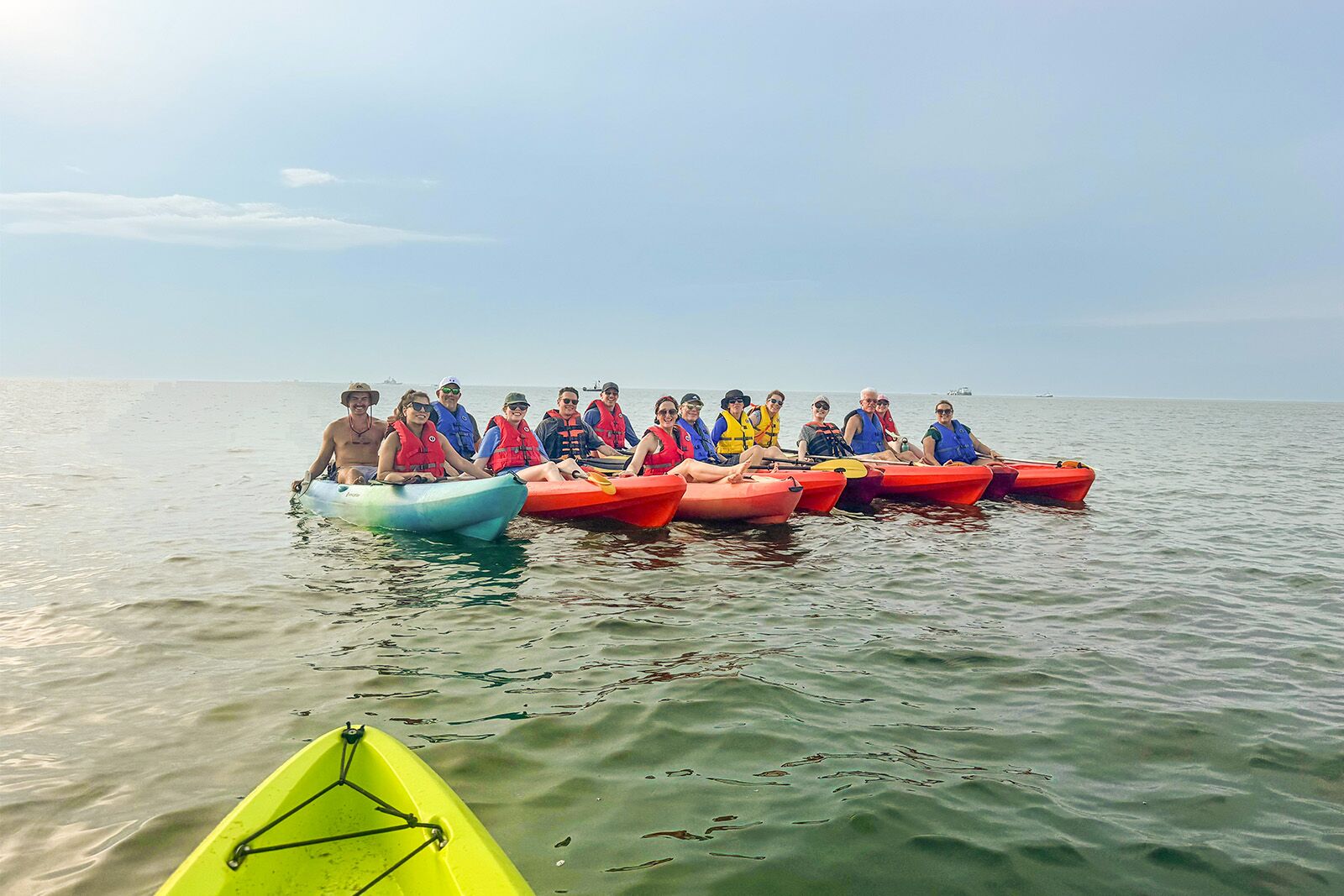
Eco-tourism and historical preservation form another critical pillar of the regional economy. Recreational operators along the Chesapeake Bay and the Lynnhaven River have reported increased demand for guided excursions that highlight the local ecosystem without requiring advanced athletic conditioning. For instance, sunset dolphin-watching kayak tours operated by outfitters such as Chesapean Outdoors provide structured access to local marine wildlife, including bottlenose dolphins frequently sighted near the bay.
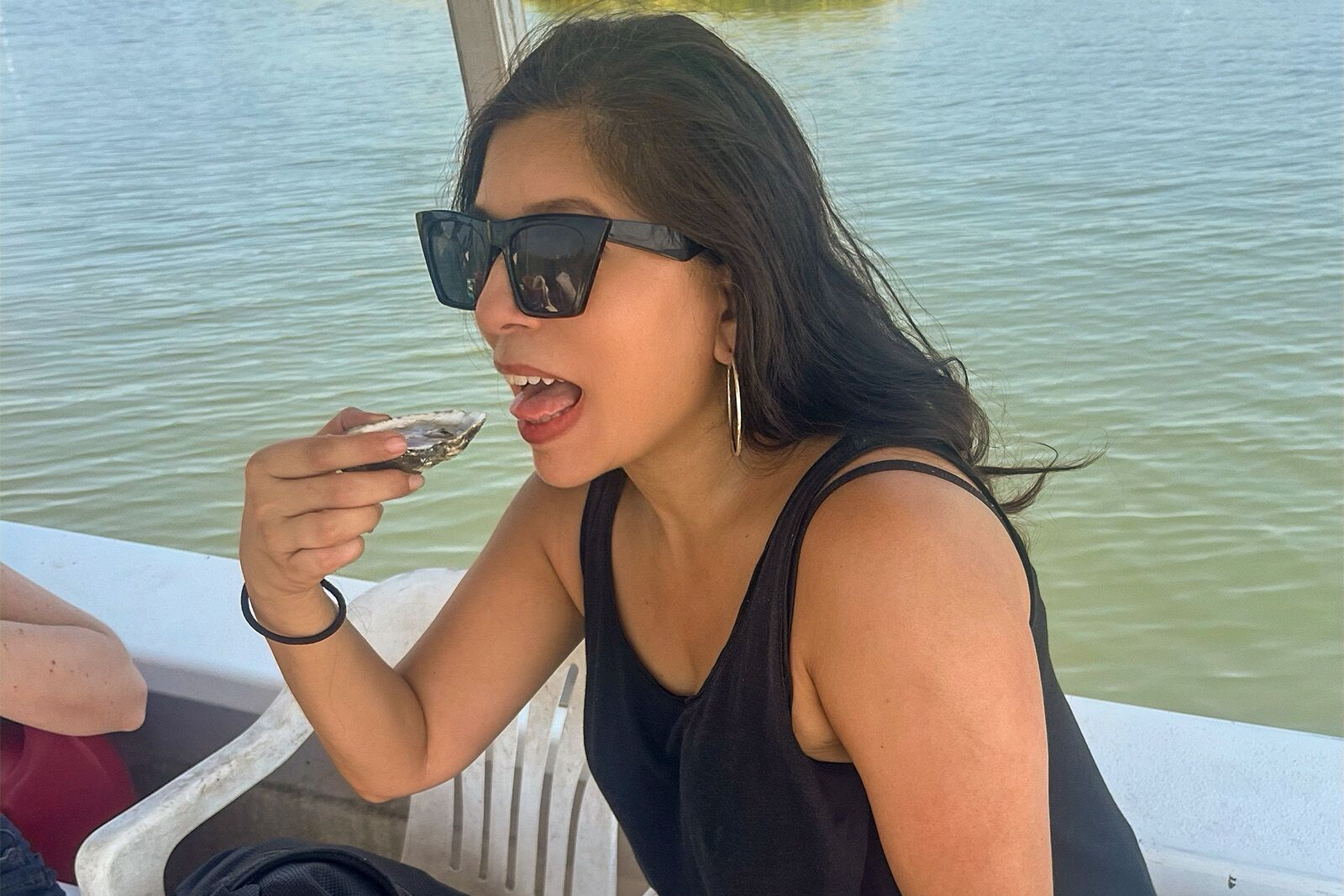
Similarly, the region’s agricultural and aquaculture sectors have embraced agritourism. The Lynnhaven River watershed—historically renowned for the native Lynnhaven oyster—supports specialized aquaculture operations like Pleasure House Oysters. Guided farm tours offer consumers direct insight into sustainable lease-farming practices, where shellfish progress from microscopic spat to market-ready yields over a one-to-three-year cultivation cycle. According to local agricultural representatives, these immersive culinary tours have successfully bridged the gap between commercial seafood harvesting and public education, enhancing the destination’s profile among culinary tourists.
Official Responses and Stakeholder Perspectives
Municipal leaders and commercial stakeholders emphasize that these developments are intentional responses to shifting consumer demographics. Tourism board projections consistently highlight a rising demand for low-impact, activity-based travel—colloquially termed "soft adventure"—that appeals to travelers seeking physical engagement without extreme physical risk.
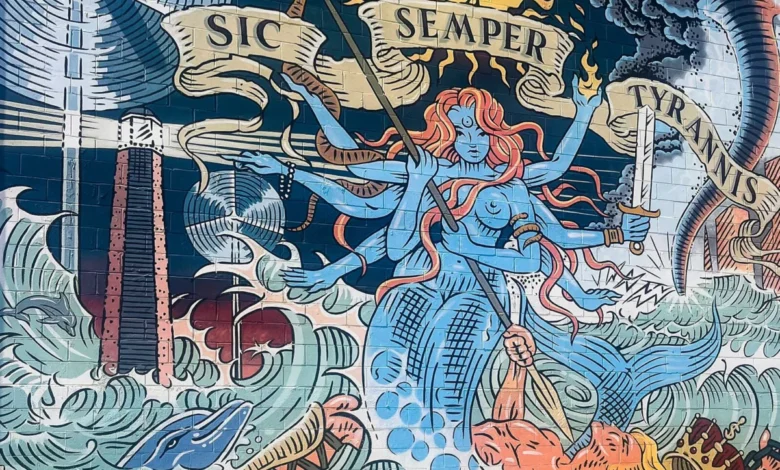
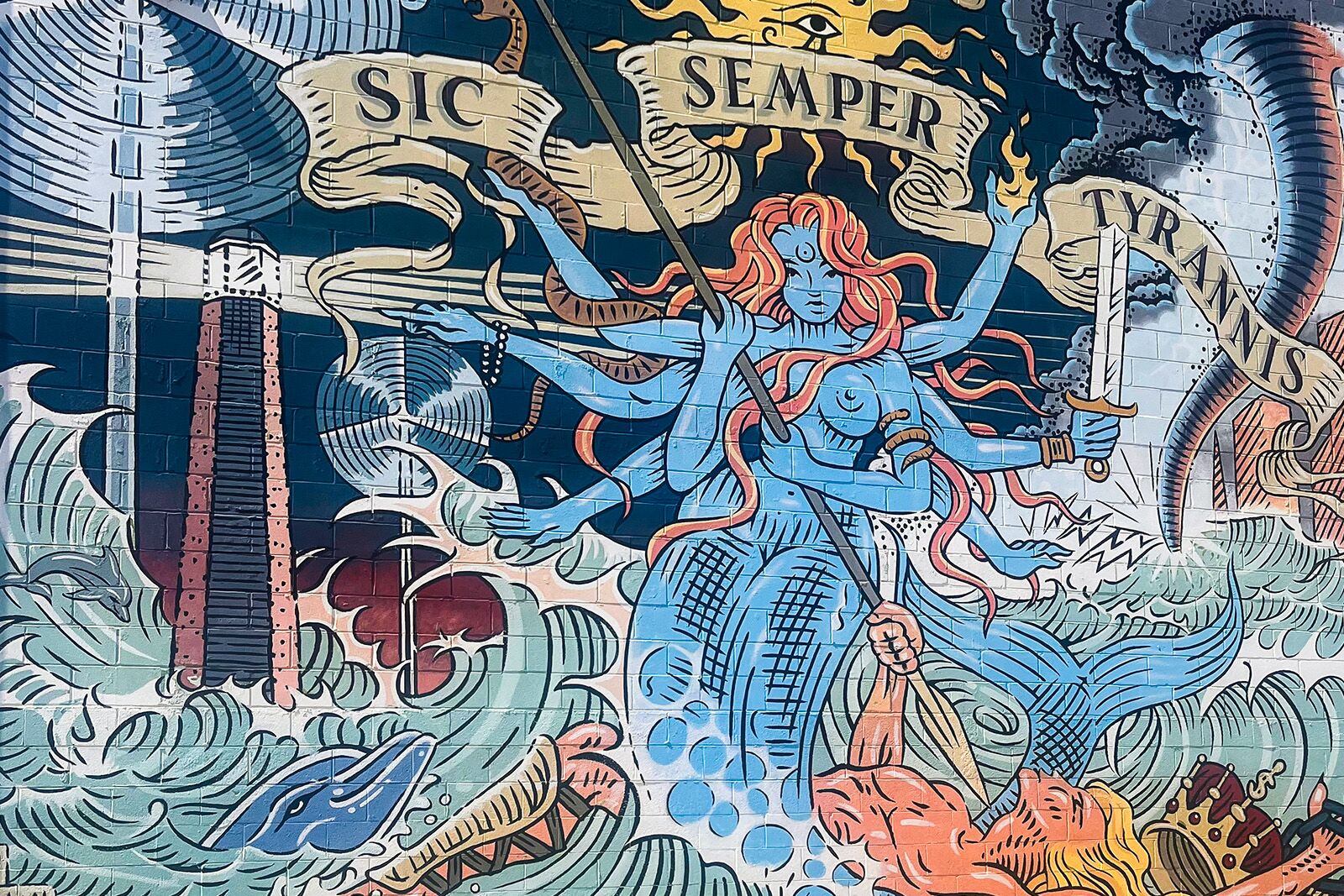
Business owners within the ViBe Creative District, a designated cultural arts enclave located near the oceanfront, report substantial economic benefits stemming from municipal support for local artisans, galleries, and independent makers. Establishments such as Jars of Dust pottery, North End Bag Co., and custom sign-painting workshops have transformed an industrial-adjacent zone into a vibrant pedestrian district. This commercial synergy extends to the regional craft beverage sector, where industrial spaces like the Aslin Beer Company—featuring expansive outdoor beer gardens and contemporary indoor taprooms—and Smartmouth Brewing Pilot House—housed in a former post office and specializing in wood-fired sourdough pizzas—have established dedicated followings among cyclists and culinary tourists alike.
Broader Impact and Regional Implications
The strategic diversification of Virginia Beach holds significant implications for the mid-Atlantic tourism market. By cultivating year-round attractions such as indoor-outdoor athletic facilities, specialized culinary trails, and robust cultural districts, the municipality is successfully mitigating the economic vulnerabilities traditionally associated with seasonal beach economies.
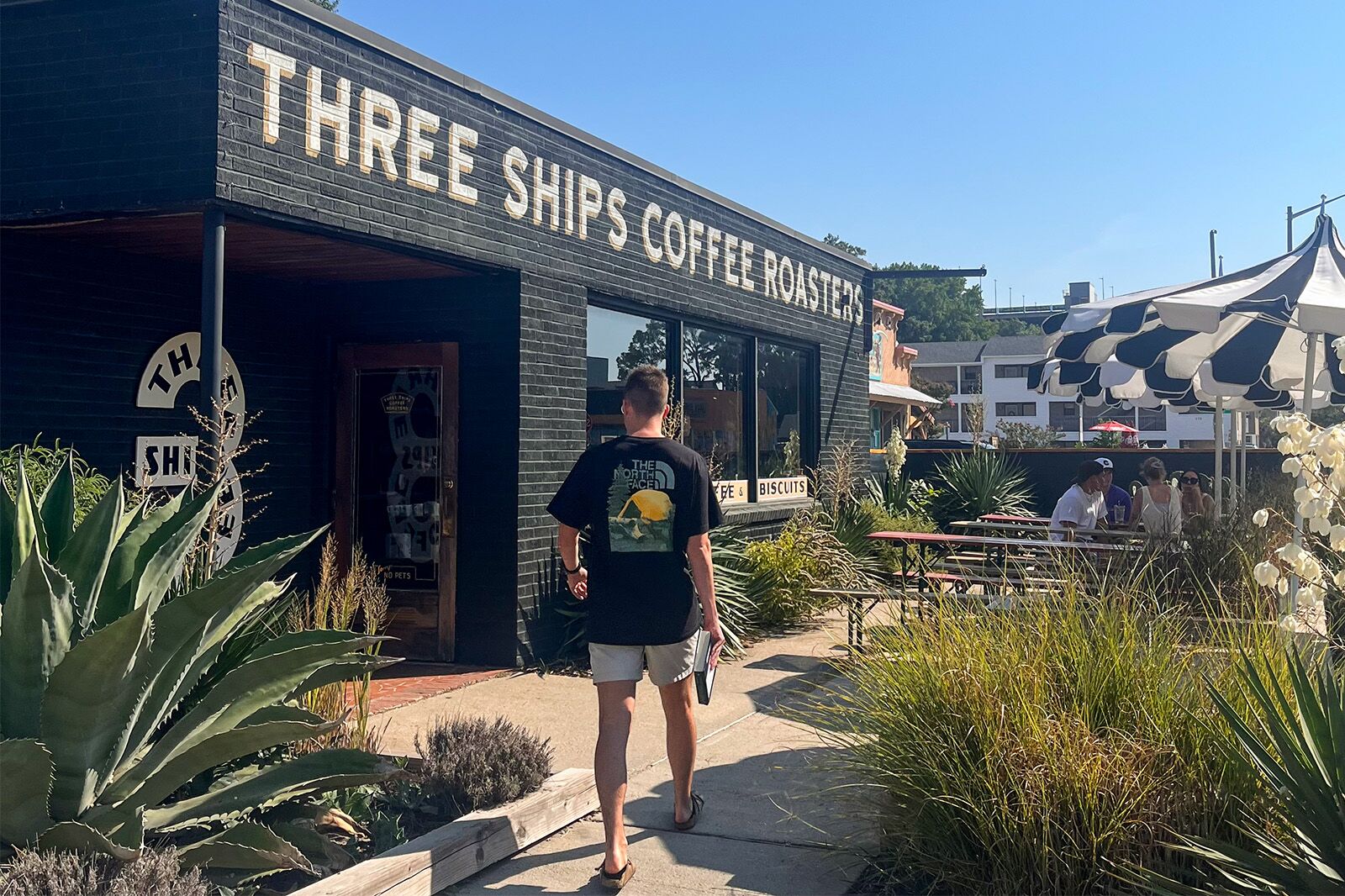
Hospitality investments, exemplified by properties like the Moxy Virginia Beach Oceanfront—which features open-concept communal workspaces, self-service automated amenities, and integrated dining concepts such as the Belvedere South Coffee Shop & Diner—reflect a broader nationwide trend toward experiential, design-conscious lodging. Concurrently, the culinary scene continues to receive critical acclaim, evidenced by accolades such as Three Ships Coffee’s Shiptown Tidewater Espresso earning an Honorable Mention at the Global Coffee Awards, and diverse dining establishments ranging from classic seafood institutions like Chick’s Oyster Bar and Waterman’s Surfside Grille to modern Mid-Atlantic concepts like Chic’s Laundry and hi-fi listening bars like Rose’s.
Ultimately, the transformation of Virginia Beach demonstrates how mid-sized coastal destinations can reinvent their visitor profiles through targeted infrastructure investments, strategic private-public partnerships, and a concerted emphasis on active, accessible travel experiences. As these developments mature, they establish a replicable blueprint for sustainable coastal tourism in the twenty-first century.
Related posts: