Spain Secures Historic Victory as the 2026 FIFA World Cup Concludes a Transformative Era for International Football

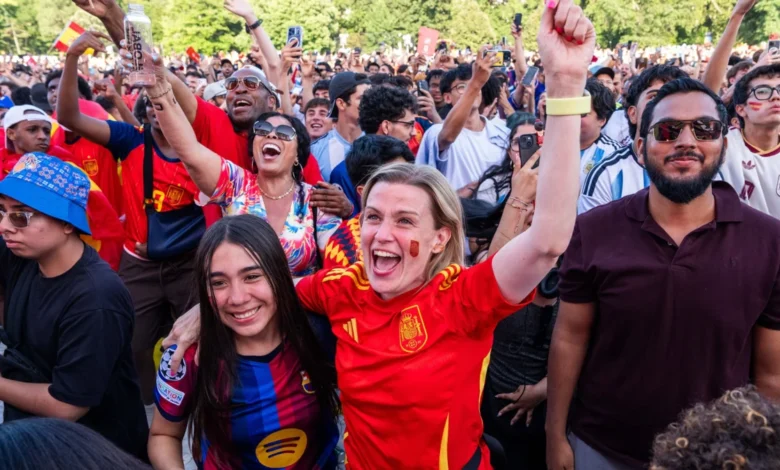
The 2026 FIFA World Cup reached its dramatic conclusion on Sunday, July 19, 2026, at MetLife Stadium in East Rutherford, New Jersey, marking the end of a historic 40-day tournament that reshaped the landscape of global athletics. In a final match defined by tactical patience and defensive resilience, Spain emerged as world champions for the second time in their history, defeating Argentina 1–0 in extra time. The victory not only solidified Spain’s era of dominance in European and world football but also signaled the definitive conclusion of the "Golden Generation" of individual superstars who have defined the sport for the past two decades.
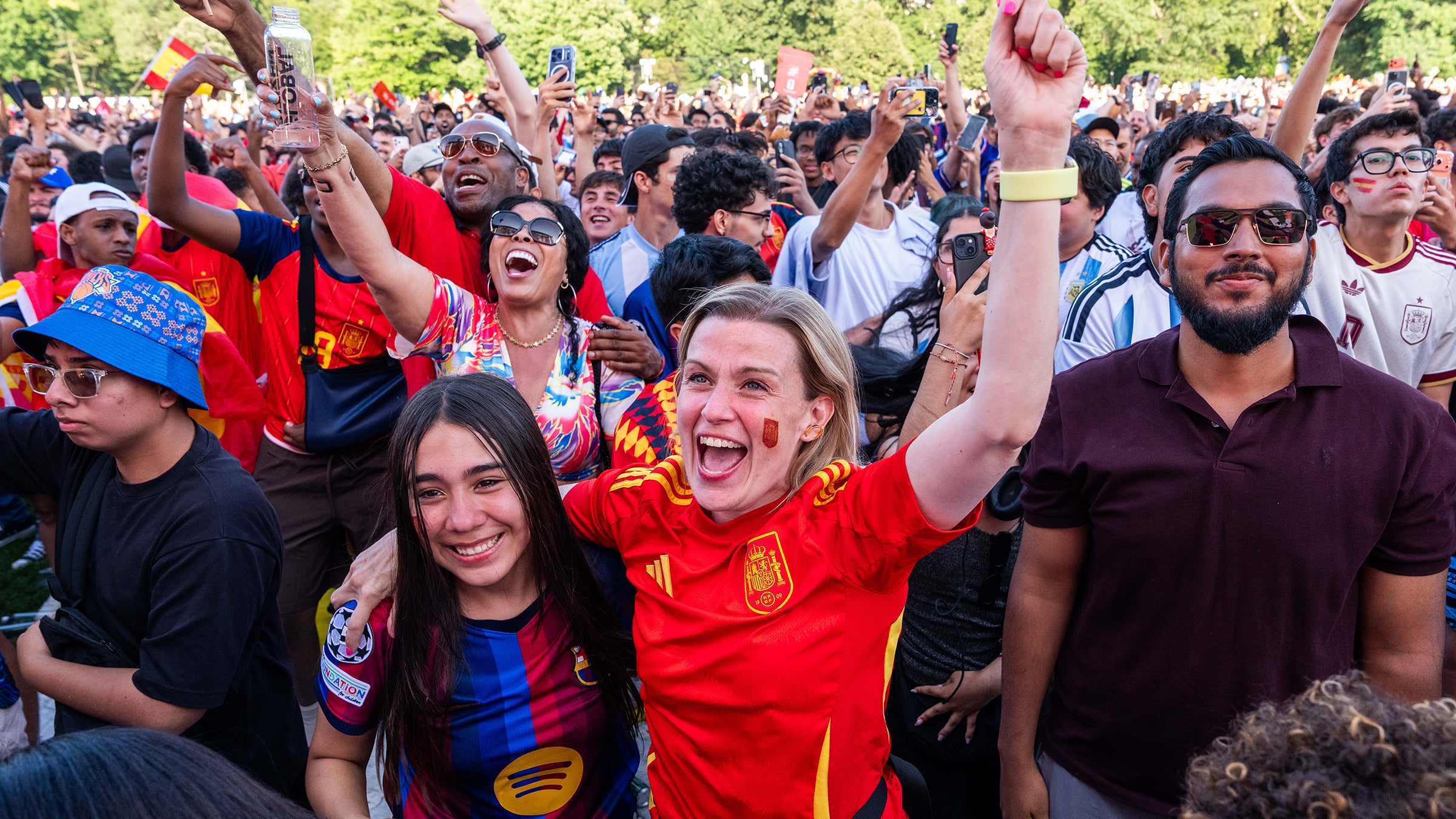
As the dismantling of massive fan zones began on Monday across North America—including the prominent Adidas-sponsored watch party at Brooklyn Bridge Park—the international community began to process the implications of a tournament that was as much about the sunset of legends as it was about the rise of unexpected nations. The 2026 iteration was the first to feature an expanded 48-team format, a change that initially drew skepticism but ultimately delivered some of the most compelling narratives in the history of the competition.
The Final: A Tactical Chess Match in New Jersey
The championship match between Spain and Argentina was billed as a clash of philosophies: Spain’s relentless "tiki-taka" possession versus Argentina’s gritty, counter-attacking spirit led by an aging but still influential Lionel Messi. For 90 minutes, the match remained a stalemate. Statistical data from the match indicated that Spain controlled 68% of possession, yet they struggled to break through an Argentinian defensive line that played with desperate intensity.
Argentina, remarkably, did not register a single shot on target during regulation time, focusing instead on neutralizing Spain’s midfield engines. The breakthrough finally arrived in the 106th minute of extra time. Ferran Torres, capitalizing on a momentary lapse in the Argentinian backline, struck a clinical finish into the bottom corner, sparking celebrations across the Spanish peninsula and among the thousands of traveling fans in New Jersey.
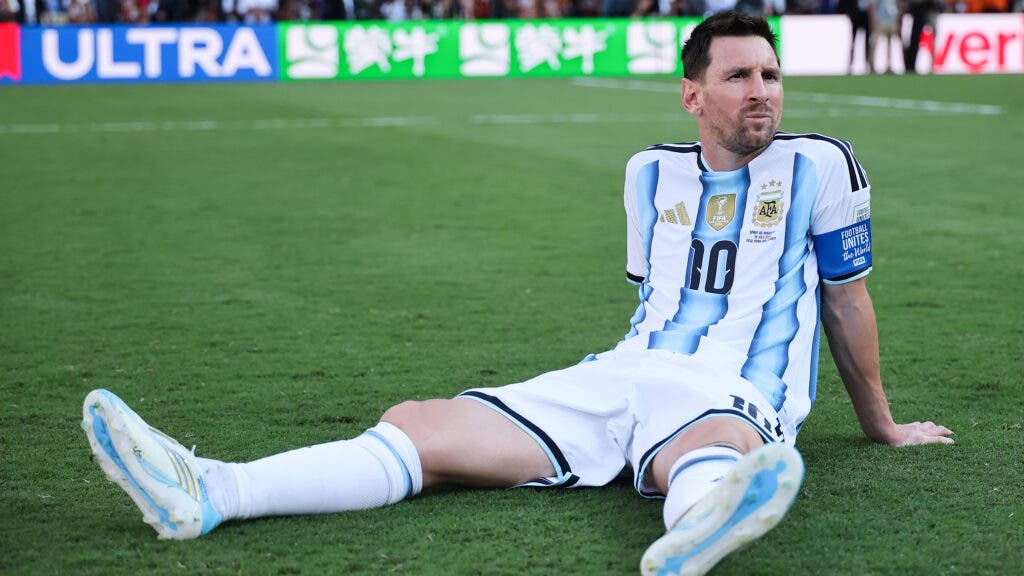
The defeat was a somber moment for Lionel Messi. After leading Argentina to glory in 2022, the 39-year-old maestro was seen sitting on the pitch long after the final whistle, contemplating the end of his international career. FIFA officials noted that while Messi did not secure a second consecutive title, his performance throughout the month remained the primary draw for record-breaking television audiences.
The Sunset of the Immortals
The 2026 World Cup served as the final stage for several of the most iconic figures in football history. This "mortality of the immortals" became a recurring theme as the tournament progressed through the knockout stages.
Cristiano Ronaldo, at 41, officially announced his retirement from the Portuguese national team following a Round of 16 exit at the hands of Spain. Ronaldo’s departure was unceremonious, a quiet walk down the tunnel that contrasted with his decades of high-octane performance. Similarly, Germany’s Manuel Neuer, who had briefly un-retired to stabilize a young German squad at age 40, saw his career end following a shocking upset by Paraguay.
In Mexico City, the emotional weight of the tournament was felt during the Round of 16 clash between England and Mexico. Guillermo Ochoa, the 40-year-old Mexican goalkeeper known for his World Cup heroics, was seen kissing the goalposts at the Estadio Azteca after a thrilling 3–2 loss to England. In Northern Europe’s influence on the tournament, Neymar Jr.’s international journey with Brazil came to an unexpected halt following a defeat to a disciplined Norway side, further emphasizing the shift in global power dynamics.
The Cape Verde Miracle and the 48-Team Expansion
While the legends faded, the expanded format allowed for the emergence of Cape Verde, an island nation of approximately 600,000 people. Cape Verde’s journey became the quintessential "Cinderella story" of the 2026 cycle. Entering their first-ever World Cup with a roster largely comprised of players from the diaspora, they defied all statistical projections.
The focal point of this miracle was their 40-year-old goalkeeper, Vozinha. In the tournament opener, Vozinha produced seven world-class saves to hold the eventual champions, Spain, to a 0–0 draw. This result snapped Spain’s two-year winning streak in competitive matches. Cape Verde’s momentum continued into the knockout rounds, where they faced Argentina. Despite an eight-save performance by Vozinha—including a spectacular stop on a Messi free kick in the 73rd minute—Cape Verde eventually fell 3–2 in extra time.
The social impact of Cape Verde’s run was quantifiable. Vozinha’s personal Instagram following surged from 50,000 to over 18 million in a single month, illustrating the tournament’s power to create overnight global icons. Additionally, the story of defender Roberto "Pico" Lopes, who was famously recruited to the national team via a LinkedIn message he initially dismissed as spam, became a symbol of the unorthodox paths modern athletes take to the world stage.
Economic and Social Impact on North American Host Cities
The 2026 World Cup was a logistical behemoth, spanning the United States, Canada, and Mexico. Early economic reports suggest that the tournament generated upwards of $5 billion in economic activity across the 16 host cities. In New York and New Jersey, the influx of international tourists transformed local landmarks into de facto embassies for competing nations.
The "watch party" culture reached an all-time high, with venues like Dumbo’s Time Out Market and Brooklyn Bridge Park serving as focal points for fan engagement. Municipal data suggests that public viewing events in New York City alone drew over 2 million attendees over the course of the month. These gatherings created a unique social environment where "involuntary choreography"—the collective gasps, cheers, and silences of a crowd—united strangers from disparate backgrounds.
Even in regions far from the host stadiums, the tournament’s reach was felt. In Whistler, British Columbia, local businesses reported record mid-summer crowds as fans gathered to watch matches like the Argentina-Egypt thriller. That specific match, which saw Argentina overcome a 2–0 deficit with three goals in the final 11 minutes, was cited by analysts as one of the highest-rated group stage matches in the history of North American sports broadcasting.
Chronology of Key Tournament Milestones
- June 11, 2026: Opening Ceremony at Estadio Azteca, Mexico City.
- June 15, 2026: Cape Verde holds Spain to a 0–0 draw, the tournament’s first major upset.
- June 28, 2026: Norway eliminates Brazil in the Round of 32, ending Neymar’s World Cup career.
- July 2, 2026: England defeats Mexico 3–2 in a high-scoring thriller in Mexico City.
- July 5, 2026: Spain eliminates Portugal; Cristiano Ronaldo exits his final World Cup.
- July 10, 2026: Argentina narrowly defeats Cape Verde 3–2 in extra time to reach the semi-finals.
- July 19, 2026: Spain defeats Argentina 1–0 at MetLife Stadium to win the FIFA World Cup.
Analytical Implications: A New Era of Parity
Football analysts suggest that the 2026 World Cup marks the beginning of an era of increased parity. The success of nations like Cape Verde, Paraguay, and Norway against traditional powerhouses indicates that the gap between the "elite" and the rest of the world is narrowing. This is attributed to the globalization of coaching standards and the increased mobility of players across professional leagues.
"The 48-team format has proven that talent is no longer concentrated in just four or five nations," said a FIFA technical observer in a post-tournament briefing. "When a 40-year-old goalkeeper from a small island nation can frustrate the best players in the world, it tells us that the ‘science of the upset’ is becoming a permanent fixture of the game."
Furthermore, the tournament highlighted the physical longevity of modern athletes. The presence of multiple 40-year-old starters (Vozinha, Neuer, Ochoa) suggests that advancements in sports science and recovery are extending the peak years of professional players, allowing legends to compete alongside the next generation.
Looking Forward: From the World Cup to LA 2028
As the FIFA banners are packed away and the temporary scaffolding is removed from parks across North America, the focus of the sporting world shifts toward the next major global event. The United States will remain the center of the athletic universe as preparations accelerate for the Los Angeles 2028 Summer Olympics.
The success of the 2026 World Cup has provided a blueprint for large-scale event management in the post-pandemic era. The "shared experience" of the tournament, which saw millions of people watching the same events simultaneously across different time zones, has reinforced the cultural value of international sport. For the host cities, the legacy of 2026 will be measured in improved infrastructure, a surge in youth soccer participation, and the memory of a summer where the world felt interconnected through the simple medium of a ball and a net.
The final whistle in New Jersey was not just the end of a game; it was the closing of a chapter on the most decorated era of individual talent the sport has ever seen. As the world looks toward 2028 and the 2030 World Cup beyond that, the echoes of the 2026 tournament will serve as a reminder that in international sport, the most enduring stories are often found in the hearts of strangers gathered around a screen, waiting for the next moment of collective magic.
Related posts: