The definition of luxury travel is undergoing a radical transformation as the mid-2020s witness a significant shift in consumer desires. Once characterized by white-glove service, infinity pools, and hermetically sealed environments, high-end tourism is increasingly being defined by "dirt under the fingernails" and "authentic labor." This burgeoning trend, colloquially known as "farm charm," has seen a surge in affluent travelers seeking out working agricultural estates where they can actively participate in the daily rigors of farm life. According to the 2026 Luxury Travel Trends Report released by Classic Vacations, there has been a 23 percent year-over-year increase in demand for authentic farm experiences. This shift indicates that for the modern traveler, the ultimate status symbol is no longer just relaxation, but a tangible connection to the land and the food systems that sustain it.
The Evolution of the Experience Economy
The migration toward agricultural tourism is not a new phenomenon, but its integration into the ultra-luxury sector is a distinct development of the 2020s. Historically, farmstays were budget-friendly options for families seeking a rustic getaway. However, the post-pandemic era accelerated a desire for "slow travel" and "biophilia"—the innate human tendency to seek connections with nature. By 2026, this has matured into a sophisticated market where guests are willing to pay upwards of $1,500 per night for the privilege of harvesting their own dinner or assisting in the maintenance of a working stud farm.
Industry analysts suggest that this trend is driven by a reaction to the digital saturation of urban life. As remote work and screen-based interactions remain the norm for the professional class, the physical reality of fixing a tractor tire or gathering eggs provides a sensory grounding that traditional luxury resorts cannot replicate. The "experience economy" has moved beyond passive observation; travelers now want to be protagonists in a narrative of self-sufficiency and environmental stewardship.
A Chronology of the Modern Farmstay Movement
The current landscape of luxury agritourism in the United States can be traced through several key milestones. In the early 1990s, pioneers like Steve and Marie Nygren began the transition of historic farmlands into retreats, as seen with the development of Serenbe in Georgia. By the 2010s, the "farm-to-table" culinary movement had become a standard in high-end dining, creating a consumer base that was highly educated about seasonal produce and heirloom breeds.
The 2018 opening of Gracie’s Farm at The Lodge at Blue Sky in Utah marked a turning point, proving that the Auberge Collection—a titan of luxury hospitality—could successfully blend five-star accommodations with rugged, high-altitude agriculture. By 2024, the "FarmHer" movement gained traction, highlighting the role of women in sustainable agriculture and drawing a new demographic of socially conscious travelers. Now, in 2026, the integration is complete, with farm work being marketed as a premium wellness activity on par with yoga or spa treatments.
Case Studies in Luxury Agricultural Immersion
To understand the breadth of this trend, one must look at the specific properties that have successfully bridged the gap between rustic labor and refined comfort.
The Inn at Serenbe: The Blueprint for Biophilic Living
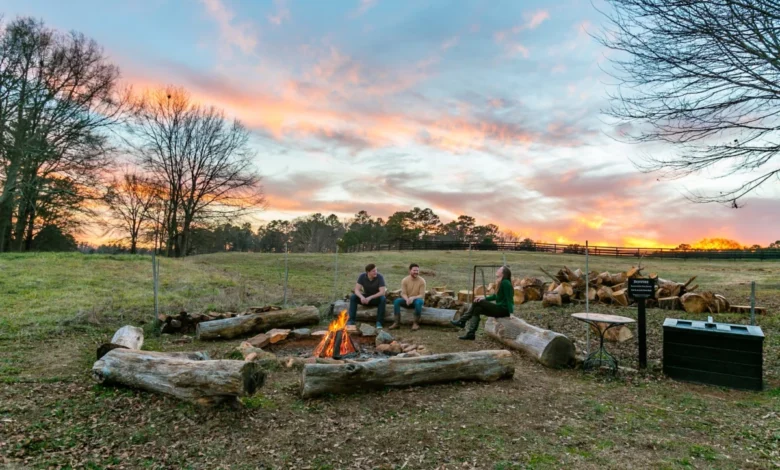
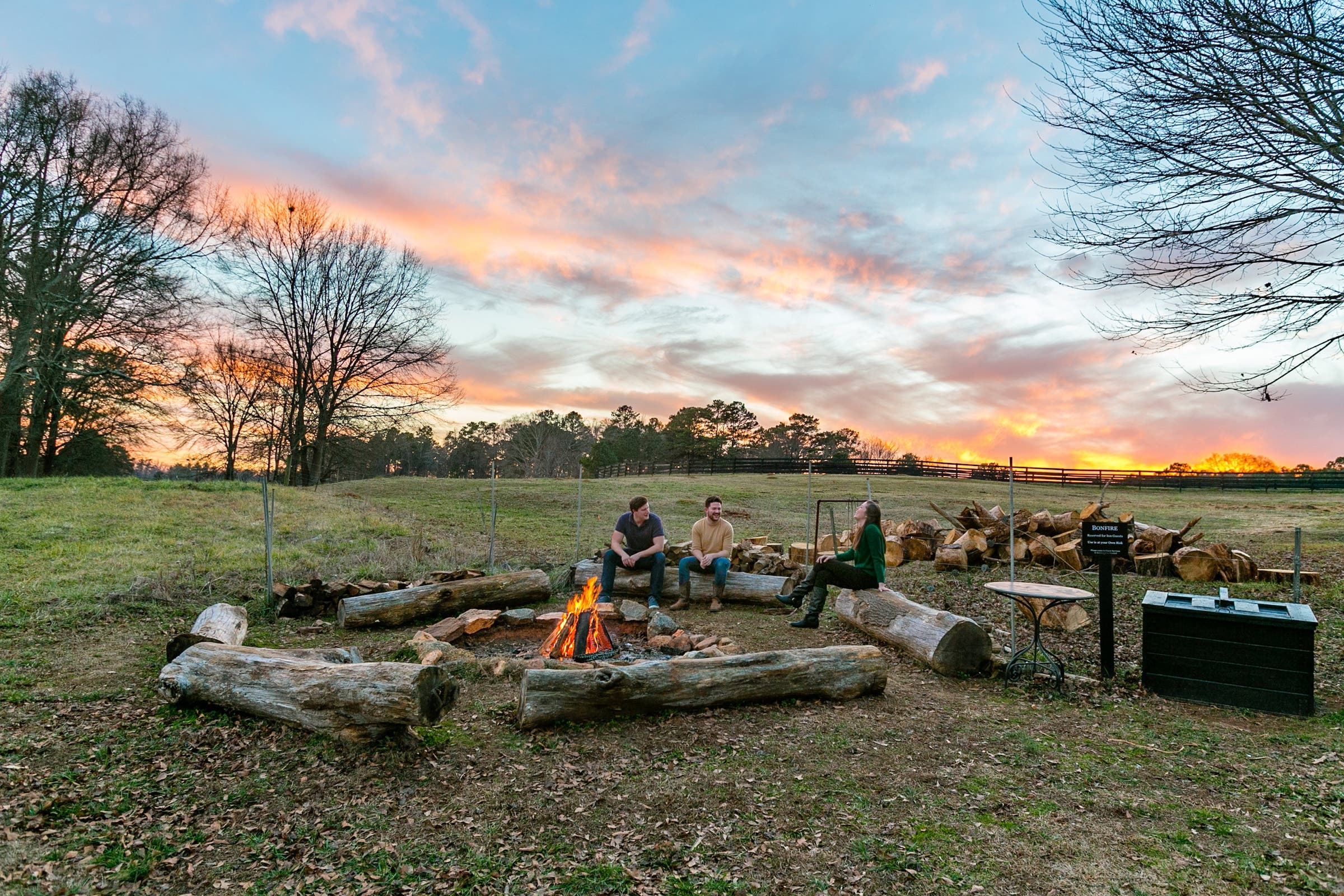
Located in Chattahoochee Hills, Georgia, The Inn at Serenbe serves as a primary example of how historic preservation can fuel modern tourism. Originally a 1905 farm purchased by the Nygrens in 1991, the property has expanded into a 2,000-acre estate. The innovation at Serenbe lies in its "Animal Village" and its massive organic vegetable farm, which grows over 300 varieties of crops. Guests here do not merely watch the harvest; they participate in workshops ranging from herbal tea blending to soil health. The property’s success is rooted in its ability to offer "organic growth"—both in its produce and its business model—starting as a private home and evolving into a sanctuary for urbanites from nearby Atlanta.
The Lodge at Blue Sky: High-Altitude "FarmHer" Culture
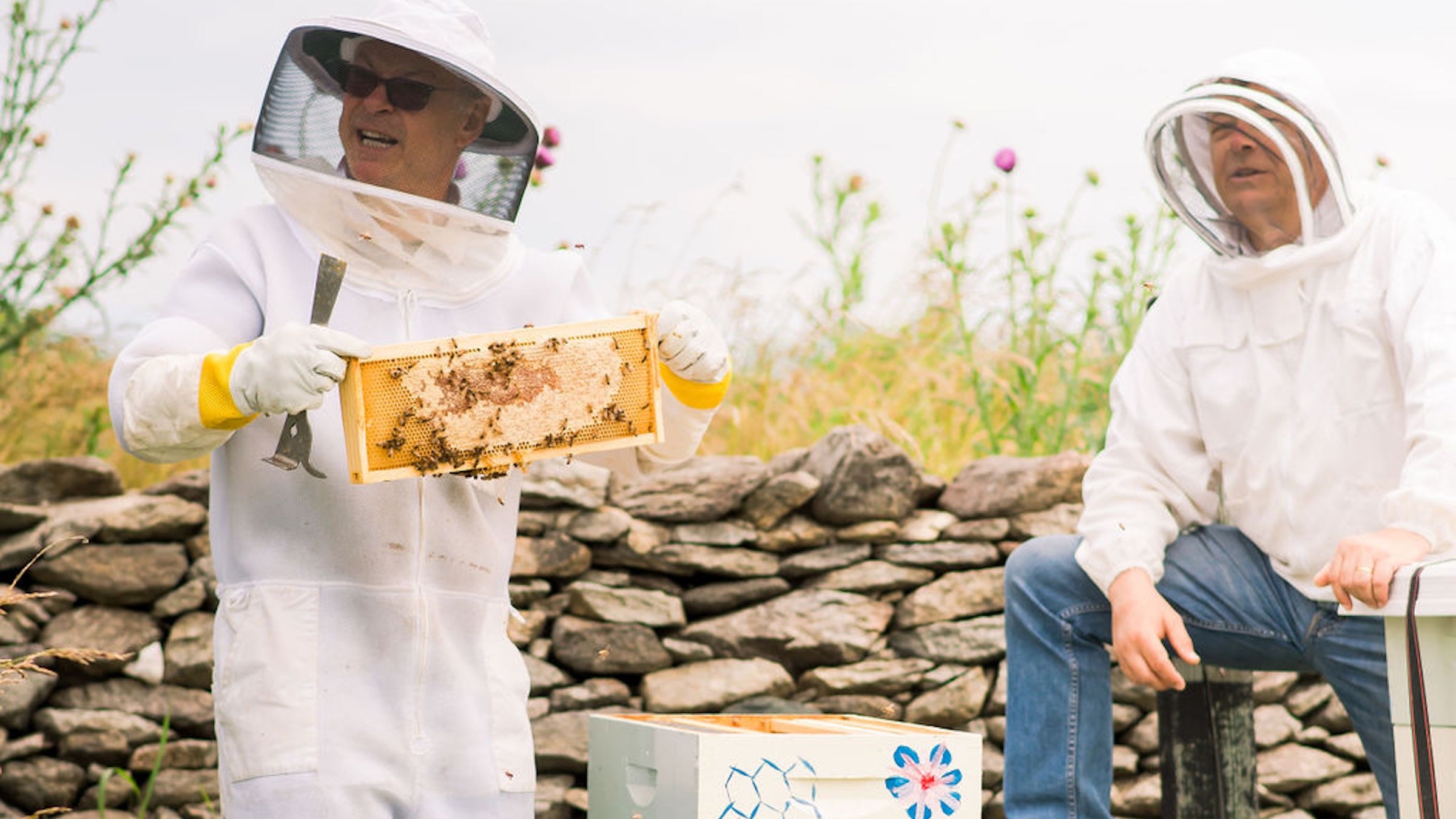
In Wanship, Utah, The Lodge at Blue Sky has redefined the Western ranch experience. While the 4,000-acre property offers traditional mountain activities like heli-fishing and clay shooting, its agricultural heart is Gracie’s Farm. Managed by an all-female team of "FarmHers," the facility encourages guests to engage in beekeeping and vegetable harvesting. The lodge has successfully gamified the farm-to-table process; guests collect their own eggs or herbs, which are then handed over to the resort’s culinary team to be featured in a customized meal. This "direct-to-plate" involvement justifies the premium price point, which often exceeds $1,500 per night.
Goodstone Inn and Restaurant: Virginia’s Pastoral Grandeur
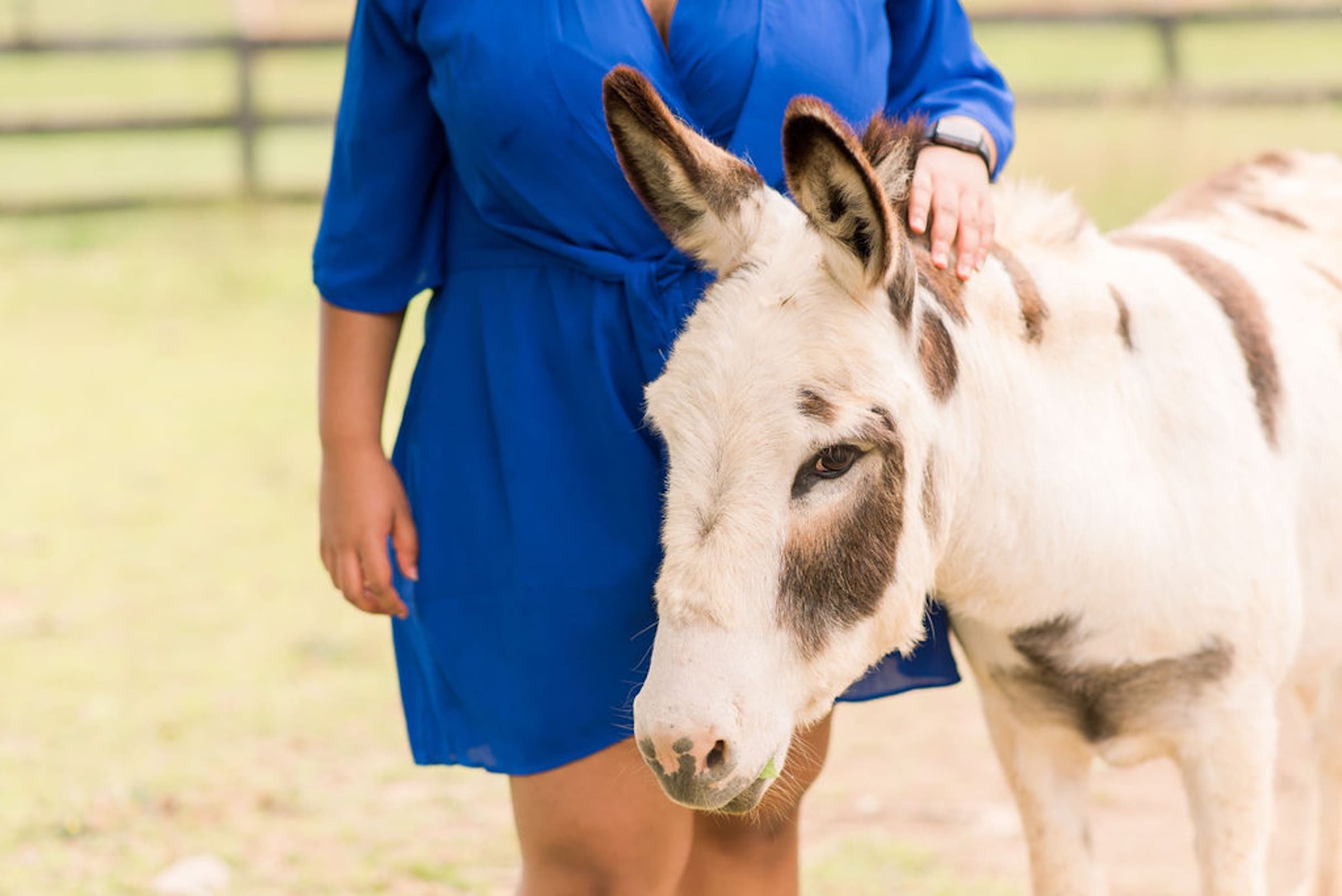
Dating back to 1745, the Goodstone Inn in Middleburg, Virginia, leverages centuries of history to provide authenticity. Once a leading dairy farm, the 265-acre estate now offers 18 historic suites. The property maintains its agricultural identity through active livestock management and beekeeping. For travelers, the appeal lies in the contrast: the ability to assist in feeding goats or harvesting vegetables during the day, followed by a world-class dining experience in a French-countryside-inspired setting in the evening.
Bricoleur Vineyards: The Intersection of Fashion and Viticulture
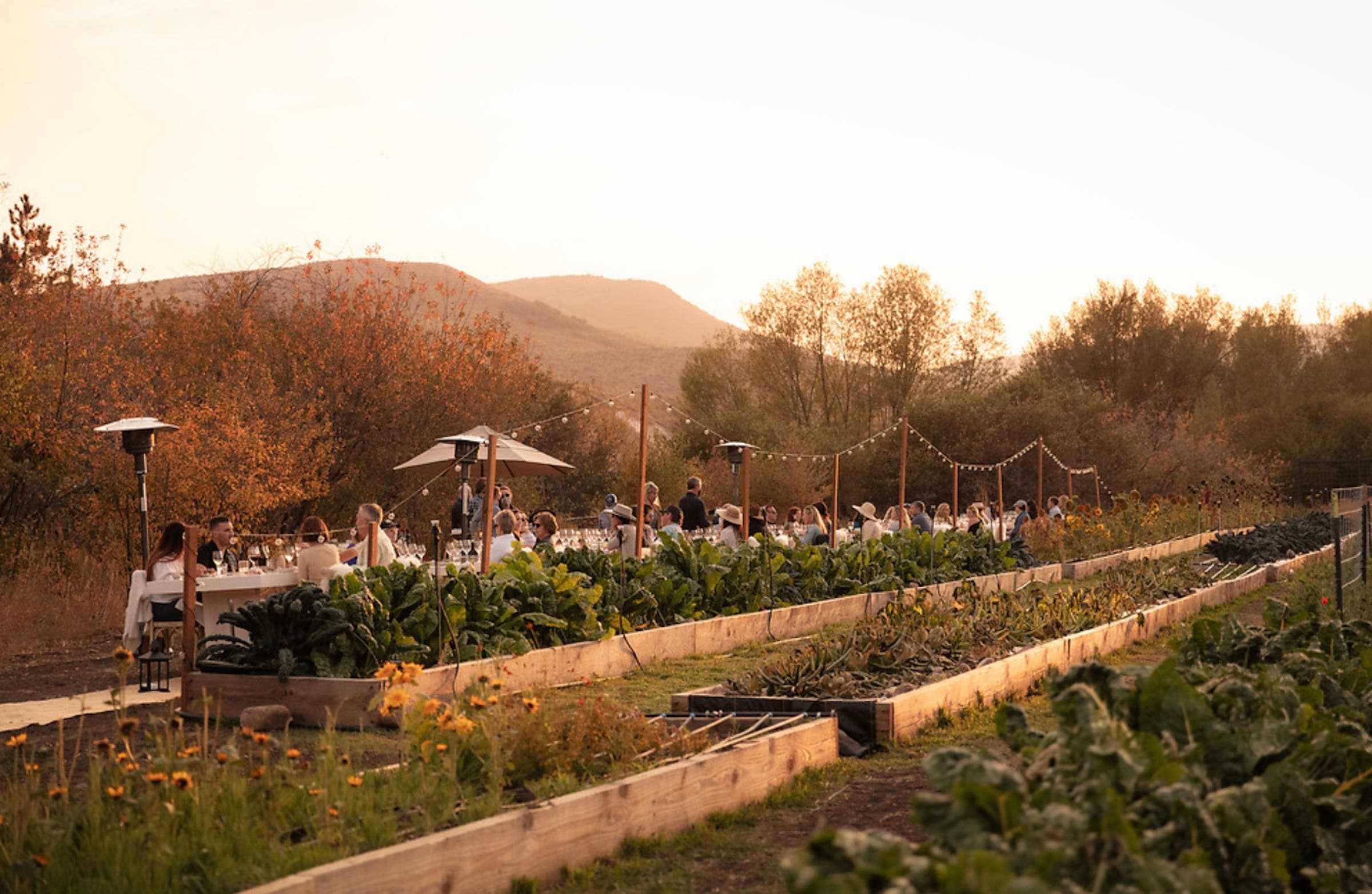
In Sonoma County, California, Bricoleur Vineyards demonstrates how the luxury fashion world has influenced agritourism. Co-founder Sarah Citron integrated high-end residential living directly into the vineyard landscape. The "Bricoleur Vineyards Residences" offer guests a "red wagon" experience—a curated picnic hike through the vines where they can pick their own edible flowers and produce. This model targets a demographic that values aesthetic beauty as much as agricultural productivity.
Honey Rock Landing: Subterranean Luxury and Organic Orchards
Representing the more avant-garde side of the trend, Honey Rock Landing in Delta, Colorado, offers luxury cave suites within a certified organic orchard. This property emphasizes total immersion, with farm-fresh meals delivered directly to subterranean dwellings. The all-inclusive nature of the stay includes labor-intensive activities such as "u-pick" vegetable days and bouquet making, positioning farm work as a form of meditative recreation.
Supporting Data and Economic Impact
The shift toward luxury farmstays is supported by broader economic data within the travel sector. The global agritourism market, which was valued at approximately $42.46 billion in 2022, is projected to reach over $111 billion by 2032, according to Allied Market Research. The luxury segment is the fastest-growing sub-sector of this market.
Data from the 2026 Classic Vacations report highlights several key consumer behaviors:
- Duration of Stay: Travelers booking farm-centric vacations stay an average of 2.4 days longer than those booking traditional luxury city breaks.
- Spending Patterns: There is a 15 percent higher spend on on-site amenities and experiences (workshops, private tours, and farm-to-table dining) compared to traditional beach resorts.
- Demographics: The primary drivers of this trend are Gen X and Millennial parents who view farm labor as an educational "digital detox" for their children.
Official Responses and Industry Analysis
Travel consultants and hospitality executives are taking note of this shift in "value-based" travel. "We are seeing a move away from ‘extrinsic’ luxury—showing off a brand—toward ‘intrinsic’ luxury, which is about how an experience makes you feel and what you learn from it," says Julianne Foster, a senior analyst for luxury travel trends. "Getting dirty is the new ‘clean’ for the wealthy. It signifies that you have the time and the health to engage with the physical world."
Property owners echo this sentiment. At many of these estates, the "staff" are often professional farmers and horticulturists rather than traditional hospitality workers. This creates a more peer-to-peer interaction between the guest and the host, centered around shared labor and knowledge exchange.
Broader Implications and Future Outlook
The rise of luxury farmstays has significant implications for land use and rural economies. By integrating high-end tourism with active farming, these properties provide a financial lifeline to agricultural land that might otherwise be sold for suburban development. This model of "agri-hospitality" encourages the preservation of heirloom species and sustainable farming techniques, as the guests are paying specifically for the authenticity of those practices.
Furthermore, the trend is influencing urban planning. The success of places like Serenbe has led to the rise of "agrihoods"—residential developments built around a central working farm. As we look toward the late 2020s, the distinction between a "resort" and a "farm" will likely continue to blur.
For the luxury traveler of 2026, the most memorable part of a vacation is no longer the thread count of the sheets, but the weight of a handwoven basket filled with warm eggs, or the smell of fresh soil after a morning harvest. In an increasingly virtual world, the ultimate luxury is the ability to reconnect with the most basic elements of human existence: the land, the seasons, and the work required to bridge the two.