Beneath the murky, tea-colored waters of the Caddo Lake cypress swamp, a transformation is occurring in the world of American freshwater fishing. What was once a clandestine, localized practice passed down through generations of rural families has emerged as a high-adrenaline tourism industry and a staple of social media content. Noodling—the practice of catching massive catfish using only one’s bare hands—is transitioning from a survivalist necessity and "outlaw" subculture into a regulated, commercialized sport that attracts participants from across the globe.
The Modern Face of Handfishing
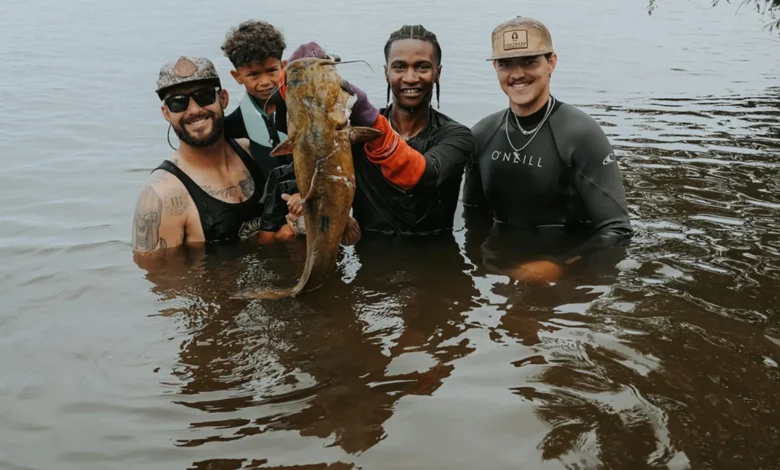
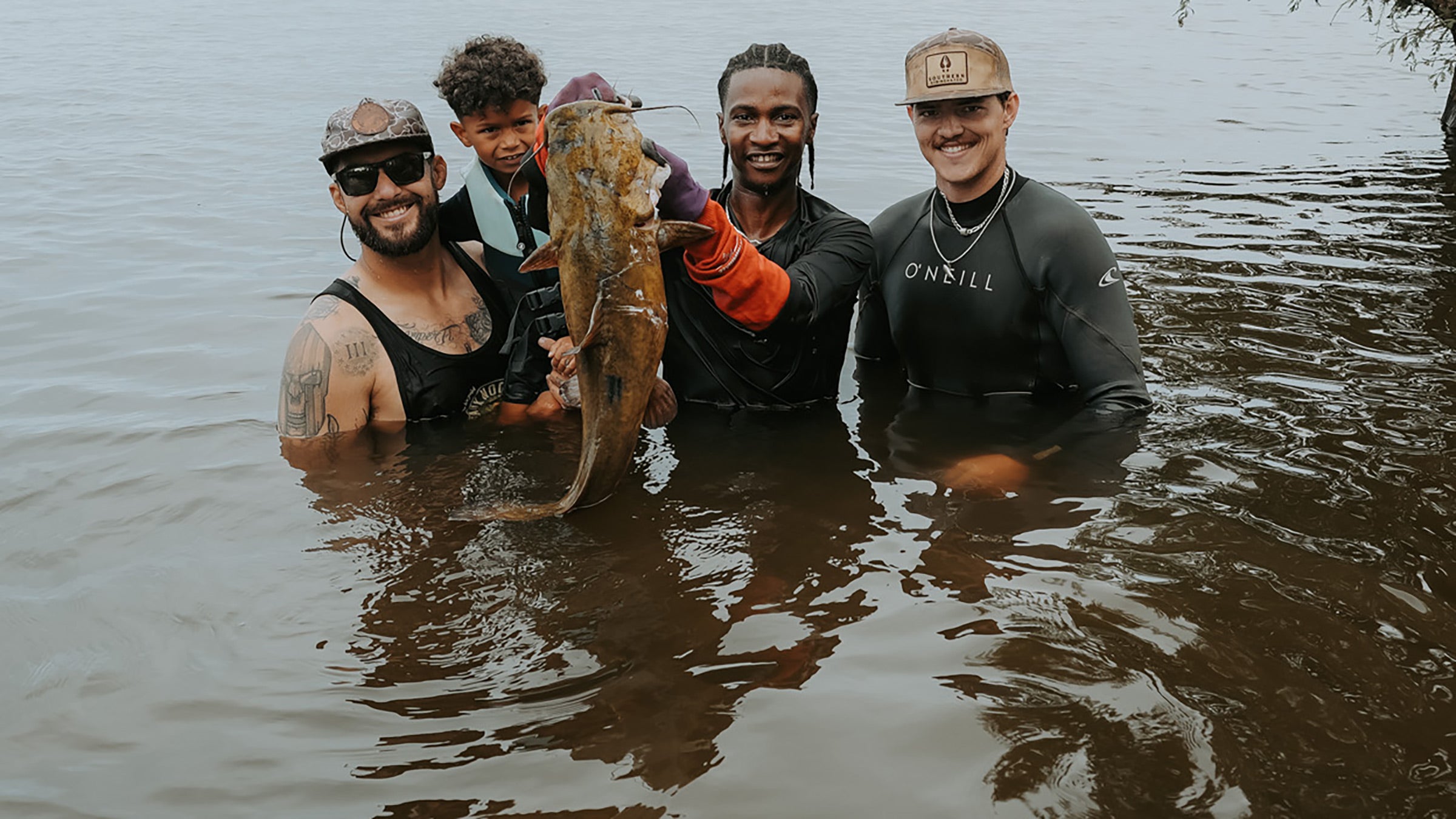
In Northwest Louisiana, the legalization of noodling in 2022 has paved the way for professional guide services like Geaux Noodling, operated by 30-year-old Vinny "Bu" Wozniak. Wozniak, a former Marine and Goodyear plant worker, represents a new generation of "noodlers" who utilize digital platforms to market an ancient skill. Charging approximately $400 per person, these guided tours offer urbanites and international tourists a controlled encounter with the prehistoric predators of the bayou.
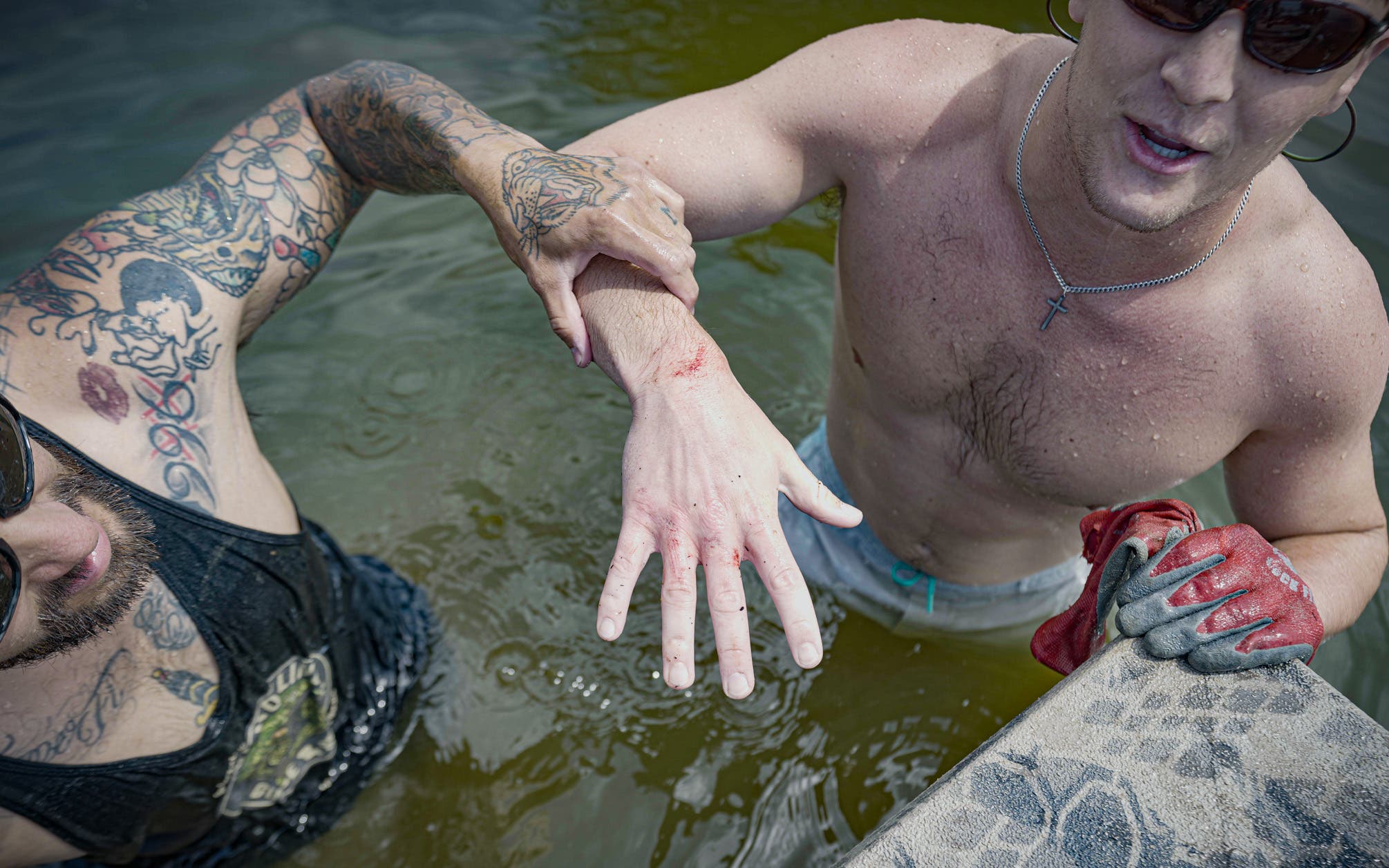
The mechanics of the sport are deceptively simple yet physically demanding. Participants must submerge themselves in waist-deep water, feeling along the lakebed for underwater cavities—often hollow logs, submerged tires, or holes in the mud. These are the nesting sites of the Blue catfish (Ictalurus furcatus) and the Flathead catfish (Pylodictis olivaris). During the spawning season, which typically runs from May through July, male catfish guard these nests with extreme aggression. The noodler’s goal is to provoke a bite, allowing the fish to clamp onto their hand so they can wrestle the creature to the surface.
A Chronology of Legalization and Cultural Recognition
The journey of noodling from a fringe activity to a recognized sport has been marked by significant legislative shifts across the United States. Historically, handfishing was often banned or heavily restricted due to concerns over its impact on fish populations and the perceived danger to participants.
- Early 20th Century: States like Missouri began outlawing "logging" and "rock fishing" (early terms for noodling) as early as 1919, viewing it as a primitive method that threatened conservation efforts.
- 2001: The release of the documentary Okie Noodling by Bradley Beesley brought the subculture to a national audience, focusing on the annual tournament in Pauls Valley, Oklahoma.
- 2011: Texas officially legalized handfishing after years of lobbying by enthusiasts. This same year, the Animal Planet series Hillbilly Handfishin’ debuted, turning veteran noodlers like Skipper Bivins into household names.
- 2022: Louisiana lawmakers formally legalized the practice, recognizing its potential for outdoor tourism and its deep roots in regional history.
- Present Day: Noodling is now legal in 17 states, including Alabama, Arkansas, Georgia, Illinois, Kansas, Kentucky, Maryland, Mississippi, North Carolina, Oklahoma, South Carolina, Tennessee, Virginia, West Virginia, and Wisconsin.
The Social Media Catalyst
The recent "renaissance" of noodling is inextricably linked to the rise of short-form video platforms like TikTok and Instagram. Influencers such as Hannah Barron and Alyssa Hall have amassed millions of followers by documenting their encounters with 50-pound catfish. These videos, often featuring high-definition underwater footage and dramatic catches, have stripped away the "outlaw" stigma, replacing it with an image of rugged, outdoorsy athleticism.
According to Wozniak, social media is his primary driver for business. His Instagram following doubled within a single year, and he reported receiving over 400 inquiries in a single month during the peak season. This digital exposure has transformed the demographics of the sport; many of his clients have never held a traditional fishing rod, yet they are willing to travel from as far as Vietnam or Australia to experience the "bite" of a catfish firsthand.
Biological and Ecological Impact
As the popularity of handfishing grows, so does the scrutiny from the scientific community. The primary concern among conservationists is the potential disruption of the spawning cycle. Because noodlers target males guarding nests, there is a risk that removing the fish—even if only for a few minutes before release—could leave eggs vulnerable to predators or lack of oxygenation.
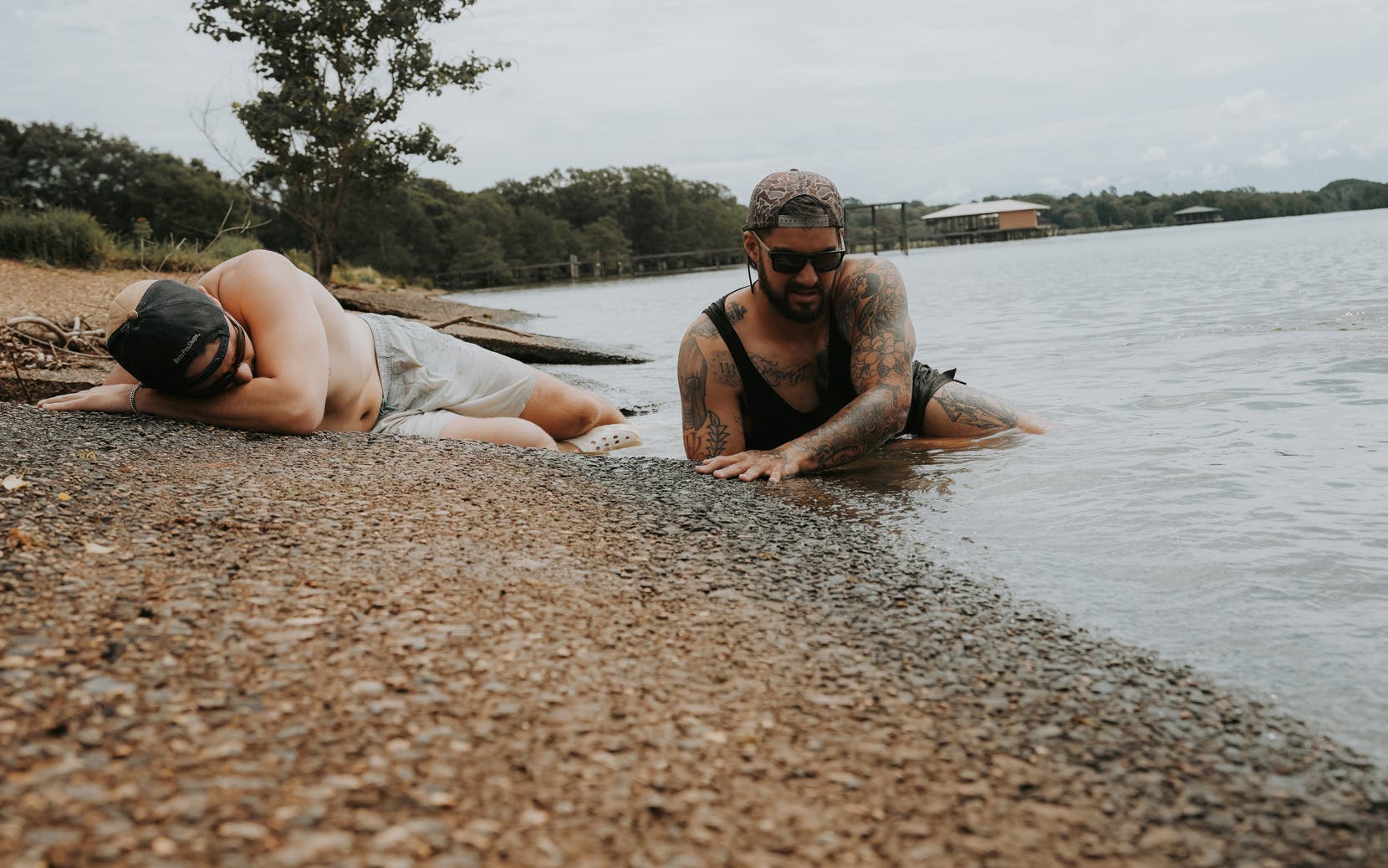
However, recent data from state wildlife agencies suggests that the impact may be negligible. Kendall Robbins, a fisheries biologist for the Oklahoma Department of Wildlife Conservation, has been conducting a long-term study on Flathead catfish in Grand Lake, Oklahoma. Since 2024, Robbins has tagged over 300 fish to monitor population dynamics. His preliminary findings indicate that noodling pressure is significantly lower than that of traditional rod-and-reel angling.
"We don’t know exactly what noodling pressure does to flathead populations, but we also don’t know what rod and reel pressure does," Robbins noted. He observed that catfish appear to be resilient, often returning to the same spawning holes year after year. Furthermore, many catfish spawn in areas that are physically inaccessible to humans, providing a natural buffer against overfishing.
Historical Roots: From Necessity to Identity
The origins of noodling in North America predate European colonization. In 1775, trader James Adair documented Native Americans in the Southeast diving under rocks to seize catfish by their "tender parts" after wrapping their hands in cloth for protection. During the Great Depression, handfishing became a vital means of survival for rural families across the South and Midwest, providing a high-protein food source that required no expensive equipment.
Anthropologist Mary Grigsby, who studied the subculture in Missouri, suggests that for many, noodling is less about the catch and more about "fishing for identity." It is a practice that fosters tight-knit communal bonds and a sense of self-reliance. However, Grigsby also points out a tension between traditional practitioners and the new wave of "influencer" noodlers. For the old guard, the secrecy of "honey holes" and the generational transfer of knowledge were sacred; for the new generation, the value lies in the visibility and shareability of the experience.
The Geography of the Hunt: Caddo Lake
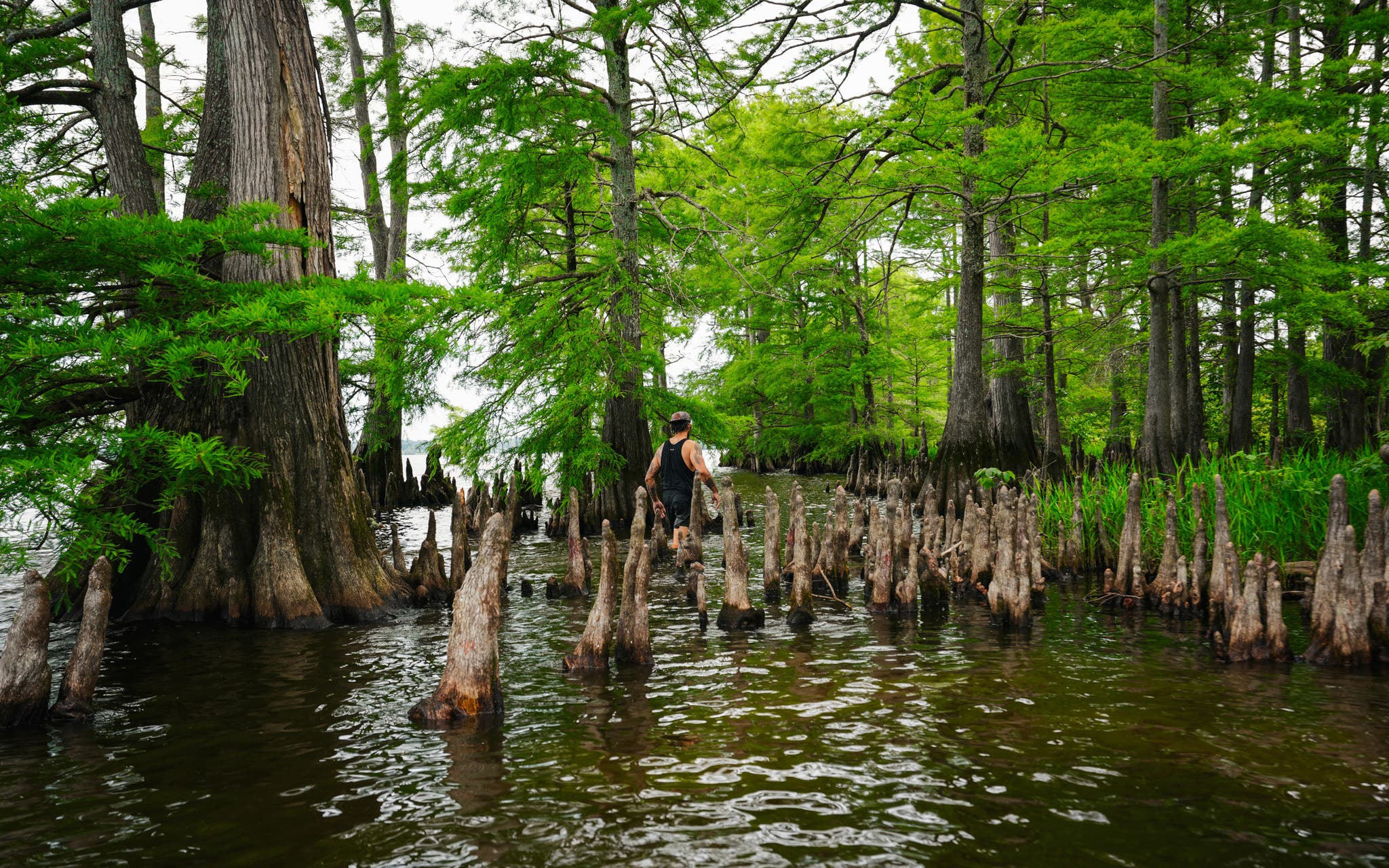
Caddo Lake serves as a unique backdrop for this evolving sport. A 25,400-acre maze of cypress trees and Spanish moss, it straddles the border between Louisiana and Texas. The lake’s geology is as murky as its waters; while some attribute its formation to the 1811 New Madrid earthquakes, most geologists believe it was created by the "Great Raft," a massive 160-mile logjam on the Red River that flooded the lowlands centuries ago.
The environment presents specific challenges. Unlike the faster-flowing creeks of Oklahoma, Louisiana’s bayous are home to alligators and venomous cottonmouth snakes. Veterans like Skipper Bivins note that these hazards are why noodling was historically less common in the Deep South than in the Ozarks or the Great Plains. Modern guides mitigate these risks by scouting locations and utilizing man-made structures—such as submerged tractor tires or old bathtubs—to create "controlled" nesting environments for the fish.
Safety and Ethics in a High-Risk Sport
Despite its growing popularity, noodling remains inherently dangerous. Professional guides emphasize the "buddy system" as an absolute requirement. The primary risk is drowning; a large catfish can exert enough force to pin a person underwater, and submerged debris can snag clothing or limbs.
"There needs to be someone there to live to tell the story," Bivins warned, noting that one or two deaths occur annually across the country due to noodling accidents.
The ethics of the sport are also evolving. While some traditionalists still harvest their catch for food, the modern guided industry leans heavily toward catch-and-release. This practice ensures the survival of the "trophy" fish that drive the tourism industry and allows the male catfish to return to their nests to finish the spawning cycle.
Implications for the Future
The "noodling renaissance" represents a broader trend in the outdoor industry: the commodification of "authentic" rural experiences. As urban populations seek a disconnect from their sedentary lives, they are increasingly drawn to activities that offer a raw, physical connection to nature.
While some worry that the commercialization of handfishing will dilute its cultural significance, practitioners like Wozniak and Bearden see it as a way to preserve a dying art. By turning noodling into a viable business, they are ensuring that the skills required to navigate a cypress swamp and handle a 40-pound predator are not lost to time.
As the scabs on the knuckles of new enthusiasts heal, they carry with them a story that bridges the gap between the 18th-century survivalists and the 21st-century digital age. Noodling has survived prohibition, cultural stigma, and environmental change, proving that the primal urge to test one’s mettle against the unknown remains as strong as ever.
Related posts: