Tragedy at Himlung Himal: A Detailed Look at the Deadly Avalanche and the Search for Missing Mountaineers

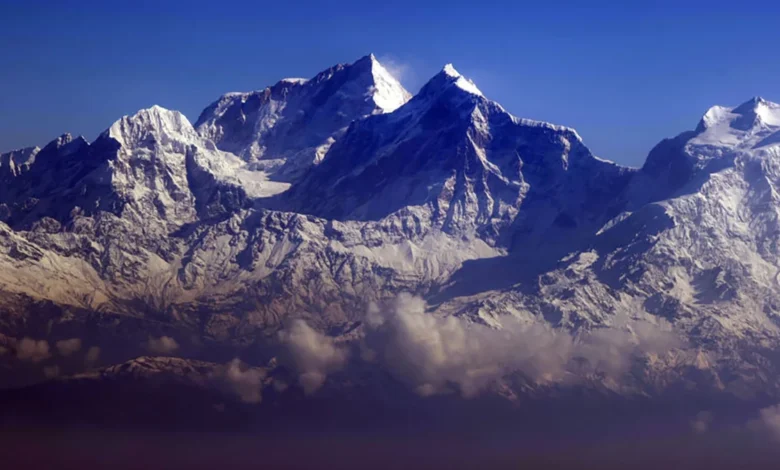
The Himalayan mountaineering community is reeling following a catastrophic avalanche that struck the base camp of Himlung Himal on September 26, 2026, claiming the lives of at least four mountain workers and leaving 12 others missing. The disaster, which occurred amid a period of extreme weather volatility across the region, has forced the Nepal National Mountain Guides Association (NNMGA) to suspend search and rescue operations, marking one of the most somber chapters in recent climbing history.
Ben Ayers, a veteran observer of the region’s mountaineering landscape, reports that the disaster unfolded at the 23,379-foot peak near the Annapurna region, where an immense slide of snow and ice buried sleeping quarters and communal tents under a massive layer of debris. As of September 29, search efforts were officially postponed, leaving the families of the missing in a state of profound uncertainty.
The Anatomy of the Disaster: A Chronology of Events
The tragedy at Himlung Himal did not occur in isolation. It followed three consecutive days of relentless, unseasonal weather patterns driven by a tropical cyclone that battered the Himalayas. Meteorological data from the region indicates that the storm brought sustained heavy rainfall and massive snowfall, which created high-risk conditions for avalanche initiation.
On September 24 and 25, as the cyclone intensified, expedition leaders at neighboring peaks—most notably Manaslu—made the difficult decision to initiate large-scale evacuations. More than 490 clients and hundreds of support staff were successfully moved off the mountain to avoid the incoming wall of snow. However, the situation at Himlung Himal proved far more precarious.
According to Tul Singh Gurung, president of the NNMGA, some mountain workers at the Himlung base camp attempted to evacuate as the conditions deteriorated on September 25. Their efforts were thwarted by the sheer volume of snowfall, which rendered paths impassable. The workers were forced to retreat to their base camp, where they remained as the slope above them became critically unstable. On September 26, the avalanche released, burying the site under approximately 14 to 15 feet of snow.
By the time rescue teams, led by noted mountaineer Mingma G and his company, Imagine Nepal, arrived on the scene, they were met with an overwhelming landscape of destruction. Despite a valiant effort to excavate the site, the depth of the snow and the continued instability of the mountain forced rescuers to call off the operation on September 29.
Understanding the Risks of Himlung Himal
Himlung Himal has long been considered a premier destination for high-altitude aspirants. Situated on the border of Nepal and Tibet, the peak serves as a critical training ground for those looking to summit 8,000-meter giants like Everest or Dhaulagiri. Its reputation as a “moderate to difficult” ascent is bolstered by its perceived accessibility, with many commercial operators highlighting its combination of glacier navigation and fixed-rope climbing.
However, the 2026 disaster highlights a growing concern among veteran guides: the increasing unpredictability of these high-altitude environments. While commercial outfitters, including 8K Expeditions and Imagine Nepal, emphasize the peak’s suitability for learning, the recent tragedy underscores that no 7,000-meter peak is immune to the volatile climate shifts currently affecting the Himalayan range. The Base Camp, typically situated at 16,000 feet on the eastern flank, is now under scrutiny for its vulnerability to large-scale mountain collapses, an issue that may lead to a fundamental re-evaluation of base camp placement and safety protocols across the industry.
Broader Context: A Season of Unprecedented Peril
The incident at Himlung Himal is the latest in a series of deadly events that have plagued the Himalayan mountaineering season throughout 2026. The year has been marked by an unusual concentration of fatalities, raising questions about the intersection of climate change and extreme high-altitude sports.
In late July, a significant avalanche on Broad Peak in Pakistan resulted in the deaths of ten climbers, including the renowned mountaineer Nirmal “Nims” Purja. This was followed by a catastrophic environmental event in August, where flash floods along Nepal’s Bhote Khosi and Trishuli Rivers claimed over 1,400 lives and left thousands missing. Many of the casualties from the floods were individuals connected to the tourism and mountaineering infrastructure, signaling a wider instability in the region’s economic and physical safety nets.
Prior to the Himlung disaster, mid-September saw four fatalities on Manaslu, two of which were also attributed to an avalanche. When viewed in aggregate, these events paint a grim picture for the remainder of the 2026 season. The cumulative death toll in the high-altitude sector is approaching levels not seen since the 2014 Everest ice avalanche and the 2022 Draupadi Ka Danda II disaster in India, which claimed 29 lives.
Official Responses and the Future of Industry Standards
The response from the mountaineering community has been one of collective grief and urgent reflection. Mingma G, who has been at the forefront of the search efforts, expressed his disbelief on social media, noting that the scale of the avalanche at Himlung Himal was unprecedented in the experience of those who have spent decades on the mountain.
Tul Singh Gurung of the NNMGA has been vocal about the implications of these disasters for Nepal’s tourism-dependent economy. With the loss of 16 mountain workers—a demographic that forms the backbone of the Himalayan climbing industry—the sector faces both a human resource crisis and a reputational challenge.
“Mountaineering is inherently high risk at every step,” Gurung stated. “The most important thing climbers can do is to hire experienced, qualified manpower, even if it costs more. The mountains will always be there, but if we make poor decisions, our lives won’t.”
This call for increased professionalism is likely to trigger a wider debate within the Nepal Mountaineering Association regarding the certification and safety training of support staff. Analysts suggest that the industry may move toward stricter, government-mandated safety protocols, including mandatory real-time meteorological tracking for base camps and more robust emergency evacuation insurance requirements for all expedition members.
Economic and Logistical Implications
The death toll and the subsequent suspension of search efforts have created significant logistical hurdles for the ongoing autumn climbing season. With the industry already reeling from the August floods, the Himlung disaster exacerbates the fragility of the supply chain. Insurance premiums for expeditions are expected to rise, and the cost of mounting rescue operations will likely become a point of contention between commercial operators and the state.
Furthermore, the environmental impact of the 2026 cyclone season has left many routes in a state of high-alert. Geological experts studying the Himalayas warn that the influx of moisture and the subsequent freezing-thawing cycles are altering the structural integrity of glaciers and moraines. If this trend continues, traditional climbing routes that were deemed safe a decade ago may require constant monitoring or, in some cases, permanent closure.
Conclusion: A Sobering Legacy
As the search for the 12 missing individuals remains postponed, the families of the victims and the climbing community are left to grapple with the reality of the 2026 season. The avalanche on Himlung Himal is more than a localized tragedy; it is a symptom of a larger, more complex set of challenges facing the high-altitude mountaineering world.
While the mountains continue to draw thousands of adventurers, the events of this year serve as a stark reminder of the limits of human control. The professionalization of the guiding industry, coupled with better technological integration for weather forecasting and site safety, will be essential if the region is to avoid such mass-casualty events in the future. For now, the focus remains on recovery, reflection, and the profound loss of those who dedicated their lives to the service of others in the world’s most demanding environment.
Related posts: