Mastering the Digital Souvenir: Why the Flight Home is the Ultimate Travel Photography Workflow Window


The modern travel experience is inextricably linked to digital documentation. As smartphones boast increasingly sophisticated multi-lens arrays and mirrorless cameras become more compact, travelers return from trips with gigabytes—sometimes terabytes—of high-resolution imagery. However, this ease of capture has given birth to a widespread administrative burden: the bloated camera roll. For professional travel writers and casual vacationers alike, the return journey from a destination often serves as an overlooked window of uninterrupted time. Industry experts and frequent flyers increasingly advocate for utilizing the in-flight hours of the homeward journey to curate, organize, and safeguard travel photography before the chaos of daily life resumes.
The Psychology of the Homeward Workflow
The strategy of managing digital assets mid-transit is rooted in cognitive psychology and productivity management. According to travel industry veterans, the flight home represents a unique temporal space characterized by a lack of external interruptions. Unless a traveler opts to purchase inflight Wi-Fi, digital distractions are minimized, creating an analog-like environment at 35,000 feet.
Furthermore, this timeframe aligns with the peak retention window of episodic memory. In the immediate aftermath of a trip, details remain vivid. Travelers can easily recall specific geographical markers, the names of local dishes, indigenous terms for wildlife, and the exact context in which a frame was captured. Waiting weeks—or months—to address a memory card often results in a steep decline in contextual recall, turning the sorting process into an arduous guessing game of identifying forgotten landscapes and unfamiliar faces.
The Five-Step Inflight Curation Protocol
To transform a chaotic digital archive into a streamlined, searchable portfolio, professional travelers recommend a systematic, five-step methodology executed during the homeward flight.
1. Ruthless Culling: The First Line of Defense
The primary reason digital camera rolls become unmanageable is the reluctance to delete substandard frames at the moment of capture. Modern continuous shooting modes often yield ten near-identical exposures of a single sunset, alongside accidental pocket shots, blurry action frames, and unwanted foreground obstructions such as passing vehicles.
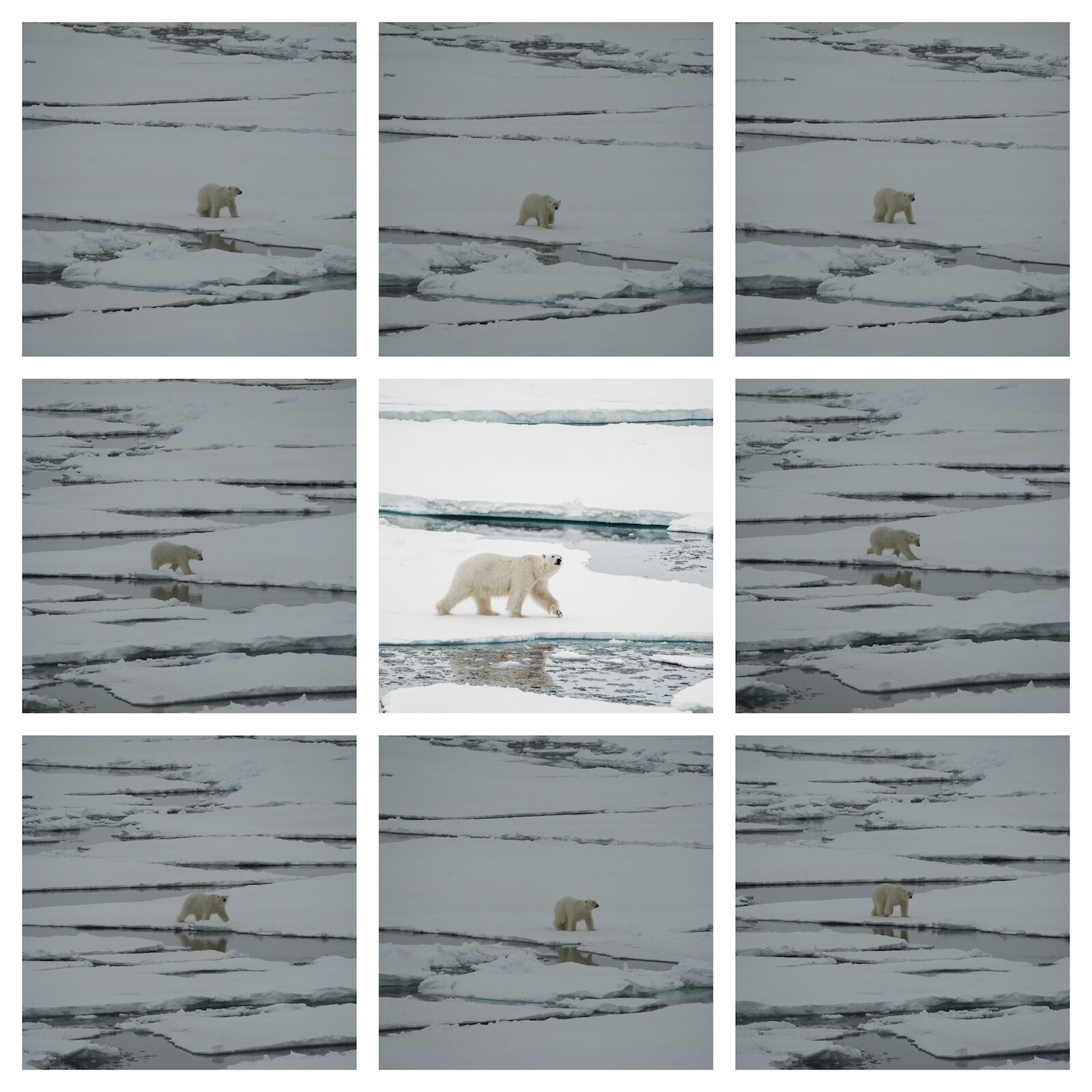
The initial step of the inflight workflow requires a strict culling phase. Photographers are advised to perform a first pass through their raw captures, selecting the single strongest image from a burst and immediately discarding the rest. While this initial pass may allow for a generous "maybe" pile, it routinely eliminates at least 50 percent of the total volume. Discarding poorly lit frames, severe blinks, and obstructed subjects on the plane prevents the accumulation of digital clutter that frequently overwhelms home storage systems.

2. Unified Sorting and Album Creation
Once the inferior frames are eliminated, the remaining assets must be consolidated. Travelers frequently capture imagery across multiple devices—smartphones, action cameras, and professional DSLRs or mirrorless bodies. During the flight, utilizing a portable memory card reader allows users to ingest all media onto a central laptop or tablet.
Organization should follow a standardized chronological and geographical framework, such as naming conventions combining the destination and the month of travel (e.g., "Oaxaca, March"). Grouping images into dedicated albums while the itinerary is fresh ensures that separate device libraries do not fragment the narrative of the journey. Assigning "star" ratings or favorites during this phase establishes a preliminary tier of elite imagery for later publishing or printing.
3. Contextual Metadata and Descriptive Filenaming
Metadata management is frequently cited as the most time-consuming phase of post-travel organization, yet it yields the highest long-term utility. While manual captioning or embedding comprehensive EXIF data can be tedious, adopting a simplified file-renaming strategy significantly enhances searchability.
Cloud storage platforms, including Google Photos and corporate digital asset management (DAM) systems, rely heavily on optical character recognition and file-name indexing. Renaming batch files with descriptive text—such as replacing generic serial numbers with identifiers like "Berner Alpkäse Swiss Cheese" or "Samburu Elephants"—enables instant retrieval through keyword searches months or years later. Incorporating precise geographical locations and proper nouns into file names guarantees long-term accessibility, insulating the archive against memory fade.
4. Redundant Backups: Safeguarding Unique Assets
Hardware failure, theft, and accidental deletion pose continuous threats to digital media. Relying solely on a primary device or a single memory card accumulated during a trip is a primary cause of catastrophic data loss.
The homeward flight provides the ideal duration-intensive block required for secure data transfer, particularly when handling massive RAW image files. Best practices dictate maintaining a physical portable solid-state drive (SSD) or hard drive within a carry-on piece of luggage rather than checked baggage. Executing a secondary copy-and-paste routine from the primary sorting folder to the external backup drive establishes data redundancy before the traveler crosses their home threshold.
5. Preliminary Editing and Public Engagement
If time permits after completing the foundational four steps, travelers can dedicate the remainder of the flight to light exposure adjustments, color grading, and cropping of selected highlight images. Preparing a curated subset of polished photographs allows travelers to share cohesive updates upon landing rather than dumping raw, unedited files onto social media platforms. Anecdotal reports from frequent flyers indicate that cabin crew members frequently observe these digital darkroom sessions, occasionally offering positive reinforcement that enhances the solitary in-flight workflow experience.
Technological Context and Industry Implications
The adoption of structured inflight workflows reflects a broader shift in how consumers and professionals manage the exponential growth of personal data. As sensor resolutions increase—with many smartphones now capturing 48-megapixel or higher images by default—device storage limits are tested more rapidly than ever before.
Data storage analysts point out that the average consumer underestimates the long-term energetic and financial costs of uncurated cloud storage. Storing thousands of redundant, blurry, or duplicate images consumes valuable server space, contributes to incremental cloud subscription fees, and increases the carbon footprint associated with data center cooling and maintenance. By culling and organizing data at the point of origin—specifically during transit—travelers actively reduce their digital waste footprint.
Furthermore, the rise of remote work and the "bleisure" travel market (combining business and leisure trips) has compressed the downtime available to modern professionals. When individuals transition immediately from a transcontinental flight back into an active corporate or freelance schedule, administrative tasks deferred until home arrival are frequently abandoned altogether. This phenomenon explains why millions of photographs remain trapped in unorganized digital purgatory, rarely viewed or appreciated after the initial trip.
Broader Impact on Personal Archiving and Mental Well-Being
Beyond mere digital hygiene, the practice of organizing travel media mid-transit offers psychological benefits. Reviewing photographs shortly after an experience concludes reinforces positive memories, aids in cognitive processing of new cultural encounters, and provides a sense of closure to the journey.
Psychologists note that the act of organizing physical or digital artifacts helps individuals integrate travel experiences into their broader life narratives. By transforming a chaotic mass of digital data into a structured, searchable chronicle, travelers create a lasting historical record that can be easily shared with family, utilized for professional portfolios, or revisited for personal fulfillment.
As commercial aviation continues to evolve—with airlines increasingly offering high-speed satellite Wi-Fi—the traditional isolation of the airplane cabin may eventually disappear, replaced by continuous connectivity. However, until uninterrupted digital access becomes universally ubiquitous and affordable at altitude, the homeward flight remains a rare, highly valuable sanctuary for digital organization. For the modern traveler willing to adopt a disciplined workflow, the journey home can be transformed from a period of passive waiting into an efficient, highly productive conclusion to any global adventure.
Related posts: