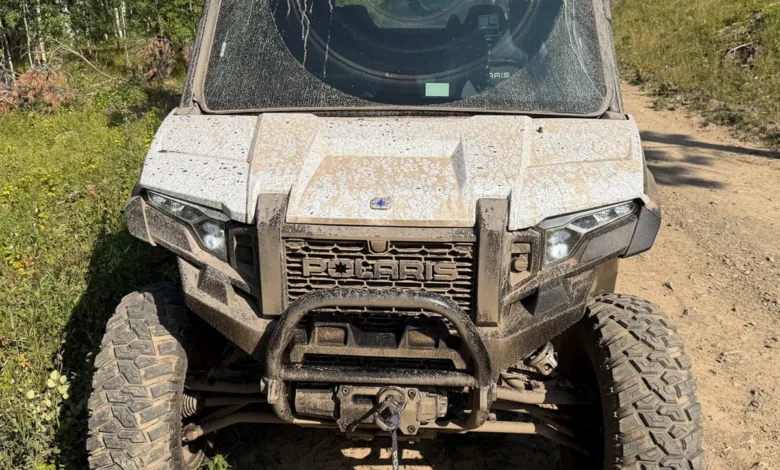
The landscape of recreational off-roading has undergone a significant transformation over the last decade, evolving from a niche pursuit for rugged enthusiasts into a sophisticated segment of the automotive market. On September 14, 2026, industry leader Polaris showcased the latest iteration of its flagship side-by-side (SxS) vehicle, the Xpedition, during a rigorous field test in South Dakota’s Black Hills National Forest. This latest model introduces the NUMATIX Controlled CVT transmission, a technical advancement aimed at mitigating the persistent issue of cabin noise—a historical hallmark of the SxS experience. With a starting MSRP of $40,499 for the two-seat XP model and a higher price point for the versatile five-seat ADV5, the vehicle positions itself at the premium end of the utility and adventure spectrum.
A New Benchmark in Off-Road Engineering
The fundamental challenge in designing an enclosed side-by-side has always been the compromise between mechanical capability and passenger comfort. Traditional SxS vehicles rely on continuously variable transmissions (CVT) that often necessitate high engine revolutions to maintain torque across varying elevations and technical terrain. This typically results in a pervasive, high-frequency drone that permeates the enclosed cabin, often forcing occupants to utilize hearing protection or shout to communicate.
The introduction of the NUMATIX system marks a departure from traditional mechanical clutch management. By utilizing precise air pressure to govern the clutch engagement, the system allows the engine to operate at more efficient, lower RPMs during cruising speeds. Polaris reports that this innovation reduces cabin noise by approximately 40 percent compared to preceding models. During field testing, the difference was quantified by the ability to utilize the vehicle’s integrated Bluetooth audio system at moderate volumes—a task previously rendered futile by engine interference.
Chronology and Development of the Platform
Polaris has been systematically refining the Xpedition line to bridge the gap between pure utility vehicles and lifestyle-oriented adventure platforms. The evolution of the Xpedition series can be traced through a multi-year development cycle focused on "adventure-ready" performance:
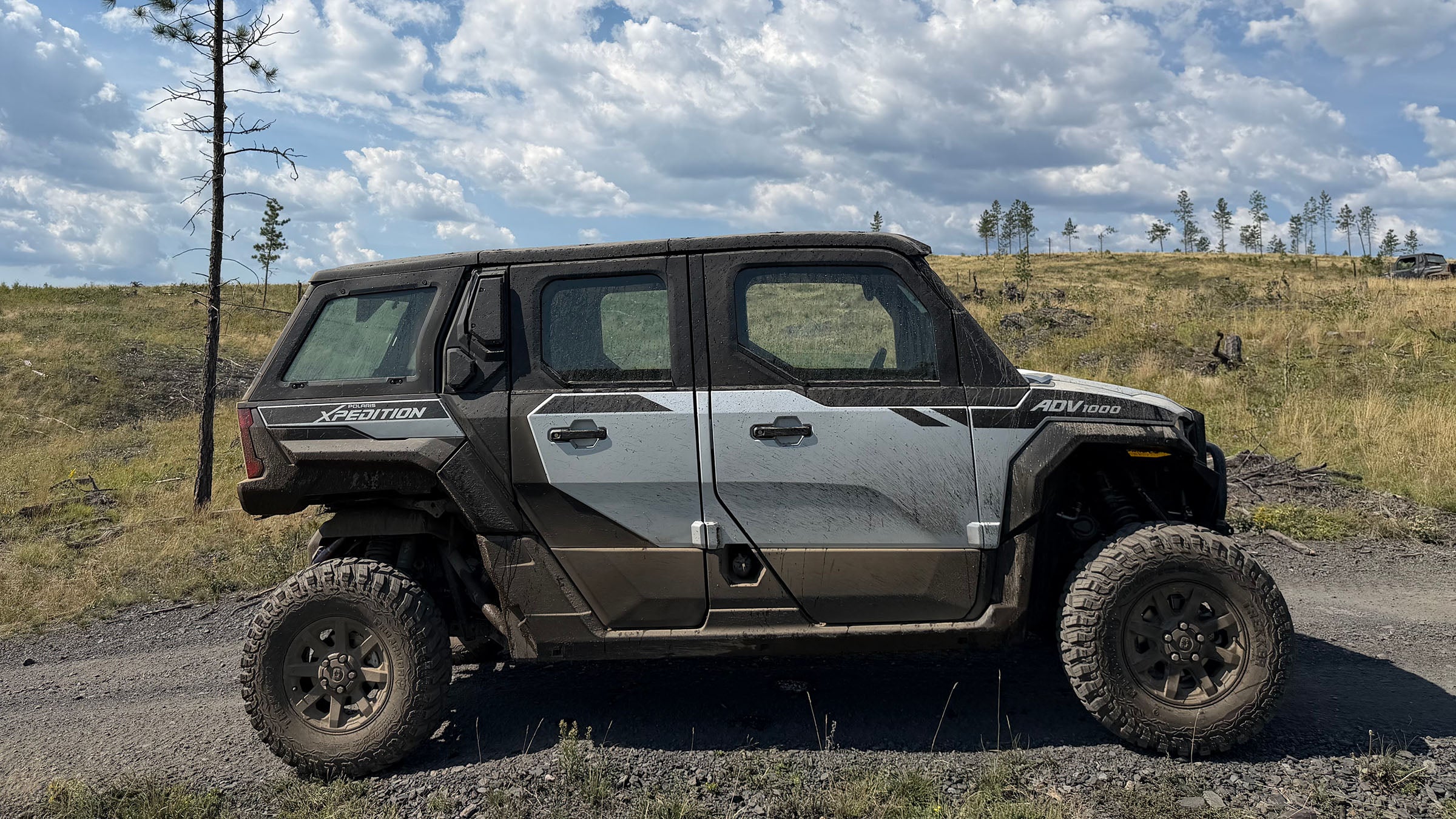
- 2023–2024: Initial launch of the Xpedition platform, focusing on modularity, enclosed climate-controlled cabs, and long-travel suspension.
- 2025: Market feedback highlighted that while performance and hauling capacity were superior, the auditory fatigue remained a significant hurdle for consumers using the vehicles for extended backcountry expeditions.
- September 2026: Official release of the NUMATIX-equipped Xpedition, signaling a pivot toward "luxury-adventure" where the sensory experience of the cabin is prioritized alongside off-road prowess.
The testing in the Black Hills provided a controlled environment to evaluate the vehicle’s reaction to extreme shifts in weather. A rapid transition from dry dirt paths to mud-slicked rock gardens during a sudden hailstorm served as a stress test for both the chassis and the new transmission’s ability to maintain power delivery without excessive strain.
Performance Metrics and Technical Specifications
The Xpedition is powered by a 999cc engine, generating 114 horsepower. While this engine configuration is standard for high-performance off-roaders, the integration of the NUMATIX transmission changes how that power is delivered to the ground.
For comparison, the specialized Polaris RZR Pro R4 utilizes a larger 1,997cc engine to achieve similar horsepower levels, indicating that the Xpedition is optimized for sustained torque and efficiency rather than raw, high-speed racing acceleration. With 14 inches of ground clearance, the vehicle is engineered to navigate moderate to advanced technical obstacles that would pose significant challenges to traditional light-duty trucks or stock SUVs.
The ADV5 model, which serves as the primary hauler in the lineup, includes an enclosed rear cargo area measuring 36 inches in length, 47 inches in width, and 13 inches in height. This configuration allows for the secure transport of camping equipment, coolers, and recovery gear, effectively turning the vehicle into a self-contained mobile basecamp.
Industry Implications and Market Positioning
The rise of the "lifestyle side-by-side" has created a demographic shift in ownership. In regions where local ordinances allow for the legal operation of SxS vehicles on public roads—such as parts of Utah, Arizona, and select rural counties in North Carolina—the Xpedition is increasingly filling the role of a secondary or even primary vehicle.
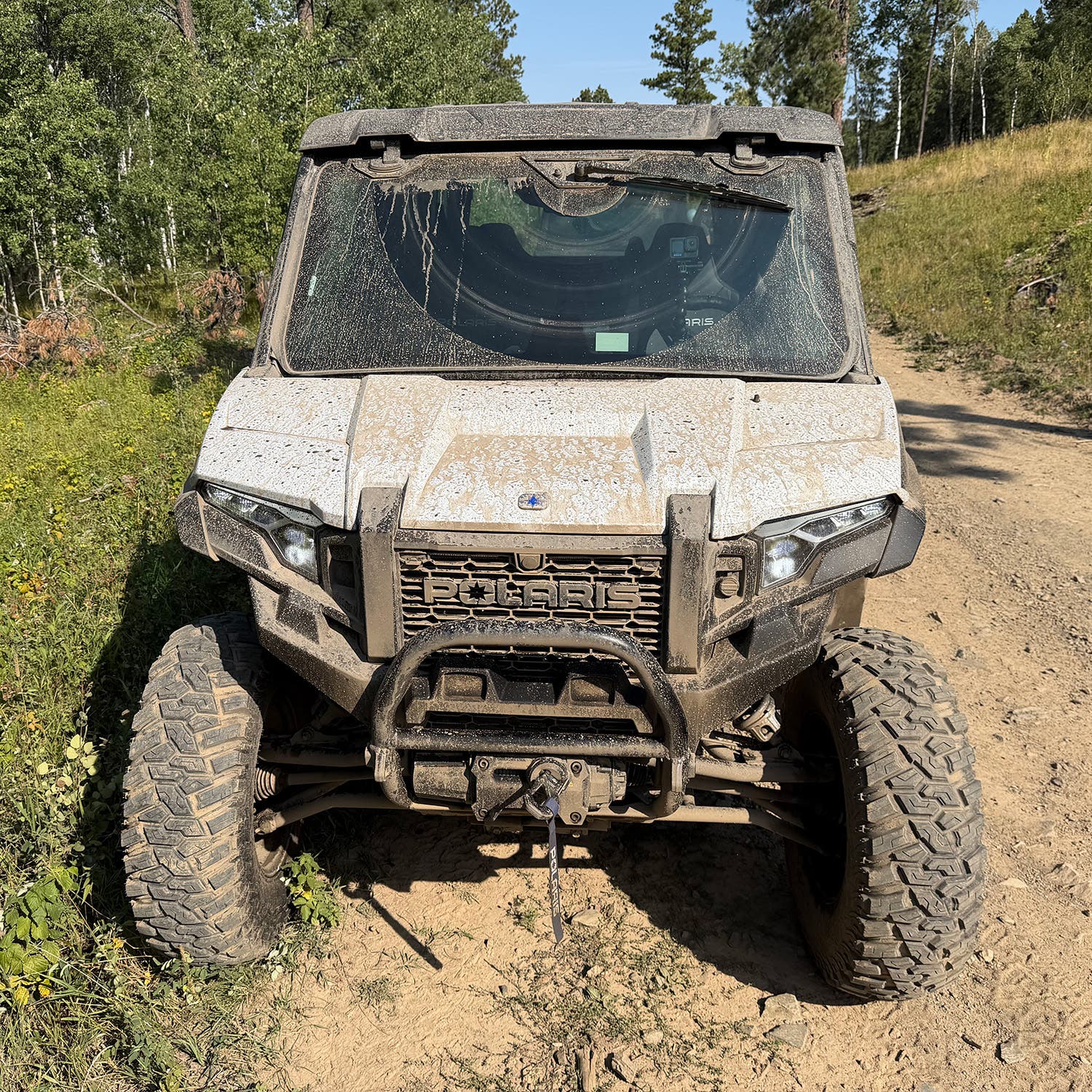
Analysts note that the premium pricing—starting at over $40,000—places the Xpedition in direct competition with entry-level and mid-range used off-road trucks. However, the Xpedition offers a distinct advantage: access. The vehicle’s narrower wheelbase and superior maneuverability allow it to navigate tight forest trails, narrow canyon passes, and technical rock crawls that are physically impossible for a standard 4Runner or Jeep to traverse.
The inclusion of climate control, infotainment systems, and now, significant noise reduction, suggests that Polaris is targeting a demographic that views off-roading as a weekend excursion rather than an endurance sport. By lowering the barrier of entry—specifically the physical toll of noise and vibration—Polaris is expanding the potential user base to include families and older demographics who previously avoided the category due to its "rough-around-the-edges" nature.
Analysis of Technical Limitations
Despite the advancements, the Xpedition remains a specialized tool. It is not designed to replace the utility of a full-size pickup truck for daily commuting or heavy towing. Furthermore, the reliance on high-tech transmission components like the NUMATIX system introduces a new layer of mechanical complexity. While the system improves comfort, long-term durability in extreme environments—such as high-heat desert climates or sub-zero mountain conditions—will be the next test for the platform.
From a regulatory standpoint, the growth of this market segment continues to face scrutiny regarding trail access and environmental impact. As these vehicles become more capable and more popular, land management agencies in areas like the Black Hills are tasked with balancing the increased demand for trail use with the preservation of natural resources.
Conclusion
The 2026 Polaris Xpedition represents a mature evolution of the side-by-side category. By addressing the primary complaint of cabin noise through the NUMATIX system, Polaris has successfully transitioned the vehicle from a utilitarian machine to a more refined tool for outdoor exploration. Whether for weekend camping trips or navigating deep backcountry terrain, the Xpedition offers a balance of accessibility and performance that underscores the changing expectations of the modern off-road enthusiast. As the technology trickles down into other models, it is likely that the "quiet off-road" experience will become the new industry standard, potentially altering how public lands and trails are utilized for recreational purposes in the coming years.
Related posts: