The Ultimate Five-Day Guide to Navigating the Culture, History, and Culinary Landscape of Madrid


Madrid, the sprawling capital of Spain, serves as the administrative, financial, and cultural nucleus of the Iberian Peninsula. Home to approximately 3.5 million residents and attracting over 10 million international and domestic tourists annually, the city represents a unique intersection of Hapsburg-era architecture, a world-renowned fine arts circuit, and a modern, high-intensity lifestyle. As Spain’s largest city, Madrid has evolved from a medieval fortress into a global metropolitan hub that functions on a distinct, delayed schedule—a cultural rhythm characterized by late-evening dining and a vibrant nocturnal economy.
The Evolution of the Capital
Madrid’s rise to prominence began in 1561 when King Philip II moved the royal court from Toledo to this central plateau. This transition fundamentally altered the city’s trajectory, leading to the development of the "Habsburg Madrid" (Madrid de los Austrias) district, which remains a focal point for modern urban planning and tourism. Over the centuries, the city has navigated the transition from an imperial center to a modern democratic capital, preserving its heritage through extensive museum collections and the careful maintenance of its historic urban core.
Day 1: A Deep Dive into the Golden Triangle of Art
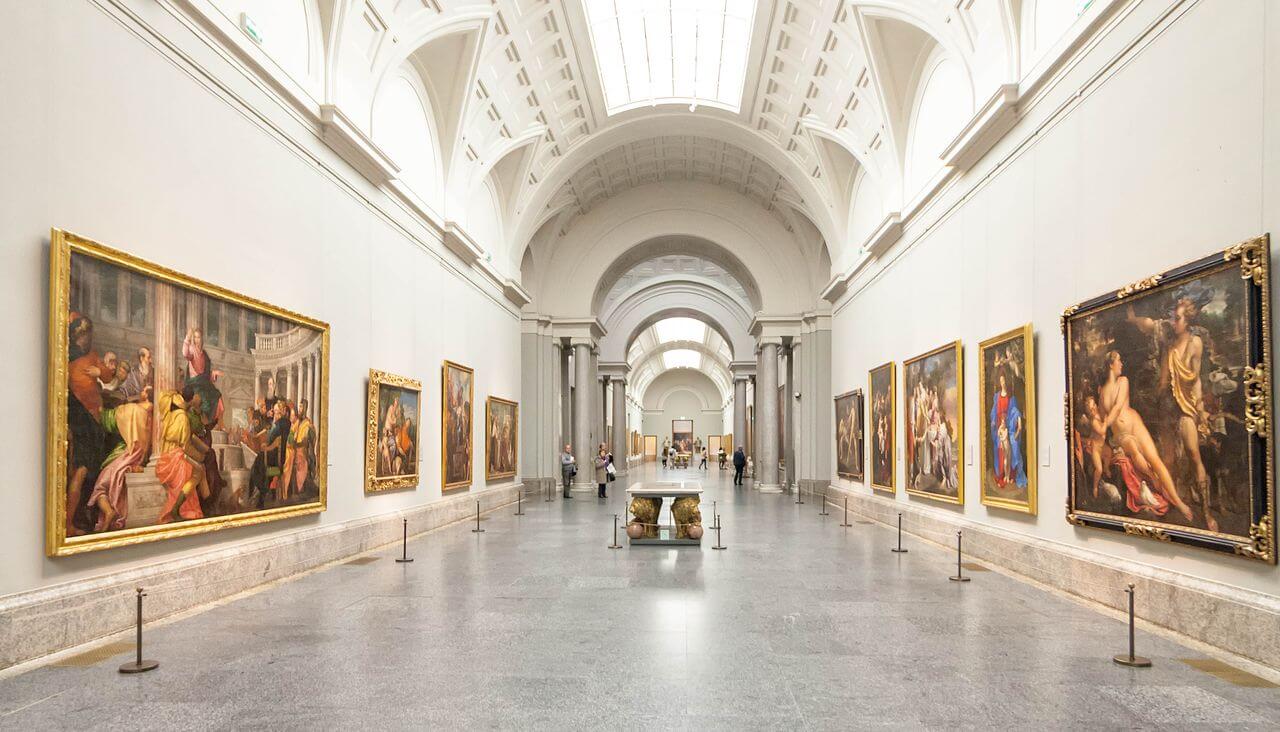
The city’s cultural heart is anchored by the "Paseo del Arte," a UNESCO World Heritage-designated corridor featuring one of the highest concentrations of fine art in the world. The journey begins at the Prado Museum, a global leader in art preservation housing thousands of works by European masters including Velázquez, Goya, and El Greco.
The art walk continues toward the Thyssen-Bornemisza Museum, which offers a comprehensive chronological survey of European art history, and concludes at the Reina Sofía National Art Center. The latter is renowned for its collection of 20th-century masterpieces, most notably Pablo Picasso’s Guernica, a 1937 mural-sized oil painting that serves as an enduring symbol of the human cost of conflict. Beyond these institutions, the city is home to unique "house museums," such as the Sorolla Museum, which provides an intimate look at the life and work of Joaquín Sorolla, often referred to as the "painter of light."
Day 2: The Architectural Legacy of the Habsburgs
The second day of a structured exploration shifts focus to the historic center, centered on the Puerta del Sol. This plaza serves as the "Kilometer Zero" point for Spain’s radial road network, functioning as the symbolic center of the nation. Adjacent to the plaza stands the statue of the Bear and the Strawberry Tree, an emblem of the city’s coat of arms that dates back to the 13th century.
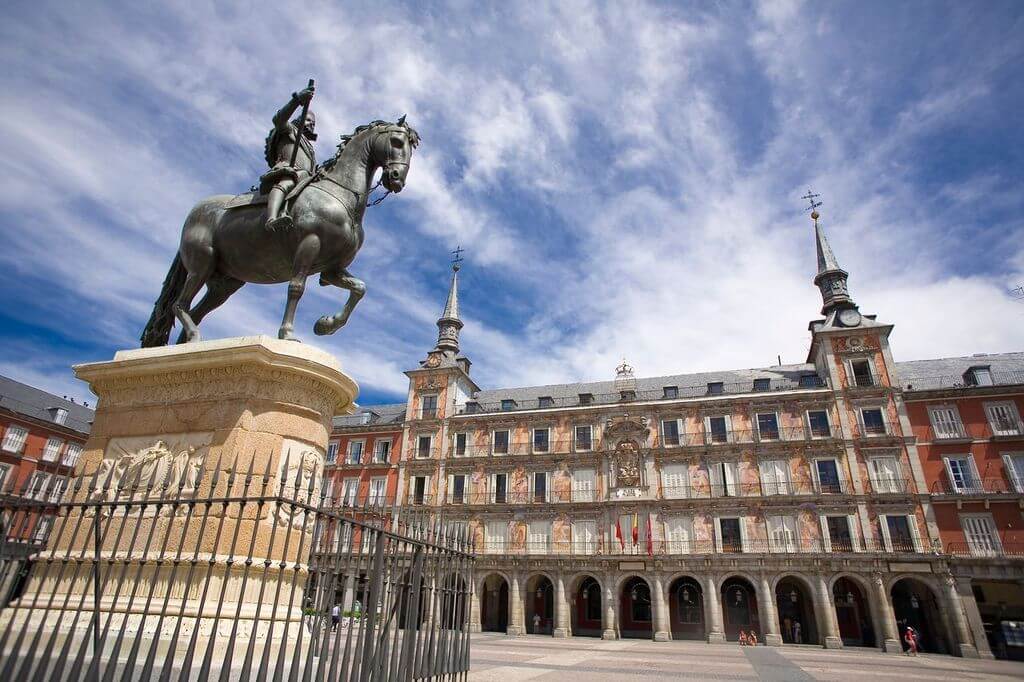
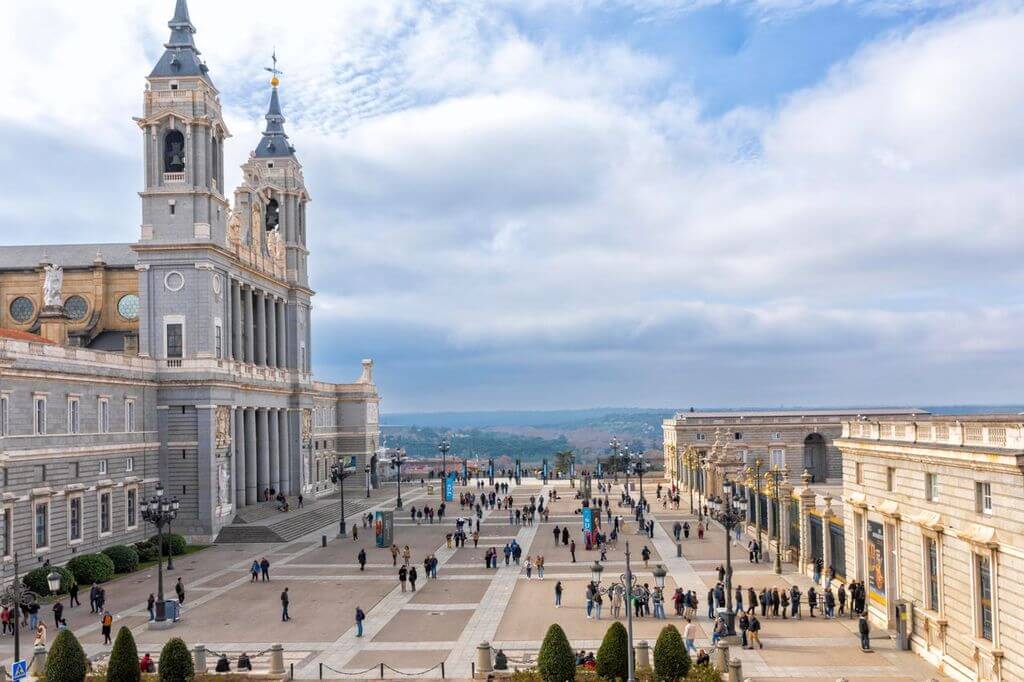
A short walk leads to the Plaza Mayor, a 17th-century architectural masterpiece that has served as a theater for public events, ranging from traditional markets to historical autos-da-fé during the Spanish Inquisition. The tour of the historic center is incomplete without visiting the Royal Palace of Madrid. As the largest royal palace in Western Europe by floor area, it boasts 3,400 rooms. While no longer the primary residence of the Spanish monarchy—who occupy the more modest Palace of Zarzuela—the site remains the venue for official state ceremonies and is maintained as a monument to the grandeur of the Bourbon dynasty.
Day 3: Analyzing Madrid’s Culinary and Economic Landscape
Madrid’s food culture is a significant driver of its local economy, with the hospitality sector contributing substantially to the city’s GDP. Gastronomic markets, such as the Mercado de San Miguel, reflect a shift in urban dining where traditional local commerce meets the high-end tourism industry.
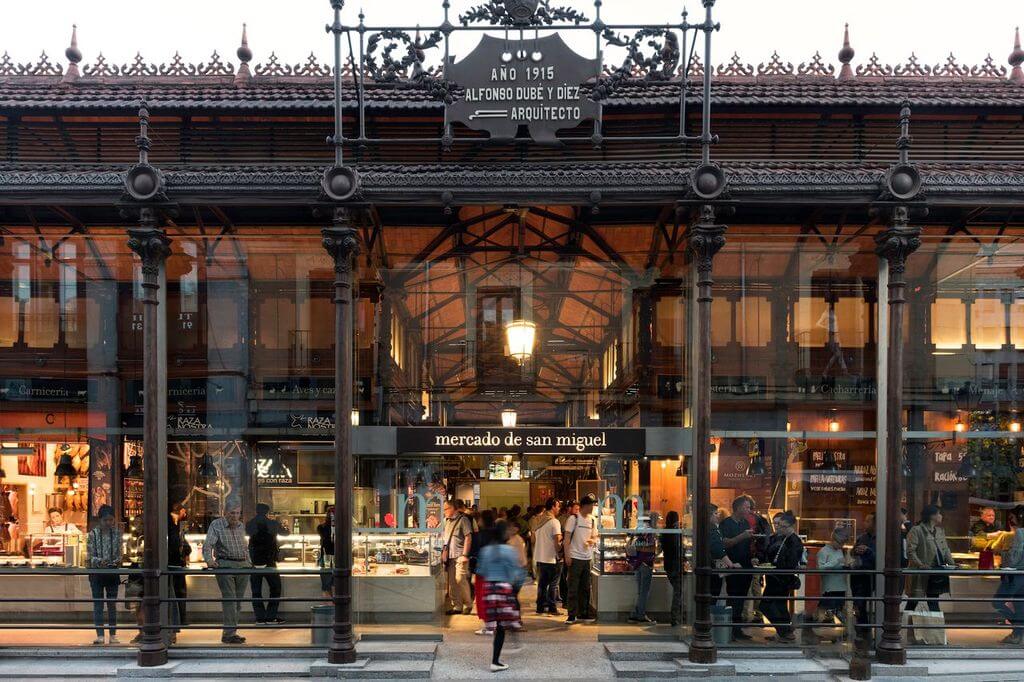
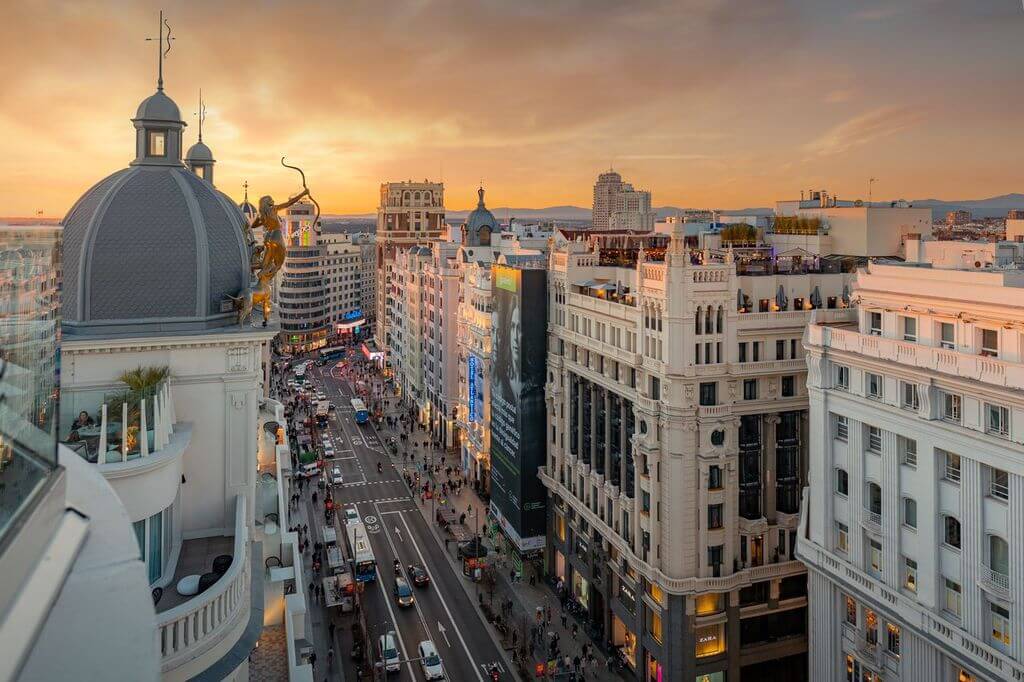
Beyond the market scene, the city maintains historic institutions like Sobrino de Botín, recognized by the Guinness World Records as the world’s oldest continuously operating restaurant, having opened its doors in 1725. The city’s culinary scene has recently diversified to accommodate global trends, with a notable increase in plant-based and vegan offerings in neighborhoods such as Malasaña, signaling a shift in the local diet that mirrors broader European sustainability initiatives. The rooftop culture of the Gran Vía, characterized by high-altitude venues like the RIU 360-degree sky bar, represents the modern commercialization of the city’s skyline, offering panoramic views that have become a hallmark of Madrid’s marketing to international visitors.
Day 4: UNESCO World Heritage and Regional Connectivity
Madrid’s status as a gateway to Spanish history is reinforced by its proximity to several UNESCO World Heritage sites. The Monastery of San Lorenzo de El Escorial, located approximately 45 kilometers from the city center, stands as a testament to the ideological and political ambitions of Philip II. Its austere, granite design represents the Counter-Reformation era.
Similarly, the Royal Palace and Gardens of Aranjuez provide insight into the leisure habits of the Spanish royal family, utilizing a design influenced by French Baroque landscape architecture. The city of Alcalá de Henares, just 45 minutes from the capital, provides a further dimension of cultural context. As the birthplace of Miguel de Cervantes, the city is a living monument to the Spanish Golden Age. These sites are essential for understanding the administrative and cultural development of Spain beyond the capital’s borders.
Day 5: Hidden Treasures and Urban Planning
The final phase of a five-day itinerary focuses on the lesser-visited, yet historically significant, cloisters of Madrid, such as the Monastery of Las Descalzas Reales and the Royal Monastery of La Encarnación. These institutions house extensive collections of art and religious relics, reflecting the patronage of the Habsburg queens who often retired to these convents.
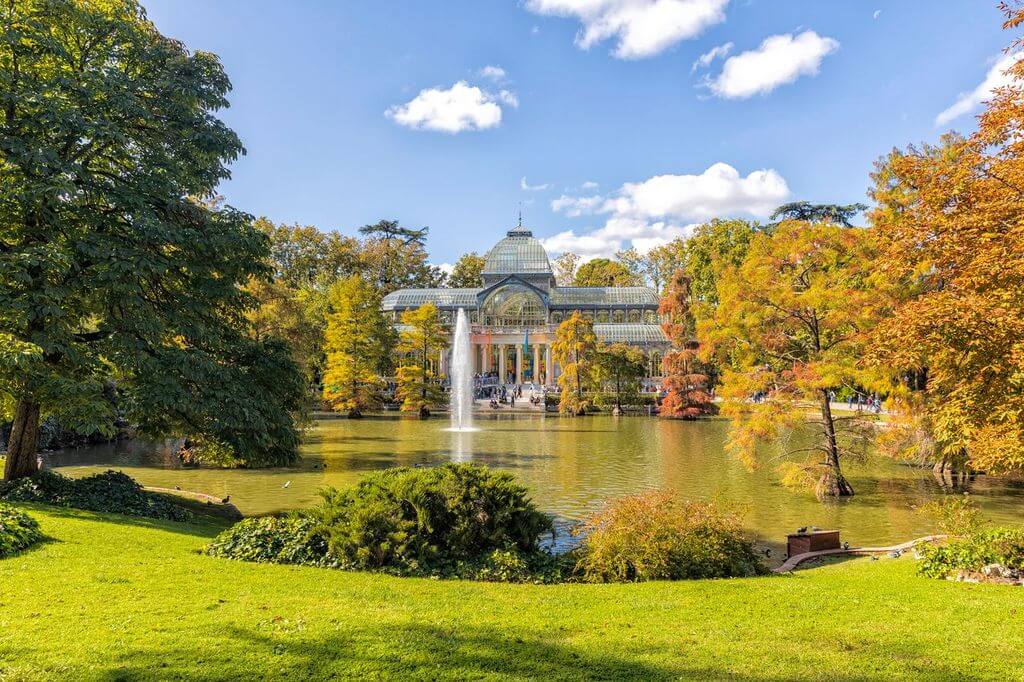
The itinerary concludes at the Casa de Campo, a 1,722-hectare public park that was once a royal hunting ground. Opened to the public in 1931, the park serves as a critical "green lung" for the city. Its development and maintenance illustrate the ongoing efforts of the Madrid City Council to balance urban density with environmental preservation. The lakefront views of the Royal Palace from this vantage point provide a perspective on the city’s urban layout, demonstrating how the royal legacy remains physically integrated into the daily life of modern residents.
Implications for Future Tourism
The continued appeal of Madrid rests on its ability to integrate its deep historical narrative with the demands of a modern globalized city. While competition for European tourist expenditure is high, particularly with rivals like Barcelona and Lisbon, Madrid’s investment in cultural infrastructure—such as the 2026 renovation of the Sorolla Museum—indicates a strategic move to maintain its position as a top-tier destination.
For the prospective visitor, the city offers a stable, well-connected, and culturally dense experience. Navigating the city effectively requires an understanding of its specific social rhythms, particularly the late-day schedules. As the city continues to host millions, the challenge for local authorities will remain the management of the "Landscape of Light" UNESCO site, ensuring that the influx of tourism does not diminish the residential quality of life in the historic center. By prioritizing both iconic landmarks and secondary historical sites, the city ensures a balanced distribution of visitors, sustaining its economic health while preserving its identity as the beating heart of the Spanish state.