Organized Crime and Environmental Devastation Converge Along the BR-319 Highway in the Brazilian Amazon

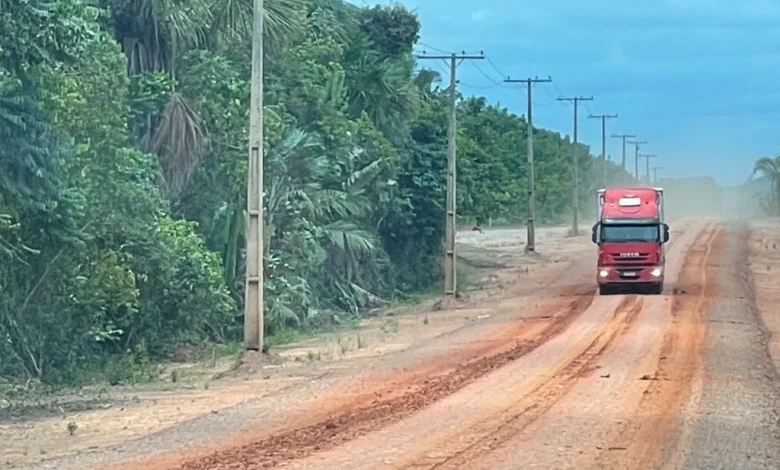
The sprawling, verdant expanse of the Brazilian Amazon, often referred to as the "lungs of the planet," is currently facing a silent but lethal encroachment. According to a comprehensive new study led by researcher Lucas Ferrante of the University of São Paulo (USP), large swaths of forest surrounding the BR-319 highway have been effectively colonized by criminal syndicates. These organizations, which operate with a sophisticated blend of land grabbing, illegal logging, and unauthorized gold mining, are utilizing the highway as a strategic artery to facilitate their operations. As the federal government pushes forward with infrastructure improvements on this historically contentious route, experts warn that the region is transitioning from a wilderness frontier into a consolidated hub for environmental crime and systemic lawlessness.
The Historical Context of the BR-319
Constructed in the 1970s during the height of Brazil’s military dictatorship, the BR-319 highway was designed to connect Manaus, the capital of Amazonas state, with Porto Velho in Rondônia. The project was intended to integrate the remote northern Amazon into the national economy. However, the road was poorly engineered, crossing terrain prone to flooding and dense rainforest, leading to its rapid deterioration. By 1998, the highway had largely fallen into disrepair, becoming nearly impassable during the rainy season.
For decades, the road remained a symbol of failed development. However, the political landscape shifted in 2015 when then-President Dilma Rousseff authorized the first phase of maintenance work. This decision sparked a renewed interest in the land surrounding the highway. Under the subsequent administration of Jair Bolsonaro, rhetoric regarding the road turned into a promise of full paving and modernization. This political signal triggered an immediate wave of land speculation, as speculators and criminal actors moved into the area, anticipating that an improved road would exponentially increase the value of stolen public land.
A Chronology of Escalation
The evolution of the BR-319 from an abandoned thoroughfare to a criminal corridor can be tracked through key regulatory and political milestones:
- 1970s: The BR-319 is constructed as a strategic military and economic link across the Amazon basin.
- 1998: The highway is effectively abandoned due to persistent maintenance failures and environmental challenges, limiting human access to the deep interior.
- 2015: President Dilma Rousseff initiates maintenance works, signaling a reversal of the abandonment policy and triggering initial land clearing.
- 2019-2022: The Bolsonaro administration prioritizes the paving of the road, leading to a surge in deforestation and the formalization of illegal cattle ranches.
- April 2026: The administration of President Luiz Inácio Lula da Silva bypasses traditional environmental licensing requirements by utilizing a specific legal loophole to advance construction bids.
- September 2026: Recognizing the environmental risk, the federal government designates 668,000 hectares of sustainable development reserves near the highway, though critics argue this is insufficient to counter the existing criminal infrastructure.
The Convergence of Illicit Economies
The research conducted by Ferrante and his team at the Center for Research on Biodiversity and Climate Change (CBioClima) highlights a troubling synergy between different forms of illicit activity. The study, which utilized satellite imagery, government cattle trading documents, and five distinct field expeditions, found that the highway is no longer just a road; it is a nexus for money laundering.
In the Amazonian context, cattle ranching serves as an ideal mechanism for legitimizing funds derived from drug trafficking and illegal gold mining. By registering ranches on illegally seized land—a process known in Brazil as grilagem—criminal organizations can "launder" their illegal profits through the sale of beef, which then enters the broader supply chain.
"This region is becoming a hub of large farms controlled by organized crime," Ferrante explained in a recent briefing. The evidence of this violence is not merely statistical. During one field expedition, the research team discovered the body of a farm worker along an illegal side road, a grim testament to the territorial disputes and human rights abuses that now characterize the area.

Supporting Data and Field Observations
The scale of the degradation is difficult to overstate. While the government has proposed mitigation measures, including three environmental checkpoints and 170 wildlife crossings, the physical reality on the ground suggests these efforts are vastly inadequate.
Ferrante’s study notes that for every kilometer of the official BR-319 highway, there are now six kilometers of illegal, unofficial access roads carved into the forest by land grabbers. These side roads allow for the extraction of timber and the transport of heavy machinery for gold mining, all while evading the few existing federal monitoring stations. Ferrante estimates that to effectively police the area, the government would need at least 28 permanent, highly functional checkpoints—a level of enforcement that is currently absent.
Satellite data confirms that the rate of deforestation has spiked in direct correlation with road maintenance activities. The forest fragmentation caused by these illegal side roads creates an "edge effect," where the integrity of the ecosystem is compromised far beyond the actual cleared area, increasing the risk of forest fires and biodiversity loss.
Official Responses and Mitigation Efforts
The current administration under President Lula da Silva faces a complex dilemma. The government maintains that the paving of the BR-319 is essential for the logistical sovereignty of Manaus, providing a necessary alternative to the river and air transport that currently dictates the cost of living in the region.
To mitigate the environmental impact, the government has created four new sustainable development reserves covering 1.65 million acres. These zones are intended to provide a buffer against the encroachment of ranching and logging. Additionally, the government has allocated significant funding for environmental monitoring. However, environmentalists argue that these measures are reactive rather than proactive. By moving forward with the paving of the highway, the administration is effectively opening a "Pandora’s box," where the infrastructure will invite more crime than the proposed checkpoints can possibly contain.
Broader Implications and Tipping Points
The implications of the BR-319 project extend well beyond the borders of Amazonas state. Scientists, including climate modelers, have warned that the Amazon is approaching a "tipping point." If a certain percentage of the forest is lost, the region will lose its ability to generate its own rainfall, triggering a irreversible transition from a tropical rainforest to a dry savannah.
The BR-319, if fully modernized without rigorous, iron-clad enforcement, would act as a primary catalyst for this transition. By providing access to the "heart" of the Amazon, the road facilitates the rapid conversion of primary forest into pasture. If the current trajectory of organized crime dominance continues, the infrastructure improvements could inadvertently subsidize the destruction of the very ecosystem they are meant to sustain.
The study concludes with a stern recommendation: the federal government must reassess, if not entirely revoke, the licenses that enable the expansion of the highway. As it stands, the combination of current governance limitations and the sophisticated nature of the organized crime syndicates operating along the route suggests that the "high-risk corridor" will only continue to consolidate. Without a fundamental shift in how Brazil manages its frontier infrastructure, the BR-319 risks becoming a permanent monument to the loss of one of the world’s most critical natural assets, proving that in the Amazon, a road is never just a road—it is the beginning of an ecological and social transformation that may prove impossible to reverse.