Mozambique formally protects Mount Mabu as a community-led sanctuary for unique biodiversity

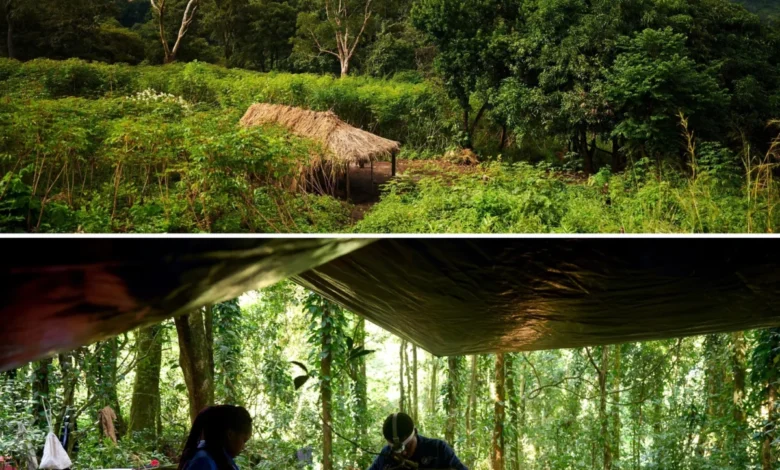
In a landmark decision for African conservation, the Mozambican Ministry of Agriculture, Environment and Fisheries officially designated the 9,341-hectare (23,082-acre) Mount Mabu Community Conservation Area on August 24. Located in the Lugela district of northern Mozambique, this sprawling mid-altitude rainforest represents one of the most significant ecological discoveries of the 21st century. By granting land stewardship to the local communities who have served as the forest’s traditional guardians for generations, the government has created a legal framework that prioritizes both environmental preservation and the cultural rights of those who reside in the shadow of the mountain.
The protection of Mount Mabu is the culmination of two decades of intensive biological surveys and advocacy. The area, which houses the largest continuous block of medium-altitude forest remaining in southern Africa, has long been recognized by the scientific community as an irreplaceable reservoir of biodiversity. With its steep, rugged ridges and deep, secluded valleys, the mountain acts as a biological island, fostering microclimates that have allowed endemic species to evolve in isolation for millions of years.

A Chronology of Discovery and Conservation
The journey toward formal protection began in earnest in 2005, when British ecologist Julian Bayliss and his research teams began conducting systematic biological surveys of the forest. Prior to these expeditions, the remote nature of the terrain and the political instability of the region had kept the forest largely hidden from the global scientific gaze.
- 2005–2008: Initial surveys reveal an extraordinary density of endemic species, leading to the discovery of new taxa, including the Mount Mabu forest viper (Atheris mabuensis), which was formally described in 2009 after Dr. Bayliss famously encountered the reptile under a pile of leaf litter.
- 2008: A research expedition discovers a previously unknown cobalt-blue butterfly, later identified as Iolaus mabuensis.
- 2013: Naturalist David Attenborough highlights the mountain’s unique “hilltopping” phenomenon—where hundreds of butterfly species congregate at the 1,700-meter summit to mate—cementing the area’s reputation as a global “butterfly forest.”
- 2014–2023: A decade of sustained lobbying, environmental mapping, and community engagement efforts, supported by organizations such as ReGeCom, works to align the interests of regional authorities with the traditional practices of local inhabitants.
- 2024: The formal gazetting of the conservation area occurs on August 24, legally securing the land for sustainable management.
Biological Significance and Endemism
The ecological value of Mount Mabu is difficult to overstate. Scientists have cataloged more than 200 species of butterflies, with researchers estimating that this number could climb to 250 as surveys continue. This high level of butterfly diversity is a proxy for the broader health of the ecosystem. Since the mid-2000s, over 30 new species—ranging from amphibians and reptiles to bats and insects—have been identified within the canopy and floor of the Mabu forest.
The forest’s structural complexity, characterized by high-altitude canopy layers and humid valleys, provides niche environments that support species found nowhere else on Earth. The recent discovery of the cobalt-blue butterfly (Iolaus mabuensis) serves as a reminder that even in the modern era, high-altitude rainforests like Mabu harbor hidden, uncatalogued treasures. For researchers, the site is a living laboratory of evolutionary biology, offering insights into how species adapt to stable, isolated climatic conditions over geological timeframes.

Community Stewardship as a Conservation Model
Unlike traditional “fortress conservation” models, which often exclude local populations from protected zones, the Mount Mabu decree explicitly centers the role of the local community. The stewardship model recognizes that the forest has remained intact largely because of the cultural taboos and traditional practices of the local residents, who have treated the mountain as a sacred space.
José Monteiro, executive director of ReGeCom, emphasized that the new status is a formal acknowledgment of the community’s historical contribution to conservation. "All of this effort is a recognition of the community that protected the forest," Monteiro stated. "The community, over a long time, kept the forest standing."
Under the current decree, the land is designated for the protection and sustainable use of natural resources. While a comprehensive management plan is still being finalized, the emphasis remains on empowering residents to oversee the area, ensuring that any human activity within the buffer zones is compatible with the survival of the forest’s delicate biodiversity. This approach is increasingly viewed by international conservation bodies as the most effective way to protect African rainforests, as it aligns ecological health with the economic and social stability of the local population.

Threats and Future Challenges
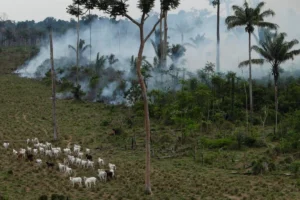
Despite the recent legal victory, the Mount Mabu forest remains vulnerable to anthropogenic pressures. The primary threats identified in the 2024 conservation proposal include the encroachment of small-scale subsistence agriculture and localized logging. As the population in the Lugela district grows, the pressure to expand farmland into the fertile slopes of the mountain could intensify.
Furthermore, the impact of climate change on high-altitude microclimates is a growing concern for ecologists. Because many of the species in Mount Mabu are highly specialized and restricted to narrow environmental ranges, even slight shifts in rainfall or temperature patterns could threaten their survival. The formal protection of the area is, therefore, not just a matter of preventing deforestation, but also a critical step in establishing the resilience of the ecosystem against a changing global climate.
Implications for Regional Biodiversity Policy
The protection of Mount Mabu sets a significant precedent for Mozambique’s environmental policy. By codifying the protection of a site that is both a biodiversity hotspot and a center for indigenous cultural heritage, the Mozambican government has signaled a commitment to international conservation targets, such as the Kunming-Montreal Global Biodiversity Framework.

The success of the Mount Mabu model suggests that future conservation efforts in southern Africa should focus on identifying similar “sky islands”—isolated mountain ranges that serve as refugia for ancient species. The collaboration between the Ministry of Agriculture, Environment and Fisheries, international scientists, and local grassroots organizations provides a blueprint for how other high-value, high-risk ecosystems might be secured.
As the community management plan nears finalization, the international scientific community continues to monitor the site with interest. The hope is that by providing legal standing to the community, the forest will not only be shielded from large-scale industrial destruction but will also become a center for sustainable research and ecotourism.
For now, the “butterfly forest” remains a testament to the power of long-term scientific advocacy and community resilience. As Dr. Julian Bayliss noted upon the announcement of the decree, the protection is a “great relief,” marking the end of a long period of uncertainty for one of Africa’s most precious, yet vulnerable, ecological treasures. The challenge moving forward will be to balance the practical needs of the local community with the absolute requirement to keep the core of this unique forest untouched by the encroaching pressures of a developing world.