Discovering the Soul of Barbados: A Comprehensive Review of the Newly Opened Royalton Vessence Barbados and Island Culture

The sun-drenched coastal route from Grantley Adams International Airport to the island’s newest luxury property sets an immediate tone for what makes the easternmost Caribbean island a standout destination. For travelers making the journey, the initial introduction to Barbados is defined less by commercial billboards and more by the organic narratives shared by local drivers. Tales of a robust national education system—which funds citizens from preschool through university—and stories celebrating cultural icons like pop superstar Rihanna, whose childhood home on Rihanna Drive remains a local landmark, establish a strong sense of community pride before visitors even step foot inside a hotel lobby.
This deeply rooted hospitality and civic pride form the connective tissue of the Barbadian tourism experience. Across the island, the sentiment among hoteliers, tour operators, and public sector workers centers on a collective desire to share the island’s heritage authentically. It was against this cultural backdrop that the newly opened Royalton Vessence Barbados welcomed its early waves of international guests, blending modern all-inclusive luxury with immersive access to the destination’s rich geographic and historical landscape.
Architectural Integration and Arrival Logistics
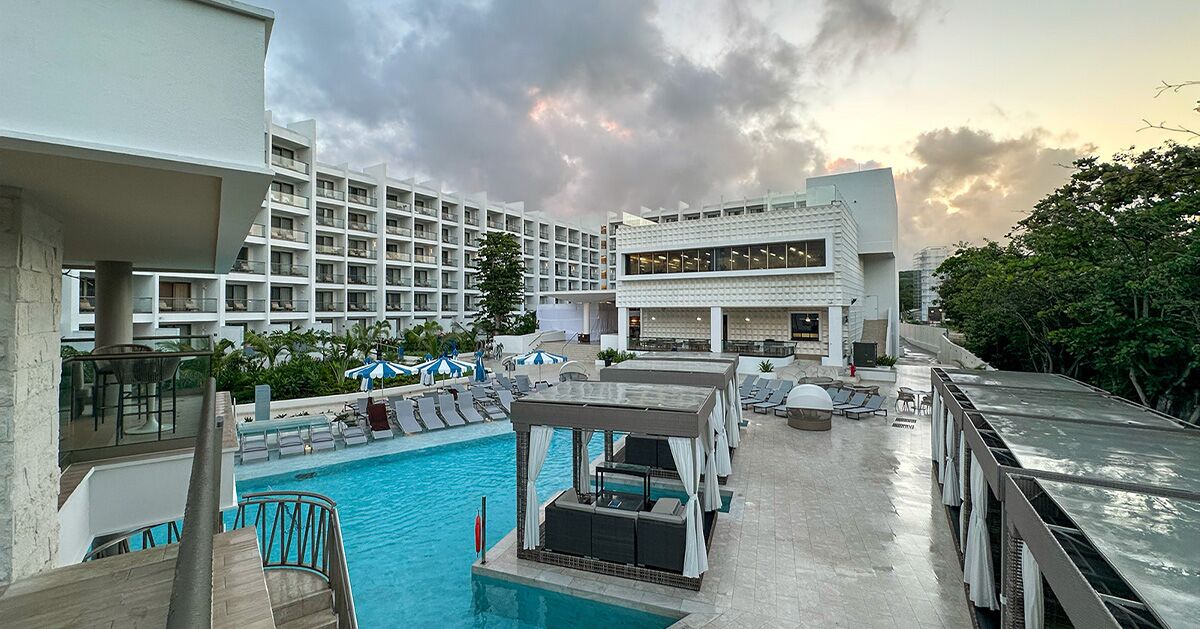
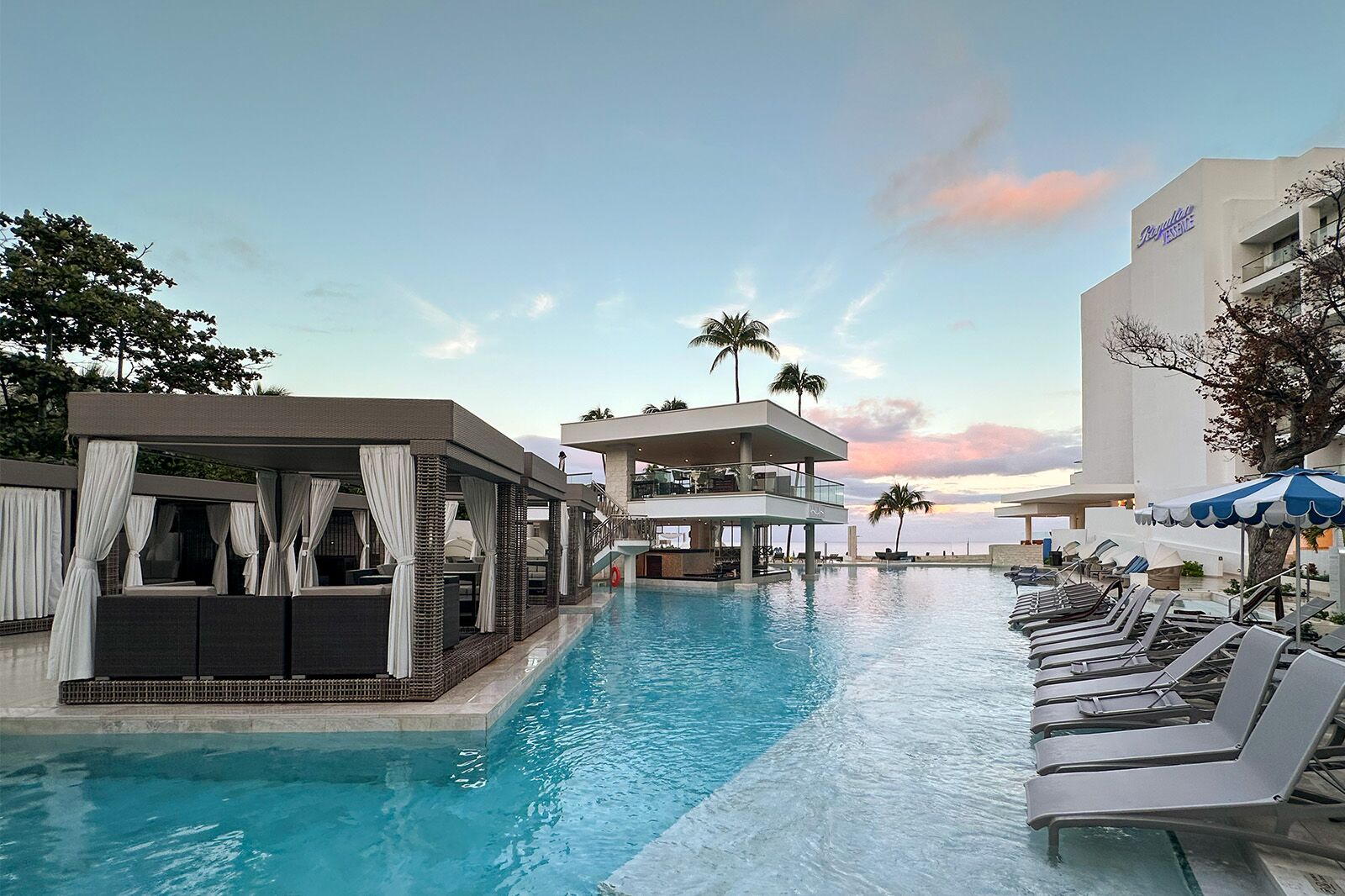
Situated on a prime stretch of coastline known for its high-profile neighbors, including Rihanna’s private estate, the Royalton Vessence Barbados represents a significant addition to the island’s upscale hospitality portfolio. The property’s striking, all-white contemporary facade contrasts sharply against the turquoise waters of the Caribbean Sea and the pristine white sands that border the grounds. Because Barbadian law mandates that all beaches remain public, the resort’s direct threshold onto the sand offers a distinct architectural advantage, providing guests with seamless access to the coastline while maintaining an exclusive resort atmosphere.
Upon arrival, guests are integrated into the resort’s digital ecosystem via a scannable wristband that governs access to amenities across the property. For those occupying higher-tier accommodations, such as the swim-out junior suites, service is augmented by a dedicated butler team accessible around the clock via encrypted messaging applications like WhatsApp. This concierge model manages multifaceted itineraries, ranging from on-property dining reservations to off-site spa bookings and external transportation logistics.
Wellness Infrastructure and Innovative Resort Amenities
The resort layout is strategically divided to accommodate both restorative seclusion and vibrant socialization. Water features dominate the landscape, highlighted by a ground-level pool complete with a swim-up bar and an ocean-view rooftop pool. Notably, the property introduced the region’s first glow-lit pools, an amenity operational after dark specifically designated for guests aged 18 and older, aligning with the resort’s positioning as an adults-oriented retreat rather than a strict adults-only facility.
Wellness programming forms a core pillar of the guest experience at Royalton Vessence Barbados. In an effort to counteract the hyper-connected nature of modern travel, the property has instituted dedicated digital detox zones across the grounds. Inside the suites, rooms are outfitted with aromatherapy diffusers, yoga mats, and in-room televisions pre-loaded with guided meditation and wellness sessions.
For more intensive relaxation, the third floor of the main building houses The Royal Spa and the adjacent Moddo Fitness center. The spa facility features comprehensive hydrotherapy infrastructure, including traditional saunas, steam rooms, wading pools, cold plunges, and jacuzzis, alongside traditional single and double treatment rooms.
Creative engagement is similarly prioritized through spaces like The Studio. Operating as an open-air creative hub during daylight hours for painting and pottery workshops, the venue transitions post-sunset into an intimate performance space featuring live jazz, contemporary vocal covers, and fire-dancing performances designed to showcase local and regional artistic talent.
Culinary Diversity: Global Concepts Meet Local Heritage
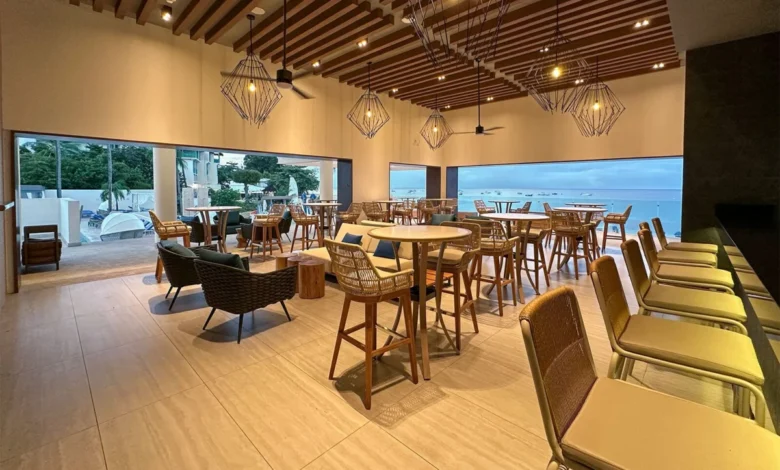
The culinary footprint of Royalton Vessence Barbados is exceptionally broad for a property of its scale, encompassing 13 distinct dining concepts and four specialized bars. The main building acts as the culinary epicenter, housing Essenza, an international buffet serving breakfast and lunch, alongside specialized à la carte venues including Moi Aussi (French fine dining), Hunter Steakhouse, Kai (Asian-fusion), and La Scala (an Italian trattoria complemented by a dedicated grab-and-go pizza counter). Additional casual options include Petisco, a poolside grill, and Room 21, a sports-themed venue with a late-night menu.
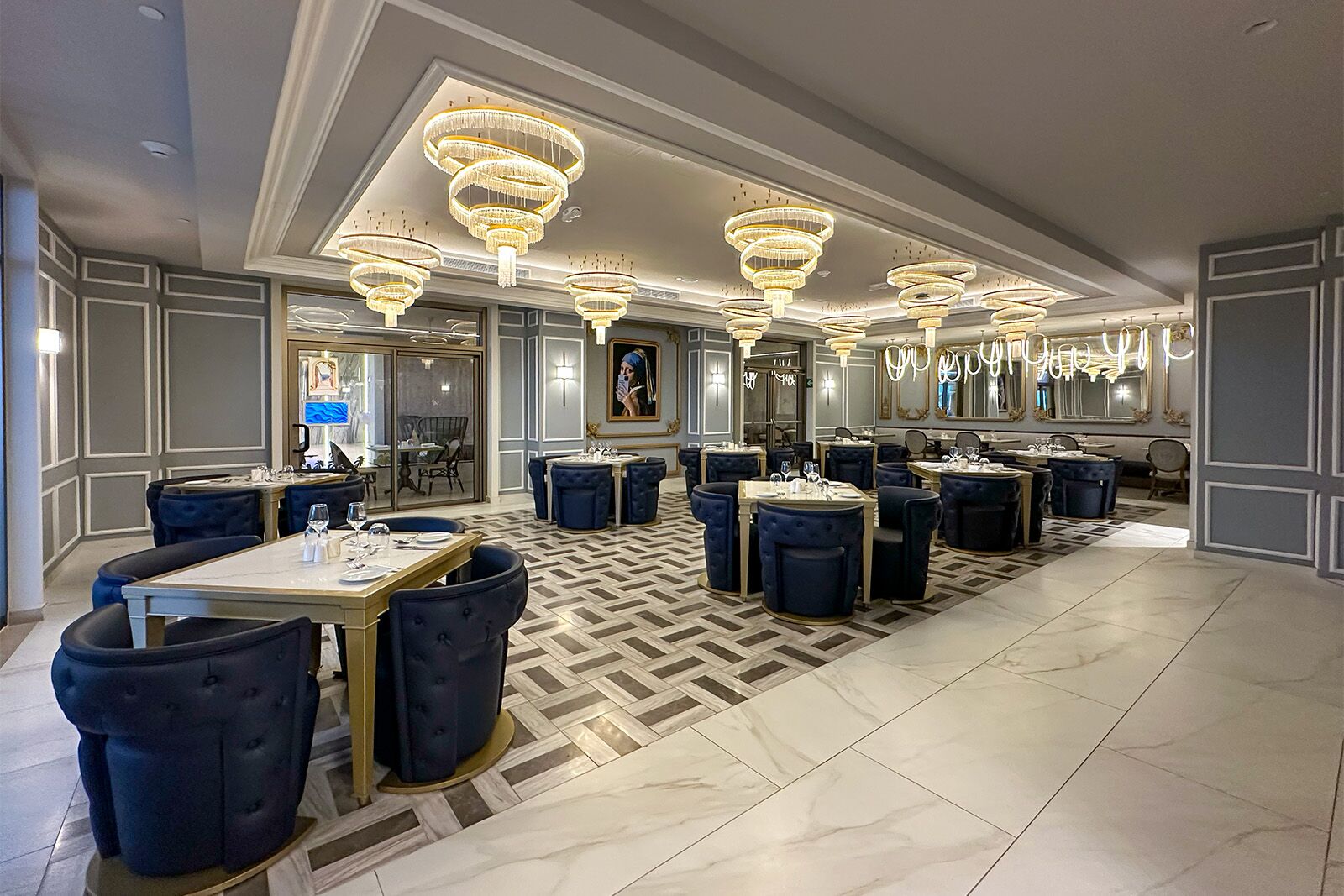
An exclusive adults-only rooftop zone elevates the gastronomic offerings further, featuring Waves for seafood, Catrina’s for Mexican cuisine, Saffron Hut for regional Indian dishes, and Sugar Halo for artisanal pastries. Beverage services are similarly distributed across a lobby bar, swim-up bar, rooftop venue, and an exclusive lounge reserved for Butler Level Suite occupants.
Despite the extensive international menu on property, the broader culinary landscape of Barbados exerts a powerful pull. Culinary excursions integrated into regional tours offer travelers authentic engagements with traditional Barbadian fare—predominantly characterized by spiced chicken, savory rice, macaroni pie, and locally farmed vegetables—providing an essential counterpoint to resort dining.
Exploring Beyond the Gates: Excursions and Cultural Landmarks
While the resort functions as a self-contained luxury enclave, its operational partnership with on-island tour operators like NexusTours bridges the gap between controlled resort environments and authentic exploration. These add-on excursions are engineered to expose visitors to the geological and historical depth of the island.
Among the premier natural attractions is Harrison’s Cave, located in the central upland parish of St. Thomas. As the largest limestone cavern system in Barbados, the site features intricate formations of stalactites, stalagmites, and flowing subterranean streams. Modern visitor infrastructure includes educational exhibits detailing the cave’s historical discovery and mapping, followed by guided electric tram tours through the illuminated chambers. A hallmark of the tour involves a controlled blackout demonstration, plunging visitors into absolute darkness to simulate the arduous conditions faced by the cave’s original explorers.
For above-ground exploration, the Adventure Safari utilizes open-sided, stretched 4×4 vehicles to navigate both paved arteries and rugged rural tracks. This rugged transit format provides access to historic monuments protected under Barbadian heritage laws, which prohibit the demolition of colonial-era structures. Notable stops include the Lion at Gun Hill in St. George, a monumental limestone sculpture carved by British military personnel in 1868, as well as panoramic coastal viewpoints and local community hubs.
The island’s industrial heritage is equally prominent through institutional partnerships, notably with Mount Gay. Operating continuously since 1703, the distillery lays claim to being the oldest running rum producer in the world. Educational tours trace the evolution of sugarcane harvesting, fermentation, distillation, and bottling. While non-drinking guests bypass the tasting elements, the brand’s presence is ubiquitous, integrated into both island-wide cultural discourse and minor in-room amenities, such as complimentary welcome bottles provided at the resort.
Broader Economic and Tourism Implications
The debut of properties like Royalton Vessence Barbados highlights a broader strategic shift within the Caribbean tourism sector toward experiential luxury. Rather than encouraging insular resort stays, contemporary hospitality models increasingly rely on symbiotic relationships with local transport networks, cultural institutions, and environmental attractions to deliver a holistic destination experience.
For Barbados, this integration serves a dual economic purpose: it drives high-yield tourism revenue into the luxury accommodation sector while simultaneously sustaining employment across secondary industries such as guided tour operations, artisan workshops, and agricultural supply chains. Industry analysts note that as traveler demographics shift to prioritize authenticity and wellness alongside traditional leisure, destinations that successfully bridge modern infrastructural investments with deeply preserved cultural identities are best positioned for long-term market resilience.
Ultimately, the enduring success of the Barbadian tourism product rests not solely on architectural novelties or state-of-the-art amenities, but on the pervasive cultural enthusiasm of its workforce. From airport transit operators to resort concierges and wilderness guides, the collective narrative remains consistent: a profound, nationally shared aspiration to ensure visitors depart with an abiding appreciation for the island’s unique heritage.
Related posts: