The Best Electric Toothbrushes of 2025 According to Dental Experts and Daily Users

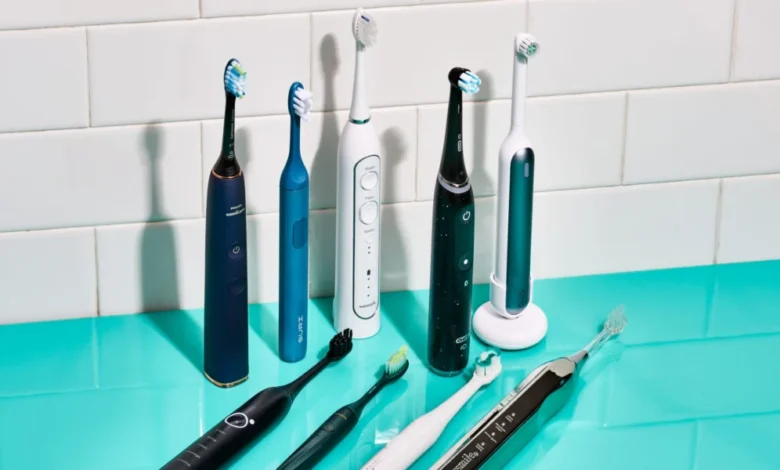
Maintaining optimal oral hygiene has shifted significantly in the last decade as dental technology has moved from basic mechanical vibration to AI-integrated care. As clinical research continues to emphasize the link between oral health and systemic well-being—including connections to cardiovascular health and diabetes management—the demand for high-performance electric toothbrushes has reached an all-time high. With the market flooded with options ranging from $10 battery-powered units to $300 smart devices, choosing the right tool requires an understanding of how oscillation, sonic vibration, and smart-tracking features impact plaque removal and gum health.

The Evolution of Dental Care Technology
The transition from manual to electric toothbrushes is supported by decades of clinical data. Studies from the Cochrane Library have consistently indicated that oscillating-rotating power toothbrushes reduce plaque and gingivitis more effectively than manual brushes. The current generation of premium toothbrushes, such as the Oral-B iO series and the Philips Sonicare DiamondClean, has taken these findings further by integrating pressure sensors and real-time feedback loops.
Historically, the premium market has been dominated by two distinct technologies: oscillating-rotating heads, which physically mimic the circular motion of professional dental tools, and sonic technology, which uses high-frequency vibrations to create fluid dynamics that clean between teeth. Recent supply chain shifts have made top-tier models, such as the Oral-B iO Series 10, difficult to secure, forcing consumers to look toward the iO Series 9, a model that remains a market leader in performance and feature density.

Top-Tier Performance: The Oral-B iO Series 9
The Oral-B iO Series 9 represents the pinnacle of current oscillating technology. Designed for users who prioritize clinical-grade precision, the device utilizes an AI-powered tracking system that divides the mouth into 16 distinct zones. By pairing with a companion application, the brush provides real-time visual maps of missed areas, ensuring a comprehensive clean.
Beyond its connectivity, the device offers seven distinct brushing modes: Daily Clean, Sensitive, Super Sensitive, Intense, Gum Care, Tongue Clean, and Whitening. Its standout feature, however, is its pressure-sensing technology. Unlike legacy models that simply stop vibrating when too much pressure is applied, the iO Series 9 utilizes a sophisticated light ring: red indicates excessive force, blue suggests insufficient pressure, and green confirms the ideal 2-newton force recommended by dentists. With a three-hour rapid charging capability, the Series 9 addresses the common frustration of lengthy downtime found in older rechargeable models.

The Sonic Alternative: Philips Sonicare DiamondClean Smart 9700
For users who prefer sonic technology, the Philips Sonicare DiamondClean Smart 9700 stands as the industry benchmark. Operating at a blistering 62,000 vibrations per minute, this device relies on high-speed sweeps to disrupt plaque colonies. The 9700 model is distinguished by its aesthetic and functional integration, specifically its charging glass, which serves as both a storage unit and a power source.
The inclusion of multiple intensity settings allows for a personalized experience, catering to those with post-procedure sensitivity or those requiring aggressive plaque removal. Clinical feedback suggests that the combination of the device’s high-frequency motor and its intuitive app-based coaching can significantly reduce gingival inflammation over a 30-day period.

Budget-Conscious Innovation: The Quip Rev 360
The market for mid-range toothbrushes has been disrupted by the emergence of the Quip Rev 360. Traditionally, budget-friendly options sacrificed battery life and motor power to reach lower price points. The Rev 360, however, leverages a long-lasting lithium-ion battery that provides up to five weeks of usage on a single charge.
While its peak performance of 9,630 oscillations per minute is statistically lower than the high-end Oral-B models, the trade-off in price—often $250 less than the top-tier competition—makes it a viable solution for the average consumer. The device’s compact, minimalist design and simple USB charging interface appeal to users who find the AI-heavy apps of premium models overly intrusive or unnecessary for their daily routine.

Entry-Level and Specialized Solutions
For the entry-level segment, the Colgate Total Battery Powered Toothbrush offers a utilitarian approach to electric dental care. While it lacks the sophistication of a rechargeable unit, it provides a consistent, entry-level vibration that is significantly more effective than manual brushing for those on a restrictive budget.
Conversely, the Waterpik Sonic-Fusion 2.0 addresses a specific gap in the market: the failure of the general population to floss daily. By integrating a water flosser directly into the brush head, the device allows for a simultaneous brushing and flossing experience. This multi-functional approach is highly recommended by periodontists for patients with braces, implants, or those who struggle with the physical dexterity required for traditional string flossing.

Specialized Maintenance: The Supersmile Zina45 Deluxe
The Supersmile Zina45 Deluxe caters to the cosmetic dentistry market. Featuring a dedicated polishing head, this device is engineered to address surface stains and plaque buildup in a manner that standard bristles cannot. By focusing on the enamel surface rather than just interdental space, it provides a "polishing" effect that mimics the results of professional cleanings. Its magnetic charging system ensures that the device remains fully powered with minimal user effort, addressing a common pain point for busy professionals.
Sustainability and Hygiene Trends
A recent development in the industry is the rise of eco-conscious manufacturing, exemplified by the SURI 2.0. The device features a body made from sustainable materials and uses heads constructed from plant-based castor oil and cornstarch. Beyond its environmental impact, the SURI 2.0 incorporates a UV-C light in its travel case, a feature that kills 99 percent of bacteria on the brush head. This addresses a significant, yet often overlooked, health concern regarding the accumulation of microbial matter on moist toothbrush heads.

Analysis: Implications for Consumer Habits
The influx of smart, connected toothbrushes reflects a broader trend in the "Quantified Self" movement, where health metrics are tracked, logged, and analyzed. While critics argue that a toothbrush does not need a Bluetooth connection, the data suggests that users who engage with the tracking features are more likely to meet the dentist-recommended two-minute brushing duration.
However, there is a point of diminishing returns. As evidenced by the performance of the Quip Rev 360 and the Moon Electric Toothbrush, the core mechanics of brushing remain the most critical factor. Consumers should prioritize a device that they are comfortable using twice daily, as the most advanced toothbrush on the market is ineffective if it remains in the packaging due to complexity.

Conclusion: Selecting the Right Tool
The decision between an oscillating-rotating brush and a sonic brush largely comes down to personal comfort and dental history. Oscillating brushes, such as the Oral-B iO line, offer a targeted, tactile clean that many users associate with a professional dental hygienist visit. Sonic brushes, such as the Philips DiamondClean or SURI 2.0, provide a gentler, broader sensation that may be better suited for users with sensitive gums or those who prefer a less aggressive brushing sensation.
Ultimately, the best electric toothbrush is one that aligns with the user’s specific lifestyle needs—whether that be the data-driven accountability of an AI-connected device, the convenience of a long-lasting battery, or the specialized function of a water-flossing hybrid. As technology continues to improve, the barrier to achieving clinical-grade oral hygiene at home continues to lower, provided the user remains consistent in their application.