Porsche Will Keep US Vehicles Imported and Rejects Domestic Manufacturing Expansion Despite Rising Tariff Pressures


The strategic divergence between Porsche and its parent company, Volkswagen Group, has become increasingly apparent as the luxury sports car manufacturer confirms it will maintain its European-centric production model for the United States market. While Audi, a sibling brand under the Volkswagen corporate umbrella, has committed to a massive $4 billion investment in a new manufacturing facility in Georgia, Porsche’s leadership has explicitly ruled out following suit. Jochen Breckner, the Chief Financial Officer of Porsche, recently signaled that the brand’s business model is fundamentally incompatible with the high-volume, localized production strategies favored by mass-market or high-volume luxury brands.
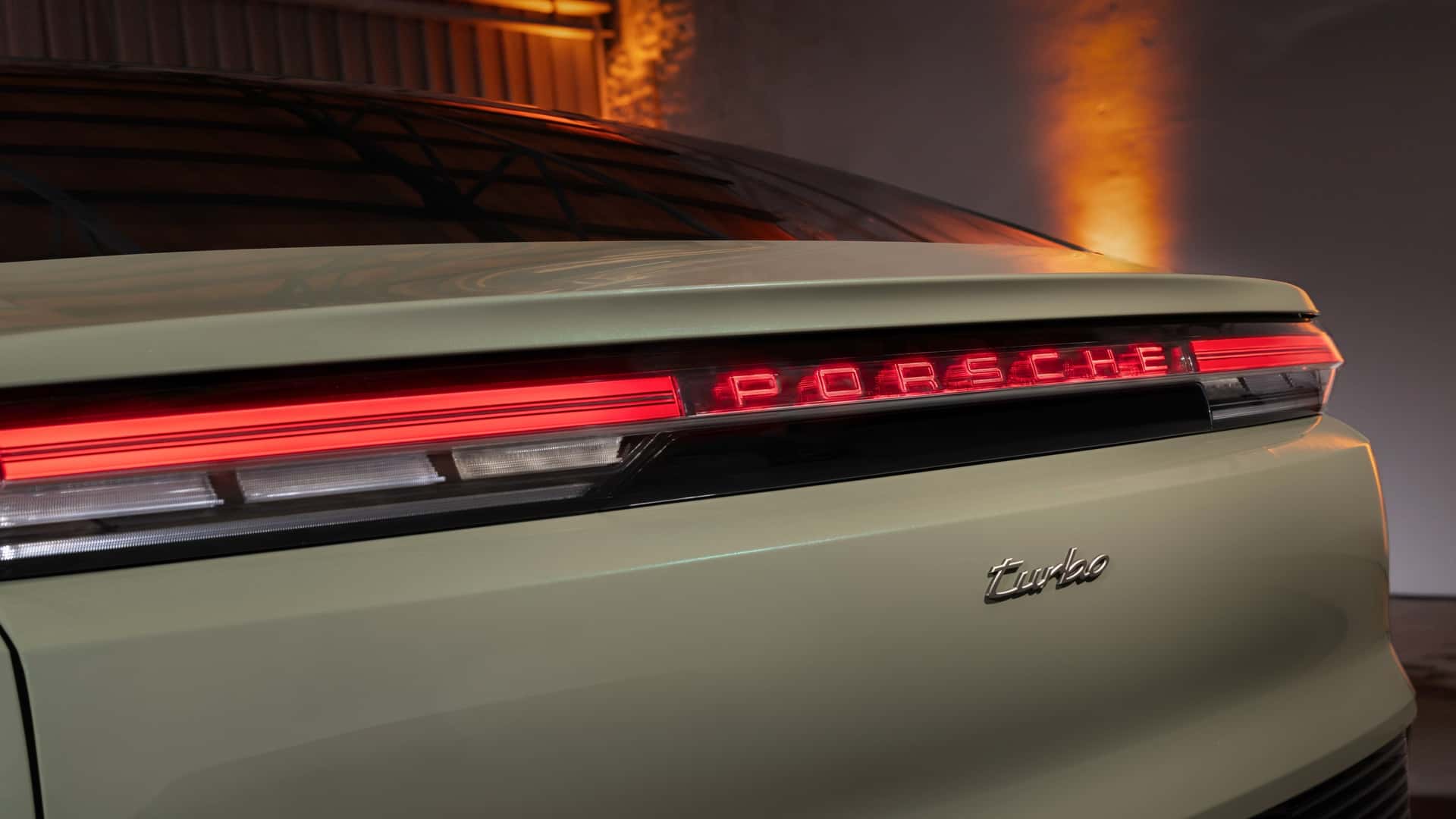
This decision arrives at a critical juncture for the automotive industry, as companies grapple with shifting trade policies, fluctuating consumer demand, and the heavy financial burden of import duties. For Porsche, the choice to continue shipping vehicles across the Atlantic—including its top-selling Cayenne SUV—is a calculated risk that prioritizes operational efficiency and brand exclusivity over the potential savings offered by domestic assembly.
The Economic Reality of Low-Volume Manufacturing
At the heart of the debate is the concept of economies of scale. Porsche’s business model is predicated on relatively low production volumes compared to mainstream luxury competitors. According to Breckner, the infrastructure required to replicate Porsche’s rigorous manufacturing standards in the United States would be cost-prohibitive.
"We would still have engines and other parts that we would need to export into the United States," Breckner noted, highlighting the reliance on a deeply entrenched European supplier network. For a brand that prides itself on specialized engineering and precision components, moving final assembly to the United States would not eliminate the need for cross-border logistics. Instead, it would create a bifurcated supply chain, significantly increasing overhead without providing the necessary scale to offset the initial capital expenditure of a new plant.
For Audi, the calculation is starkly different. The proposed Middle Georgia Megasite is designed to reach a capacity of 200,000 SUVs annually by the time it reaches full operational maturity around 2031. This high-volume output allows Audi to amortize the costs of local production effectively, providing a hedge against international trade volatility. Porsche, which focuses on high-margin, lower-volume performance vehicles, cannot justify a similar investment based on current demand projections.
Financial Implications and Tariff Exposure
The financial pressure of the current trade environment is significant. US import duties on European vehicles currently sit at a base rate of 2.5 percent, compounded by additional tariffs that bring the total burden to roughly 15 percent. These tariffs have become a central line item in the company’s fiscal reports.
Porsche has informed investors that it is bracing for the long-term reality of these costs. During the first nine months of 2025 alone, the brand incurred roughly €500 million in tariff-related costs. Looking ahead to 2026, the company expects these expenses to climb into the high hundreds of millions of euros. Despite these substantial figures, management has decided not to bank on potential regulatory relief or shifting political winds in Washington. By building the 15 percent tariff regime directly into its long-term financial forecasting, Porsche is attempting to maintain price stability and profit margins without relying on the hope of future policy reversals.
A Comparative Look at Volkswagen Group Strategy
The divergence between Porsche and Audi highlights a broader trend within the automotive sector, where individual brands under the same corporate banner are forced to adopt independent strategies based on their specific market positioning. Volkswagen Group, as a conglomerate, has been in complex, multi-year negotiations with US officials regarding trade and investment. The Georgia factory project is the culmination of a long-term strategy by the parent group to localize production of high-demand vehicles, thereby insulating the company from the billion-euro annual tariff impact that has historically plagued its imports from Europe and Mexico.
While Audi targets the mid-to-high luxury SUV segment—a market where volume is king—Porsche occupies a niche position where exclusivity is a primary driver of value. The decision to abstain from the Georgia expansion allows Porsche to maintain its "Made in Germany" brand identity, which remains a cornerstone of its marketing and consumer appeal.
Performance and Market Trajectory
Porsche’s recent financial performance underscores the challenges of its current model. In the third quarter, the company reported an operating profit of €387 million, a notable recovery from the €967 million loss recorded during the same period in the previous year. However, this success is set against a backdrop of declining global demand, particularly in the Chinese market. Total revenue for the quarter fell by 7.5 percent to €8 billion, while deliveries in the first nine months of 2026 saw a 16 percent decline, totaling 178,532 units.
Rather than shifting production to the United States, Porsche is pivoting its strategy toward a new, upcoming product line. The brand is currently preparing for the 2028 launch of a combustion-powered compact SUV, designed as the successor to the current gas-powered Macan. By focusing its resources on product innovation and maintaining its established manufacturing hubs in Europe, Porsche aims to weather the current economic climate.
Broader Industry Implications
The refusal of a major manufacturer like Porsche to localize production in the United States, despite significant tariff incentives, serves as a case study in the limitations of protectionist trade policies when applied to high-end, low-volume goods. While such policies successfully incentivize mass-market manufacturers to build plants in North America, they may inadvertently punish brands that rely on specialized, localized supply chains.
The implications for the consumer are twofold: first, the cost of luxury vehicles will likely continue to reflect the heavy burden of international trade duties. Second, the exclusivity of the "imported" label remains a key differentiator. As the automotive industry continues to transition toward electrification and autonomous technology, the tension between global supply chains and regionalized manufacturing will only increase.
For now, the status quo remains. Porsche will continue to utilize its German facilities as its primary production base, accepting the fiscal hit of US tariffs as a cost of doing business. The company’s focus on the 2028 compact SUV reflects a belief that its core customer base values the heritage and technical expertise associated with its European origins more than the potential localized savings that a US-based factory might offer.
As the Volkswagen Group continues its massive expansion in Georgia, the industry will be watching closely to see if Audi’s high-volume, localized model creates a competitive advantage that eventually forces Porsche to reconsider its stance, or if the luxury sports car manufacturer’s dedication to its European roots remains the superior long-term strategy for a brand defined by its heritage. In the current climate, Porsche is betting that its brand equity is strong enough to absorb the costs, provided it continues to deliver the performance and engineering quality its global clientele demands.