The automotive industry is no stranger to sudden pivots, strategic reversals, and costly miscalculations, but few trajectories in recent years have been as perplexing as the life and near-death cycle of the Chevrolet Bolt. Once celebrated as a trailblazer for affordable electric mobility in the United States, the Bolt has faced a baffling series of corporate decisions, production shifts, and a remarkably underwhelming comeback that has culminated in reports of slashed output and an impending second demise.
According to recent industry reports, General Motors has dramatically scaled back production plans for the revamped electric hatchback, cutting projected volumes by roughly 75 percent. What was once envisioned as a robust manufacturing run of up to 150,000 units has now been trimmed to a modest 35,000 vehicles. With assembly slated to wrap up permanently in the first quarter of 2027, the short-lived revival of the Bolt is increasingly viewed by analysts as a costly detour in GM’s broader electrification strategy.
The Rise, Fall, and Rebirth of a Pioneer
To understand the current predicament of the Chevrolet Bolt, one must revisit its initial chapter. When the original Bolt debuted, it captured the imagination of eco-conscious consumers looking for an accessible entry point into the electric vehicle market. It combined practical dimensions with an impressive driving range, quickly establishing itself as one of the best-selling electric vehicles in the country. Despite its commercial success and a loyal customer base, General Motors made the bold decision to pull the plug on both the standard Bolt and its crossover-inspired sibling, the Bolt EUV.
The rationale behind the initial discontinuation was rooted in grander ambitions. GM intended to repurpose its Orion Assembly plant in Michigan to build a high-volume lineup of full-size electric pickup trucks, notably the Chevrolet Silverado EV and the GMC Sierra EV. The automotive giant bet heavily on a rapid consumer migration toward large, premium electric utility vehicles.
However, market realities quickly intervened. The anticipated tidal wave of demand for full-size electric trucks failed to materialize at the scale GM had projected. Faced with sluggish adoption rates, softening consumer enthusiasm, and logistical bottlenecks, GM was forced to delay its electric truck production plans. In a subsequent strategic pivot, the company decided to retool the Orion facility instead to accommodate internal combustion engine (ICE) trucks and SUVs, catering to the persistent consumer demand for traditional powertrains.

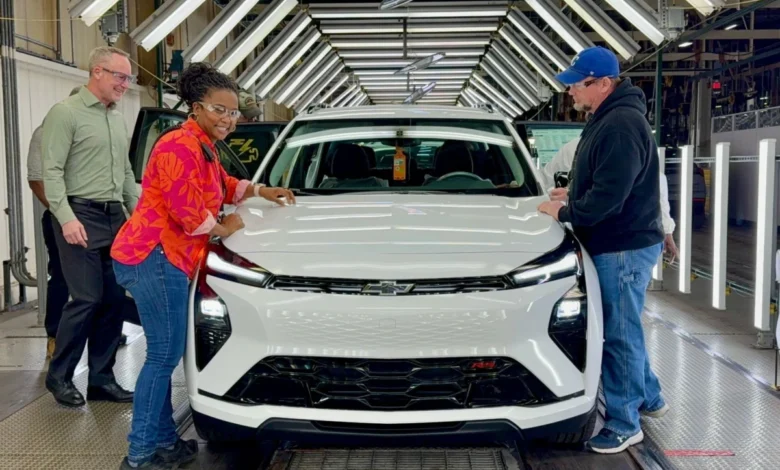
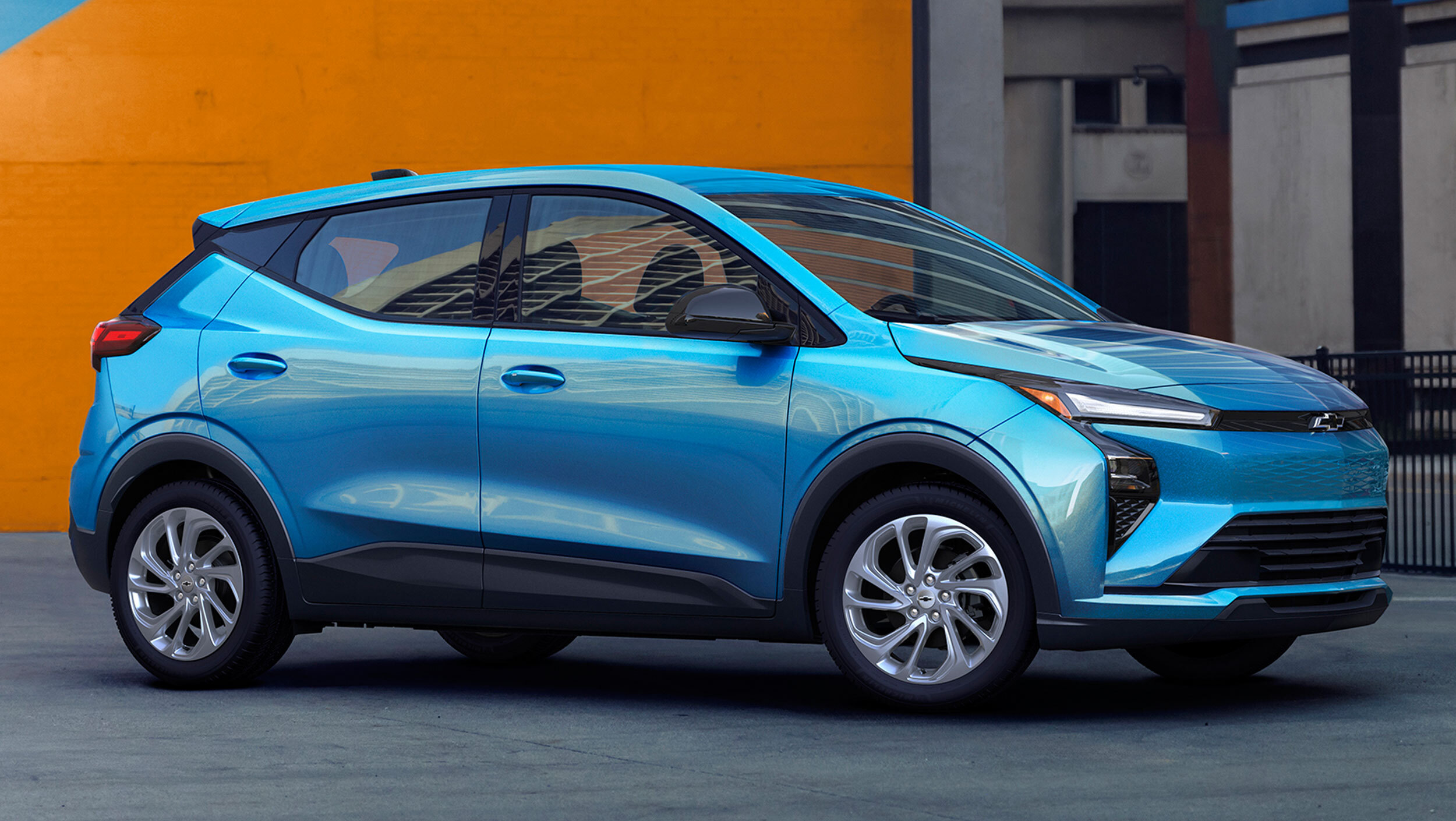
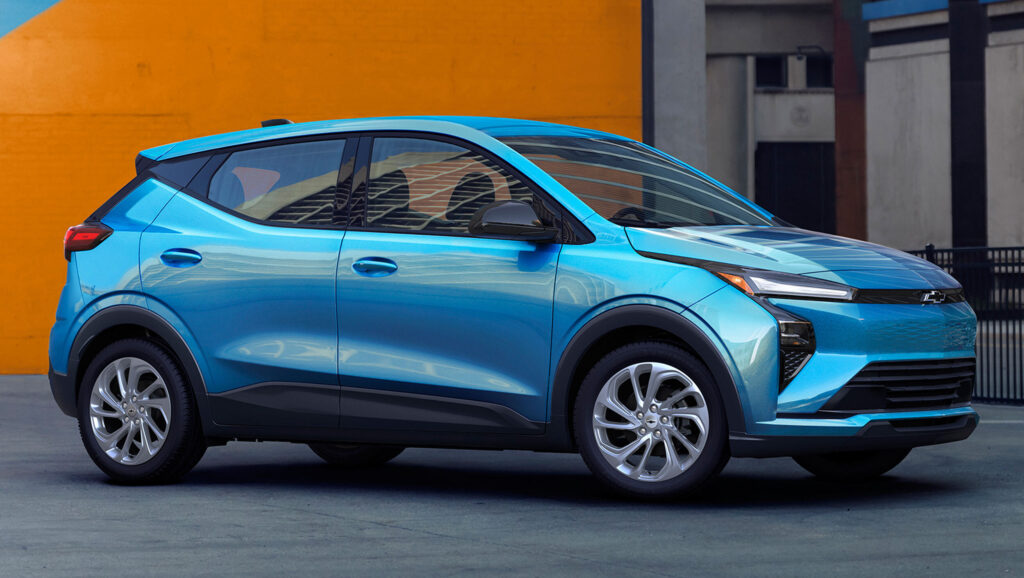
Caught in the crossfire of these shifting corporate priorities, the Bolt was granted a temporary reprieve. GM announced that the affordable hatchback would return with a series of engineering upgrades and a new manufacturing home in Kansas. Positioned as a budget-friendly option with a starting price of $27,600 before destination fees, the revamped model promised a 65 kWh LFP battery pack, a 210-horsepower electric motor, and a respectable driving range of 262 miles on a single charge. Yet, even during its announcement, Chevrolet quietly categorized the vehicle as a limited-run model, a moniker that now appears to be a drastic understatement.
A Chronology of Corporate Miscalculation
The timeline of the Bolt’s second incarnation highlights the volatile nature of the current automotive landscape:
- Late 2023: General Motors officially discontinues the original Chevrolet Bolt and Bolt EUV to prepare the Orion Assembly plant for full-size electric truck production.
- Mid-2024 to Mid-2025: Demand for full-size electric trucks underperforms against internal projections, prompting GM to delay and eventually restructure its electric manufacturing footprint, pivoting parts of Orion Assembly back toward gas-powered vehicles.
- Late 2025: Acknowledging a gap in its affordable EV portfolio, GM confirms the return of the Chevrolet Bolt for the 2027 model year, boasting a revised starting price of $29,990 (later adjusted to $27,600 base MSRP) and production relocation to Kansas.
- Early 2026: Sales figures for the newly reintroduced Bolt launch to a dismal start, recording just 4,224 units delivered in the first half of the year and pacing toward an annual total of under 9,500 vehicles.
- September 2026: Reports emerge indicating that GM has slashed total production volume targets for the hatchback by roughly 75 percent, capping total expected output at approximately 35,000 units ahead of a planned final discontinuation in early 2027.
Dismal Sales and Changing Market Dynamics
The stark contrast between the original Bolt’s popularity and the sluggish performance of its successor has left industry observers searching for answers. Sales data from the first half of the year reveal the extent of the struggle, with Chevrolet managing to move a mere 4,224 units. At this rate, the vehicle is projected to finish the year with fewer than 9,500 sales—a fraction of the volume required to justify the engineering, tooling, and regulatory compliance costs associated with bringing the car back to market.
When asked about the production cutbacks, General Motors declined to confirm the specific figures, offering a standard corporate response to market volatility. A company spokesperson stated, "We continuously evaluate market dynamics and customer demand," reflecting the delicate balancing act automakers face as they recalibrate EV investments.
Several external factors have contributed to the cold reception of the reborn Bolt. Most notably, the shifting regulatory landscape and the elimination or restructuring of federal electric vehicle tax credits have significantly altered consumer purchasing calculus. Without the financial incentive that previously made the Bolt an irresistible bargain, budget-conscious buyers have grown more hesitant.
Furthermore, product positioning and marketing have played a critical role. The exterior design of the "new" Bolt bore a striking resemblance to its predecessor, failing to generate the visual excitement or novelty typically associated with a generational relaunch. Compounding the issue, the vehicle received remarkably little promotional support from the manufacturer, leaving many potential buyers unaware that the affordable hatchback had even returned to showrooms.

The Broader Impact on GM’s EV Strategy
The struggles of the Bolt do not mean that consumers have entirely rejected affordable electrification from General Motors. Ironically, shoppers have shown a strong appetite for other vehicles in the automaker’s evolving EV portfolio, such as the Chevrolet Equinox EV. Starting at $34,995 before destination charges and offering a competitive driving range of 319 miles, the Equinox EV has successfully captured the attention of crossover buyers who want modern styling, utility, and a reasonable price tag.
The failure of the Bolt’s second act serves as a cautionary tale for legacy automakers navigating the treacherous transition period between internal combustion engines and full electrification. Pouring resources into resurrecting a legacy nameplate without adapting it sufficiently to changing consumer expectations, shifting subsidy structures, and aggressive competition can lead to severe misallocations of capital.
As General Motors prepares to sunset the Bolt once and for all in the first quarter of 2027, the company is quietly plotting a broader family of low-cost EVs designed from the ground up to meet market demands more effectively. For the Bolt, however, the road ahead is short, bringing a premature end to what was once one of the most promising nameplates in the American electric vehicle landscape.
Related posts: