The Logistics of Modern Automotive Media
The foundation of automotive reporting relies on direct access to the product. Unlike many other consumer goods, a modern vehicle is a multi-ton, highly complex machine that requires specific environments for a comprehensive evaluation. As noted by industry veterans, the "free" car provided for a week-long test is not a perk in the traditional sense, but a fundamental tool of the trade. Without these loans, media outlets—many of which operate on tightening budgets—would be unable to provide the detailed, real-world analysis that consumers rely on before making what is often the second-largest purchase of their lives.
The practice of flying journalists to sun-drenched locales like Spain or Portugal is frequently cited as a prime example of industry excess. However, from a manufacturer’s perspective, this is often a decision driven by logistical pragmatism. When a new model is nearing production, there are typically only a handful of "early-build" or "pilot-run" units available. Logistics experts within companies like Volkswagen Group or Stellantis calculate that it is significantly more cost-effective and efficient to fly 200 European journalists to a central hub where the cars are stationed than it is to ship those limited vehicles to 20 different countries. Furthermore, regions like Southern Spain offer predictable weather and a variety of road types—from coastal highways to technical mountain passes—ensuring that the cars can be photographed and tested in optimal conditions year-round.
The Psychology of the ‘Freebie’ and the Reciprocity Principle
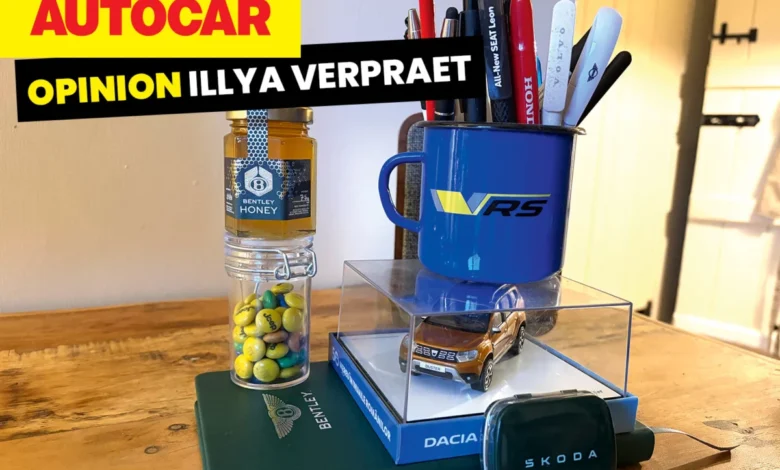
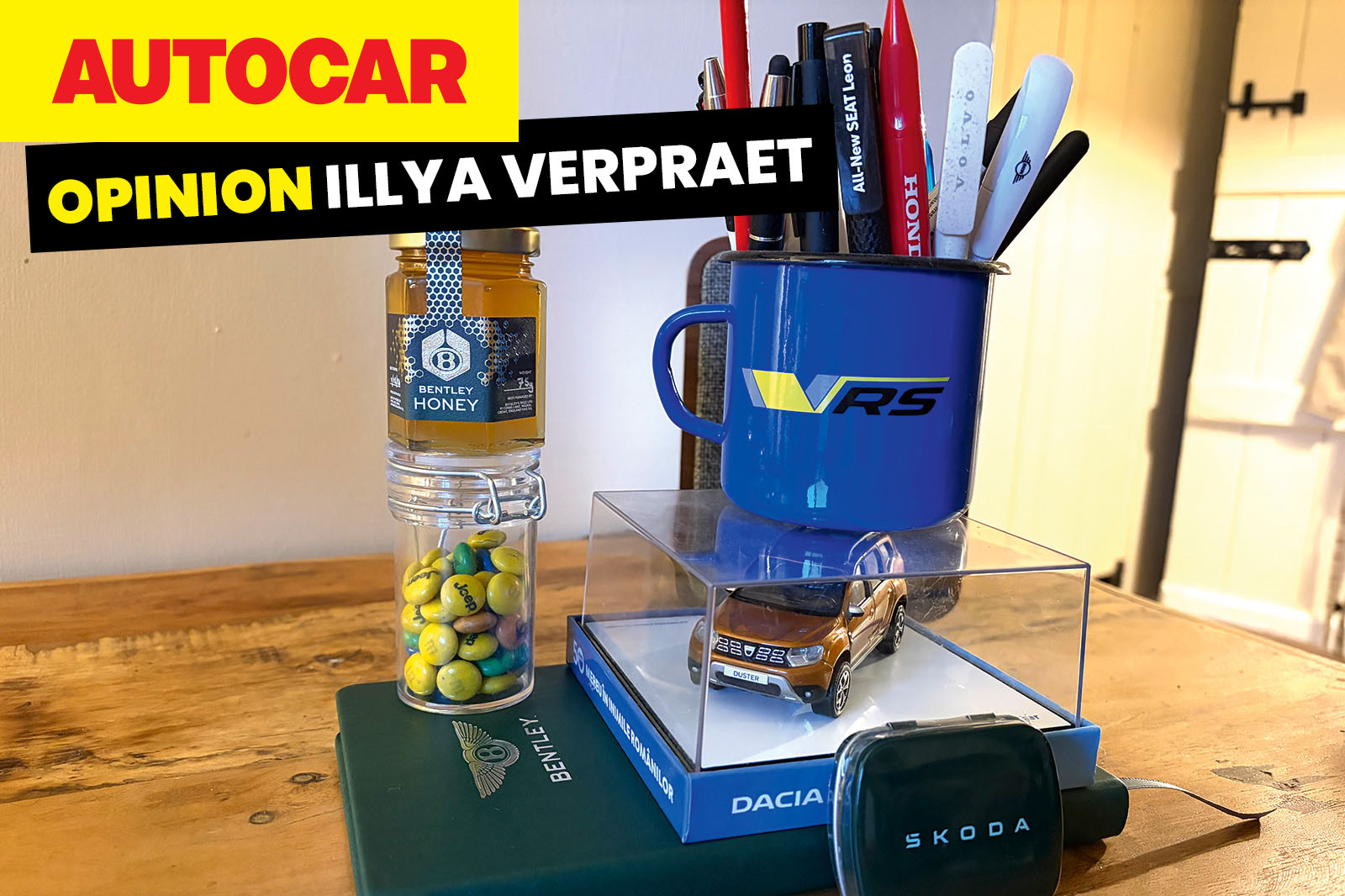
Beyond the necessary access to vehicles, the presence of branded merchandise—such as the aforementioned Jeep M&Ms or Polestar water bottles—introduces a more subtle layer to the manufacturer-journalist relationship. In social psychology, the "reciprocity principle" suggests that human beings have an innate tendency to want to repay a favor or a gift, no matter how small.
Marketing departments leverage this by providing "swag" or "collateral" at press events. While a tin of chocolates or a high-quality umbrella is unlikely to turn a negative review into a positive one, these items serve to build brand affinity and keep the manufacturer at the forefront of the journalist’s mind. For the journalist, the challenge lies in enjoying these minor conveniences while maintaining a clinical, objective distance from the brand’s PR narrative. The industry consensus remains that while a Polestar bottle is a useful accessory, it cannot mask a subpar infotainment system or a poorly calibrated suspension.
Historical Context: From Hobbyist Roots to Global Industry
The evolution of automotive journalism reflects the growth of the car industry itself. In the early 20th century, reporting was largely done by enthusiasts and wealthy amateurs. However, as the automobile became a mass-market necessity, the need for professional, consumer-focused testing grew. By the 1950s and 60s, publications like Autocar and Car and Driver established rigorous testing protocols, including performance benchmarking and fuel economy tracking.
As competition between manufacturers intensified in the 1990s and 2000s, the "press launch" transformed into a high-production-value event. The "junket" era saw manufacturers competing not just on the merits of their cars, but on the quality of the hotels and the exclusivity of the experiences provided to the media. This era also saw the birth of the "press kit," which evolved from physical folders of black-and-white photos to USB drives shaped like car keys, and eventually to high-speed digital asset portals.
Financial Realities: The Cost of a Global Press Launch
The financial investment required for a global vehicle launch is substantial. Industry analysts estimate that a premium manufacturer may spend between $2 million and $5 million on a single international media launch. This budget covers:
- Logistics: Shipping a fleet of 30 to 50 vehicles, along with a team of technicians and spare parts.
- Hospitality: Booking entire luxury hotels to ensure privacy and a controlled environment for briefings.
- Staffing: Flying in engineers, product managers, and designers from headquarters to provide technical insights.
- Content Creation: Hiring professional film crews to provide "B-roll" footage for media outlets that do not have their own video departments.
For the manufacturers, this expenditure is a calculated marketing cost. The goal is to generate a "wave" of coverage across print, digital, and social media platforms simultaneously, creating a sense of momentum for the new product’s market entry.
Regulatory Frameworks and the Requirement for Disclosure
In recent years, the rise of social media and influencer marketing has prompted regulatory bodies to tighten the rules regarding "freebies" and sponsored content. In the United Kingdom, the Advertising Standards Authority (ASA) and the Competition and Markets Authority (CMA) have issued clear guidelines requiring that any content influenced by a commercial relationship—including the provision of a free vehicle or a paid-for trip—must be clearly disclosed.
In the United States, the Federal Trade Commission (FTC) updated its "Endorsement Guides" in 2023 to further clarify that journalists and influencers must disclose "material connections" to a brand. For traditional automotive journalists, this usually takes the form of a standard disclaimer stating that the manufacturer provided the vehicle and travel for the purpose of the review. These regulations are designed to protect the consumer by ensuring they are aware of the context in which a review was produced.
The Firewall: Maintaining Editorial Independence
Top-tier automotive publications maintain a strict "firewall" between their editorial teams and their commercial/advertising departments. This separation is crucial for maintaining the trust of the readership. While the PR department of a car company may facilitate the loan of a car, the editorial team retains absolute control over the final verdict.
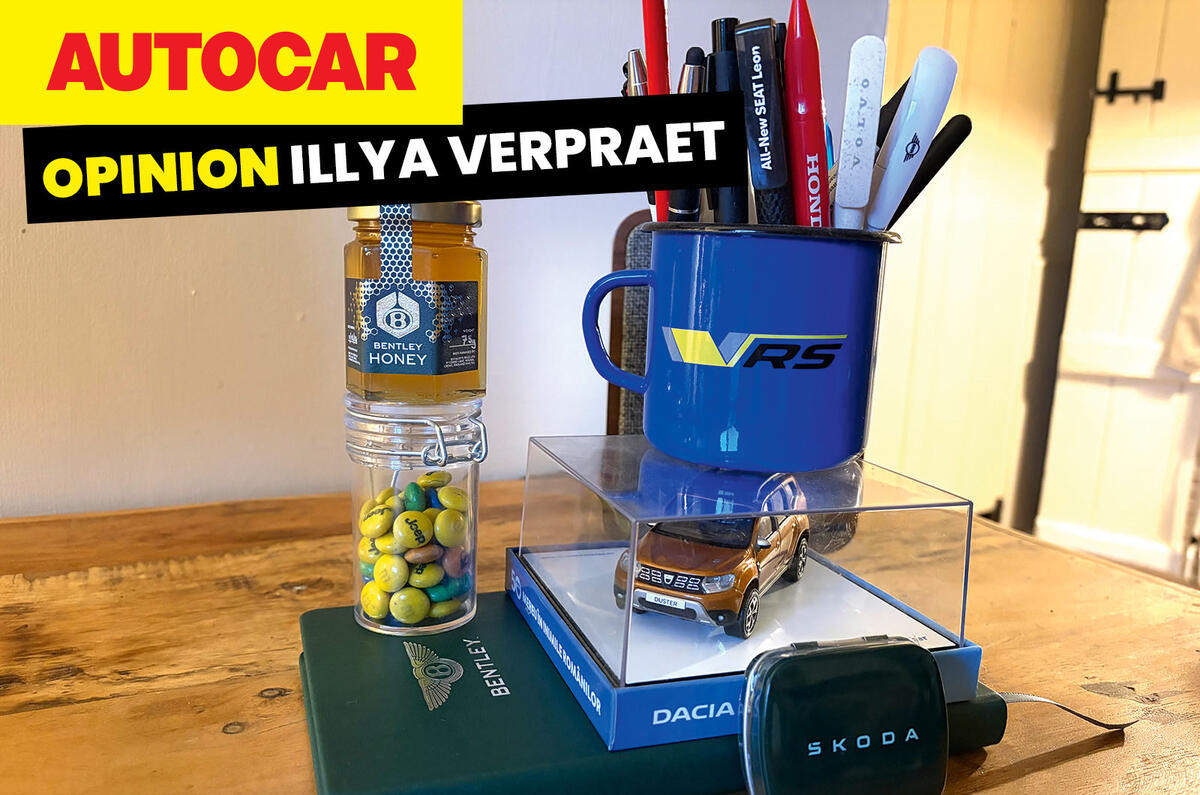
The "five-star review" remains the most coveted accolade in the industry, and it is not given lightly. Journalists often point to instances where a manufacturer provided a lavish launch event, only for the resulting reviews to be lukewarm or even scathing. For example, several high-profile electric vehicle (EV) launches in recent years have seen journalists praise the hospitality while simultaneously criticizing the vehicle’s real-world range or software stability. This "separation of church and state" is the hallmark of professional journalism; the Jeep M&Ms are consumed, but the gearbox’s hesitancy is still documented.
Official Responses and Industry Sentiment
While manufacturers rarely comment publicly on the specifics of their "swag" budgets, PR professionals privately acknowledge that the landscape is shifting. There is a growing move toward "sustainability" in press gifting. High-quality, reusable items like Polestar’s water bottles or recycled-material jackets are replacing the plastic trinkets of the past.
Furthermore, some manufacturers have experimented with "hub-based" launches or digital-only reveals to reduce their carbon footprint and costs. However, the feedback from the media has been consistent: there is no substitute for seat time. A digital presentation cannot reveal how a car’s steering weights up through a corner or how the interior materials feel after six hours of driving.
Broader Implications for the Consumer
For the average car buyer, the existence of this ecosystem means that the reviews they read are informed by a level of access they could never achieve at a local dealership. A journalist on a press launch has the opportunity to speak directly to the engineers who designed the suspension or the software developers who built the interface. They can ask difficult questions about reliability, parts sourcing, and future updates.
The "gifts" and travel are essentially the overhead costs of gathering this deep-level information. As long as the journalist remains transparent about the relationship and maintains a critical eye, the consumer benefits from a more nuanced and expert evaluation. The integrity of the review lies not in the rejection of a branded chocolate, but in the willingness to report the truth about the vehicle, regardless of who paid for the flight to Spain.
In conclusion, the relationship between the automotive industry and the media is one of symbiotic necessity. While the perks of the job are often visible and easily criticized, they serve a functional role in a globalized industry. The true value of automotive journalism continues to be found in the expert analysis that survives the flight home, long after the Jeep M&Ms have been eaten and the Polestar bottle has been filled with water for the next test drive. Trust is the ultimate currency in this field, and it is a commodity that cannot be bought with branded merchandise.