Genesis Explores the Possibility of a Luxury Pickup Truck Utilizing Future Hyundai Mid-Size Platform Architecture

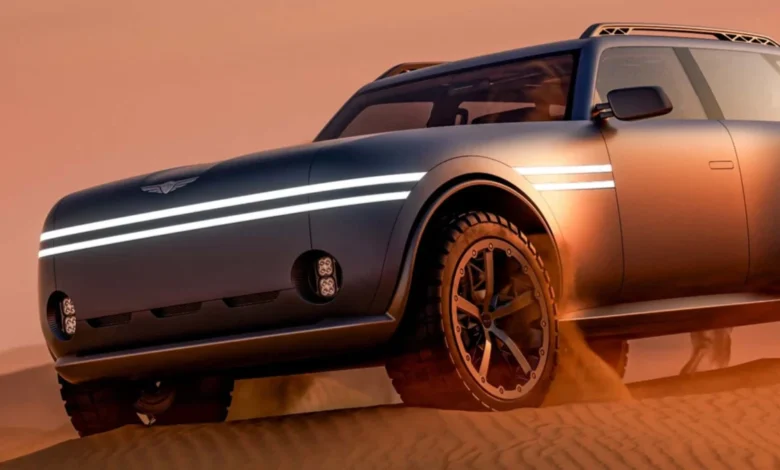
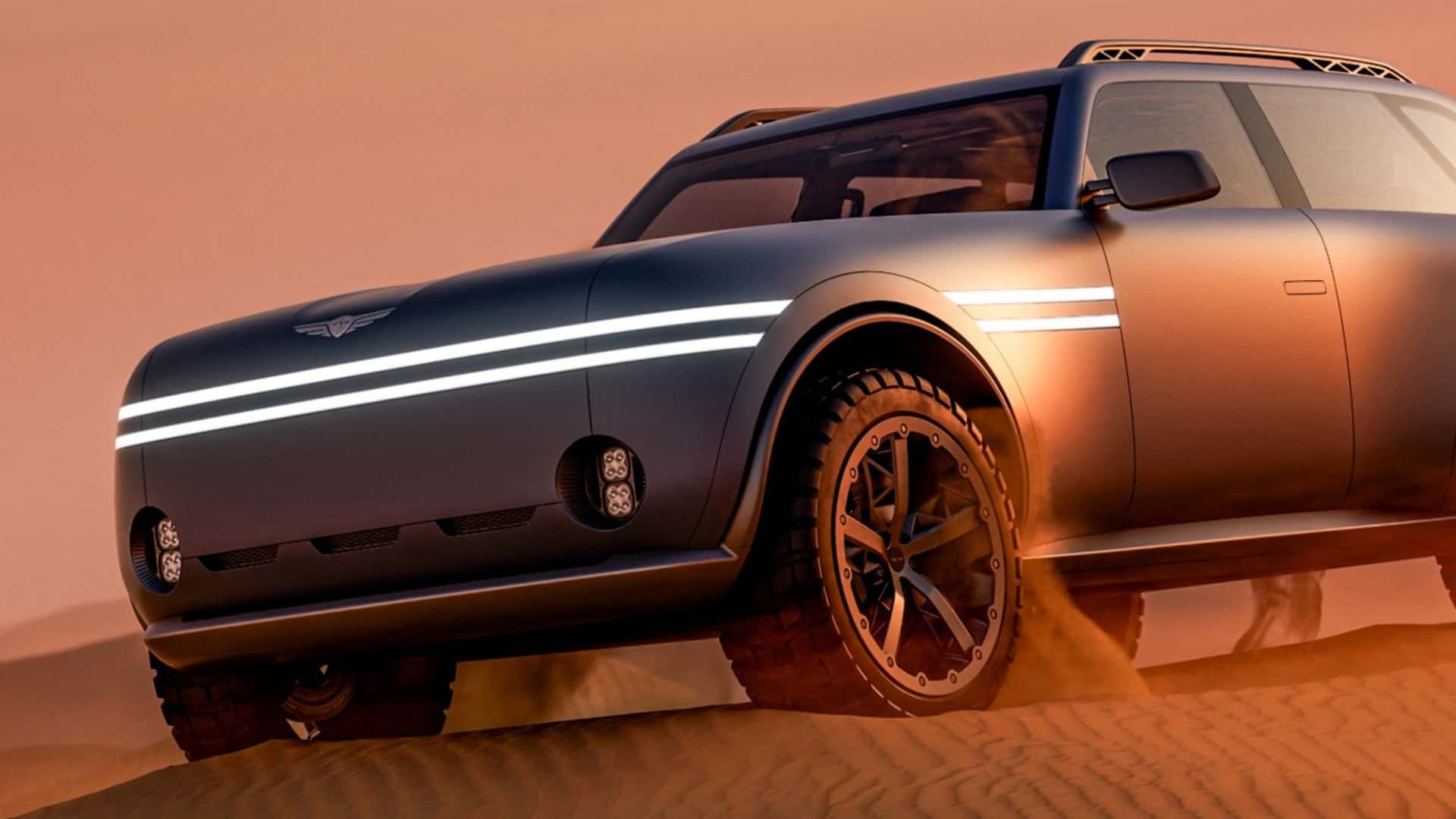
The global automotive landscape is currently witnessing a significant shift in the luxury segment, as traditional boundaries between utility and opulence continue to blur. Genesis, the premium arm of the Hyundai Motor Group, has once again signaled that it is monitoring the high-end pickup truck market with renewed interest. While the brand has historically focused on sedans and SUVs to establish its identity against entrenched European rivals, recent developments within its parent company have reopened the door for a Genesis-badged utility vehicle. This potential expansion follows a series of internal evaluations and design studies that suggest the brand is looking for new ways to diversify its portfolio in key markets such as North America and Australia.
The Strategic Shift: Insights from Hyundai Motor Group Australia
The latest spark of interest comes from Gavin Donaldson, the Chief Operating Officer of Hyundai Motor Group Australia. In a recent interview with the Australian publication Carsales, Donaldson addressed the long-standing rumors regarding a Genesis "ute"—the colloquial term for a pickup in the Australian market. While Donaldson stopped short of confirming a production timeline, his comments provided a rare glimpse into the criteria necessary for such a project to receive the green light.
According to Donaldson, any future Genesis pickup would be required to meet the brand’s rigorous luxury standards. He emphasized that the vehicle could not merely be a "rebadged" version of an existing Hyundai or Kia product. The emphasis remains on brand equity and the preservation of the "Athletic Elegance" design language that has defined the Genesis resurgence. Donaldson noted that if an opportunity arises to build a vehicle that supports the brand’s luxury image and enhances its market presence, the company would take a serious look at the proposition. This suggests that the internal conversation has moved past "if" a truck is possible to "how" it can be executed without diluting the brand’s premium standing.
A Chronology of the Genesis Pickup Concept
The journey toward a Genesis pickup has been a non-linear one, marked by periods of intense creative exploration followed by strategic pauses.
- Early Mockups and Design Studies: In the late 2010s, as Genesis was establishing itself as a standalone entity, design teams reportedly experimented with various body styles. Mockups of a luxury pickup were created to test the versatility of the brand’s design language on a larger, more utilitarian canvas.
- The 2024 Shelving: As recently as early 2024, Luc Donckerwolke, the Chief Design Officer for Genesis, suggested that the project had been effectively shelved. At the time, the brand’s focus was redirected toward the "Magma" performance lineup and the electrification of its core sedan and SUV offerings. Donckerwolke’s comments implied that while the design exercises were fruitful, the market conditions and platform availability did not align with the brand’s immediate goals.
- The 2025 Re-evaluation: The recent comments from Australian executives indicate that the project is no longer considered "dead." Instead, it appears to be in a state of re-evaluation, bolstered by new technological developments within the wider Hyundai Motor Group.
The Foundation: Hyundai’s "Boulder" Program and Platform Sharing
The most significant hurdle for a luxury pickup is the underlying architecture. Developing a bespoke ladder-frame or heavy-duty unibody platform for a low-volume luxury truck is rarely financially viable. However, Genesis has a history of successfully adapting Hyundai platforms—such as the rear-wheel-drive architecture used for the G80 and GV80—and elevating them with superior materials, sound insulation, and advanced suspension systems.
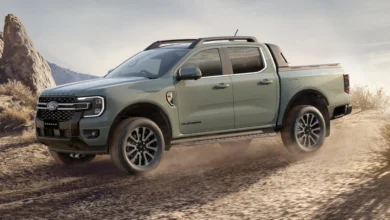
Hyundai is currently working on its own mid-size pickup program, often referred to in industry circles by the "Boulder" concept moniker. This program is expected to produce a rugged, body-on-frame vehicle intended to compete with the likes of the Toyota HiLux, Ford Ranger, and Toyota Tacoma. Furthermore, the upcoming Kia Tasman provides another potential donor platform.
A third, more recent development is the strategic partnership between Hyundai Motor Group and General Motors. This collaboration aims to share technology across various segments, including commercial vehicles and internal combustion engines. Analysts suggest that this partnership could grant Genesis access to established truck architectures, potentially allowing for a luxury pickup that possesses genuine towing and off-road capabilities rather than being a lifestyle-oriented unibody vehicle like the Hyundai Santa Cruz.
Technical Speculation and Powertrain Integration
For a Genesis pickup to be successful, it must offer performance that justifies its premium price point. Unlike the four-cylinder engines found in many entry-level work trucks, a Genesis variant would likely utilize the group’s more potent powerplants.
- Twin-Turbo V6: The 3.5-liter twin-turbocharged V6 currently found in the G90 and GV80 would be a natural fit, providing the smooth power delivery expected of a luxury vehicle.
- Hybridization: Hyundai Motor Group has signaled a massive push toward hybrid technology. A "rugged" hybrid system, combining a turbocharged engine with high-torque electric motors, would allow Genesis to compete with the Ford F-150 PowerBoost and the Toyota Tundra i-FORCE MAX.
- All-Electric Architecture: Given the brand’s commitment to an all-electric future, a Genesis pickup could potentially bypass internal combustion altogether, utilizing the E-GMP platform or a next-generation dedicated EV truck chassis to offer a competitor to the Rivian R1T and GMC Hummer EV.
Market Implications: Why a Luxury Truck Makes Sense
The luxury pickup segment is currently one of the most profitable niches in the automotive industry. In the United States, the average transaction price for full-size pickups often exceeds $60,000, with top-tier trims like the GMC Sierra Denali Ultimate and Ford F-150 Limited pushing well past $80,000.
For Genesis, a pickup would serve several strategic purposes:
- Market Penetration in North America: The U.S. remains the world’s largest market for premium pickups. A Genesis truck would allow the brand to capture customers who currently gravitate toward high-end domestic trucks because luxury imports do not offer a comparable utility vehicle.
- Expansion in Australia and Southeast Asia: In Australia, the "Premium Ute" market is booming. Buyers are increasingly seeking vehicles that can handle off-road adventures on the weekend while serving as a comfortable, tech-heavy daily driver during the week.
- Brand Halo Effect: A well-executed, high-performance luxury truck could serve as a "halo" vehicle, showcasing the brand’s engineering prowess in a way that a traditional sedan cannot.
The Cautionary Tale: Learning from the Mercedes-Benz X-Class
Genesis executives are undoubtedly aware of the risks involved in this venture, specifically the failure of the Mercedes-Benz X-Class. Launched in 2017, the X-Class was based on the Nissan Navara platform. Critics and consumers alike felt the vehicle did not offer enough "Mercedes-Benz" DNA to justify its price premium over the Nissan. It was discontinued after only a few years in production.
To avoid this pitfall, Genesis must ensure that the interior craftsmanship, NVH (Noise, Vibration, and Harshness) levels, and technological suite are indistinguishable from their flagship sedans. This means incorporating the brand’s signature quilted Nappa leather, real wood or carbon fiber trim, and the sophisticated "ccIC" (connected car Integrated Cockpit) infotainment system.
Competing Priorities and the Magma Initiative
Despite the renewed interest in a pickup, it is important to note that Genesis has a crowded roadmap. The brand is currently preoccupied with the launch of its "Magma" performance sub-brand, which aims to provide a Korean alternative to BMW’s M division and Mercedes-AMG. Additionally, the production version of the X Gran Coupe concept remains a high priority as a brand-defining flagship.
Industry experts suggest that a Genesis pickup is likely a "second-phase" project. Once the brand has solidified its performance credentials with Magma and completed its initial transition to a fully electric lineup, a utility vehicle could serve as the final piece of the puzzle to achieve full-market coverage.
Conclusion and Outlook
While a Genesis pickup truck is not imminent, the latest rhetoric from company leadership suggests that the project is very much alive within the halls of Hyundai Motor Group. By leveraging upcoming body-on-frame architectures and hybrid powertrains, Genesis has the technical foundation to create a vehicle that could redefine the luxury utility segment.
The success of such a venture will depend entirely on execution. If Genesis can deliver a truck that maintains the "Son-nim" (honored guest) philosophy of hospitality through its interior design and ownership experience, while providing the rugged capability demanded by truck buyers, it could become a formidable player in a segment currently dominated by American manufacturers. For now, the automotive world waits to see if the sketches and mockups of the past will finally transition into a production reality on the global stage.