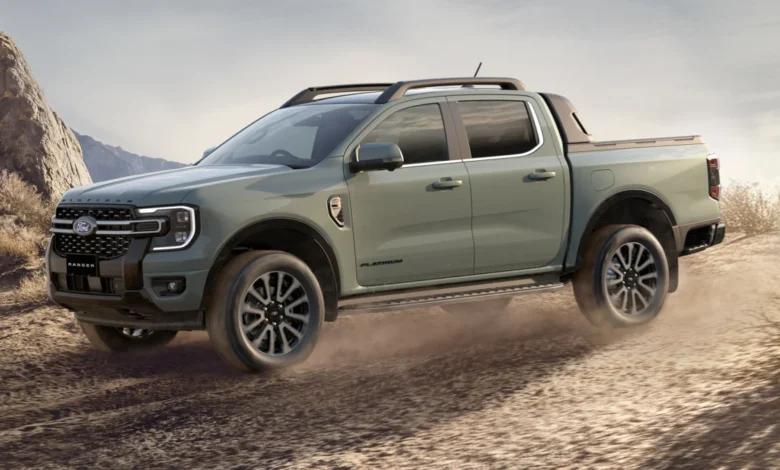
The global automotive landscape for midsize pickups is bracing for a significant shift as Ford officially confirms that development on the successor to its wildly popular Ranger is already underway. While commercial vehicle and light commercial vehicle (LCV) product cycles traditionally span extended timeframes, engineering teams in Australia have quietly commenced foundational work on the next-generation truck. Though the all-new model is not anticipated to make its global market debut until near the end of the decade, this early confirmation underscores Ford’s aggressive long-term strategy to maintain dominance in one of the most fiercely contested segments in the global automotive market, where it perpetually locks horns with the legendary Toyota Hilux and other formidable international rivals.
Main Facts and Current Standing
The current T6-platform-based Ranger has enjoyed stellar global sales since its late 2021 launch, serving as a cornerstone for Ford’s utility vehicle portfolio across diverse markets spanning Asia-Pacific, Europe, Africa, and the Americas. To maintain its competitive edge against newer market entrants, Ford rolled out a comprehensive series of updates for the Ranger in late 2025, refreshing its aesthetic appeal, streamlining powertrain choices—such as axing the bi-turbo diesel in certain markets—and introducing specialized variants like the Wolftrak.
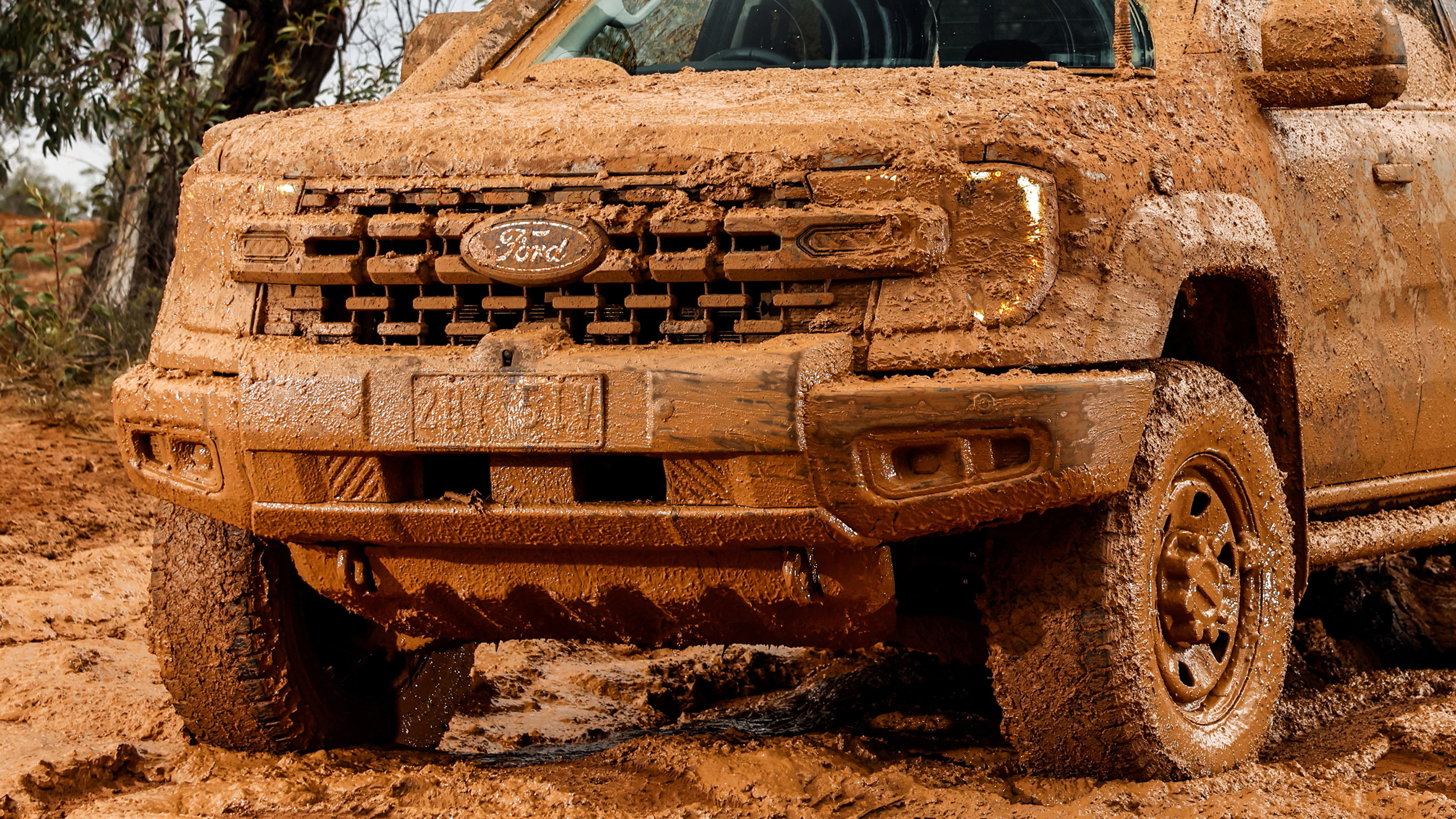
Despite these mid-cycle refreshes, the automotive giant is already looking far beyond the current decade. Fadi Mawal, President and CEO of Ford Australia, recently confirmed to local media that a dedicated workforce of approximately 1,500 engineers is actively spearheading the next-generation project. This technical hub carries a rich legacy, tracing its lineage back to the brilliant engineering minds responsible for the original T6 platform that debuted in late 2010, as well as the platform-sharing Ford Bronco and the robust Ford Everest SUV.
Chronology of Development and Global Strategy
The timeline for the next-generation Ranger project is structured around a long-term development runway typical of ladder-frame commercial vehicles.
- Late 2010: The baseline T6 platform architecture is introduced globally, establishing Australia as a primary engineering and development center for Ford’s midsize truck lineup.
- Late 2021: The current-generation Ranger launches globally to critical acclaim, quickly establishing itself as a benchmark in the midsize pickup segment.
- Late 2025: Ford implements a major wave of updates to the Ranger lineup, revising trim structures, discontinuing select legacy engines, and introducing rugged editions like the Wolftrak to fend off growing competition.
- Early 2026: Ford Global CEO Jim Farley visits Australia to evaluate operational expenditures, publicly labeling the country as one of the most expensive places on Earth to employ engineering talent, which triggers intensive dialogue regarding the future viability of local research and development operations.
- Late 2026: Ford leadership officially confirms that development on the Ranger successor has formally begun Down Under, backed by a 1,500-strong engineering task force while ongoing negotiations with the Australian government seek to secure the long-term future of the engineering hub.
- Late 2020s (Projected): Initial test mules and heavily camouflaged prototypes are expected to hit public roads for real-world validation testing, paving the way for a global commercial reveal before the decade concludes.
Supporting Data and Economic Realities
While the engineering prowess of Ford’s Australian division is internationally recognized for producing "best-in-class products," the path forward is not entirely free of friction. The financial realities of modern automotive manufacturing have cast a spotlight on labor and operational costs.

During a high-stakes executive visit to Australia earlier in the year, Ford Global CEO Jim Farley did not mince words regarding the financial burdens of maintaining a massive footprint in the region, noting that Australia ranks among the most expensive locations globally for automotive engineering. This economic pressure sparked intense industry speculation over whether Ford might shift future R&D operations to lower-cost regions in Asia.
However, local leadership remains resolute. Fadi Mawal acknowledged the ongoing financial discussions, confirming that constructive talks between Ford and the Australian federal government are actively taking place. The shared objective of these negotiations is to solidify the economic framework necessary to keep the multi-thousand-person engineering hub anchored in the country. Mawal emphasized the team’s commitment, noting that engineers will continue pushing forward with the next-generation truck’s architecture "until someone says otherwise."
Anticipated Engineering and Design Evolution
While Ford has tightly guarded the specific design blueprints and technical specifications for the upcoming Ranger successor, industry analysts and automotive insiders can extrapolate reasonable expectations based on current regulatory trajectories and market trends.
The exterior styling is expected to undergo a complete, clean-sheet redesign, moving away from the evolutionary lines of the current model to adopt a bolder, more futuristic aesthetic that aligns with Ford’s evolving global truck design language. Inside the cabin, customer feedback is anticipated to drive a significant ergonomics overhaul. Following industry-wide pushback against pure touch-screen reliance, the next-generation interior will likely place a renewed emphasis on tactile, physical controls for climate and audio systems, paired with elevated standards of comfort, NVH (noise, vibration, and harshness) reduction, and advanced cabin materials.
Underneath the bodywork, questions remain regarding the ladder-frame chassis. It has yet to be determined whether Ford will engineer a completely fresh, next-generation ladder-frame architecture or heavily refine the current versatile framework that underpins both the Ranger and the Ford Bronco.
Furthermore, tightening global emissions standards and regulatory shifts will undoubtedly dictate a heavier dose of electrification for the next-generation truck. While the current lineup accommodates traditional internal combustion engines alongside a recently introduced plug-in hybrid (PHEV) variant, future iterations must adapt to rapidly evolving environmental mandates. Observers note that while the current model lacks a self-charging hybrid or a mild-hybrid diesel setup—features successfully deployed by competitors like the Toyota Hilux—the successor is widely expected to bridge this technological gap. A fully electric variant (EV) remains a theoretical possibility for later in the vehicle’s lifecycle, though internal prioritization suggests it will take a backseat to more versatile hybrid and highly efficient combustion configurations.

Broader Impact and Market Implications
The successful execution of the next-generation Ranger holds immense financial and strategic importance for the Blue Oval. As midsize pickups increasingly transition from purely utilitarian workhorses to lifestyle-oriented family vehicles and high-margin luxury cruisers—exemplified by the massive success of the high-performance Ranger Raptor and the heavy-duty Ranger Super Duty workhorse—the stakes for the next model are higher than ever.
Ford’s continued reliance on specialized, high-value variants indicates that the next generation will likely mirror this multi-tiered product strategy, catering simultaneously to commercial fleet operators, extreme off-road enthusiasts, and luxury-segment buyers.
As development ramps up over the next several years, the automotive industry will be watching closely to see how Ford navigates the delicate balance between escalating engineering expenditures and the necessity of maintaining price competitiveness in a brutal global marketplace. With development mules expected to emerge for public testing in the coming years, the foundation for Ford’s next chapter in the midsize pickup segment is firmly taking shape.
Related posts: